
Permittivity Drift and near Field SAR Evaluation in Encapsulated Transmitters
Potting resins alter antenna reactive near fields and spike peak SAR, requiring rigorous dosimetric scanning rather than reliance on modular grant exemptions.
Potting resins alter antenna reactive near fields and spike peak SAR, requiring rigorous dosimetric scanning rather than reliance on modular grant exemptions.
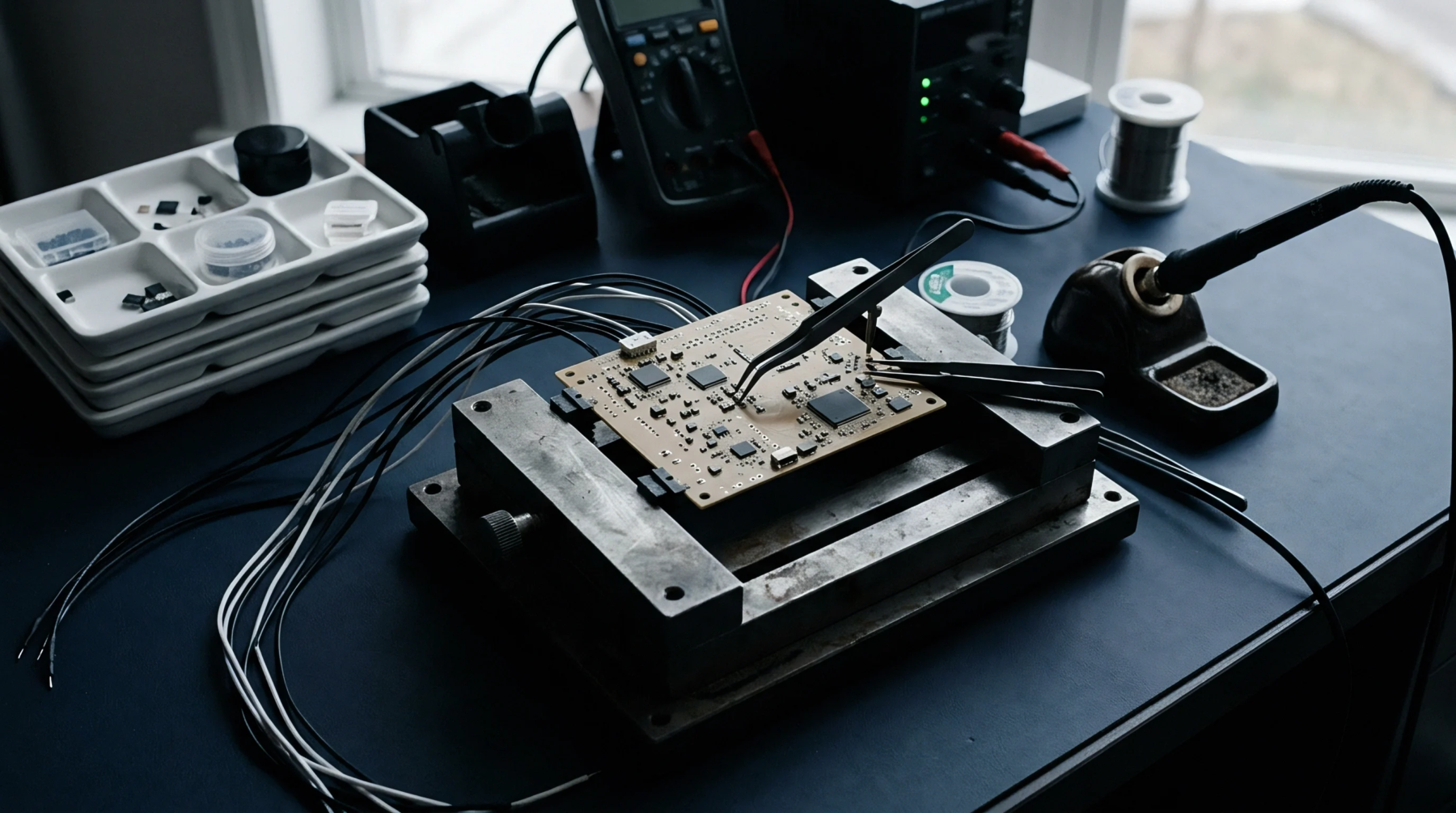
SMPS radiated desense in compact radios is quantified by isolation of near-field H-field coupling and bench noise floor sweeps across operating loads.

Controlling near-field dissipation loss demands sub-0.1 µg/cm² ionic cleaning of flux residues to prevent dielectric antenna detuning and grant failures.

Low power radio SAR compliance relies on calculating source-based time-averaged radiated power against regional exemption limits before committing to phantom tests.

Polymeric housing permittivity and joint apertures detune internal antennas and leak harmonic energy, turning resin selection into a regulatory approval risk.

Secure native ECAD databases, unencumbered trace intellectual property, and calibrated manufacturing data before authorizing production migration.
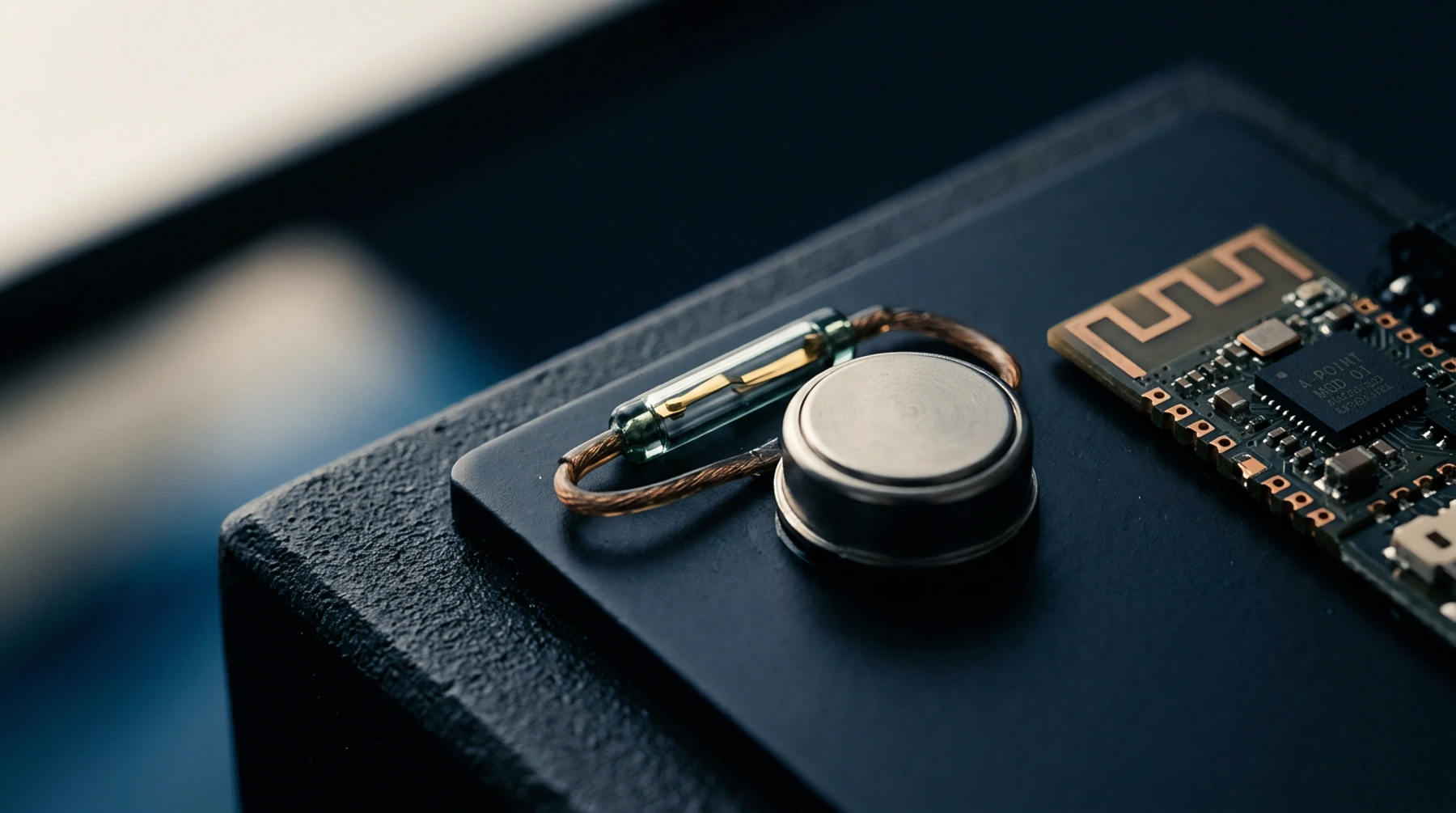
Pre-certified wireless modules bypass intentional radiator testing under 10,000 units, trading higher bill-of-materials cost for immediate regulatory clearance.

Sub-GHz links deliver up to 9 dB lower path loss and strong obstacle penetration, but 2.4 GHz transceivers reduce energy per bit and simplify global compliance.

Truncating PCB ground planes collapses antenna radiation resistance, creates deep directional nulls, and forces RF return currents into noisy peripheral traces.
Expertise is a utility, not a secret. sentiention™ publishes its working knowledge as open reference: intelligence layer covering the materials it sources, the markets it enters, and the reference that serves both.