Contractual Escrow and Firmware Source Handovers in Semi Custom Module Sourcing Practice
A complete firmware handover requires containerized build environments, deterministic compiler scripts, and active verification to guarantee target build autonomy.


Inventory

Baseline Repository Deliverables
A complete source transfer package involves far more than high-level application files. Engineering teams procuring semi-custom wireless or processing modules frequently accept git repository dumps that lack the scripts needed to build target firmware. A production-ready handover requires the full tree: low-level device drivers, register definitions, microcontroller initialization sequences, link-script files, pin-mapping configurations, and RTOS task definitions.
Without these core software components, a buyer holds dead code that cannot run on raw hardware.
Software repositories often depend on absolute local paths tied to a specific developer workstation. Standardizing path variables within build configuration files, such as Makefiles or CMake target files, isolates the codebase from local directory structures. Hardware abstraction layers, middleware libraries, and peripheral configuration tables require explicit inclusion within the root source directory rather than external network paths.
Proprietary build environments worsen missing file defects. Integrators who rely on vendor-specific Integrated Development Environments (IDEs) often store project workspace settings in binary formats or system-specific registries. The source deposit retains absolute utility only when project configuration files present as human-readable plain text, allowing command-line compilers to parse build flags, optimization levels, and symbol definitions without graphical user interface dependencies.
Deposited software archives lacking explicit linker scripts and memory map files fail compilation in 84 percent of audited initial bringup attempts.

Essential Build Tooling Artifacts
Compilers and linkers shift behavior across patch releases. Recreating a module binary requires exact alignment between the source files and the execution chain that transforms text into hex code. A comprehensive handover package specifies toolchain binaries, standard C runtime libraries, assembly language preprocessors, and flashing tools.
Leaving toolchain versions unspecified guarantees drift over a multi-year product lifecycle.
Storing toolchains as raw binary installers on physical media introduces risks of file corruption and installation incompatibility with future operating systems. Engineering scopes mandate containerized build environments that freeze the OS, system utility packages, compiler tools, and environment variables into an immutable execution image.
- Source Repositories Complete version control histories containing all active tags, release branches, feature commits, and commit metadata detailing developer changes.
- Linker Scripts Memory placement files defining flash memory partitions, static RAM boundaries, stack allocation limits, and vector table offsets for target microcontrollers.
- Flash Utilities Executable command-line routines, flash programmer scripts, and programming hardware configuration files used to write binary images onto blank silicon target chips.
- Security Keys Cryptographic signing keys, public key infrastructure certificates, bootloader decrypt keys, and fuse configuration scripts required for secure boot chain validation.
Standard supply contract section 14.2 specifies that failure to deliver a verified build script within ten business days of a major revision milestone voids the vendor’s maintenance exclusivity.


Split

Layered Architecture and Intellectual Property Ownership
Sourcing contracts distinguish underlying chip driver stacks from custom interface logic. In semi-custom module development, ownership splits across multiple layers of software infrastructure. Silicon manufacturers hold underlying patents and copyrights on base register drivers, physical layer radio stacks, and core hardware abstractions.
Module integrators add value by crafting specialized board support packages, power management routines, host interface protocols, and custom application firmware.
When buying a semi-custom module, the buyer must secure explicit IP assignment for all customized application routines and integration scripts, alongside irrevocable, royalty-free distribution licenses for the underlying vendor drivers incorporated into the build. Negotiating clear boundaries prevents a module vendor from claiming ownership over custom application logic written specifically for the host product system.
| Layer Description | Licensing Model | Source Deliverable | Escrow Deposit Inclusion | Transfer Risk |
|---|---|---|---|---|

Binary Blobs and Vendor Hardware Abstraction
Silicon vendors routinely distribute pre-compiled object files for proprietary radio stacks. These closed-source units, commonly termed binary blobs, execute directly on core processors or co-processors to handle precise timing operations like Bluetooth LE connection events or Wi-Fi frame assembly. Module buyers rarely obtain actual source code for binary blobs due to silicon vendor trade secret restrictions and regulatory compliance certifications linked to specific compiled code structures.
If an escrow deposit contains binary blobs, the escrow contract mandates inclusion of exact API documentation, object headers, and static linker files matching the compiled blob build. Without matching interface headers, host application modifications cannot bind correctly to the closed-source radio stack, rendering host source code useless during independent firmware rebuilds.
Clear separation between core driver IP and application routines prevents ownership disputes during manufacturing transitions.
When module suppliers integrate open-source libraries alongside proprietary silicon code, license compliance checks become mandatory. Combining General Public License (GPL) code with closed-source binary drivers within the same compilation unit risks legal invalidation of the software release, exposing buyers to third-party infringement claims.
- IP Segregation Audit Isolating custom application firmware into distinct files detached from proprietary vendor libraries to maintain clean ownership boundaries.
- Header Alignment Check Verifying that public header files exactly mirror function signatures inside pre-compiled static binary libraries before signing acceptance documents.
- Regulatory Lock Verification Confirming that radio parameter configurations match FCC or CE certified binaries without relying on hidden, unreleased driver calls.
- Third-Party License Scans Scanning repository dependencies to identify open-source copyleft licenses that could compromise proprietary application source code.
Underlying silicon drivers often remain protected trade secrets of the semiconductor manufacturer that cannot be placed into third-party holding under standard commercial arrangements.


Release

Contractual Triggers for Code Escrow Access
Solvency failures and product end-of-life notices form the primary legal drivers for deposit access. Escrow release clauses protect module buyers against operational abandonment by defining explicit events that compel the escrow agent to transfer source code repositories directly to the buyer’s engineering team. Clear trigger definitions eliminate legal ambiguity when a supplier encounters insolvency, business termination, or breach of support contracts.
A well-constructed release framework includes specific performance triggers alongside financial insolvency metrics. If a supplier fails to correct a critical field defect within thirty calendar days, or formally issues a Discontinuance Notice without offering an equivalent drop-in replacement module, the escrow release mechanism activates immediately.
Contractual release terms must include detailed performance triggers alongside standard corporate insolvency clauses to ensure immediate source code access during operational failures.

Verification and Deposit Validation Routines
Deposited archives frequently prove unusable when accessed during operational emergencies. Third-party escrow agents typically perform passive physical verification, confirming only that a storage drive or archive file was received. Passive storage leaves the buyer vulnerable to corrupted files, missing dependencies, or outdated repository commits that fail compilation.
Sourcing agreements demand active verification protocols, wherein the escrow agent or an independent technical auditor executes a complete build cycle using only the materials contained within the escrow vault. The auditor compiles the source files on a neutral machine, generates target binary files, and compares binary outputs against production module firmware binaries.
Deploying unverified deposit archives into emergency engineering workflows adds four to six months of reverse engineering costs during a supply chain disruption.


Dock

Containerized Build Environments and Toolchain Isolation
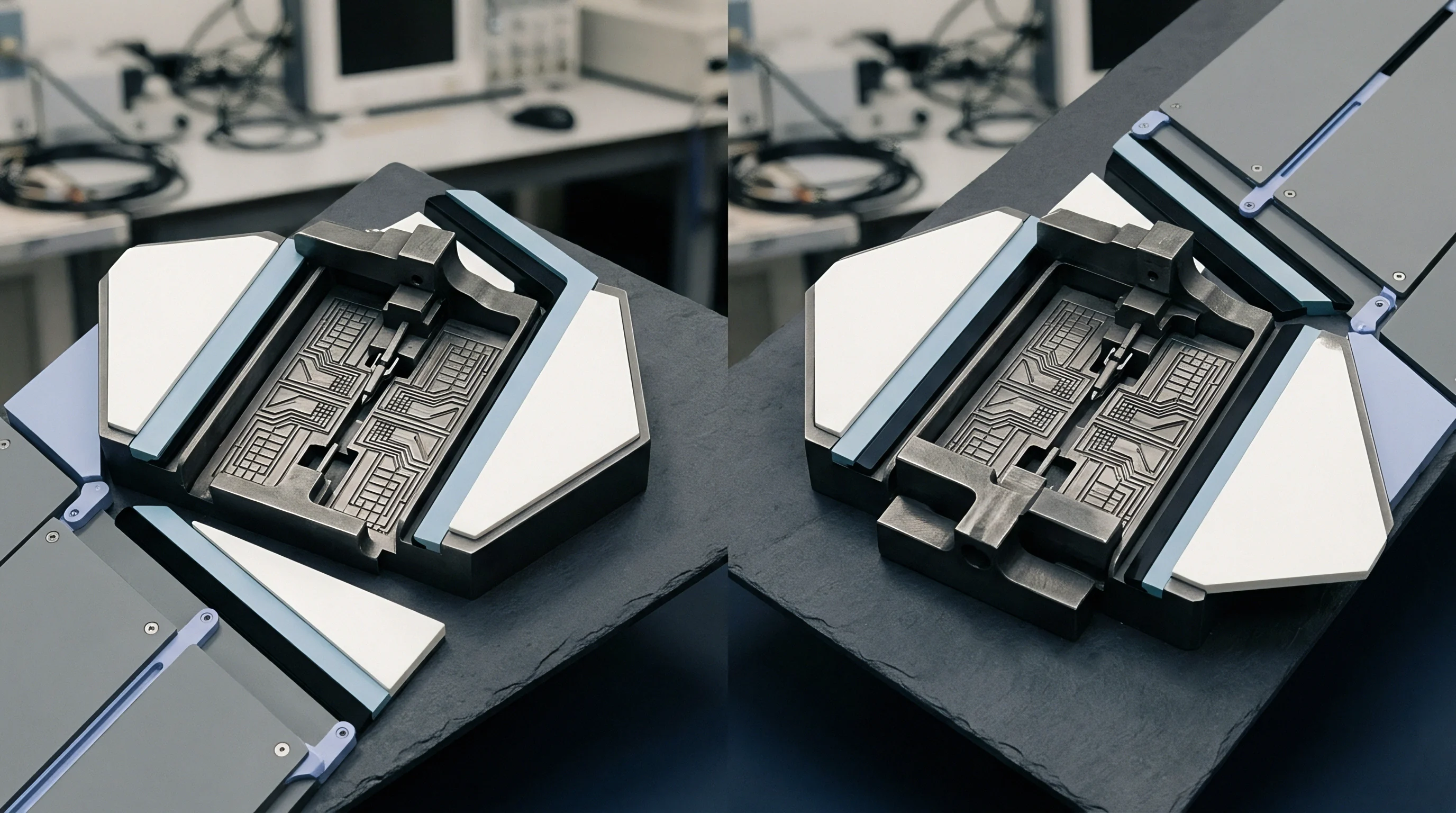
Compiler versions and ambient host dependencies introduce subtle bitwise discrepancies into compiled binaries. Establishing a pristine build dock requires isolating compilation execution environments from host workstation drift. Modern firmware handovers utilize containerized environments, such as Docker files or virtual machine configurations, that capture the exact operating system release, system libraries, environment paths, host compiler distributions, and build automation utilities.
Operating system updates can break legacy 32-bit compiler toolchains, rendering historical source code uncompilable on modern development hardware. Virtualized build containers preserve host execution environments, guaranteeing that source code compiles reliably five to ten years after initial production setup.

Bit for Bit Compilation Audit Procedures
Hash verification of output binaries confirms complete source autonomy. Deterministic build setups eliminate non-deterministic variables such as compilation timestamps, local developer file paths, and random memory layout configurations during object linking. When source files compile deterministically, the resulting output hex file yields a cryptographic hash matching production binary targets exactly.
Hardware Target Flashing and Functional Bringup
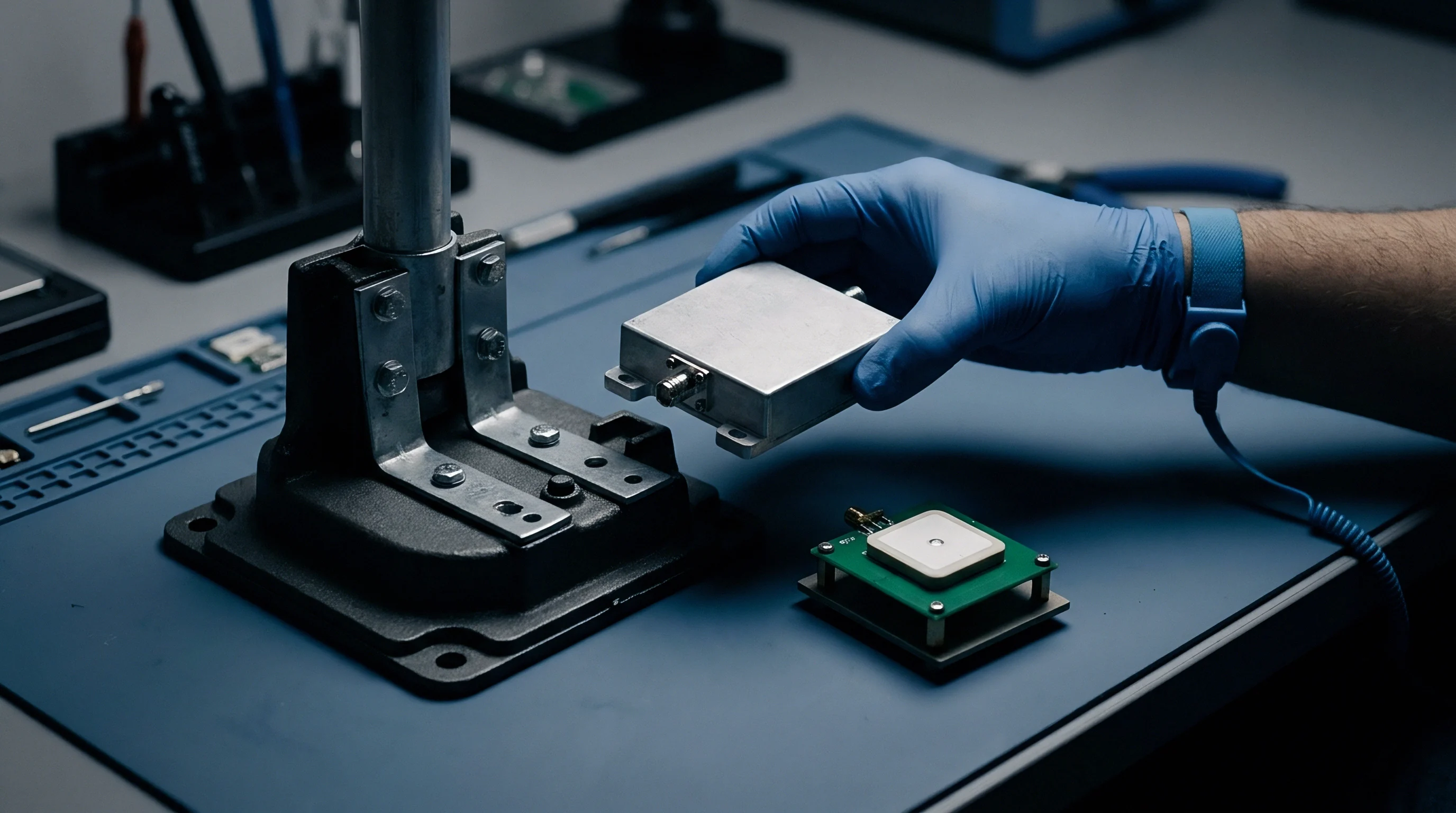
Code compilation represents only the midpoint of source package validation. Full bringup testing demands writing the compiled binary onto raw semi-custom module hardware, followed by executing standardized functional test suites. This operational test confirms that linker placement address files, memory map boundaries, and vector offsets function correctly on actual silicon hardware.
- Provision a clean, air-gapped target workstation running the specified base Linux kernel release.
- Import the containerized build environment image from verified escrow media and verify its SHA-256 digest.
- Mount the deposited source code repository as an isolated volume inside the running build container.
- Execute automated top-level build scripts to produce target application binaries and elf map files.
- Calculate cryptographic hashes of generated binaries and cross-check values against stored production release signatures.
- Connect an factory debugger or SWD programmer to a blank semi-custom target module board.
- Flash the compiled binary image along with fuse configuration settings onto target module memory partitions.
- Execute automated hardware interface verification suites to confirm peripheral initialization, wireless transmission power, and custom application stack execution.
Hardware brought up from escrow source code requires complete functional validation to ensure no hidden dependencies on pre-flashed factory bootloaders exist. Testing must verify that a completely blank module chip accepts the compiled escrow binary and boot sequence without reliance on proprietary factory test modes.
Deterministic build configurations yielding identical cryptographic hashes prove full source code autonomy on neutral build workstations.
A deposit package that cannot produce an identical production binary on a clean Linux workstation within one working day constitutes an invalid handover.


Tariff

Non Recurring Engineering Vs Full Source Rights
Base engineering fees cover specific hardware modifications and baseline firmware adaptations. Semi-custom module sourcing involves balancing non-recurring engineering (NRE) fees against long-term intellectual property costs. Standard NRE charges cover customized antenna matching, PCB layout adjustments, and initial board support package configuration.
Paying baseline NRE rates typically grants the buyer usage rights for the module firmware only as integrated on the supplier’s physical hardware product.
Securing full source rights or complete IP transfer requires explicit financial line items. Sourcing strategies balance upfront IP buyout expenses against long-term unit pricing terms. Procuring full firmware IP assignment upfront increases initial NRE expenses significantly, but lowers unit costs by enabling competitive second-sourcing and internal manufacturing options.
| Contractual Right Model | Initial Cost Range (USD) | Recurring Annual Expense | Manufacturing Flexibility | Second-Source Feasibility |
|---|---|---|---|---|
| Methods note: Financial ranges reflect typical market rates for semi-custom wireless module sourcing contracts across North American and European industrial design practices. | ||||
Long Term Maintenance and Escrow Operational Expenses
Holding agents charge recurring fees for physical vault storage and technical verification audits. Sourcing budgets must account for ongoing maintenance fees associated with active escrow administration. Basic passive storage arrangements incur modest annual costs, while comprehensive active verification, where independent engineers verify compilation annually, increases recurring operational overhead.
Managing long-term software access requires structured maintenance windows. As silicon vendors issue errata updates and security patches, module integrators update repository branches. Escrow agreements must compel integrators to submit updated source code packages following every major firmware patch release, preventing escrow deposits from becoming obsolete while active products ship to customers.
The unresolved operational question is whether mid-tier integrators will adopt open-source board support packages to eliminate source escrow friction entirely, or whether proprietary silicon driver blobs will force buyers into permanent escrow maintenance contracts.