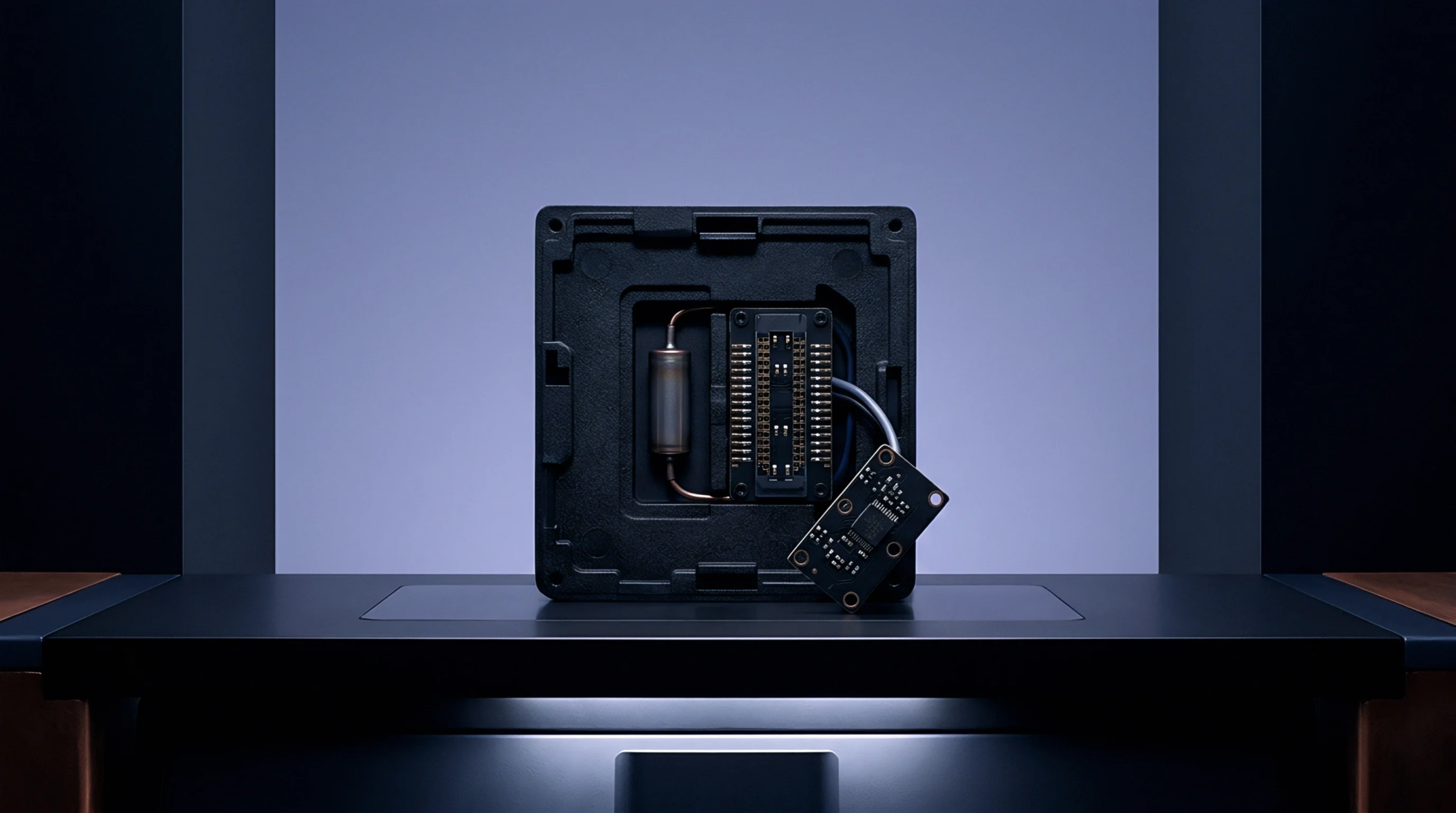
Harmonized Tariff Classification Frameworks for Importing Printed Circuit Board Assemblies
Populated circuit board classification requires determining principal function under Section XVI notes rather than declaring bare substrate heading 8534.
Populated circuit board classification requires determining principal function under Section XVI notes rather than declaring bare substrate heading 8534.
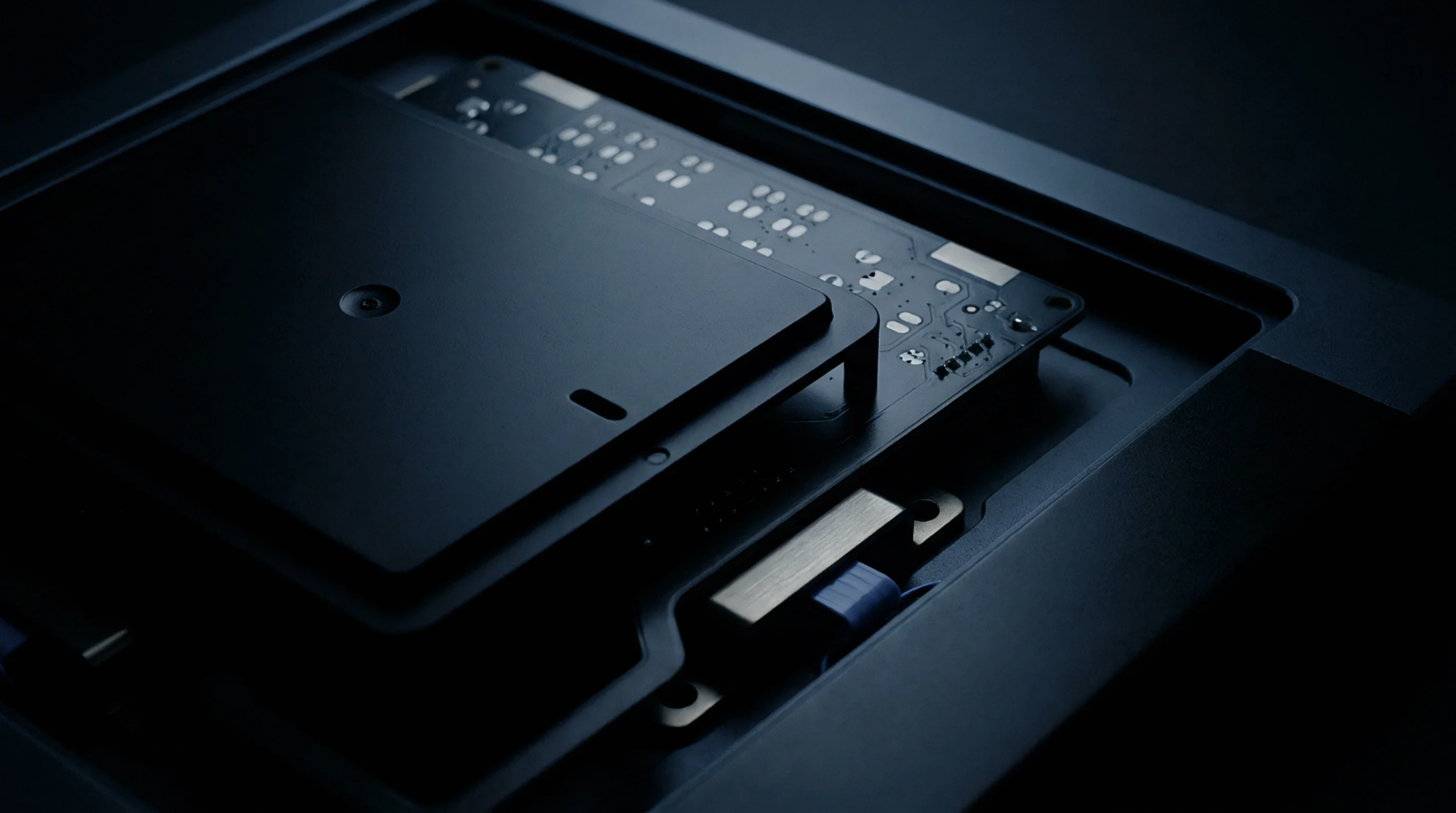
Aligning RF modular grant specifications with GRI 3b essential character criteria secures binding tariff rulings and eliminates border reclassification exposure.

Determining wireless machinery tariffs relies on proving whether embedded radio modules alter the machine primary mechanical function under GRI 3b rules.
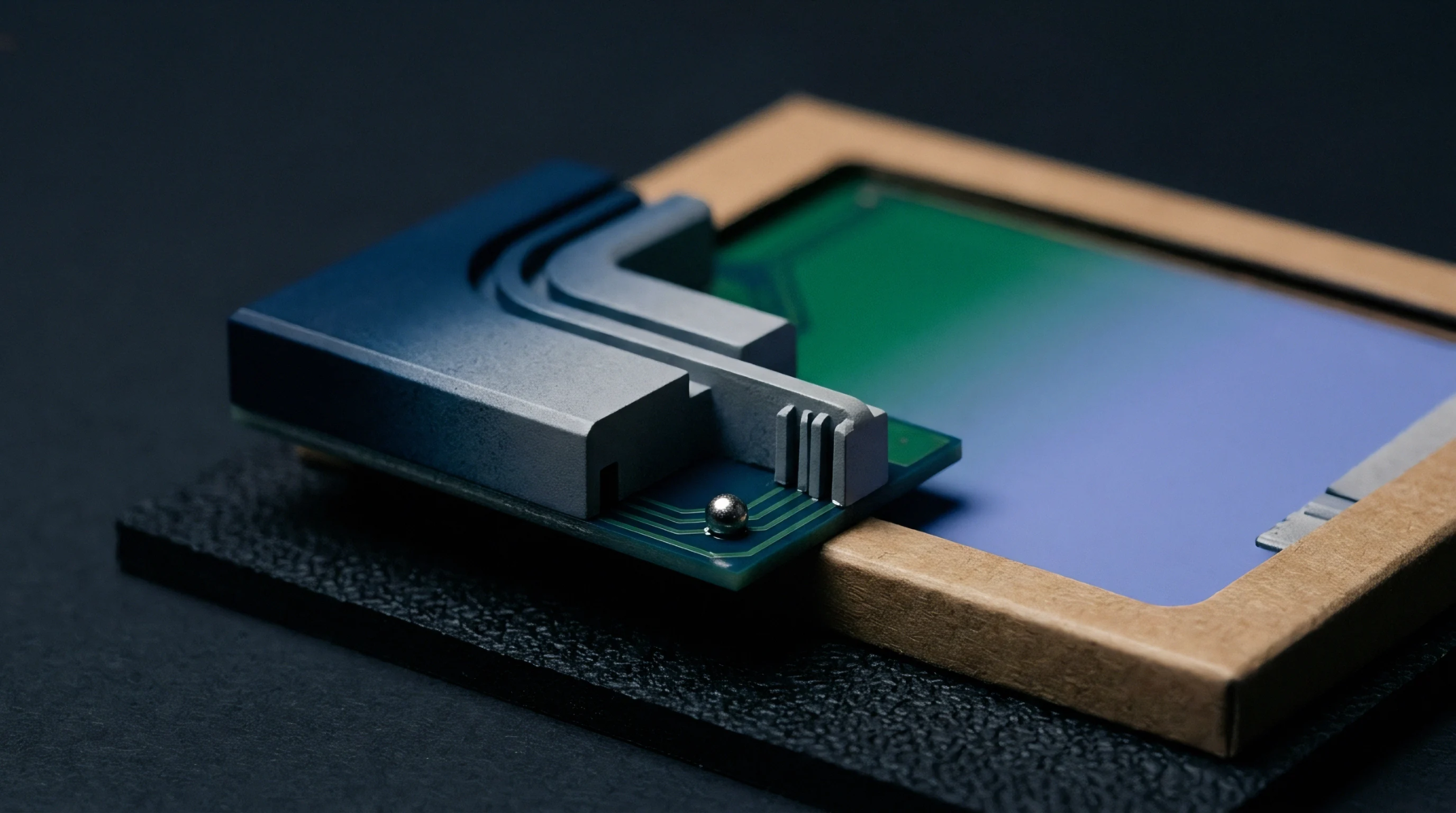
Section XVI Legal Notes dictate host product classification based on principal function, directly altering landed customs tariffs and certification paperwork.

Radio assembly classification turns on standalone RF transmission capability while dutiable valuation requires full reconciliation of offshore assists.

Dual-function wireless transceiver modules classify under HS code 8517.62 as finished transmission apparatus under General Rules of Interpretation 1 and 6.

Verify packaging internal discretes against HS Note 9(b)(4) before import to prevent reclassification from duty-free ICs into detained wireless apparatus.

Embedded radio classification follows host machine principal function under Section XVI Note 3 rather than heading 8517 unless communications form primary utility.

Dual-function wireless assemblies require precise Harmonized System classification and synchronized telecommunications filings to prevent customs border holds.

System in Package transceiver tariff classification depends strictly on internal substrate construction and passive component integration under Chapter 85 notes.
Expertise is a utility, not a secret. sentiention™ publishes its working knowledge as open reference: intelligence layer covering the materials it sources, the markets it enters, and the reference that serves both.