
FCC Modular Approval Conditions and Antenna Swap Regulations
Replacing a modular radio antenna without an FCC filing demands equivalent antenna type, equal or lower peak gain, and identical trace impedance specifications.
Replacing a modular radio antenna without an FCC filing demands equivalent antenna type, equal or lower peak gain, and identical trace impedance specifications.

Modular certifications cover transmitters solely within defined antenna and trace boundaries; host integrators remain liable for unintentional and composite emissions.

Antenna spatial shifts inside enclosures breaching 20 cm or changing mutual coupling trigger mandatory Class II Permissive Changes and empirical SAR retesting.
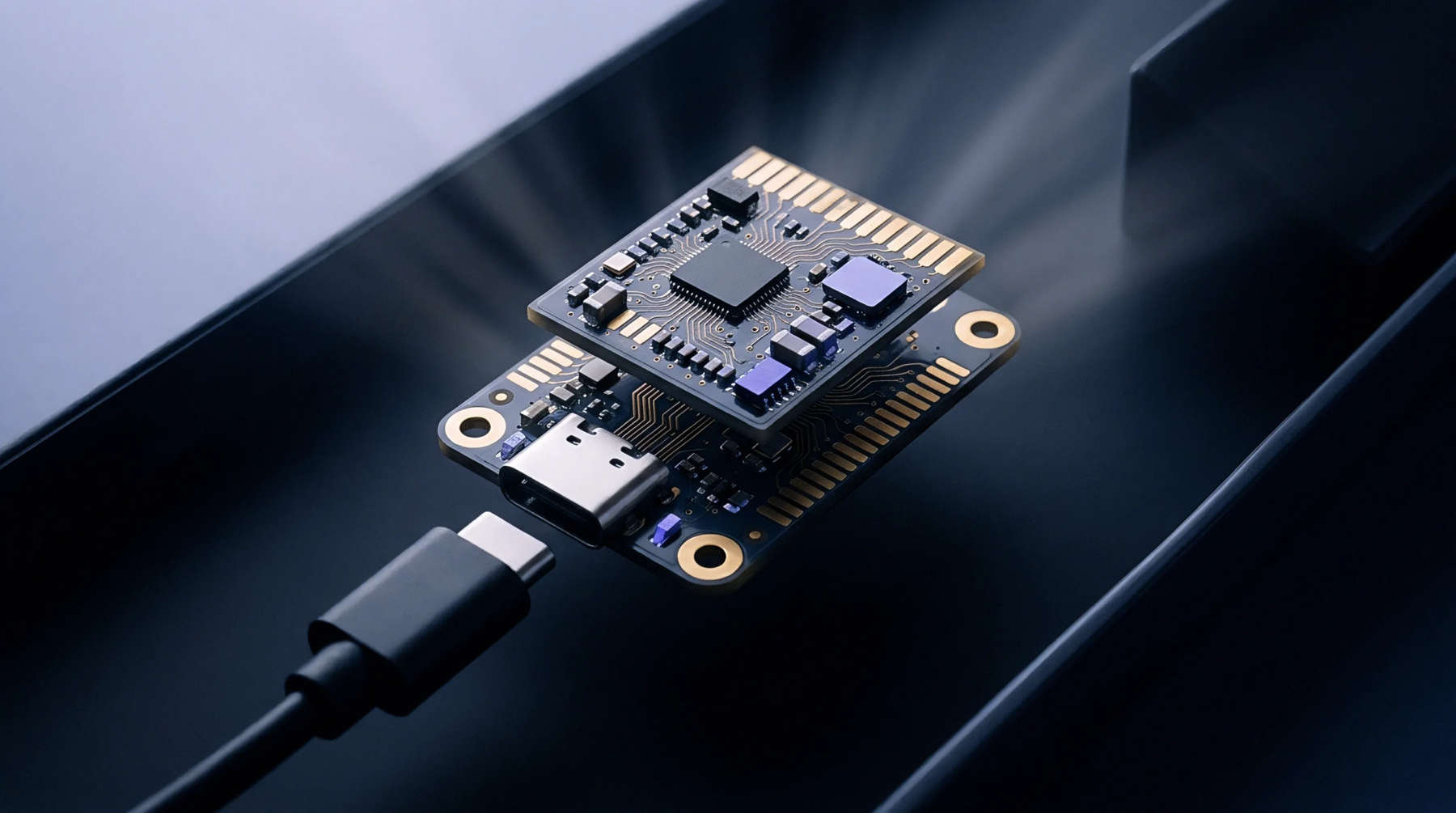
Over-the-air beamformer calibration relies on spatial EIRP mapping and dynamic power density checks to maintain modular type approvals under host integration.

Physical verification of encapsulated millimeter-wave arrays requires combined X-ray tomography and spatial near-field scanning to prevent costly retests.
Evaluating multi-transmitter exposure requires calculating combined transmitter exposure ratios across all active antennas to guarantee compliance under unity.

Harmonizing chamber test parameters and locking regulatory domain firmware prevents cross-border dossier rejection and eliminates redundant certification re-testing.

Resolve emerging market millimeter wave certification bottlenecks through hybrid foreign witness testing and split sub-6GHz local report filings to secure grant approvals.
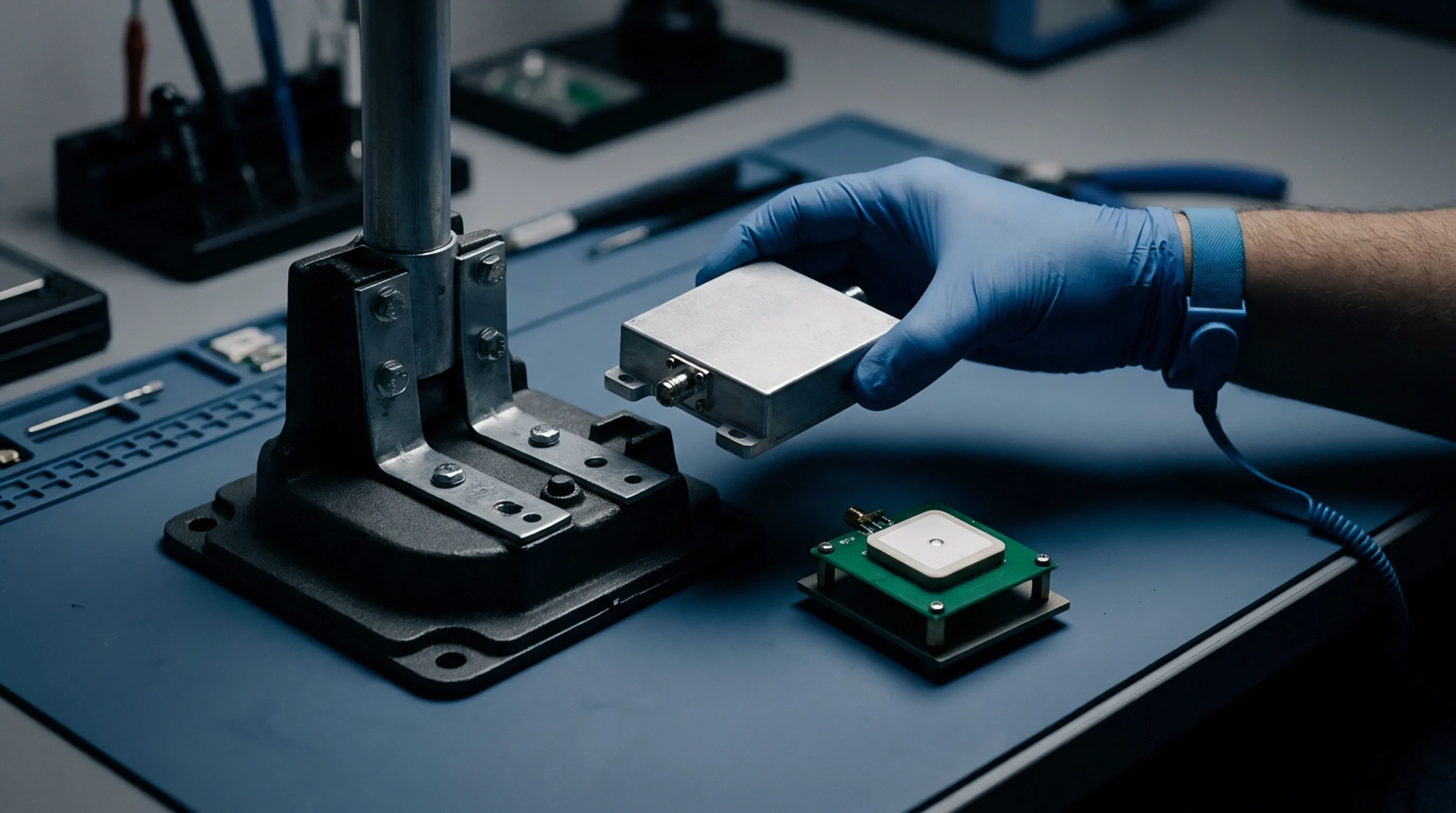
Mutual recognition rules streamline radio market entry by allowing accredited home labs to test for foreign markets, but regional spectrum limits still apply.
Expertise is a utility, not a secret. sentiention™ publishes its working knowledge as open reference: intelligence layer covering the materials it sources, the markets it enters, and the reference that serves both.