
Modular Wireless Certification Class Changes under FCC Rules
FCC modular class changes require Class I audit logs for minor zero-increase emissions shifts and Class II filings for higher gain, host SAR, or altered spurious profiles.
FCC modular class changes require Class I audit logs for minor zero-increase emissions shifts and Class II filings for higher gain, host SAR, or altered spurious profiles.

Modular radio approvals transfer strict radiated compliance obligations to host builders, requiring rigorous change classification and trace stackup control.

Adding potting compound to an unpotted RF module demands Class II permissive change re-testing if dielectric loading increases radiated spurious emissions.

Pre-certified FCC modular grants eliminate fundamental radio testing but require strict host trace adherence, exposure compliance, and Part 15B verification.

Dynamic Time Averaged Radiated Power Control replaces static power attenuation by dynamically allocating energy across rolling windows to maintain compliance.

Classifying firmware delta impact before deployment prevents regulatory clock delays across multi-jurisdictional radio type approvals.

FCC Part 15 modular rules allow pre-certified radios in host devices provided shielding, power regulation, labeling, and antenna limits match grant guidelines.
Modular host integration triggers a Class II Permissive Change whenever trace redesigns, antenna swaps, or co-location alter SAR or radiated emissions profile.
Substituted host antennas qualify for Class II Permissive Changes only when peak gain stays below certified limits and radiative physical structure remains identical.

Modular grant pass-through rights terminate when host enclosure proximity or antenna modifications alter tested RF safety separation boundaries.

Minimum antenna separation depends on transmitter power, receiver blocking thresholds, intermodulation mixing products, and regulatory simultaneous exposure ratios.

Integrating pre-certified radio modules into host hardware requires layout audits, spurious emission pre-scans, and permissive change filings to secure market access.

Verify host RF trace layout tolerances, calculate multi-radio exposure exclusions, and run radiated chamber spot checks to validate modular radio grants.
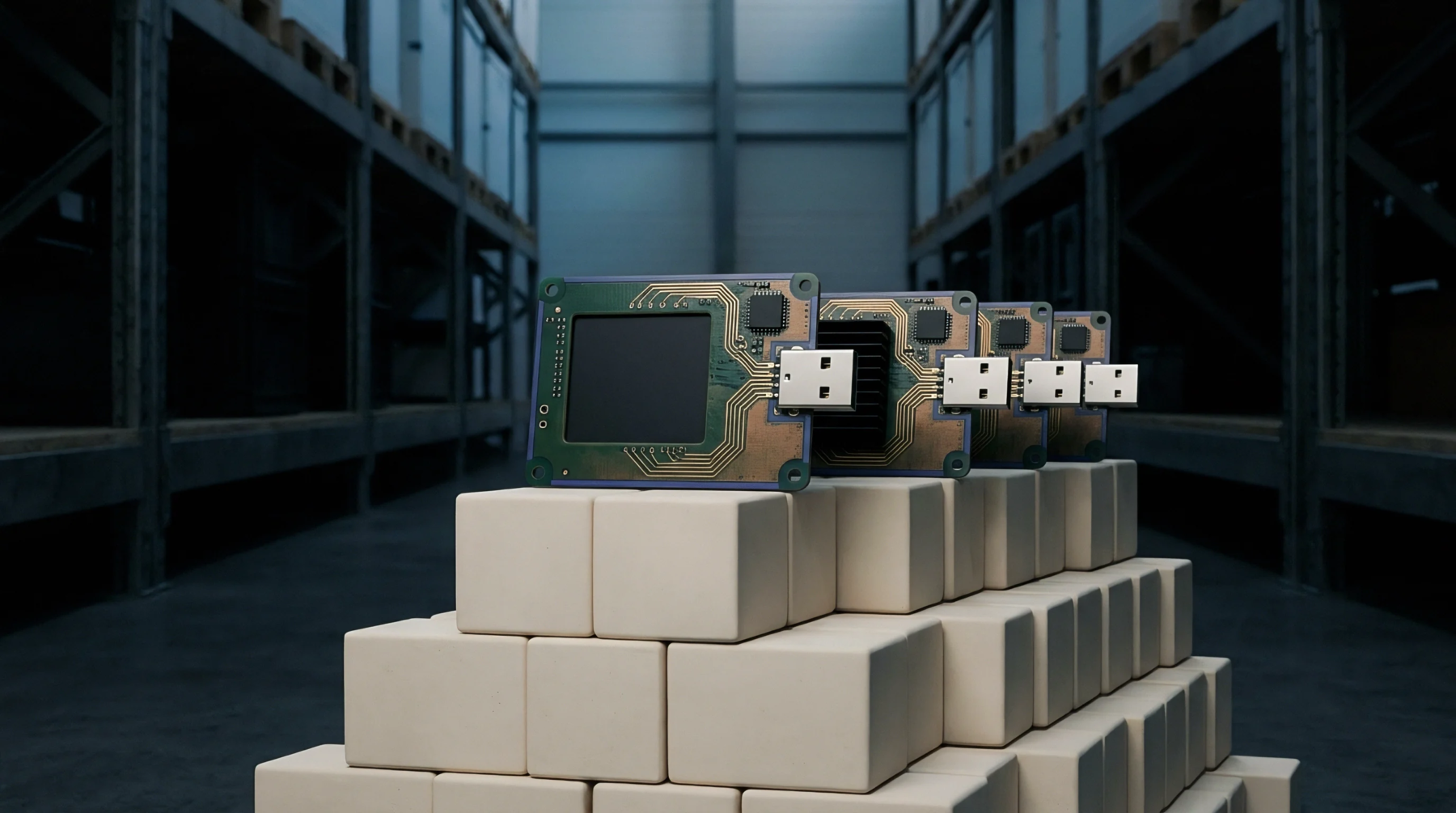
Harmonizing multi-transmitter host approvals demands pre-scan intermodulation testing, cross-jurisdictional exposure summations, and complete technical files.

Standalone transmitter grants demand autonomous hardware shielding, power regulation, and strict adherence to antenna trace rules to prevent costly retesting.

Co-located wireless modules require permissive change filings whenever intermodulation exceeds Part 15.209 limits or portable SAR separation falls under 20 cm.

FCC modular grants transfer transmitter compliance to host systems only when all shielding, regulation, antenna gain, and exposure rules are met.

Resolve multi-transmitter exposure by summing fractional SAR and MPE ratios below unity; exceeding 1.0 triggers full co-located SAR testing and host filings.

Class II Permissive Changes for RF exposure require SAR re-testing when host enclosure changes reduce antenna separation distance below 20 cm boundaries.

Dynamic frequency selection and simultaneous transmission permissive changes require dedicated radiated intermodulation scans and agency pre-approval reviews.

Modifying host PCB layout or antenna spacing invalidates modular Grants, requiring Class II Permissive Changes or full chamber re-testing before market entry.

Co-locating dual unlicensed modular transmitters requires Class II Permissive Change filings when simultaneous emissions create new spurious or SAR exposures.
Host integration changes triggering Class II filings demand targeted chamber re-scans, updated SAR evaluations, and TCB attestation before market release.

Integrating approved radio modules into industrial enclosures demands verifying radiated spurious limits, housing apertures, and permissive change scope.

Class II Permissive Changes resolve multi-transmitter collocation by assessing composite radiated spurious emissions and aggregate RF exposure ratios before sale.
Modular RF exposure compliance depends on maintaining certified antenna separation distances, aggregate power limits, and mandatory host permissive filings.

Modular radio safety grants void when host enclosures reduce antenna separation below 20 cm, forcing mandatory SAR testing and permissive change filings.
Section XVI Legal Notes dictate host product classification based on principal function, directly altering landed customs tariffs and certification paperwork.
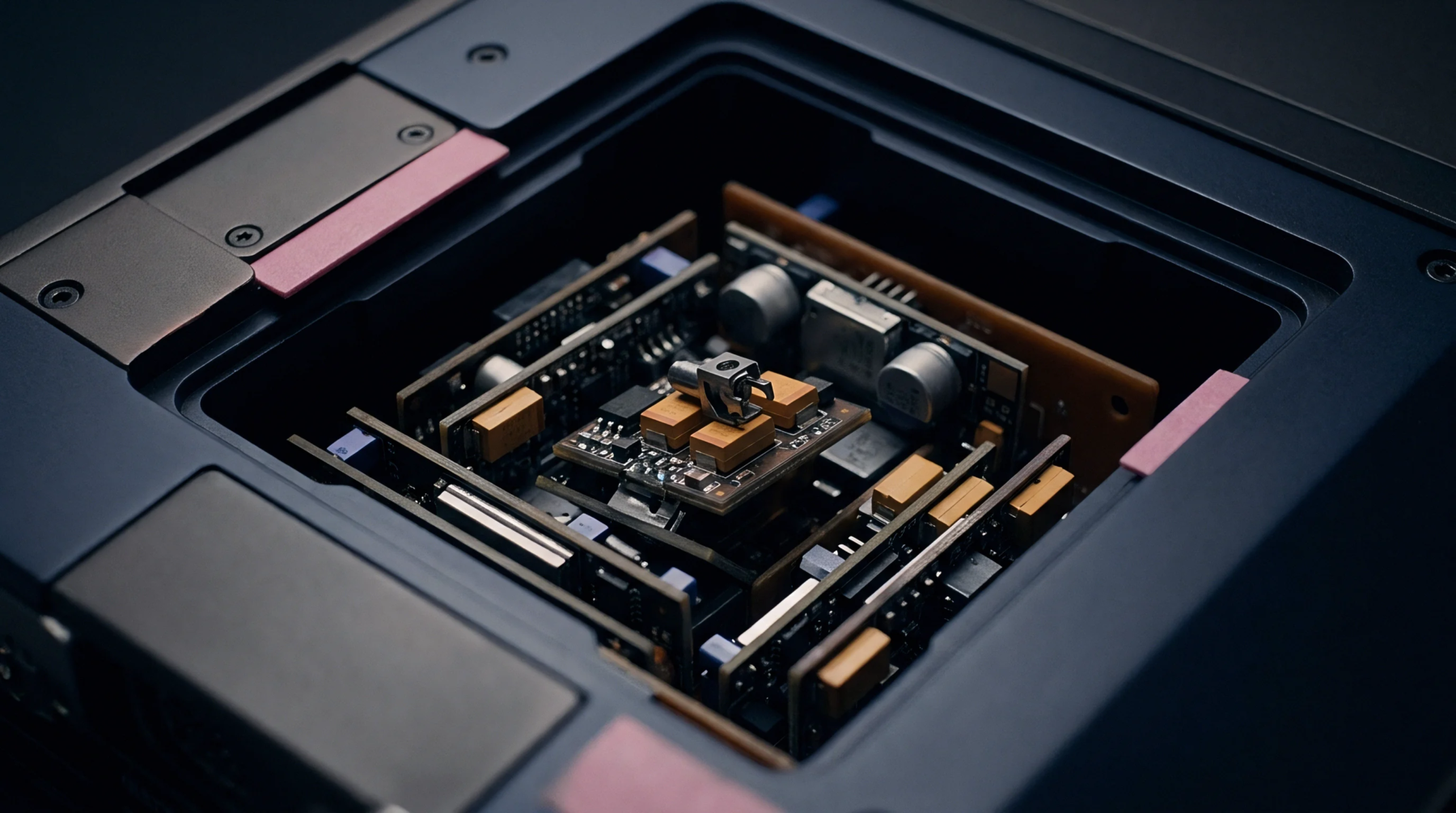
Mitigating multi-radio harmonic spikes requires passive filtering and spatial isolation to clear radiated emission thresholds for Class II permissive change filings.

Multi-transmitter RF exposure compliance depends on combined exposure ratios, antenna separation geometry, and host-level permissive change filings.
Expertise is a utility, not a secret. sentiention™ publishes its working knowledge as open reference: intelligence layer covering the materials it sources, the markets it enters, and the reference that serves both.