
Determining Class Two Permissive Change Triggers for Integrated Wireless Modules
Determine Class Two Permissive Changes by tracking antenna gain shifts, physical separation drops under 20 cm, host shielding degradation, and emission deltas.
Determine Class Two Permissive Changes by tracking antenna gain shifts, physical separation drops under 20 cm, host shielding degradation, and emission deltas.
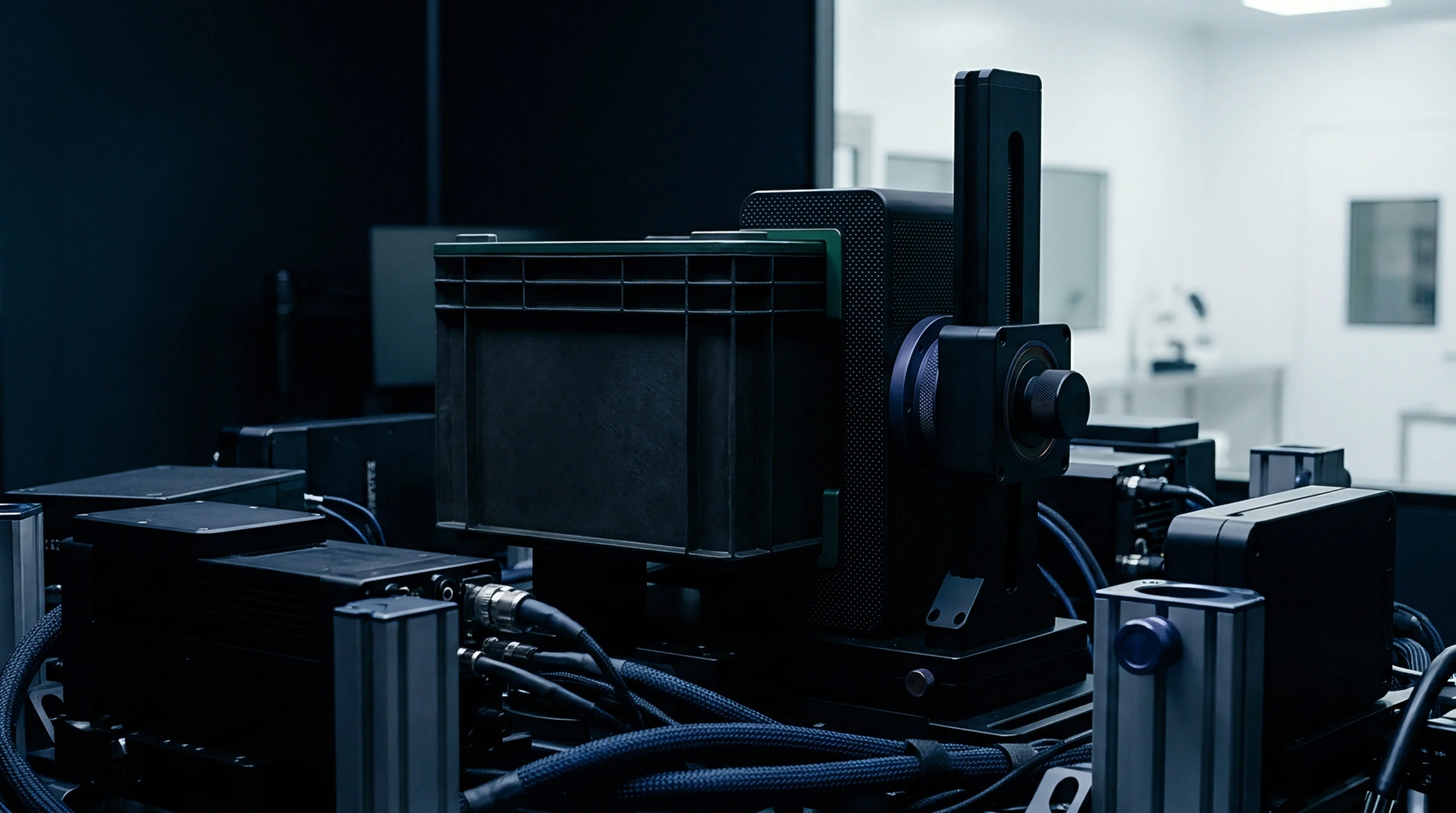
Harmonized machine learning array power backoff testing requires deterministic safety clamp auditing and multi-dimensional spatial near-field scanning across all operating states.

Dispersed radio grantee control requires synchronized cross-border permissive change filings, verified trace metrics, and precise contract indemnification clauses.

Analytical site attenuation offsets convert semi-anechoic ground plane reflections to free-space values through two-ray mutual impedance transformation.

Predicting cavity modes and passive intermodulation inside dense metallic host enclosures prevents costly retests and regulatory approval delays.

Harmonizing multi-jurisdictional radio compliance demands testing against the tightest envelope of conducted antenna port limits and radiated spurious masks.

Encapsulating transmitters alters dielectric permittivity, detuning antennas and elevating spurious harmonics, requiring pre-potting chamber scans to avoid filing delays.

Selecting Ed25519 over ECDSA P-256 cuts transponder sign time by 60 percent, preserving battery life and avoiding radiated emission spikes during RF bursts.

Foreign manufacturers must secure a South Korean legal representative and pass accredited lab testing under the Radio Waves Act before importing radios.

Verifying tariff line data against regulatory agency records before customs filing prevents shipment holds and bond forfeiture.

Tripartite escrow covenants allow host integrators to release proprietary RF firmware source code directly to EU market surveillance auditors during compliance audits.
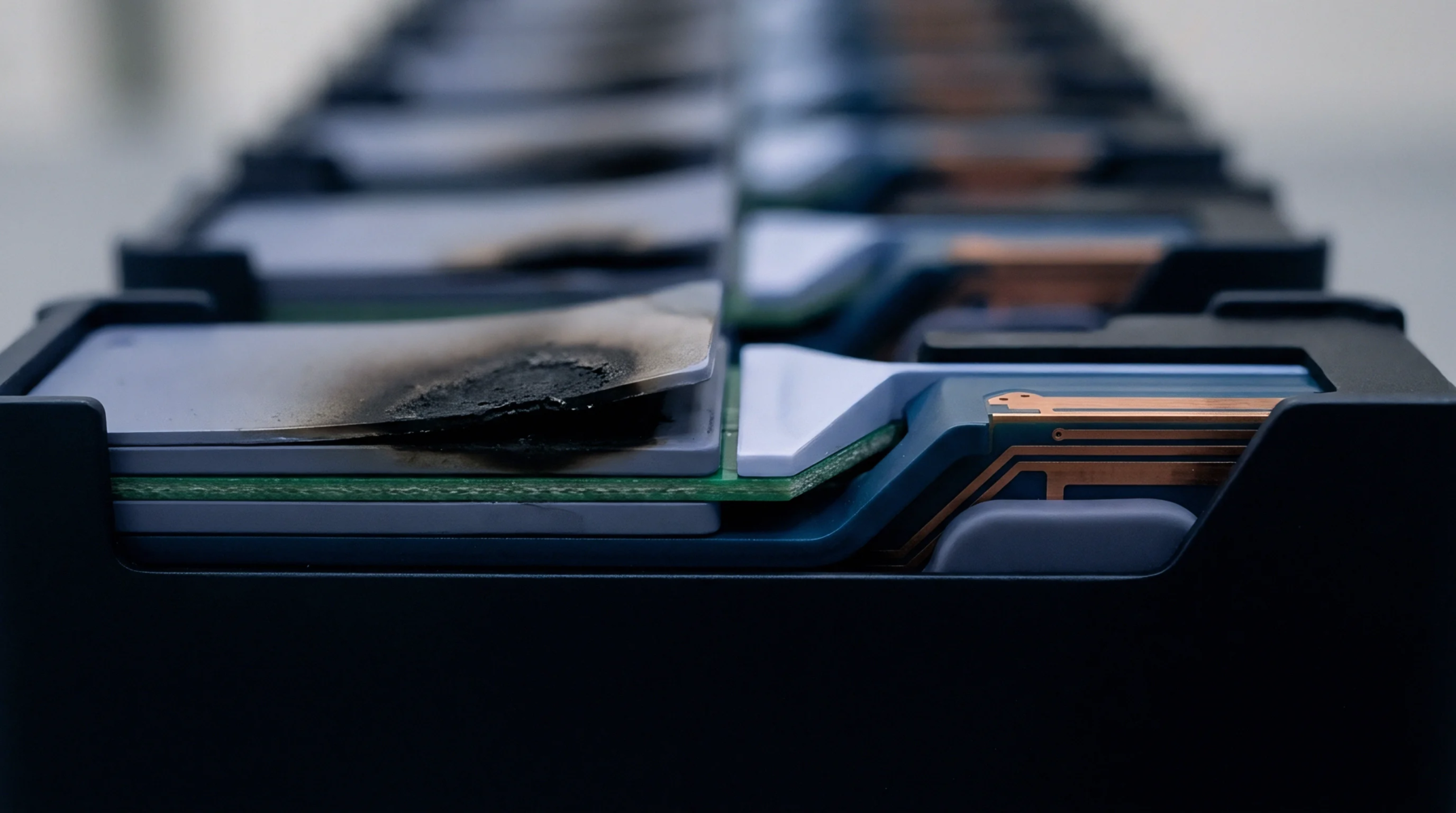
A unified radio test plan executed in accredited chambers minimizes duplicate scans, reduces retest risks, and opens multi-market regulatory approval streams.
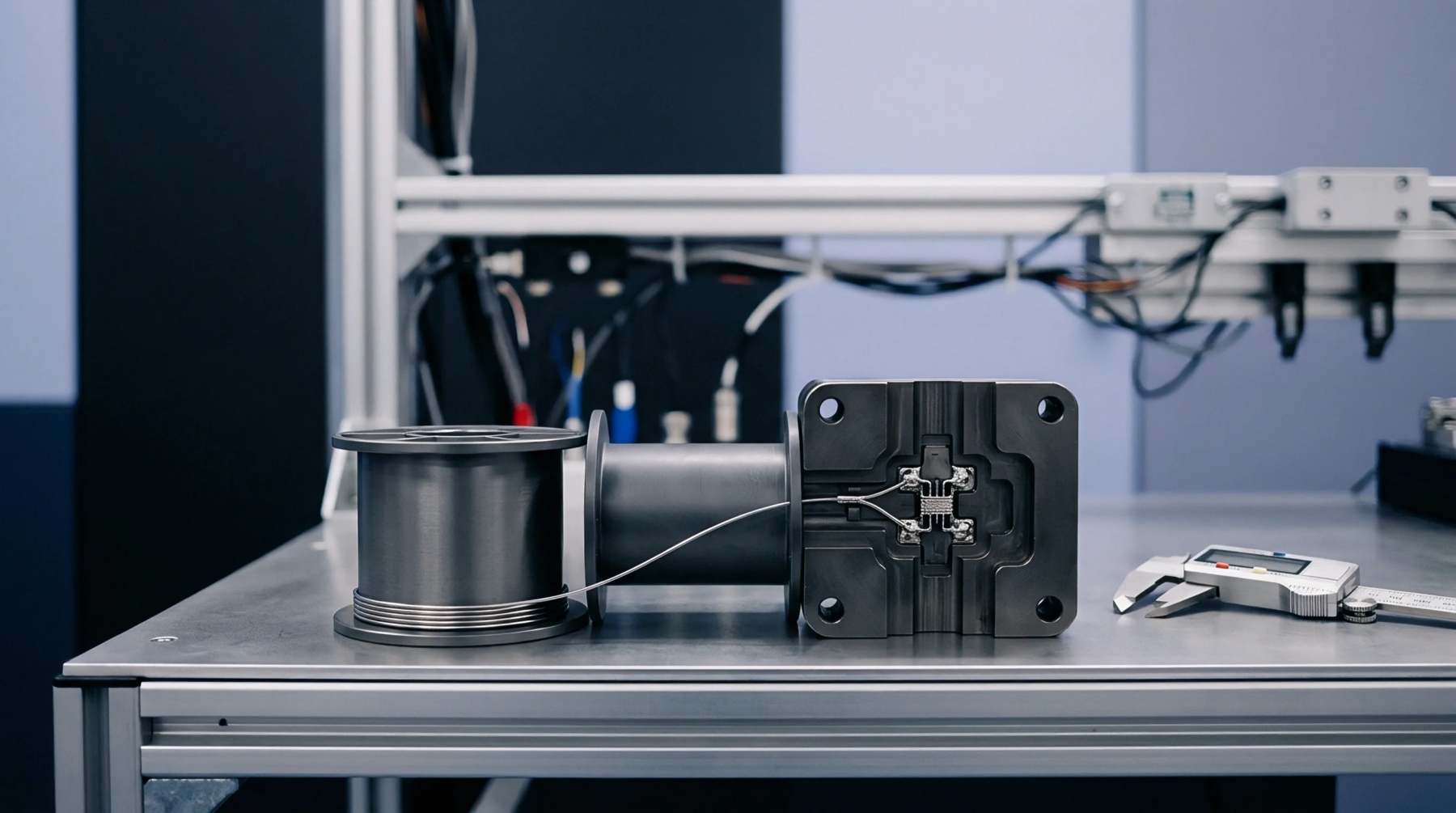
Harmonizing millimeter-wave power density approvals requires calibrating dual-plane near-field scans to regional spatial averaging rules and uncertainty budgets.
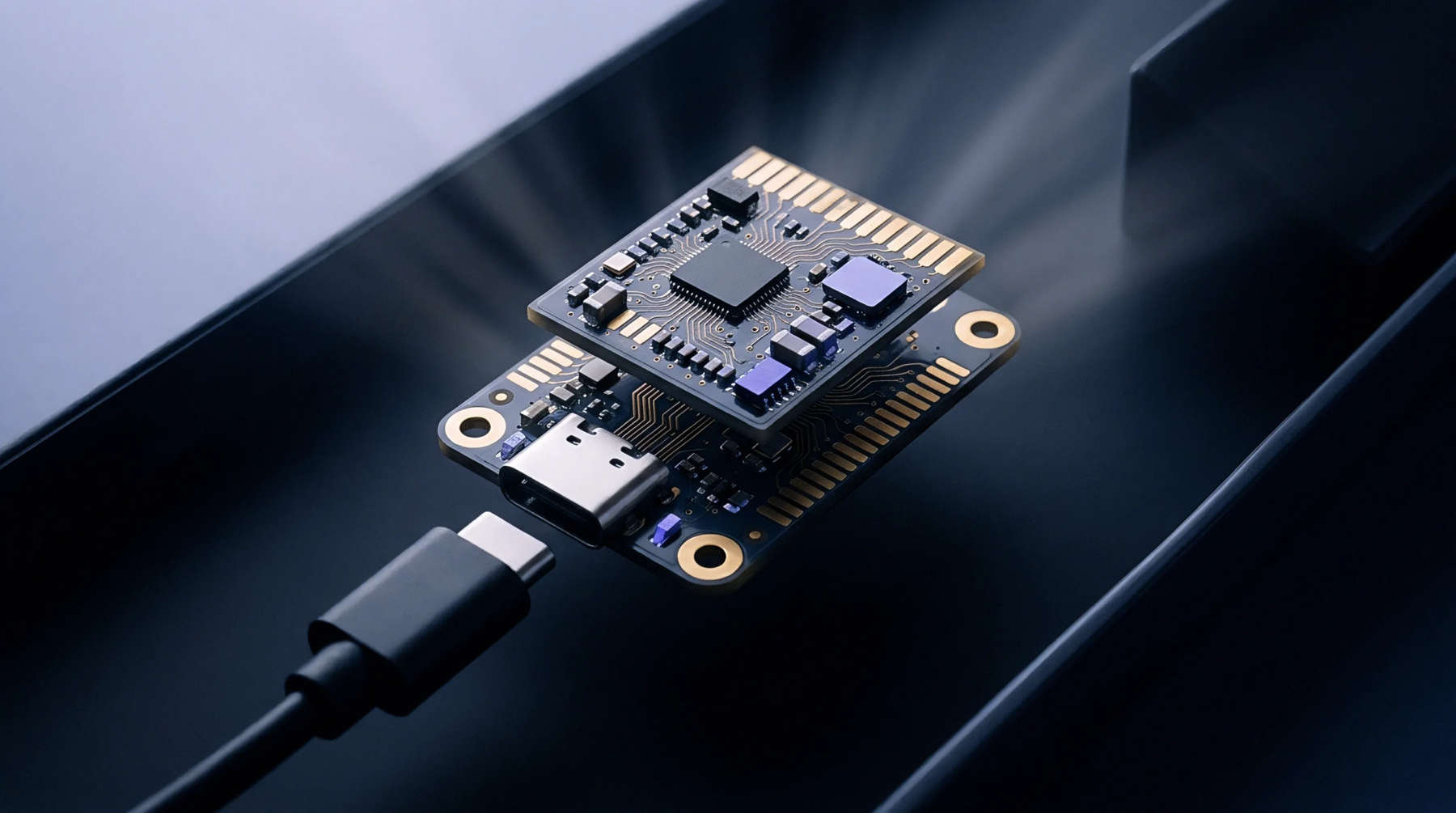
Auditing ISO IEC 17025 test reports against active laboratory scope schedules prevents expensive certification rejections and product market holds.

Dielectric alterations to certified radio modules alter antenna impedance and radiated emissions, triggering permissive change filings across major global jurisdictions.
E-label menu pathways must reach regulatory marks within three logical steps without specialized codes, SIM cards, or active network connections at border entry.

Customs clearance holds triggered by modular grant scope mismatches resolve through power table realignment, permissive filings, or amended import paperwork.

RRA compliance demands exact technical track matching, accredited RF and EMC testing, local representative holdings, and correct KC mark layout.
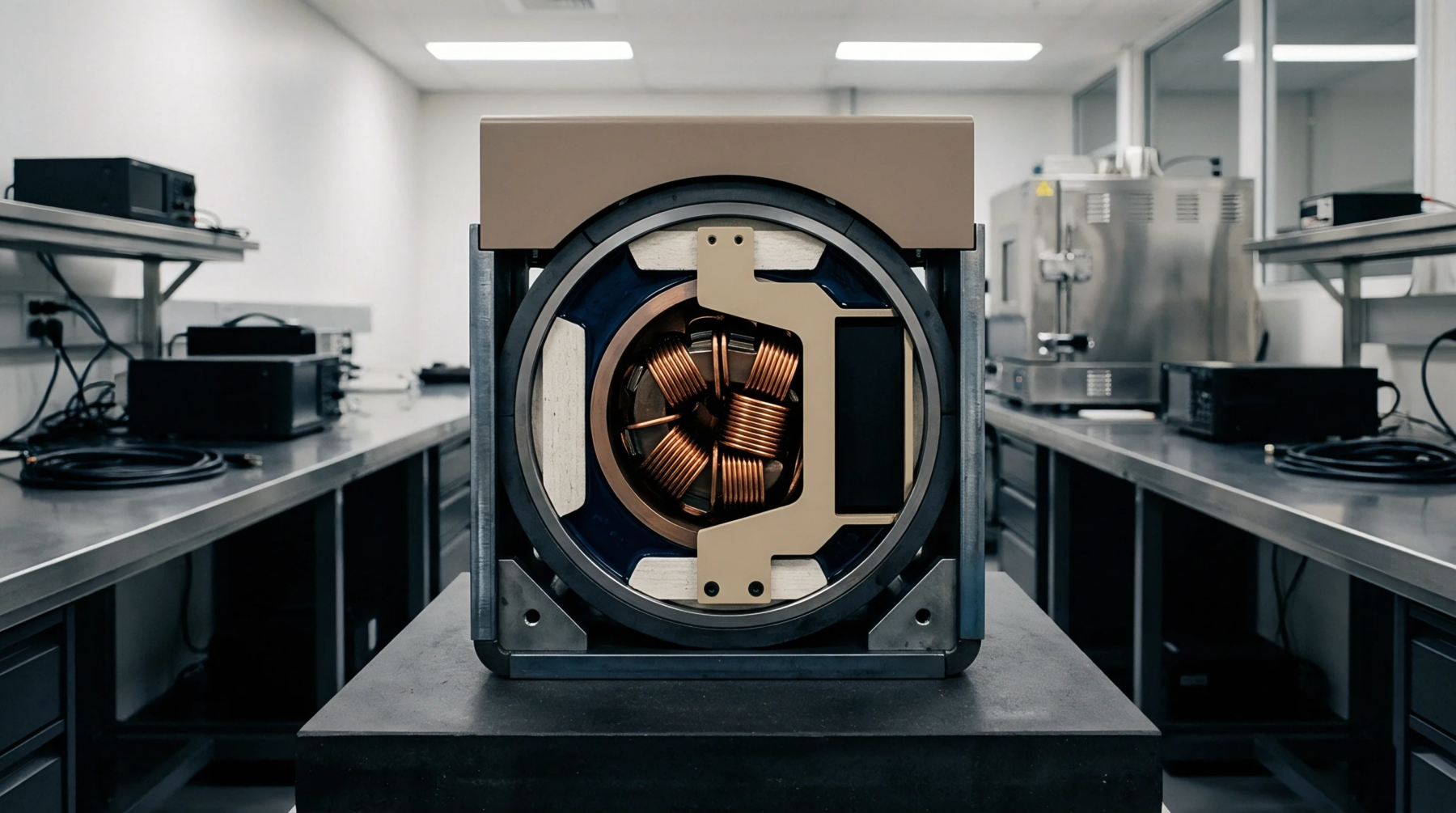
Host level pre scan verification systematically isolates host radiated spurious noise before accredited certification testing to prevent market entry delays.
Expertise is a utility, not a secret. sentiention™ publishes its working knowledge as open reference: intelligence layer covering the materials it sources, the markets it enters, and the reference that serves both.