Meaning
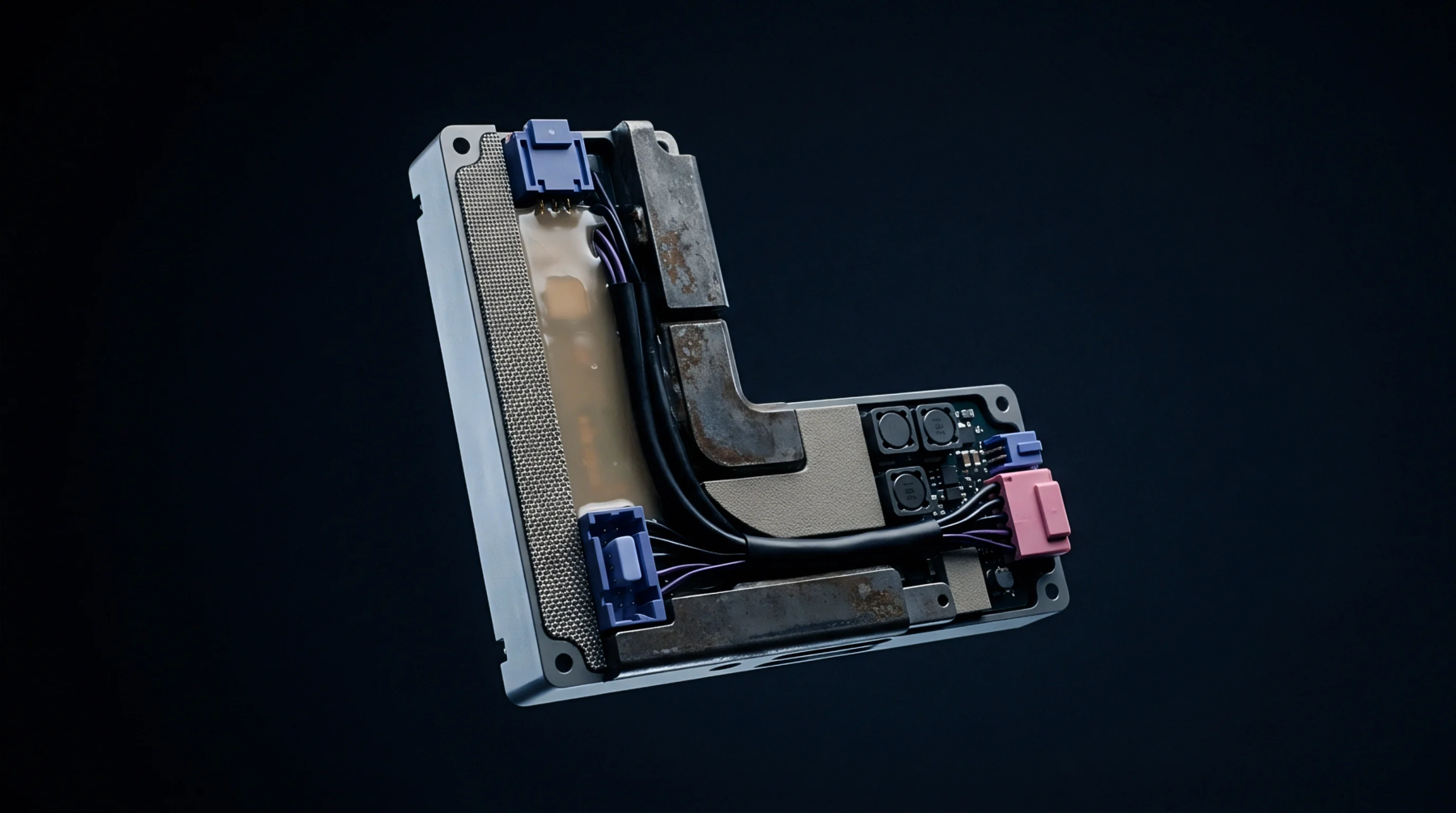
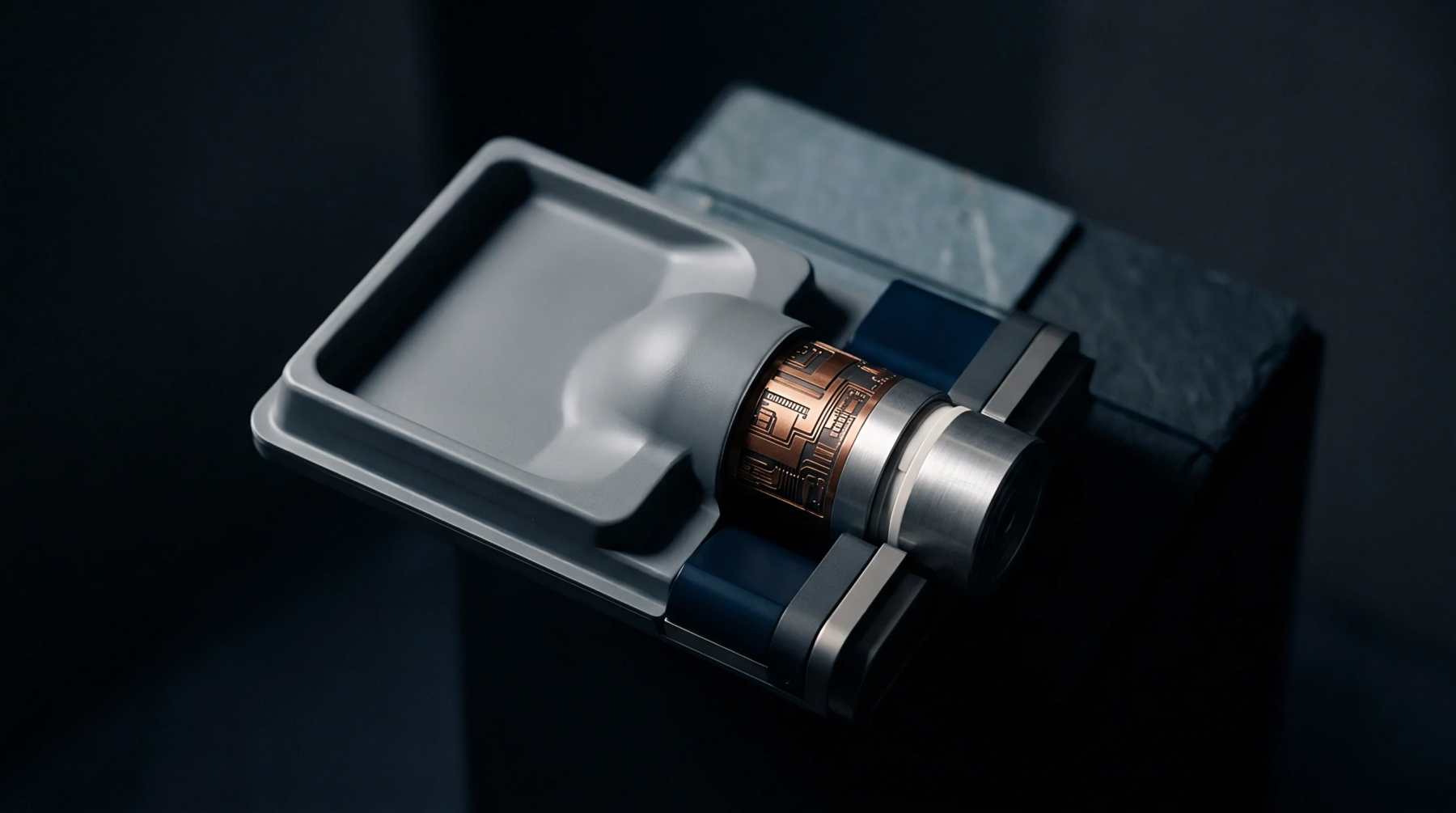
A nicolson ross weir is a calibration standard defining the physical profile of an optical obstruction within a microwave guide cavity. It governs reflection coefficients and insertion loss tolerances across specific frequency bands up to the millimeter wave boundary, stopping short of active semiconductor device ratings. Engineers use this reference geometry during vector network analyzer calibration to remove fixture errors before production testing begins.
Thermal Variance
Mechanical expansion changes cavity dimensions when ambient temperature rises inside sealed enclosures. Such shifts alter propagation delays across the assembly, forcing test systems to compensate through firmware correction tables. Designers evaluate these dimensional tolerances during environmental stress screening to prevent high frequency signal degradation.
Metal selection determines how predictably the structure responds to operational heat loads generated by adjacent power amplifiers.
Interface Tolerance
Manufacturing precision dictates whether mating waveguide flanges maintain electrical contact without air gaps. Surface roughness parameters limit high order mode excitation at the bolted junction between discrete radio modules. Quality inspectors measure microinch deviations using laser interferometry before issuing the final inspection report for shipment.
Small alignment errors introduce unwanted reactive impedance spikes that invalidate prior calibration runs.
Regulatory Compliance
Official testing laboratories verify electromagnetic compatibility by passing standardized test signals through the assembled fixture. Production lots undergo sample auditing to confirm that dimensional drift remains within acceptable manufacturing limits over time. Defective components fail the final factory acceptance test and return to the machine shop for rework.
Field failures trigger engineering change notices that update the primary CAD drawings for subsequent production runs.