Meaning
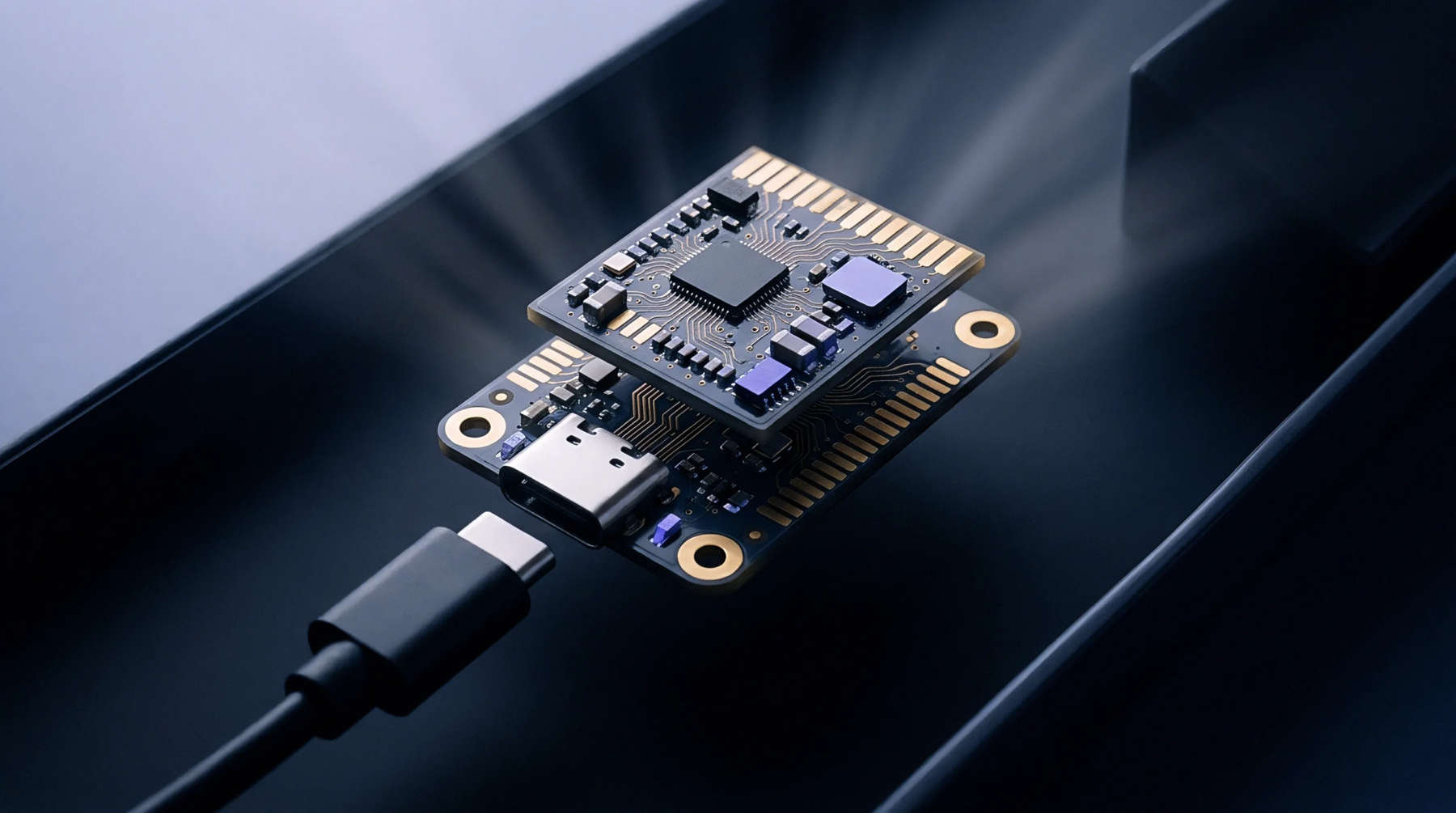
Synthetic fluoropolymers consisting entirely of carbon and fluorine provide the lowest dielectric loss of any solid plastic material used in electronics. This substance known as polytetrafluoroethylene is the preferred substrate for high frequency circuit boards and coaxial cable insulation. Its non-polar nature prevents it from interacting with electromagnetic fields, which allows signals to pass through with almost no attenuation.
Dielectric Constant
The value for this material remains remarkably stable at around 2.1 across a wide range of frequencies and temperatures. Because polytetrafluoroethylene does not change its electrical properties, it is ideal for precision filters and resonators that must stay on frequency. Manufacturers often add glass fibers or ceramic fillers to the resin to improve its mechanical rigidity without sacrificing too much of its electrical performance.
Chemical Resistance
Inertness to almost all industrial solvents and acids makes this polymer suitable for use in harsh industrial environments. Components made from polytetrafluoroethylene do not degrade when exposed to fuels, oils, cleaning agents, and reactive gases. This durability ensures that the insulation around a wire or inside a connector will last for decades without cracking.
Thermal Management
High melting points allow the material to withstand the heat of soldering and the operating temperatures of high power transmitters. Although polytetrafluoroethylene is a poor conductor of heat, its ability to remain stable at over two hundred degrees Celsius is a notable advantage. Specialized grades are used in aerospace applications where the environment fluctuates between extreme cold and intense heat.