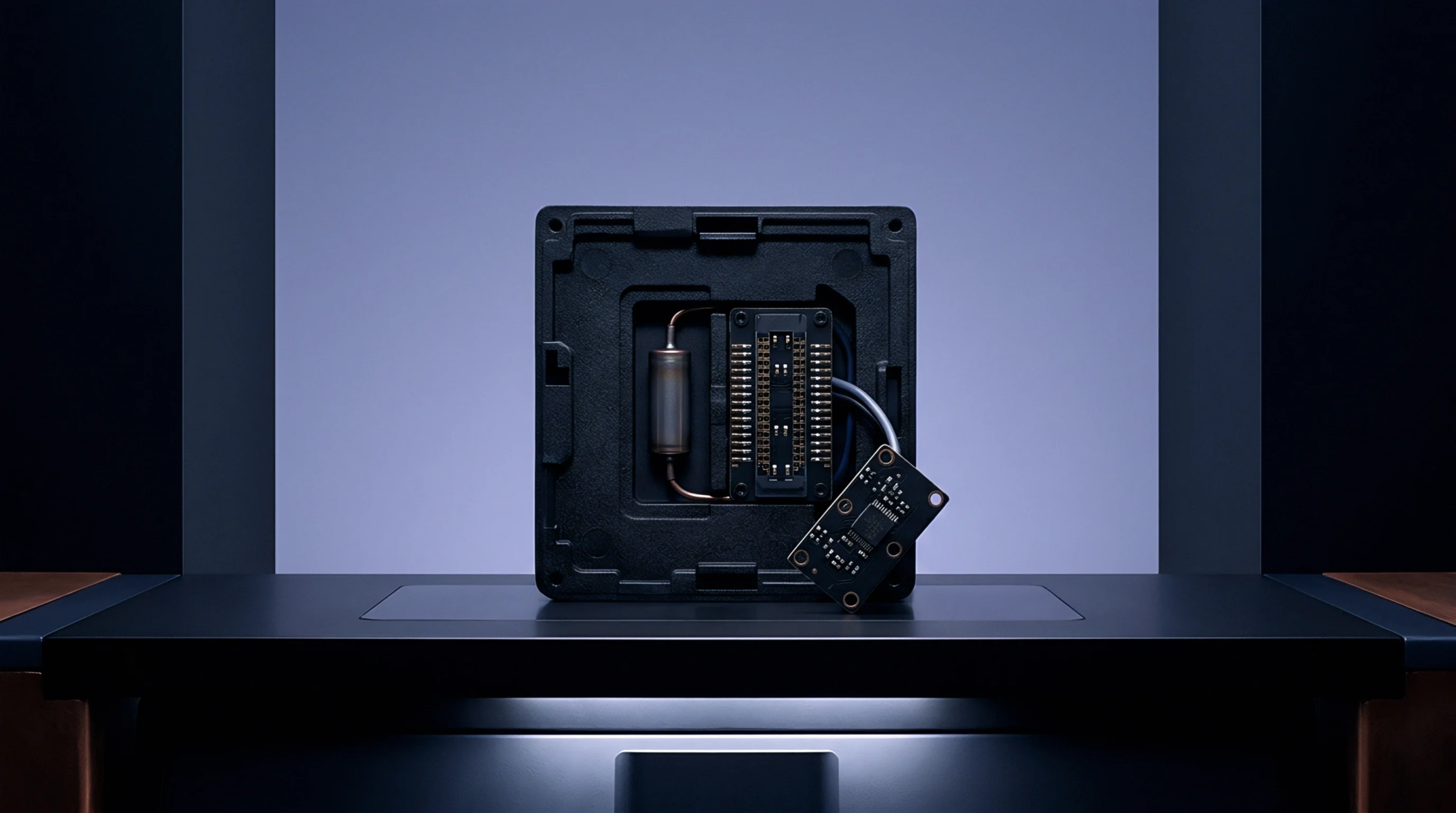
Evaluating Firmware Ownership Escrow Rights and Landed Cost Arithmetic
Firmware ownership and escrow verification define true hardware landed cost by hedging against vendor lock-in, forced board respins, and unmaintainable binaries.
Firmware ownership and escrow verification define true hardware landed cost by hedging against vendor lock-in, forced board respins, and unmaintainable binaries.
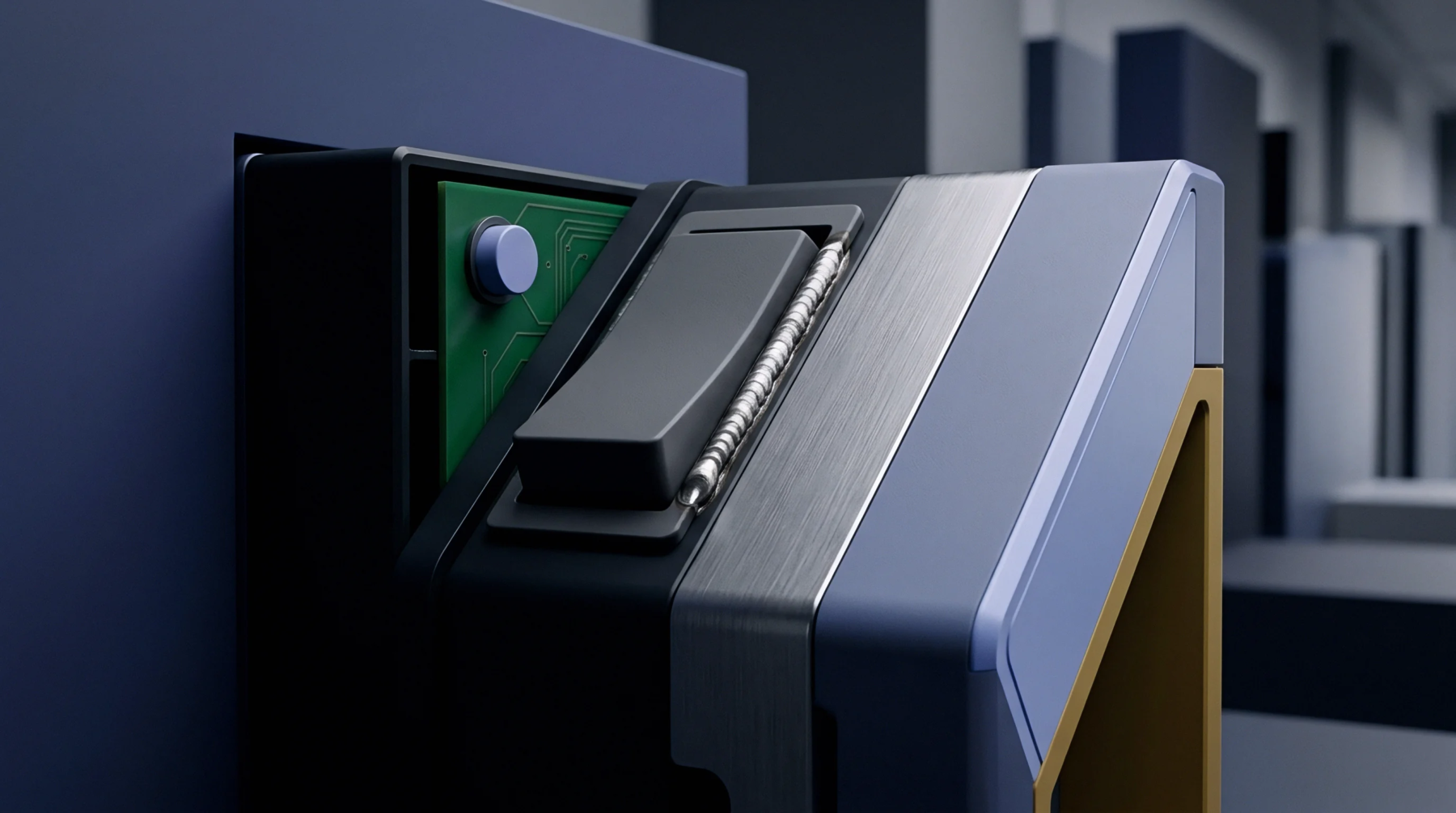
A contract firmware escrow deposit succeeds only when an air-gapped clean-room container compiles source code into a bit-for-bit identical binary match.
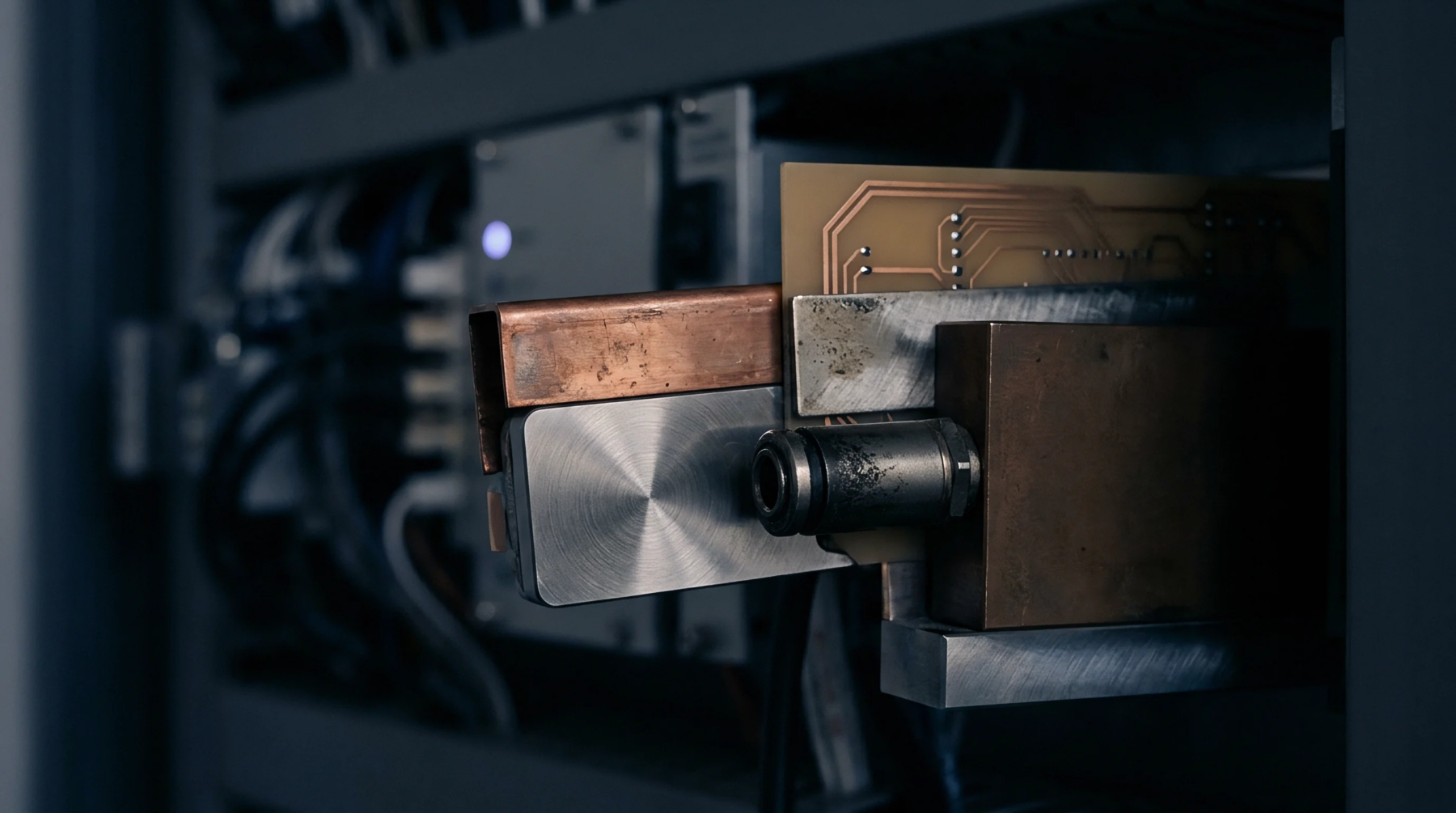
Allocate multi-vendor integration risk by contractually defining register-level silicon errata boundaries and capping software workaround engineering expenses.
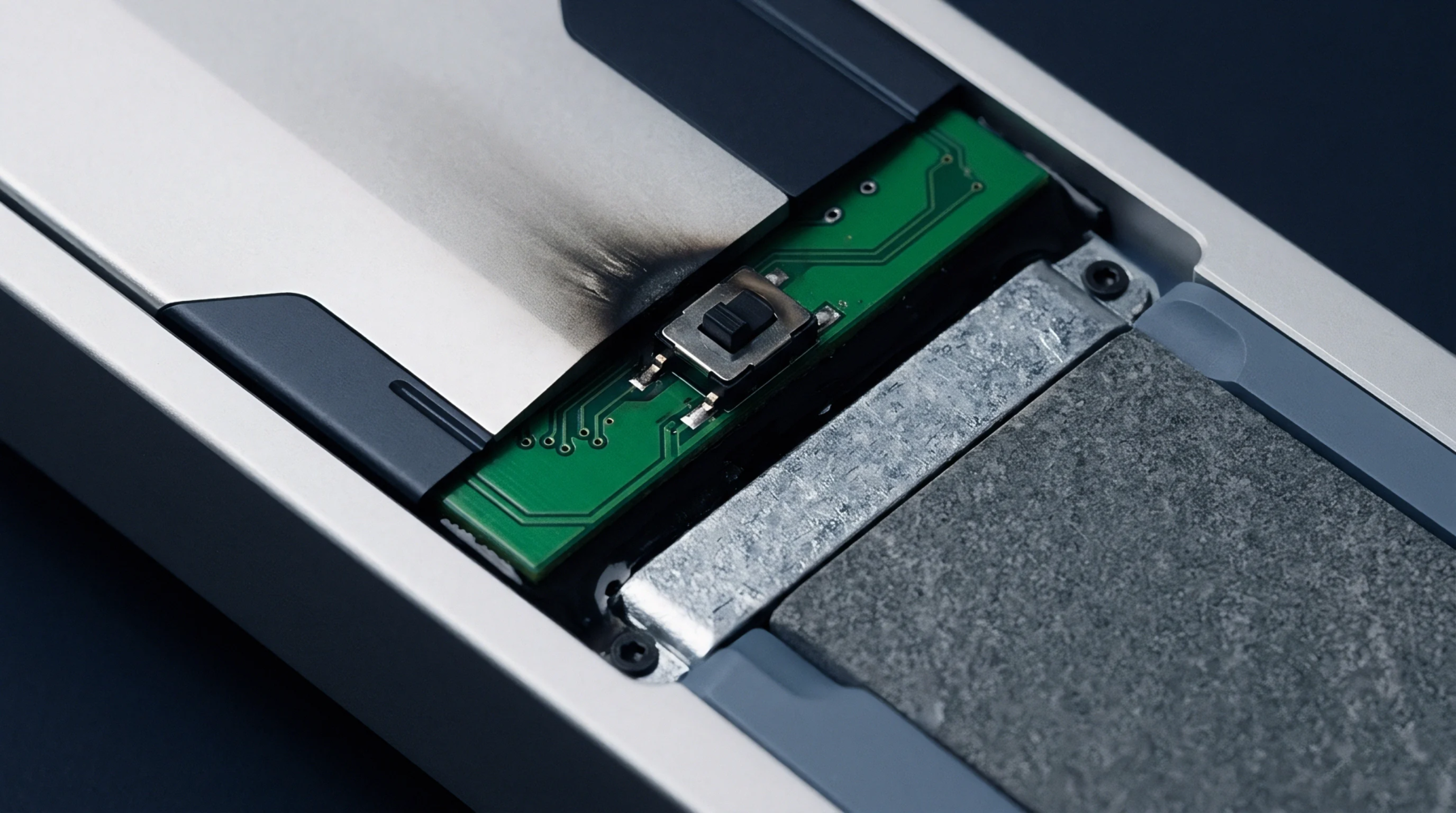
Latent defect recovery requires proving pre-handover physical origin via failure analysis and breaching liability caps via explicit epidemic carve-out terms.
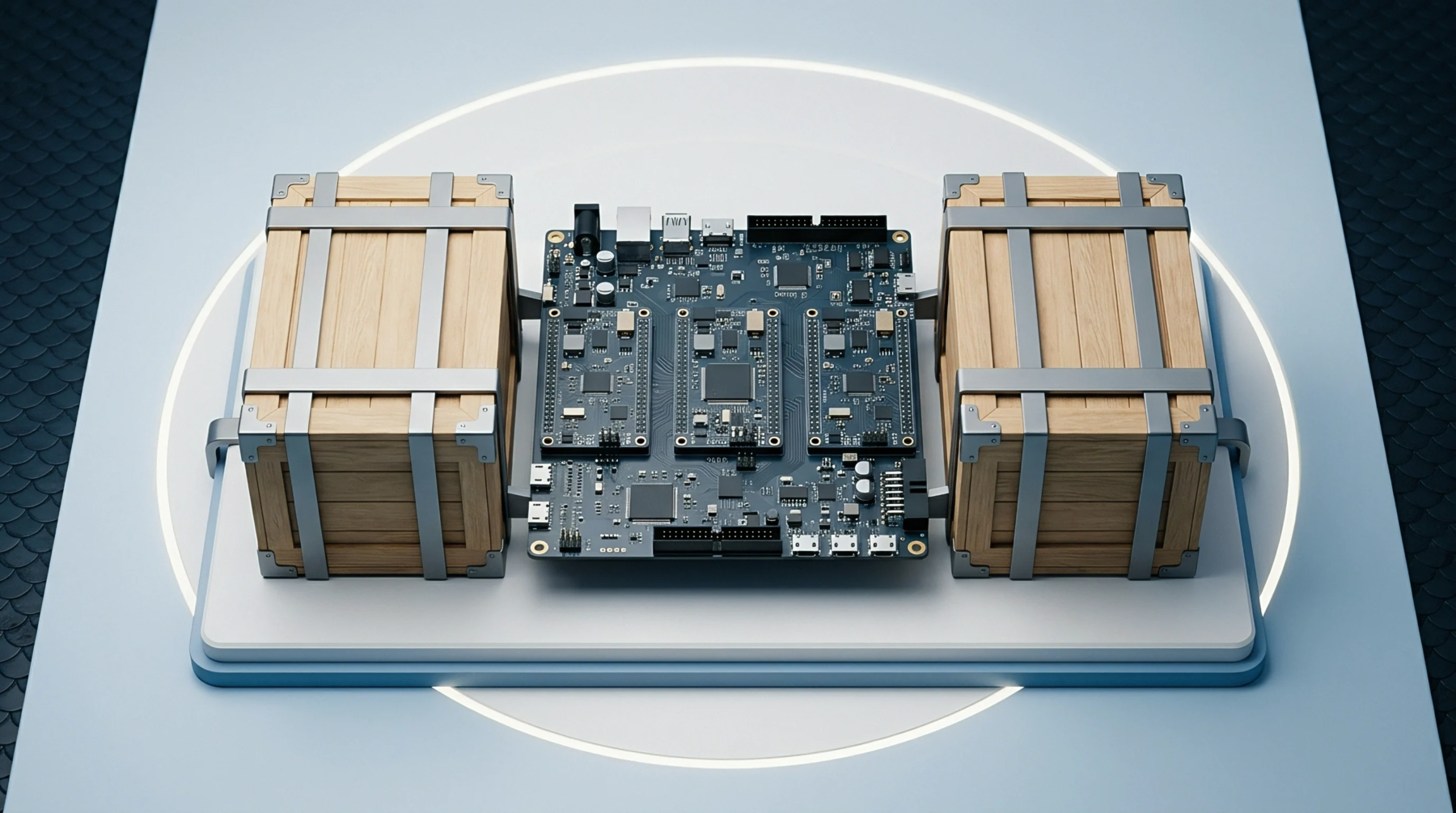
Reconciling Git commits with DEMPE requires branch protection, cryptographic principal review signatures, and automated test telemetry matching legal contracts.
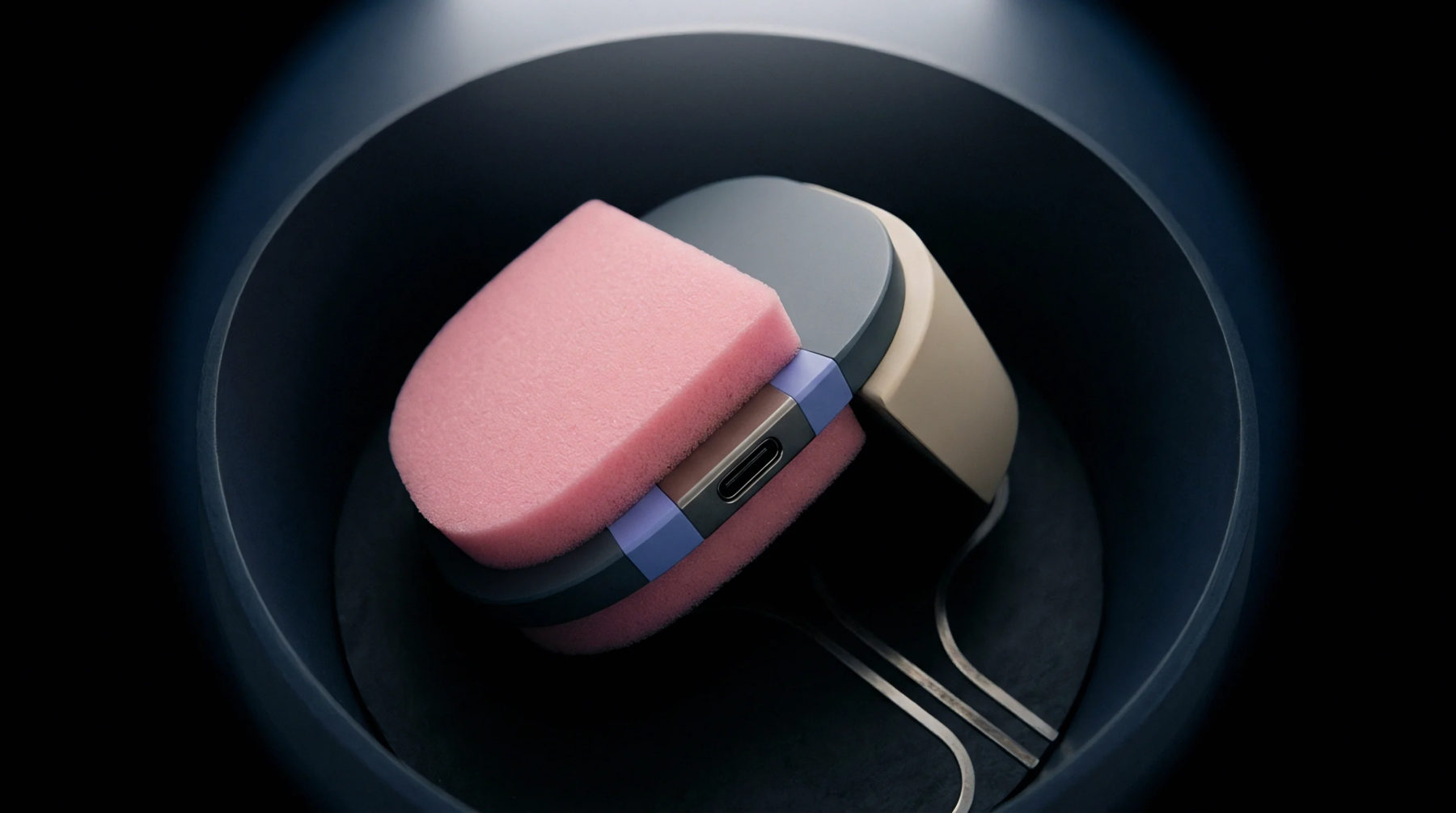
Hermetic build container escrow guarantees bit-for-bit firmware reproducibility and independent hardware maintenance across extended production lifecycles.

Decouple proprietary firmware via hardware abstraction layers while tying silicon stepping liabilities directly to unescrowed supply agreements.

Verify semicustom hardware deliverables using native CAD source files, containerized build environments, and physical bench test jigs before milestone sign-off.

Dual-sourced baseband register drift requires low-level polling drivers and contractual ninety-day change notification clauses to eliminate silent field lockups.

Managing firmware escrow and design transfers requires verified deterministic toolchains, complete EDA files, and factory test fixture documentation.
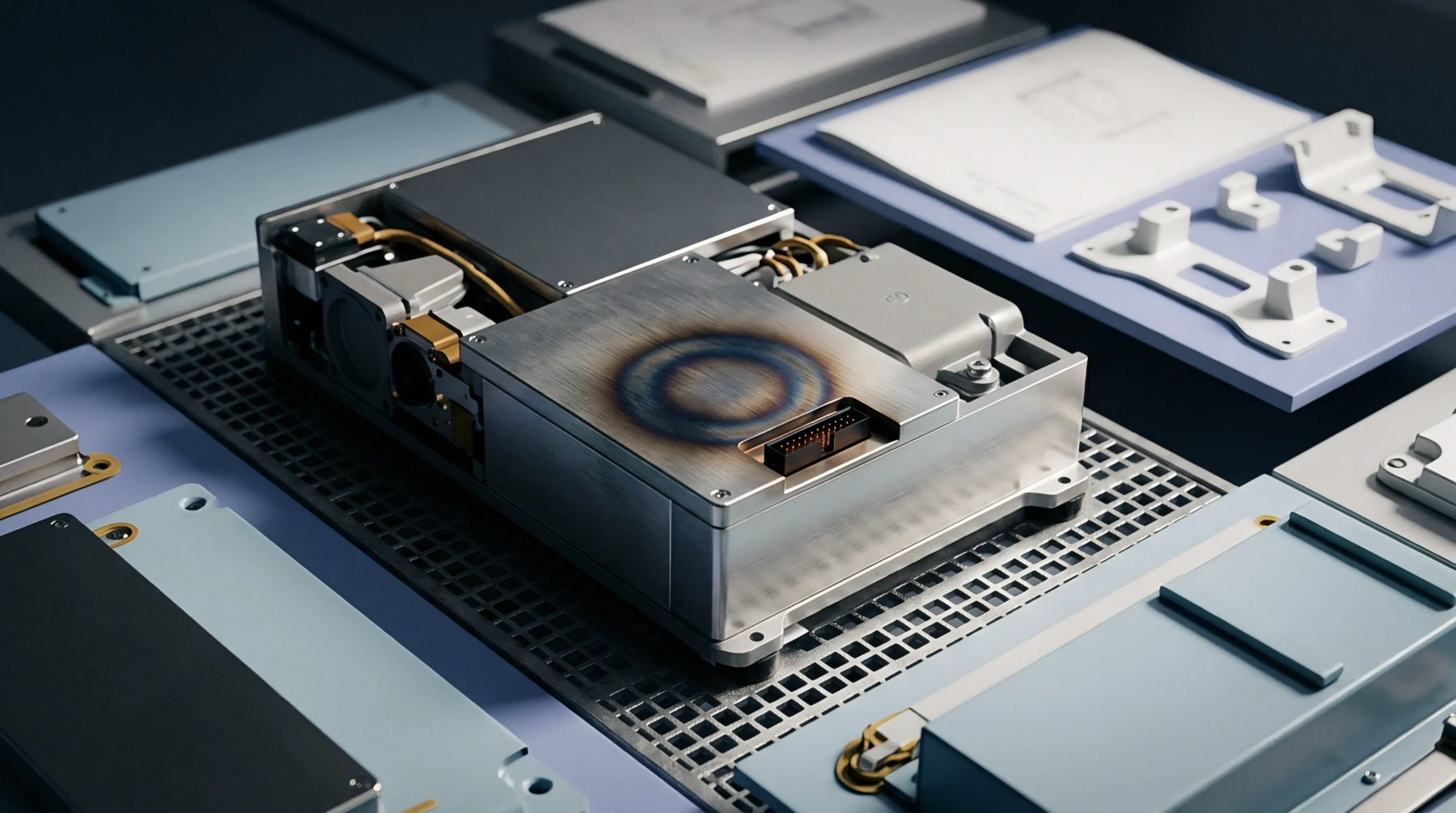
Clear intellectual property boundaries require explicit deliverable specifications for raw CAD source files, firmware build scripts, and test fixture designs.
Asset valuation baselines for electronics design transfers require native ECAD databases, uncompiled firmware source trees, and audited factory test tooling.

Secondary sourcing succeeds when firmware build containerization, bit-for-bit escrow verification, and explicit mold shot-life accounting precede tool transfer.

Verifying native CAD and firmware source files during design transfer prevents unlinked components, build failures, and costly manufacturing delays.
Expertise is a utility, not a secret. sentiention™ publishes its working knowledge as open reference: intelligence layer covering the materials it sources, the markets it enters, and the reference that serves both.