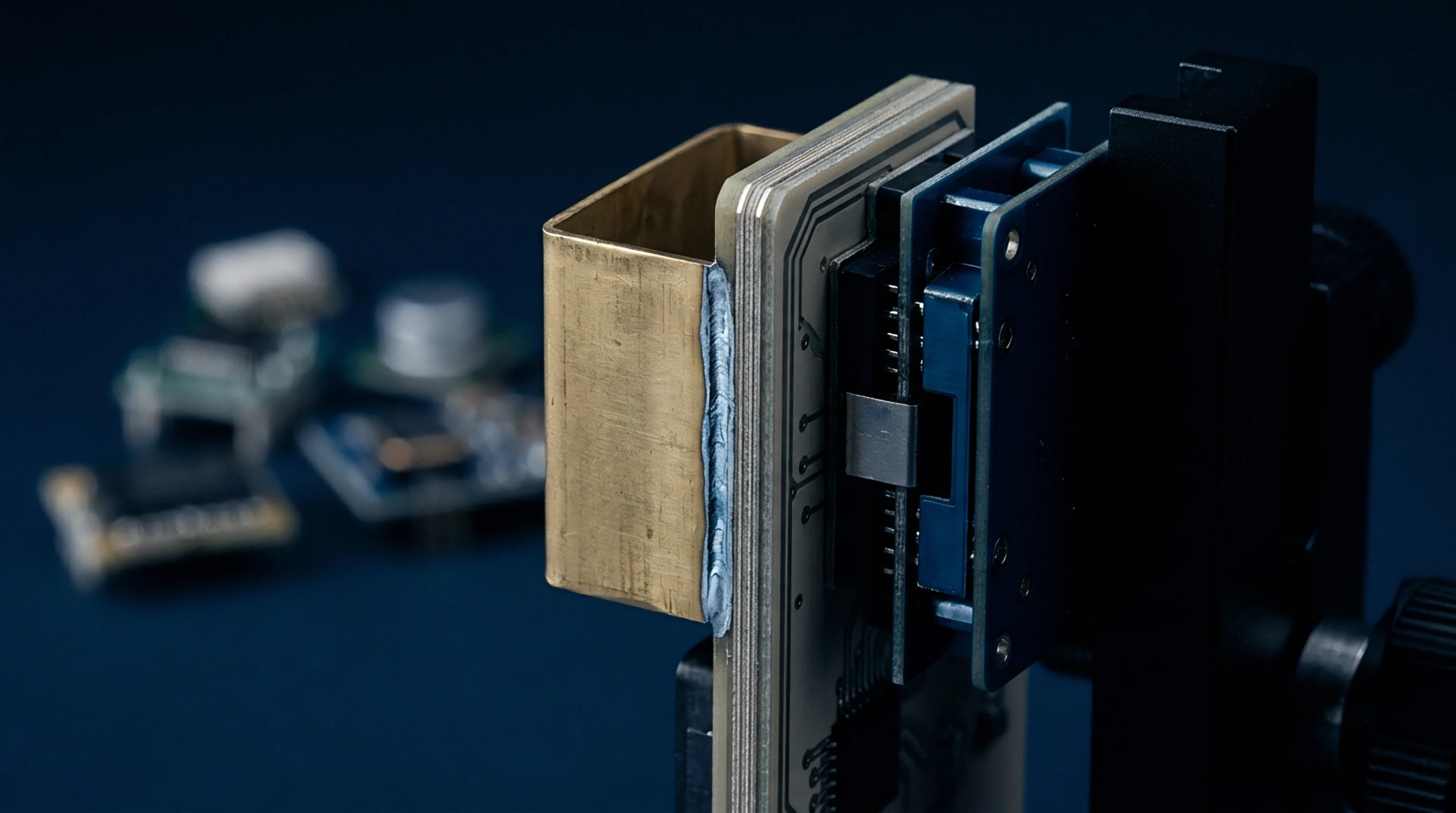
Buying a Ready Module against Building a Custom One
Selecting between ready modules and custom builds requires balancing upfront non-recurring costs and regulatory testing against long-term serial unit margins.
Selecting between ready modules and custom builds requires balancing upfront non-recurring costs and regulatory testing against long-term serial unit margins.

Second-sourcing a semi-custom module two years post-launch demands complete native CAD source files, uncompiled firmware, and validated factory test jigs.

Unbundling hidden engineering hours from unit quotations exposes true manufacturing costs, restores IP ownership, and prevents locked-in margin erosion.

Factory unit quotes bury design, test jig, and maintenance hours in piece prices, requiring unbundled SOW line items to isolate engineering labor and IP rights.

Turnkey module software maintenance requires explicit tier allocations, build container preservation, and formal errata liability boundaries in supply contracts.
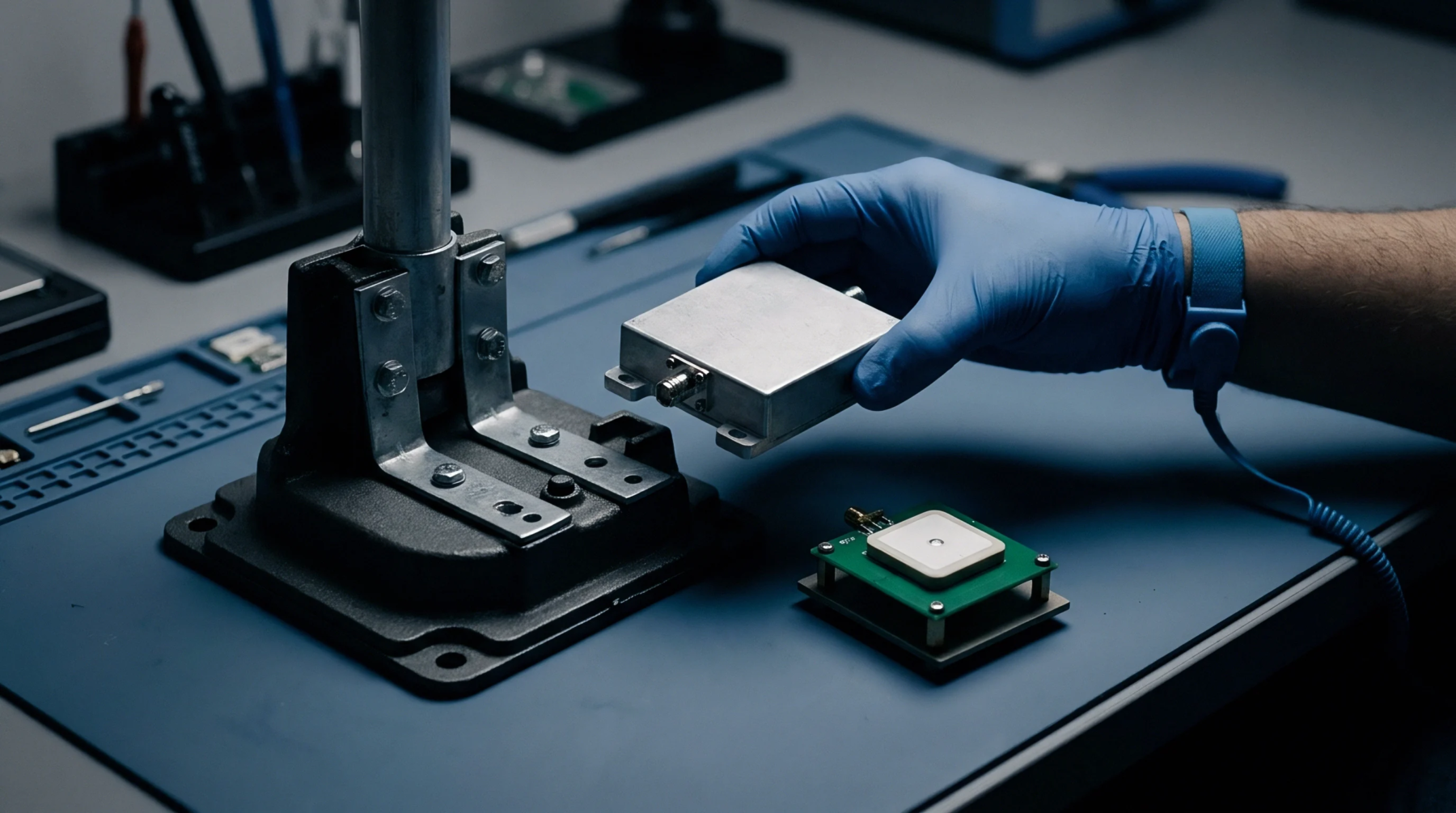
Unbundling non-recurring engineering fees from unit prices protects hardware margins and guarantees access to native design databases during manufacturing scale.

Evaluating source file completeness and build environment isolation guarantees secondary production autonomy through verified bit-deterministic firmware compilation.

Resolving unmapped microcontroller errata during dual site handoffs requires signal mapping, containerized builds, and binary symbol escrow.
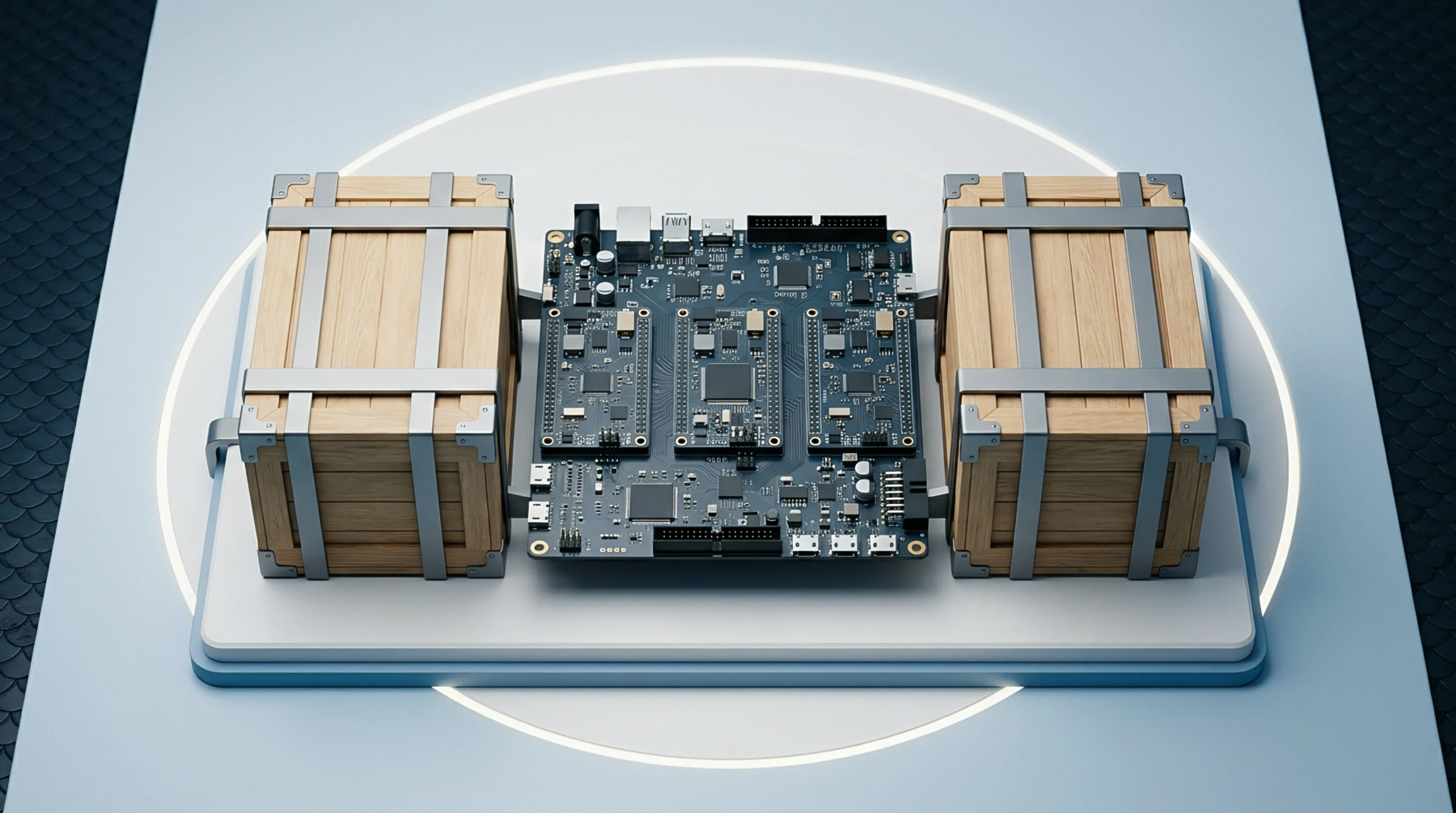
Unbundling NRE from unit pricing via explicit amortization schedules establishes clear buyout terms and secures total ownership of manufacturing design assets.
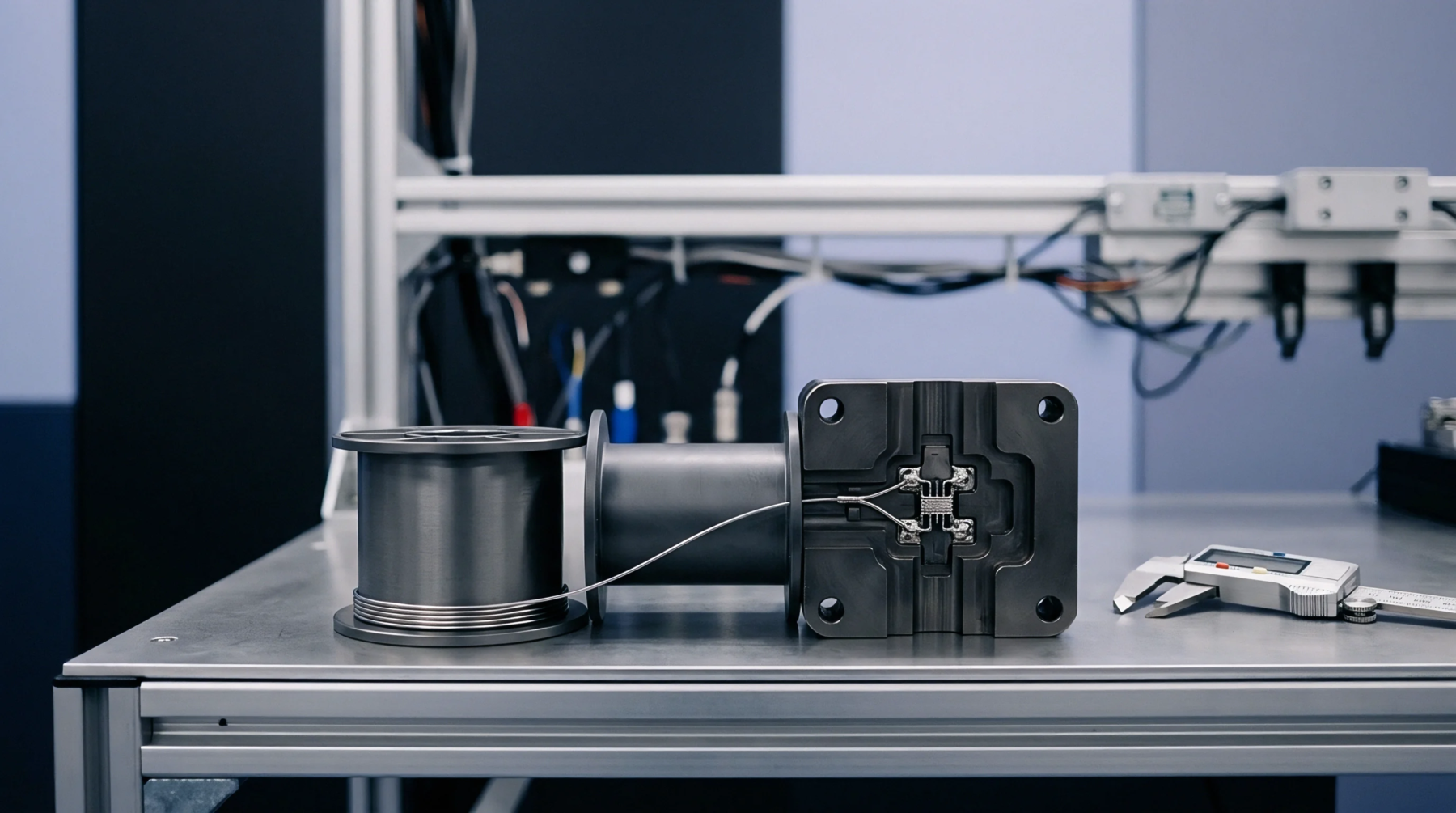
Unbundling firmware drivers and test fixtures requires explicit source repositories, containerized builds, physical CAD files, and audited fixture escrow.

Uncoupling engineering charges from unit component costs prevents perpetual margin penalties and secures design ownership for secondary factory transfers.

Dynamic volume splitting balances supply risk by adjusting dual-hardware manufacturing quotas based on real-time factory yields, quality limits, and tooling amortisation floors.
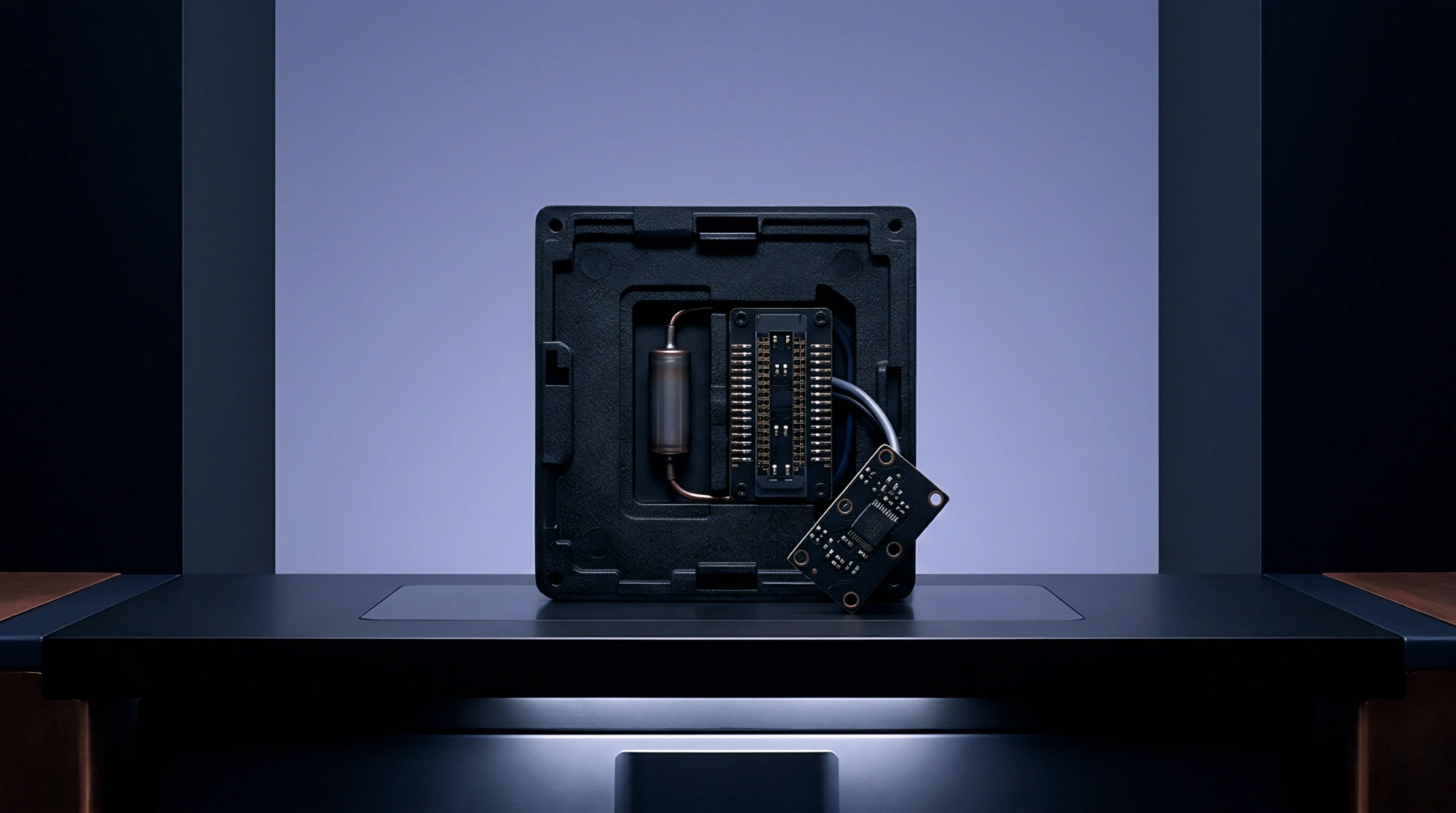
Maintaining transferred firmware repositories requires containerized build environments, physical testing rigs, and explicit SLAs to allocate silicon errata costs.

Module IP management requires defining baseline assets, acquiring raw CAD and containerized build packages, and securing clear derivative assignment.
Unbundling engineering deliverables separates physical component supply from native design files, firmware repositories, and test fixtures, ensuring dual-sourcing rights and transparent landed costs.

Continuous integration firmware escrow verification relies on deterministic build containers and automated physical test vector benches to resolve synchronization disputes.

Dual site binary blob integration relies on deterministic checksum gating, synchronized flash partition maps, and hardware security module key isolation across lines.

Decoupling engineering scope from bill of materials costs requires upfront NRE milestone gates, open-book component auditing, and native file handovers.
Firmware escrow succeeds only when deposits include containerized toolchains, signing keys, and test scripts verified by automated clean-room compilation audits.
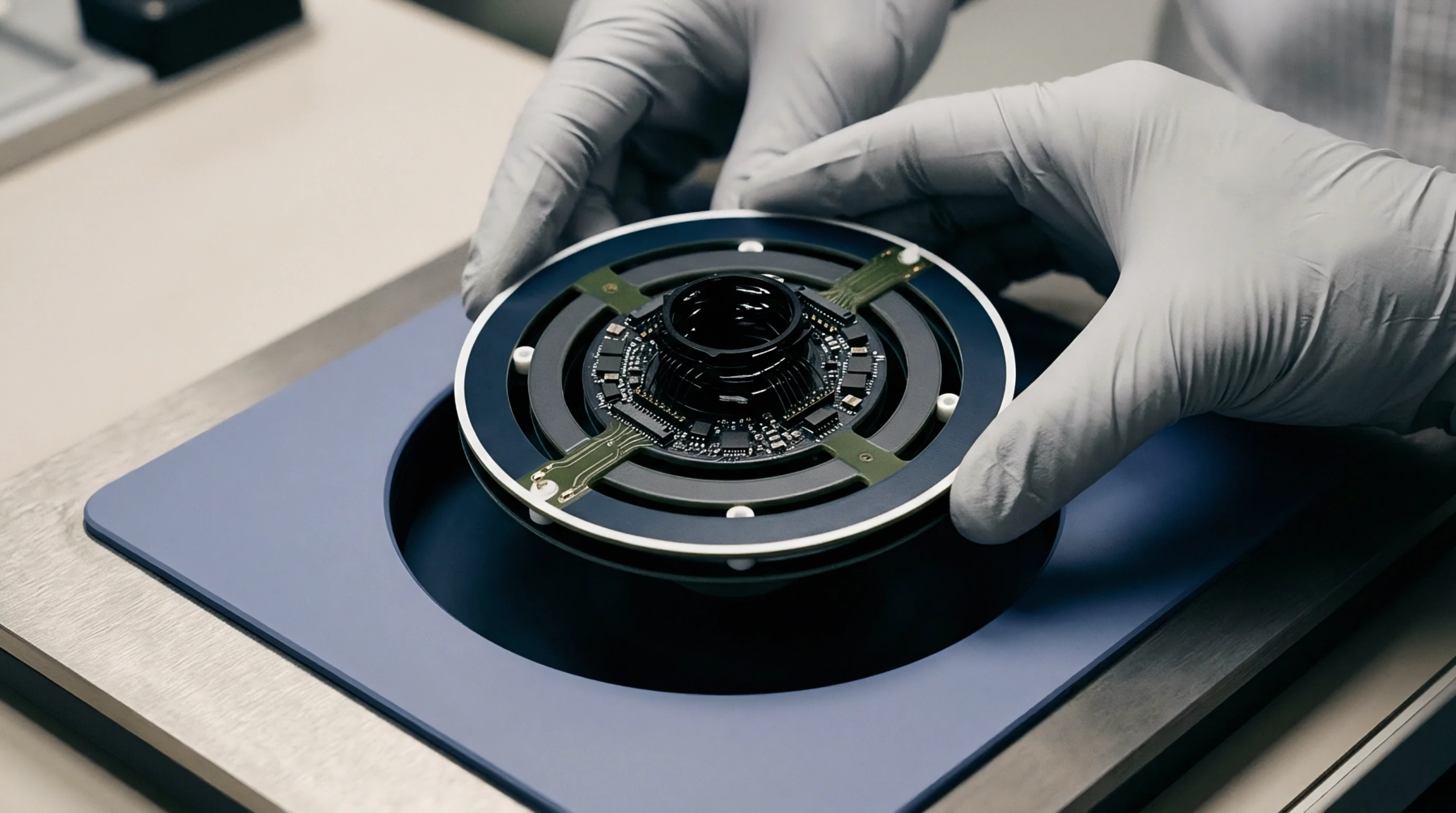
White-label products sold by competitors share baseline hardware, exposing both brands to identical silicon errata, component supply shocks, and vendor lock-in.

Escrowing firmware source and register maps protects OEM production lines when unannounced silicon revisions break turnkey module driver compatibility.

Effective module sourcing requires explicit contractual boundaries defining design dossier ownership, firmware source access, and clear NRE amortization terms.

Decoupling firmware drivers via abstraction layers eliminates register-level vendor lock-in during secondary hardware design transfers.
Firmware source ownership in dual-factory transfers relies on unbundled NRE terms, containerized build environments, and audited escrow deposits.

Turnkey software baseline maintenance requires containerized toolchains, explicit repository custody, and dedicated NRE pools to survive hardware respins.
Semicustom wireless module break-even hinges on offsetting upfront NRE and regulatory fees against unit BOM savings across yield-adjusted volume thresholds.

Securing firmware source repositories and native EDA CAD files in module procurement demands explicit foreground IP allocation and audited build scripts.
Auditing subcontractor fabrication assets and firmware sources requires clean-room compilation, vector validation, and milestone retainage enforcement.
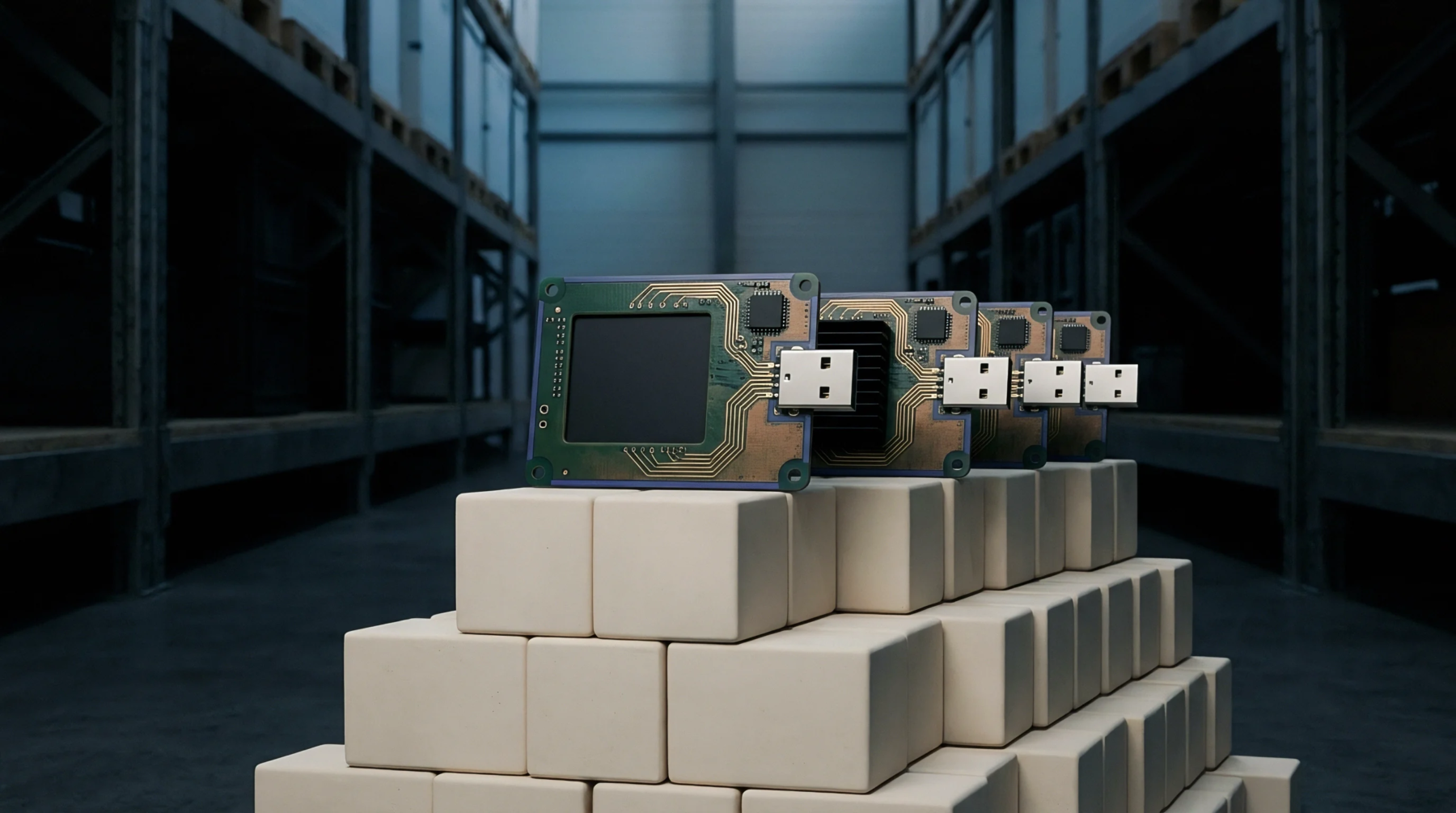
Unbundling module driver source code eliminates vendor lock-in, exposes silicon errata, and guarantees host OS porting control at predictable NRE costs.

Decoupling HAL code requires isolating vendor driver calls behind abstract C interfaces, securing raw source files, and contracting explicit API acceptance tests.
Expertise is a utility, not a secret. sentiention™ publishes its working knowledge as open reference: intelligence layer covering the materials it sources, the markets it enters, and the reference that serves both.