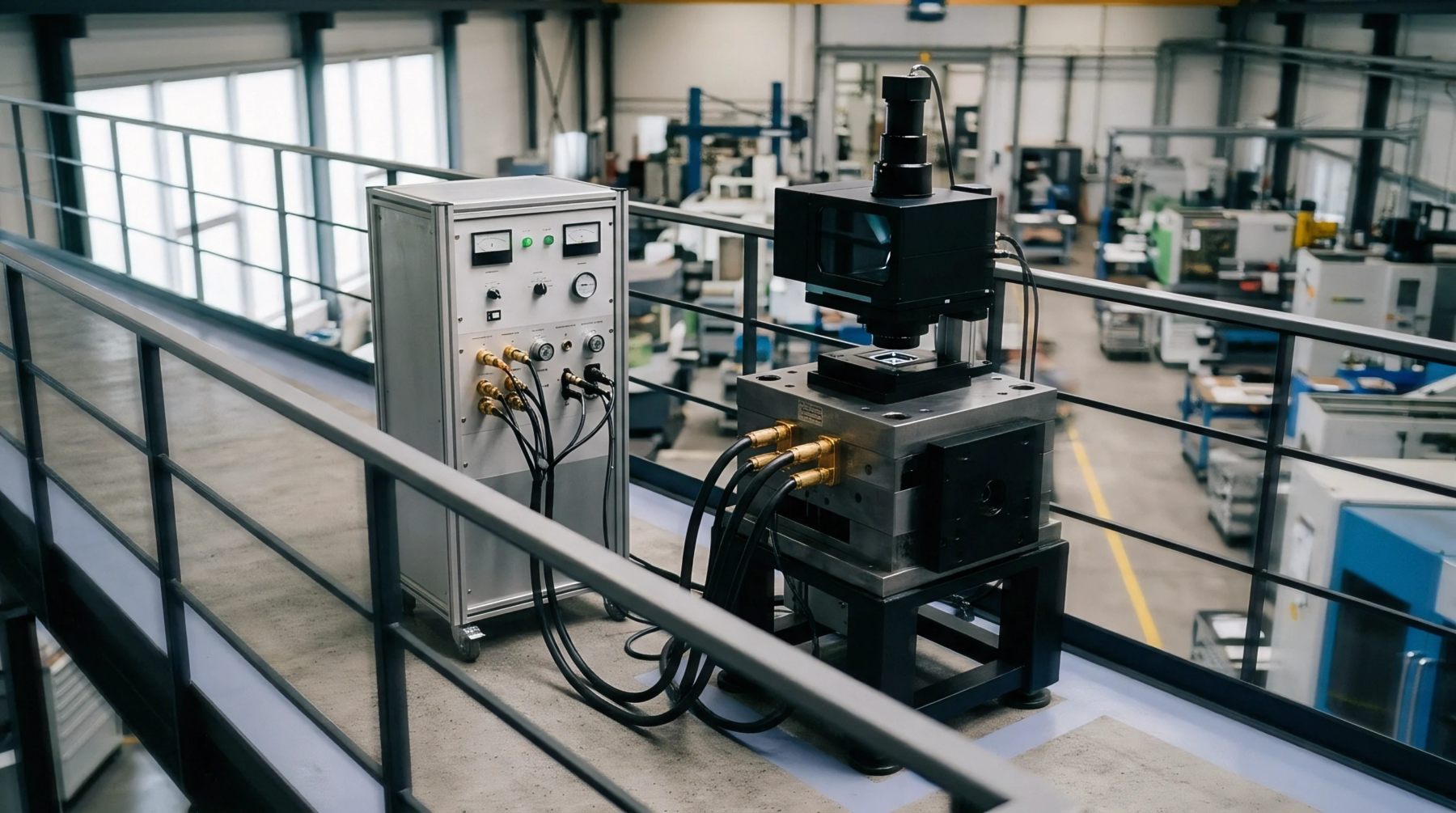
State Machine Execution for Dual Radio Edge Buffer Offload Mechanics
Finite state machine edge buffer offload balances primary high-speed flush links against secondary fallback radios to preserve energy and guarantee telemetry delivery.
Finite state machine edge buffer offload balances primary high-speed flush links against secondary fallback radios to preserve energy and guarantee telemetry delivery.
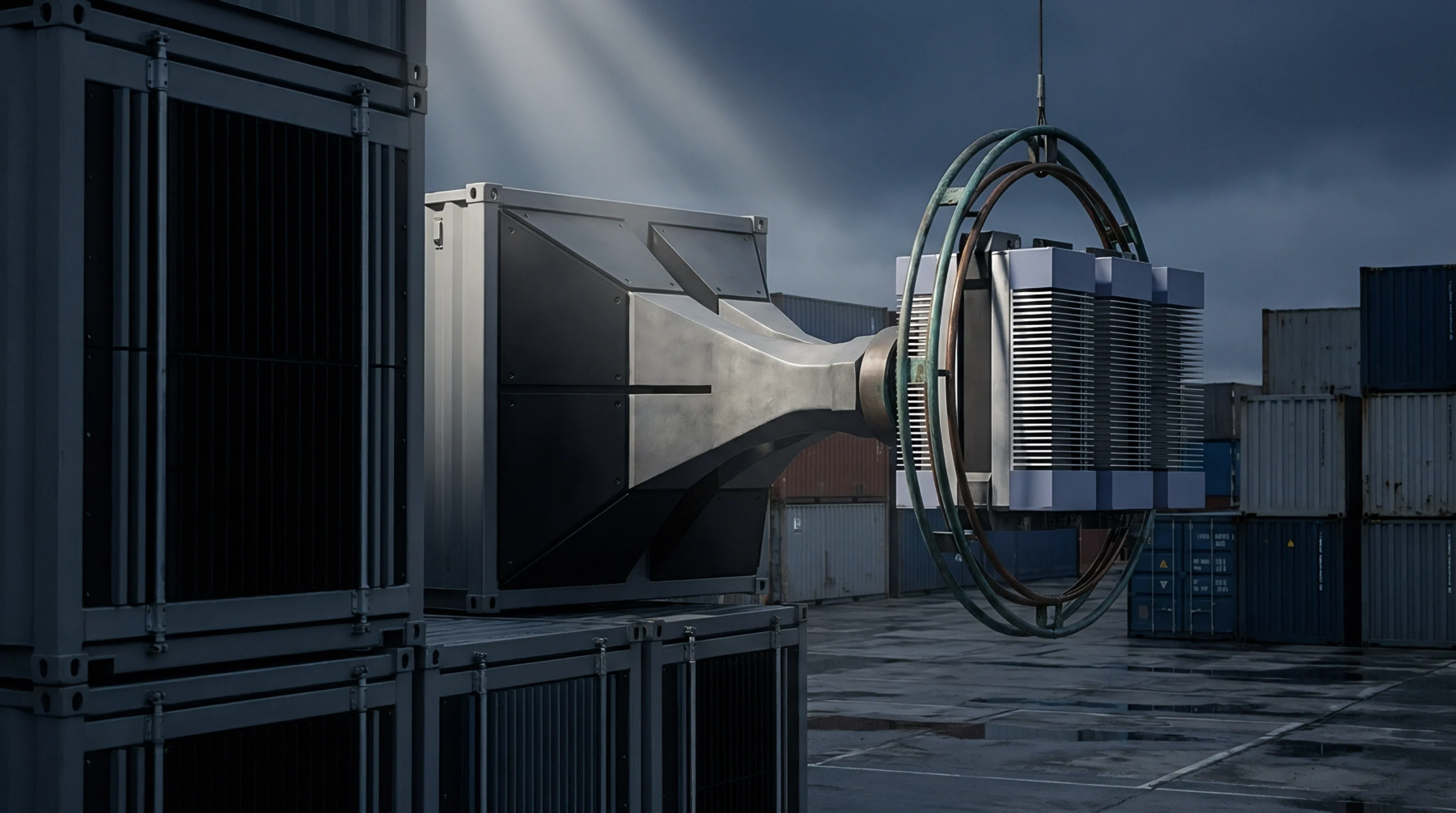
Edge condition monitoring failover relies on SINR-driven triggers and SRAM buffer sizing to prevent packet loss during eSIM remote profile switches.

Hardware arbitration and dual SPI buses prevent edge interrupt contention, saving link margin and battery life in low-power dual-radio edge systems.

Operating mass IoT nodes within legal duty cycle limits demands payload compression, randomized airtime jitter, and automated multi-node sweep audits.

Airtime equations establish exact millisecond RF exposure, enabling firmware token governors to enforce regional regulatory caps and protect battery life.

Regional duty cycle allocations cap sub-GHz industrial transceiver throughput, requiring firmware-enforced airtime tracking or Listen-Before-Talk channel access.
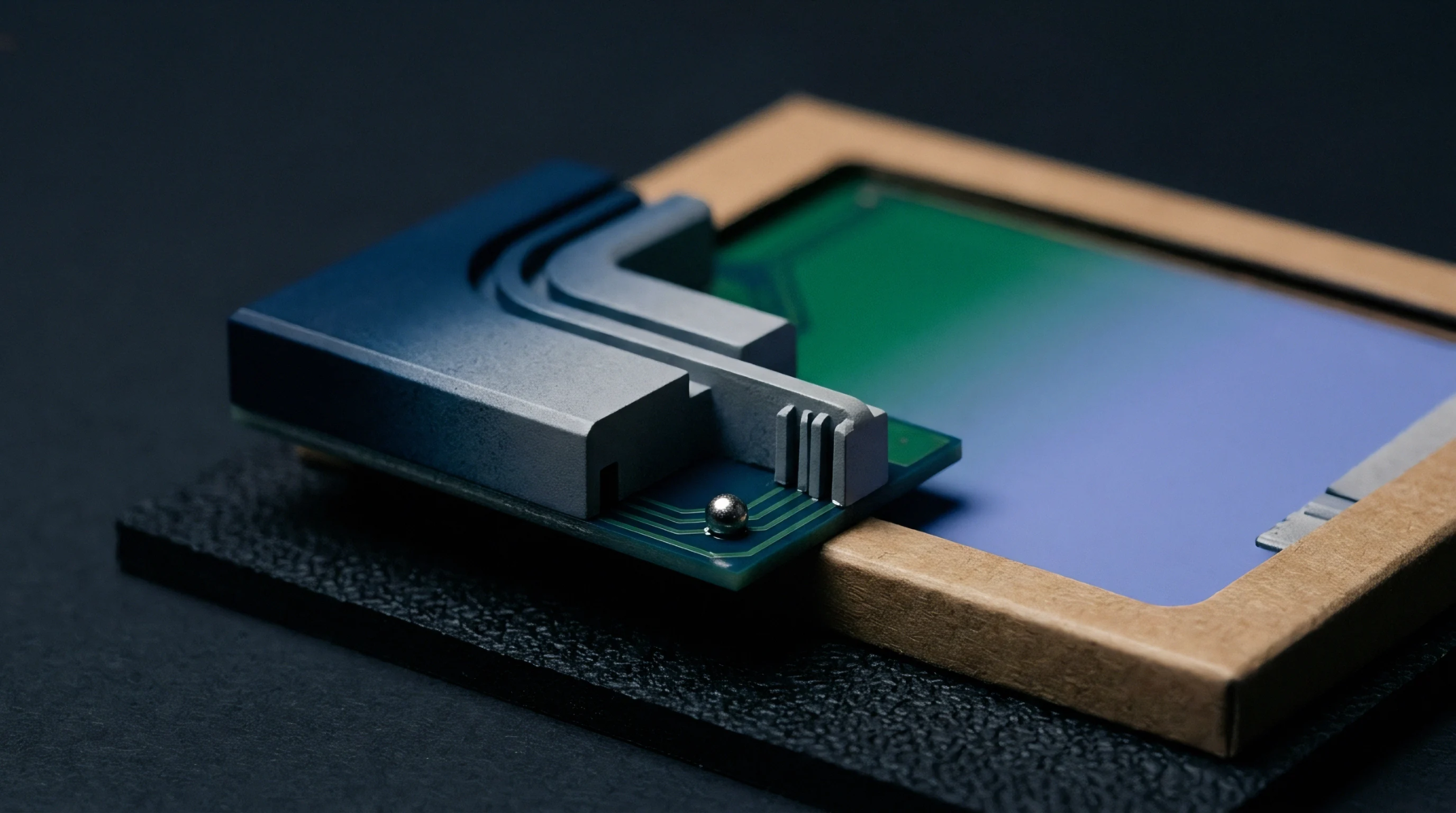
Dynamic aperture tuners must balance voltage linearity against convergence speed to suppress harmonic radiation and prevent phase detector lock failure.
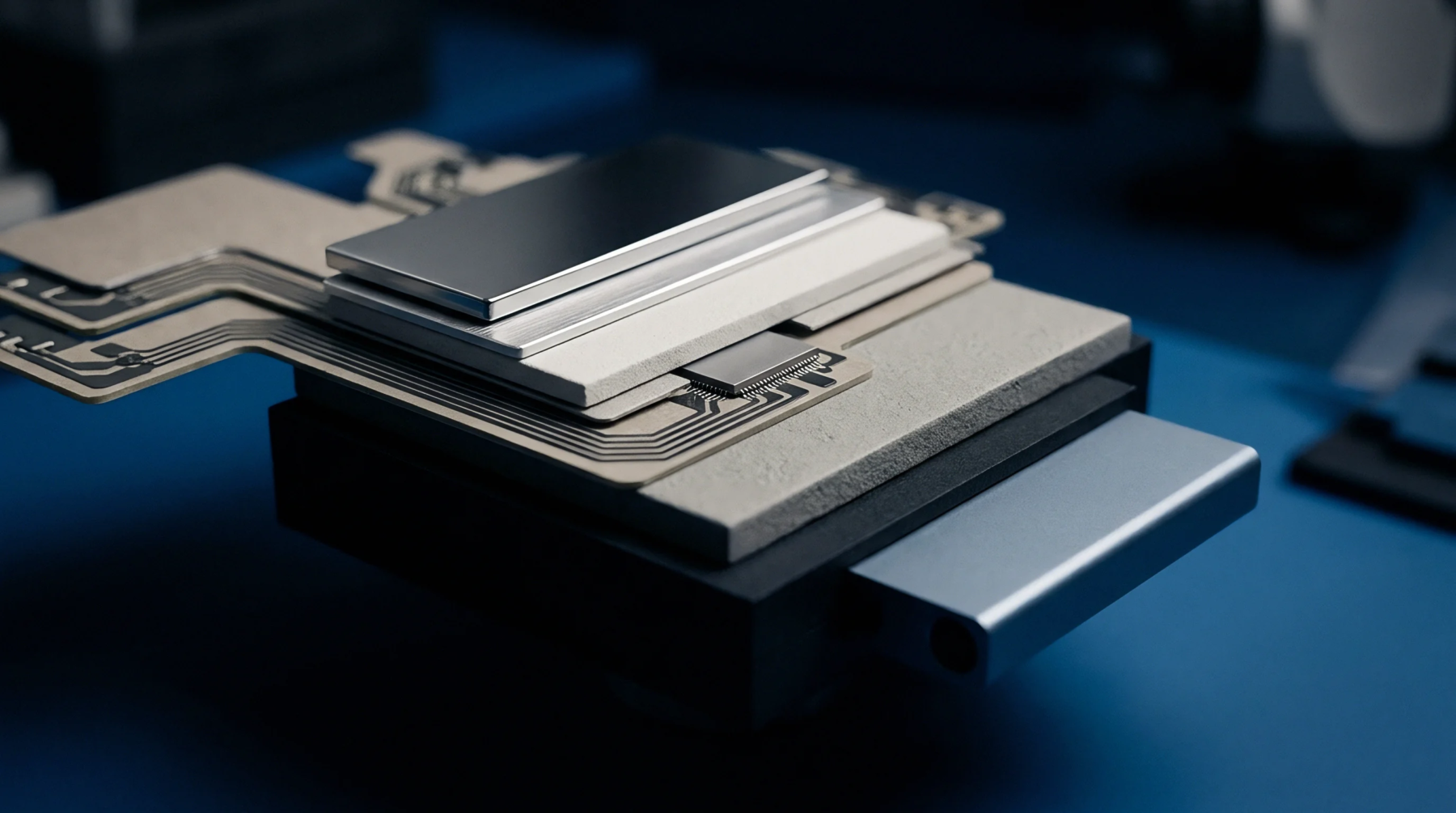
Sub-GHz adaptive antenna matching insertion loss scales with tuning element series resistance and network Q factor, requiring load-pull budget optimization.
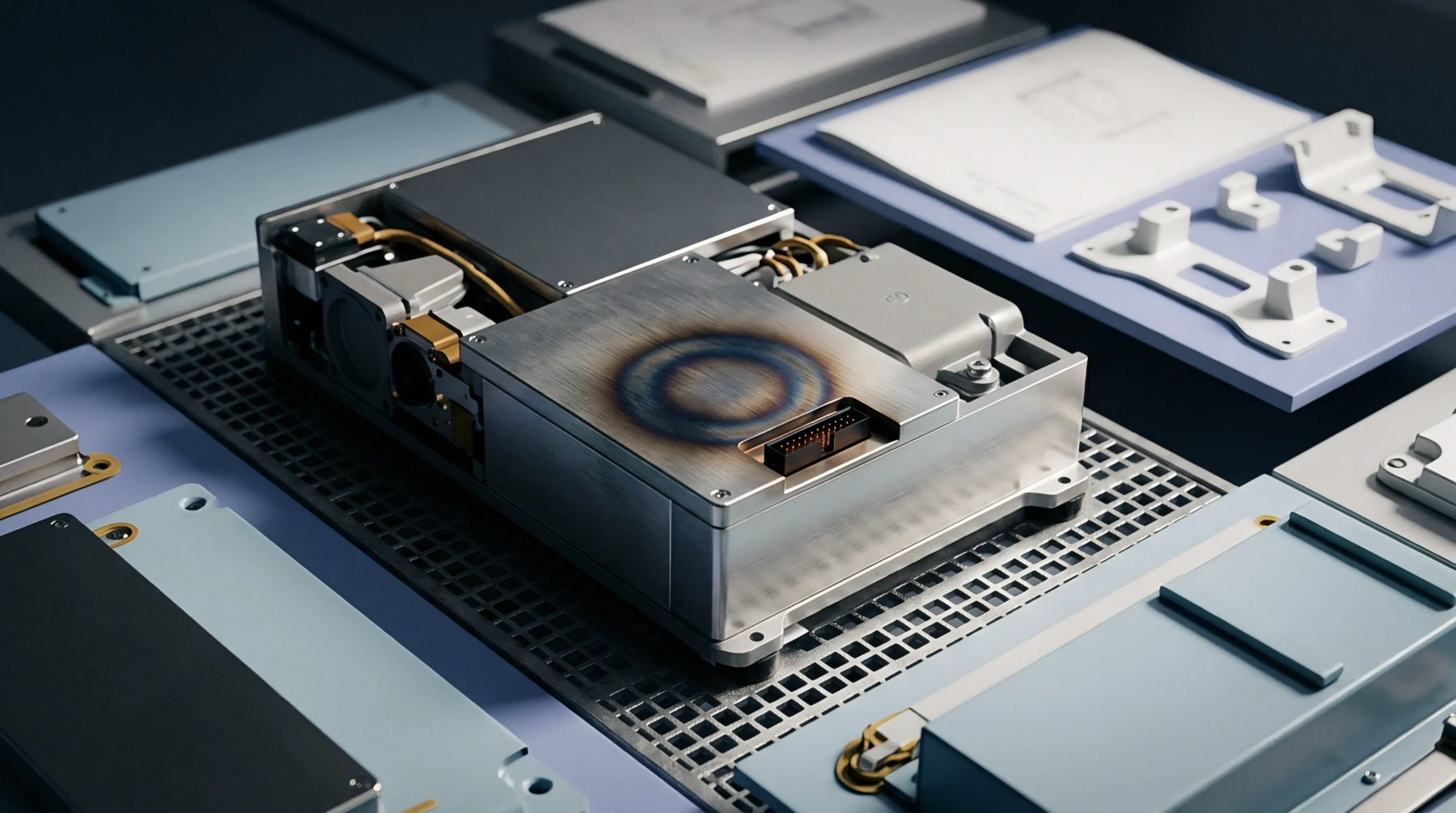
Sub-GHz radio current drain increases up to eighty percent under severe antenna load mismatch and extreme ambient heat requiring dynamic backoff profiles.

Sub-GHz antenna detuning shifts load impedance, driving power amplifier pulse current surges up to 120 percent and triggering battery rail collapse.

Harmonizing radiated spurious testing demands standardized steel mounting plates, unified detector definitions, and harmonized test distances across global regulators.
Front end antenna mismatch shifts power amplifiers into low-efficiency load pull states, spiking transmit current and causing early battery brownout reset.

Firmware updates altering cryptographic execution timing on sub-GHz seals can shift radiated spurious harmonics, triggering mandatory Class II permissive change re-testing.

Active maritime tracking labels require harmonized RF and IEC 60945 environmental testing to prevent antenna detuning failures and container port delays.
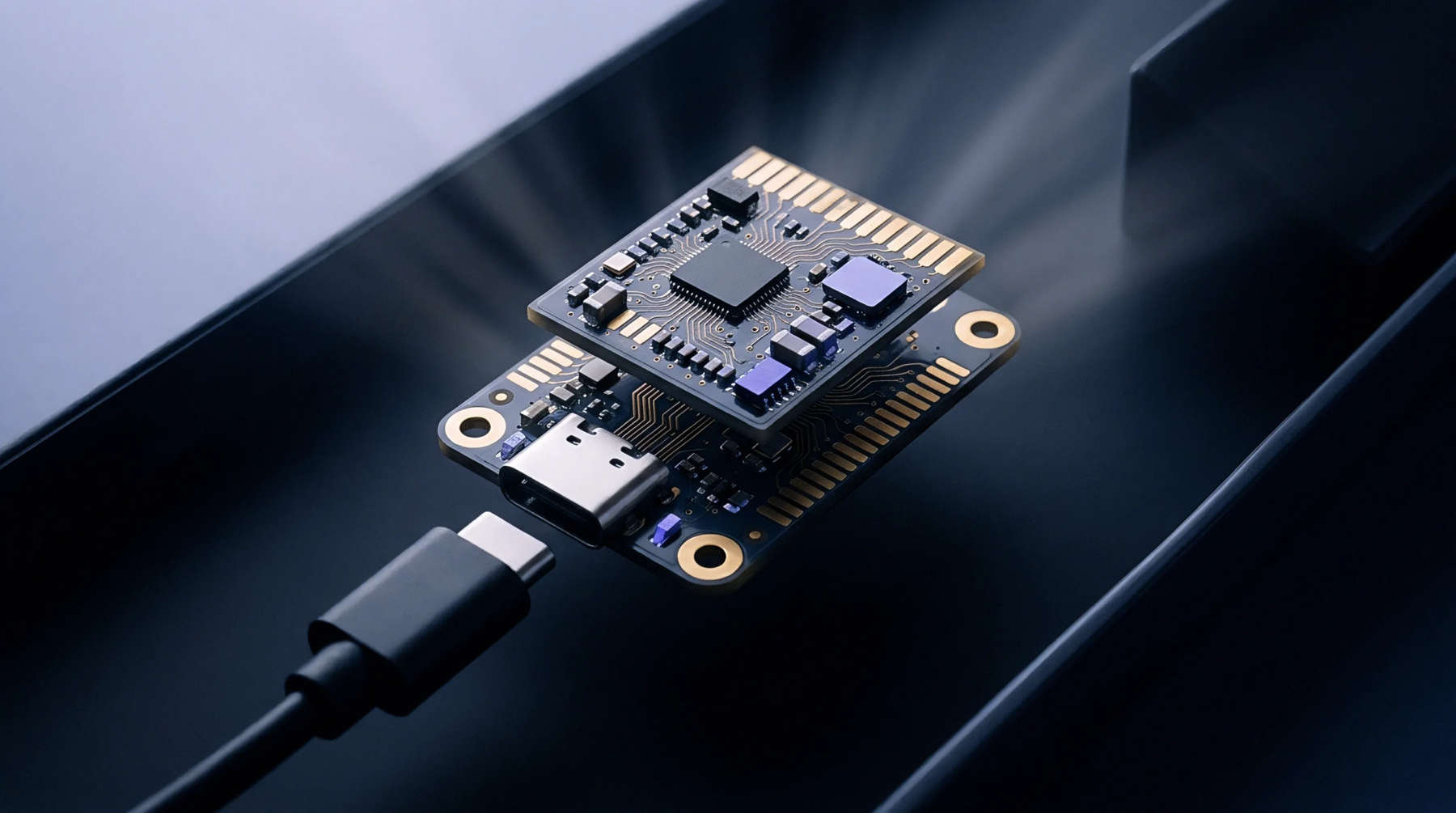
Compacting passive transponder authentication frames down to 192 bits cuts backscatter air time under 12 milliseconds while passing radiated compliance sweeps.

Selecting Ed25519 over ECDSA P-256 cuts transponder sign time by 60 percent, preserving battery life and avoiding radiated emission spikes during RF bursts.
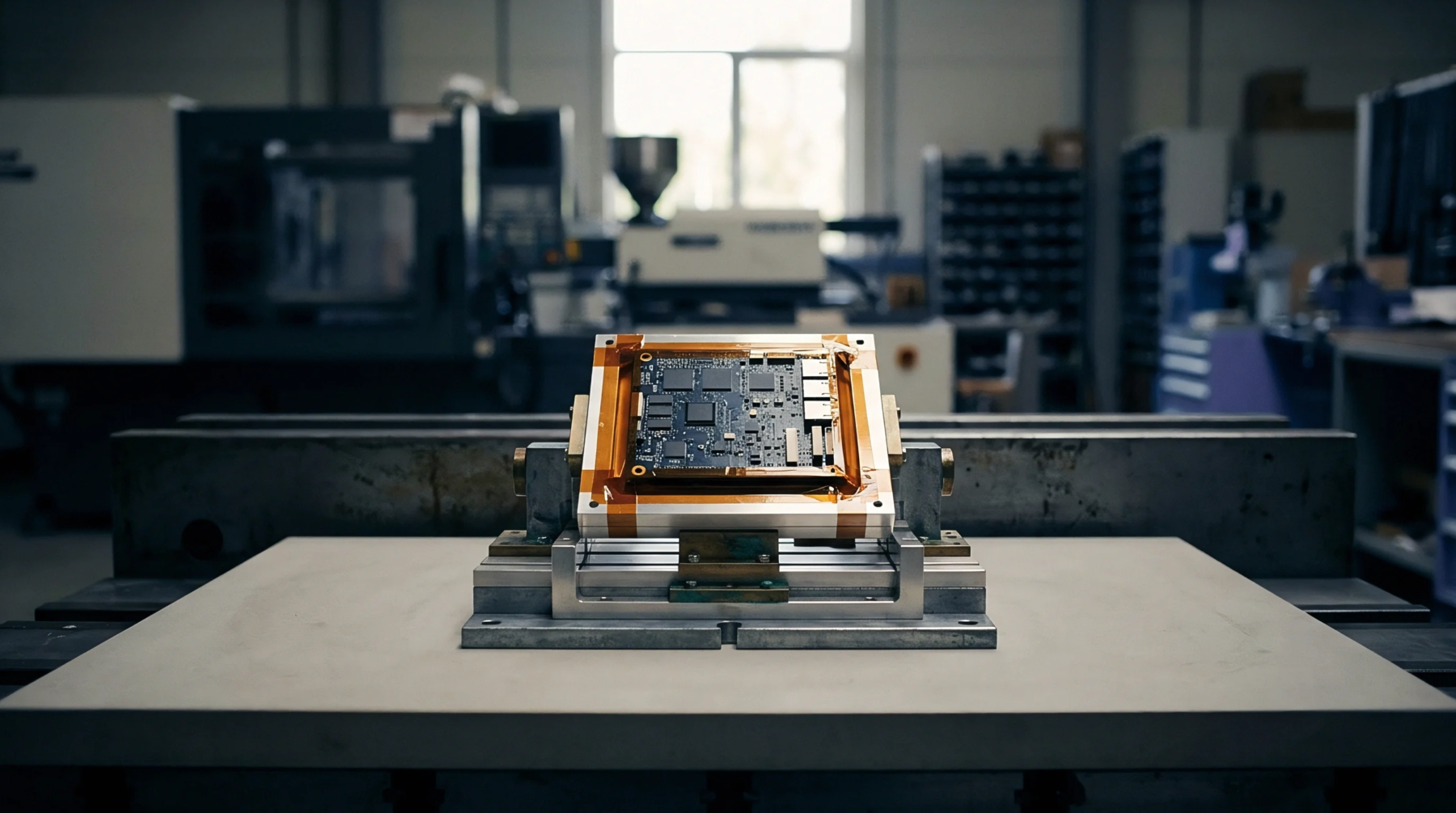
Resolving multi-harmonic common mode coupling demands low-impedance ground stitching, frequency-matched ferrites, and strict layer stackup isolation.

Transmit cycling generates cyclic thermal shear stress in ALD nanolaminates, driving subcritical delamination and RF failure under high-duty-cycle loads.

Maintaining a Pierce oscillator gain margin above five under minimum transconductance bias prevents cold-temperature startup failures in sub-GHz IoT transceivers.
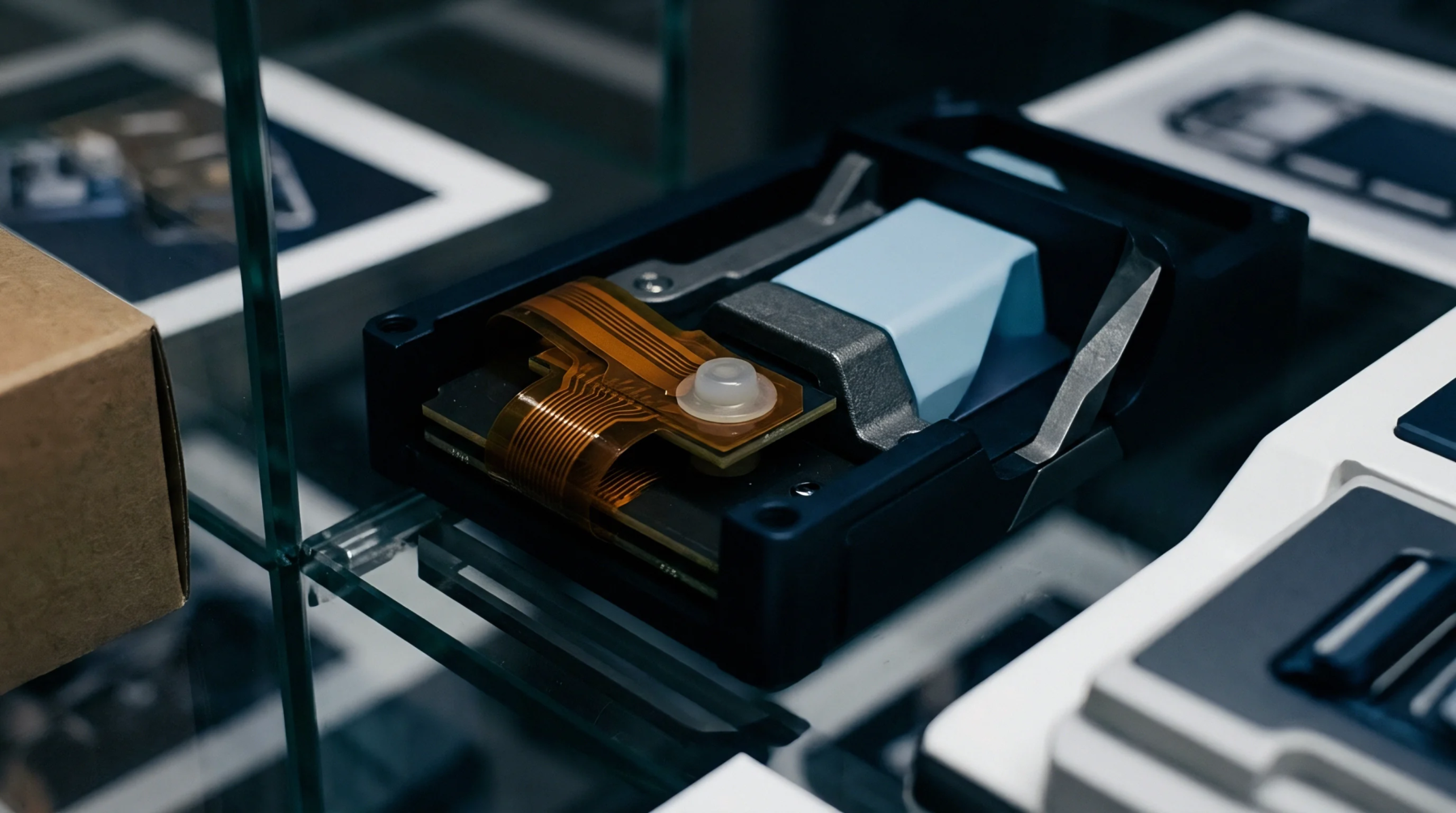
Sub-nanometer oxide interface strain relaxation causes logarithmic oscillator drift over decade lifespans, requiring preconditioned low-stress crystal selection.
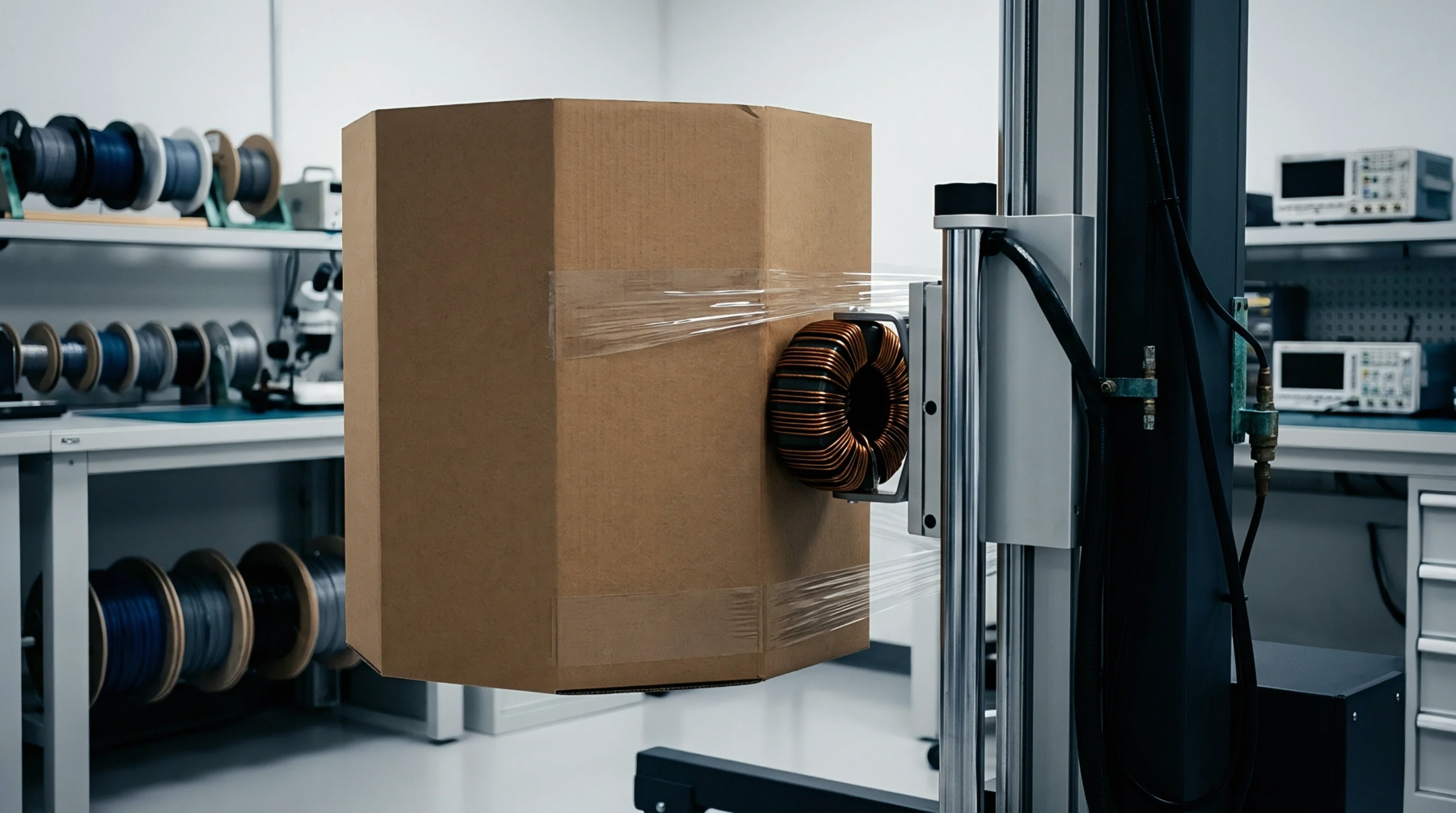
Conformal ALD nanolaminates isolate thin film resonator electrodes against moisture mass loading, eliminating sub-ppm carrier drift in narrowband radio links.

Lithium thionyl chloride cells paired with hybrid capacitors deliver optimal lifespan and pulse performance for high-attenuation subterranean vault telemetry.
Network assisted clock calibration trims edge crystal frequency offsets to shrink receiver guard windows and extend operational battery life in low power modules.
Expertise is a utility, not a secret. sentiention™ publishes its working knowledge as open reference: intelligence layer covering the materials it sources, the markets it enters, and the reference that serves both.