
ISO IEC 17025 Laboratory Scope Verification Essentials
Laboratory scope verification requires checking standard editions, frequency limits, and CAB listings directly against official accreditation body databases.
Laboratory scope verification requires checking standard editions, frequency limits, and CAB listings directly against official accreditation body databases.

Co-located radio testing verifies radiated intermodulation products remain below regulatory limit lines when multiple host transmitters broadcast simultaneously.

Dielectric overmolding alters module antenna impedance, requiring near-field scanning and radiated harmonic checks to satisfy global permissive change filing limits.

Encapsulating a module antenna alters dielectric loading, detuning resonance and risking regulatory non-compliance without permissive change re-testing.
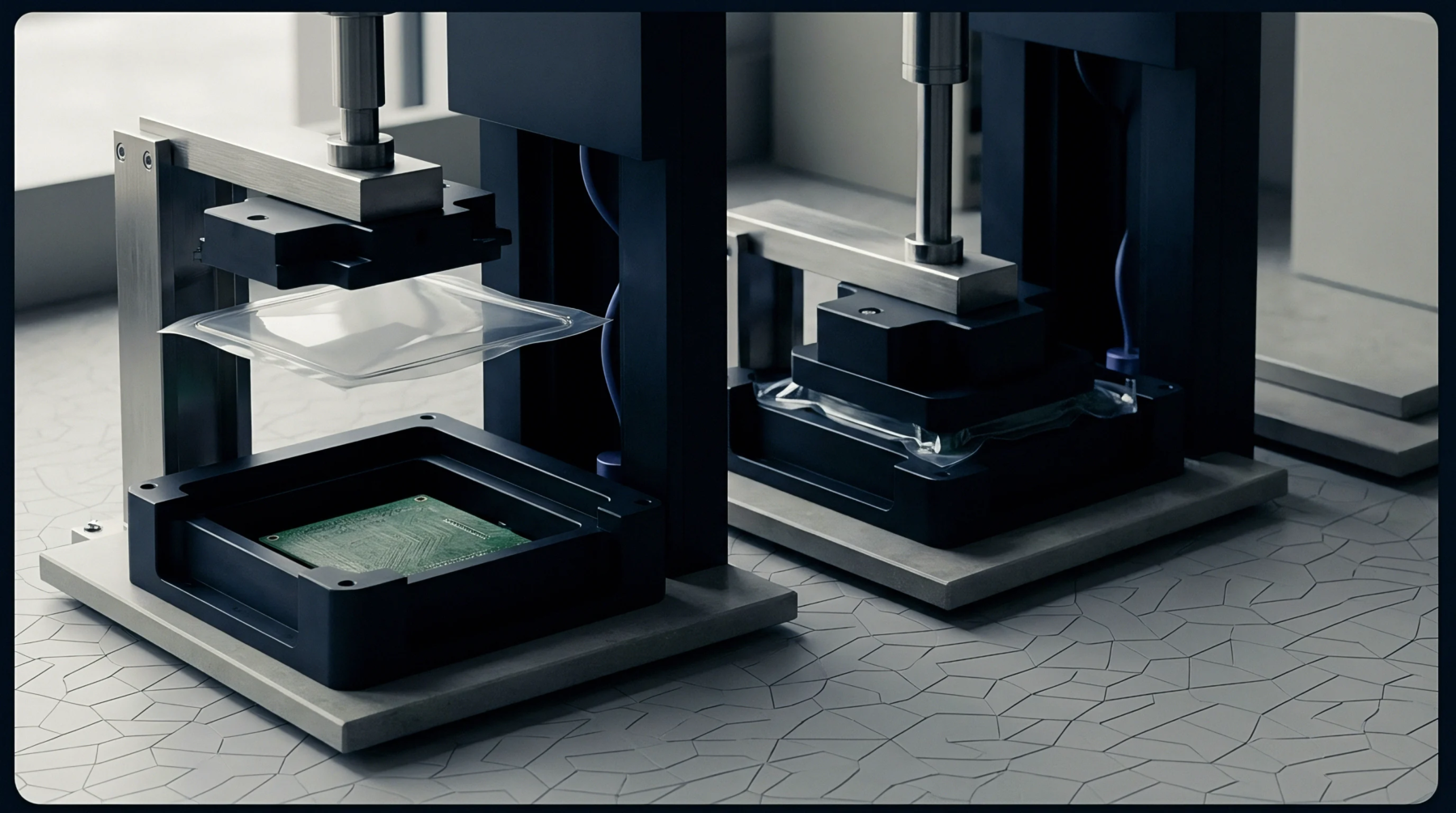
Encapsulating transmitters alters dielectric permittivity, detuning antennas and elevating spurious harmonics, requiring pre-potting chamber scans to avoid filing delays.

Dynamic antenna impedance phase shifts alter power amplifier conduction angles, elevating peak drain voltages and causing adjacent channel leakage failures.
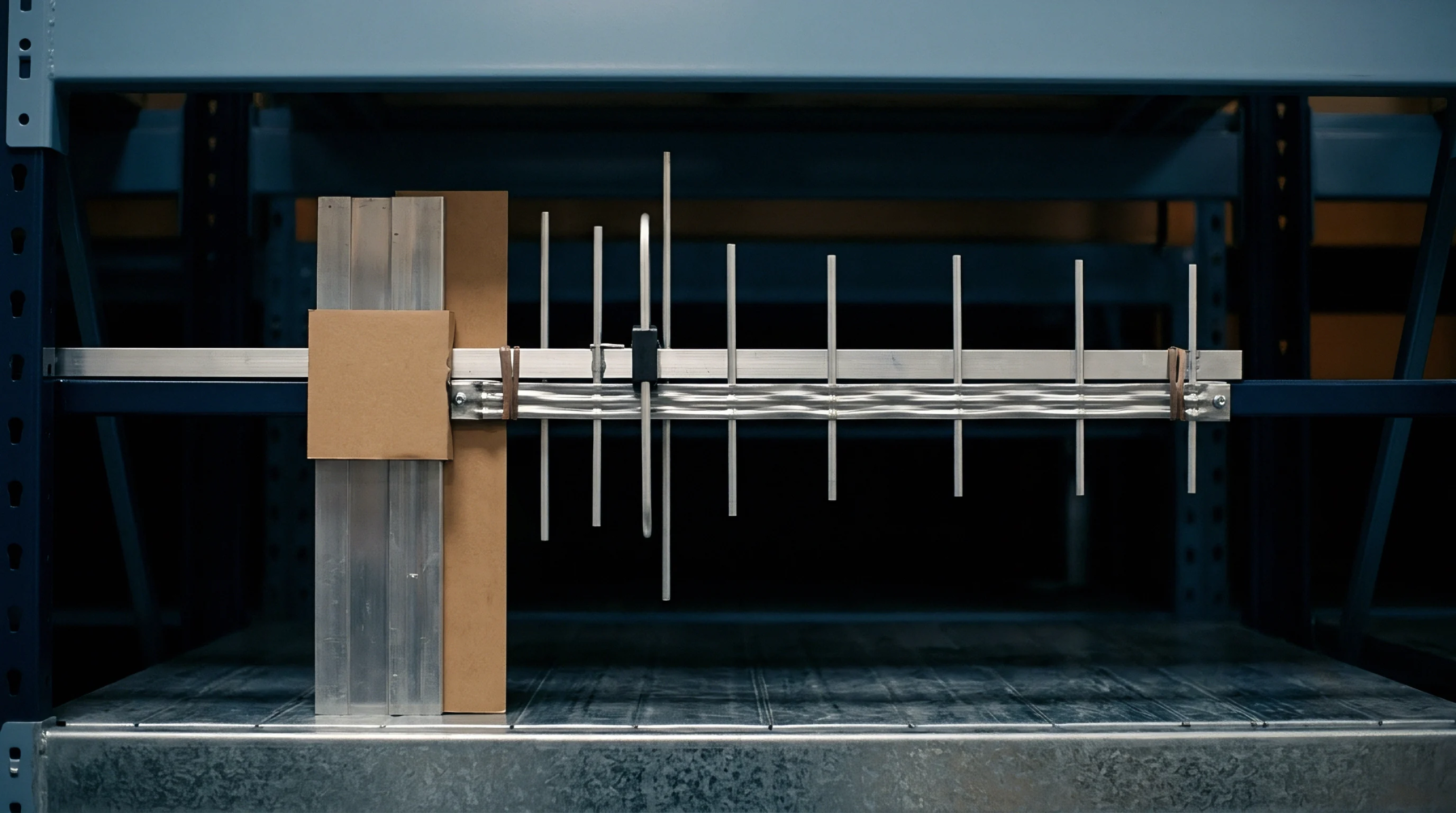
Harmonizing radiated spurious testing demands standardized steel mounting plates, unified detector definitions, and harmonized test distances across global regulators.

Active maritime tracking labels require harmonized RF and IEC 60945 environmental testing to prevent antenna detuning failures and container port delays.

Dynamic clear channel assessment elevation degrades multi-user link reliability when channel aging velocity exceeds physical layer frame duration.
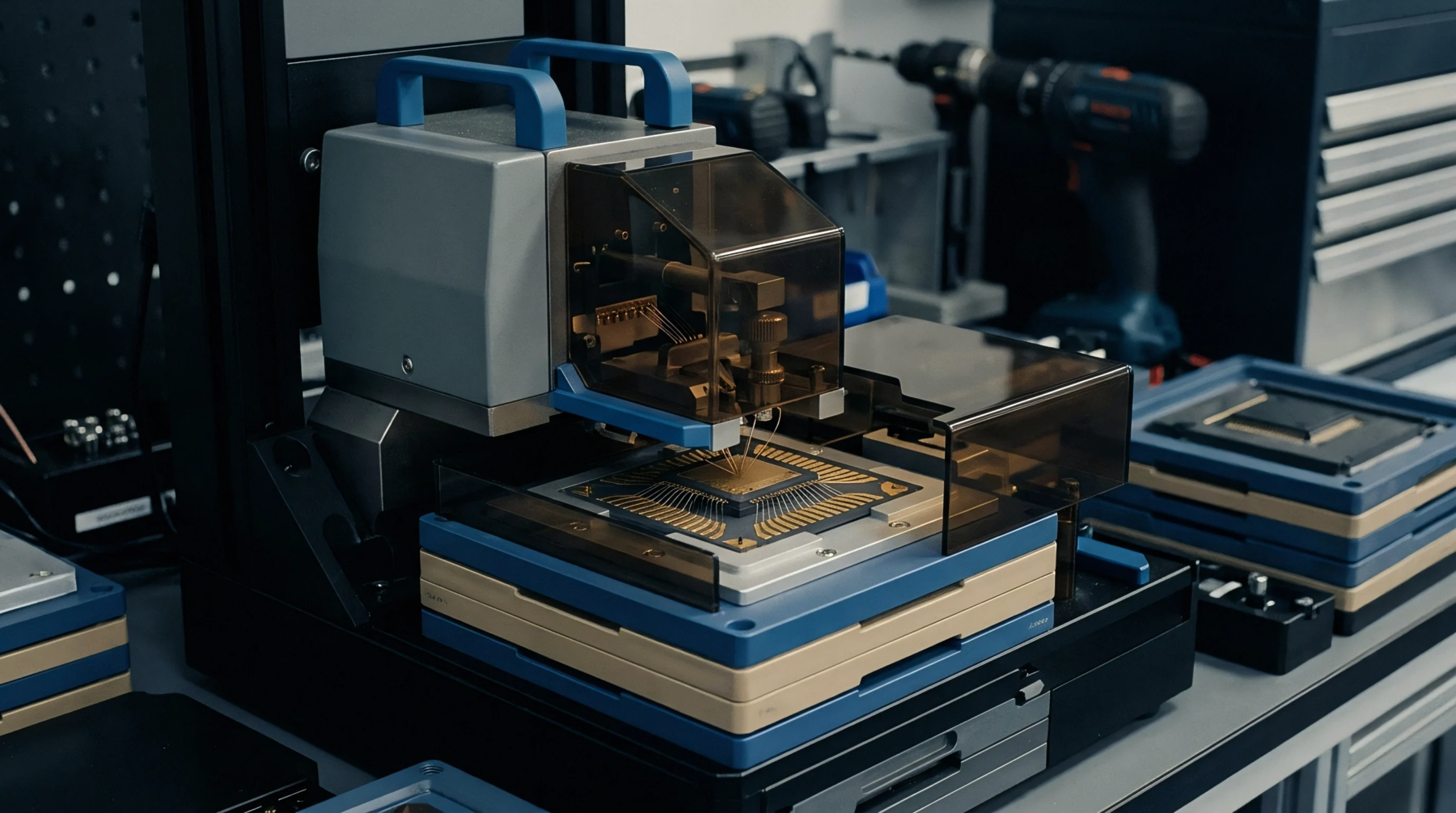
High current cryptographic handshakes drive radiated emissions above regulatory limits, demanding active power filtering and dynamic worst-case chamber test modes.
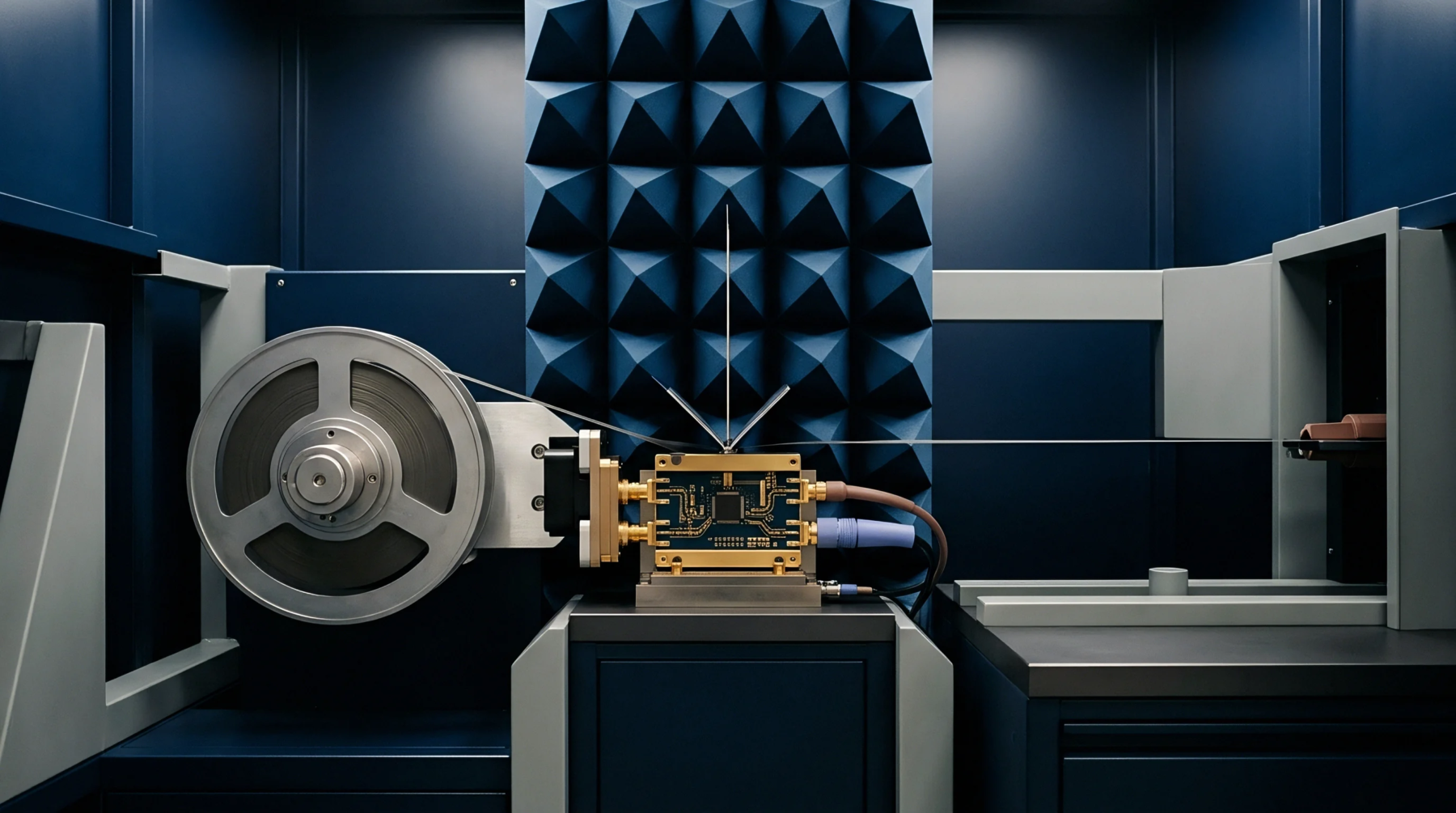
Thermal substrate drift detunes microwave filters and transmission lines, driving radiated emissions past regulatory limits during compliance sweeps.

Dynamic threshold adaptation raises Wi-Fi 6 carrier sense ceilings up to -62 dBm to clear dense airtime, mandating calculated transmit power backoff.

Mitigating multi-radio harmonic spikes requires passive filtering and spatial isolation to clear radiated emission thresholds for Class II permissive change filings.
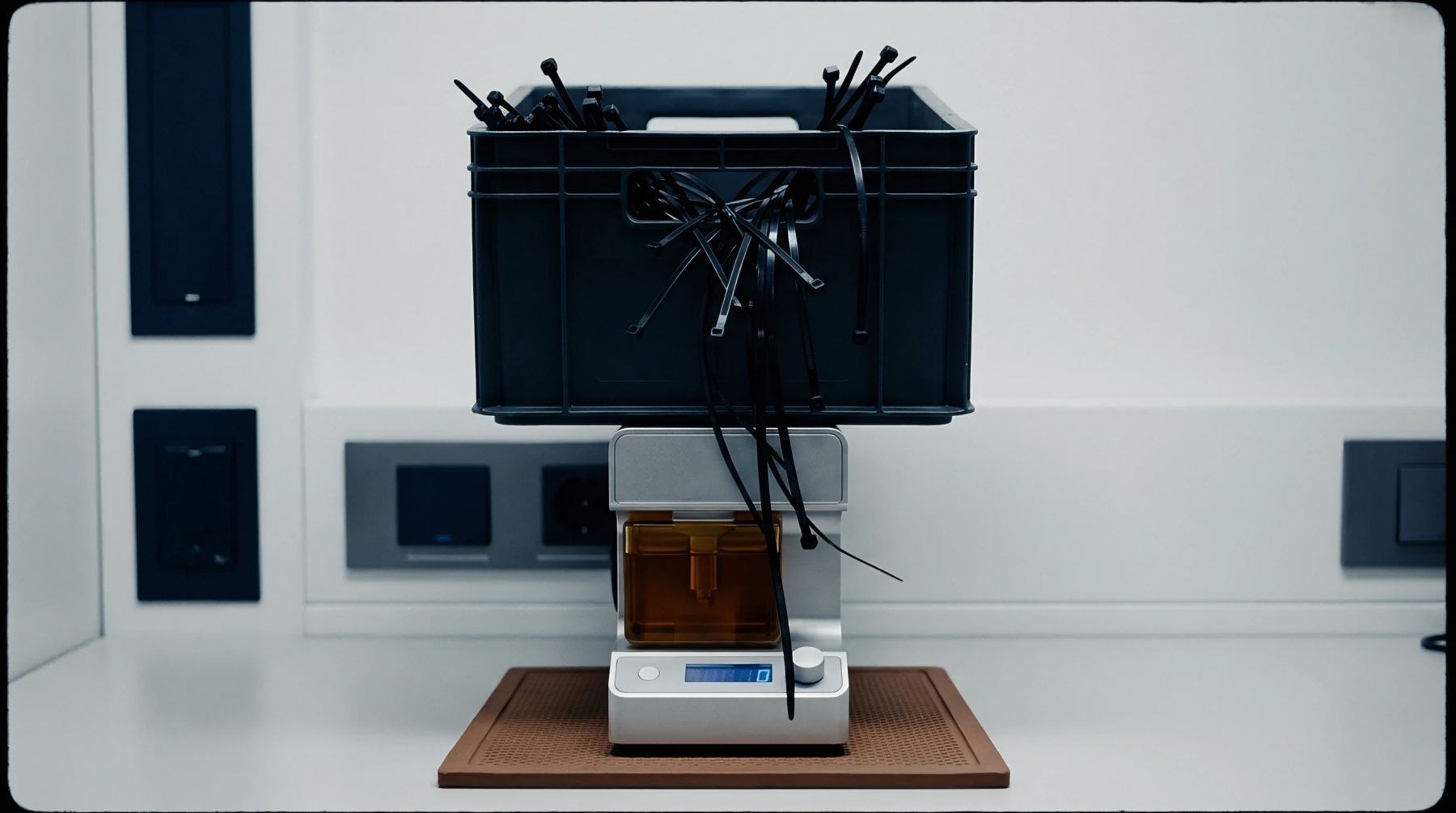
Cavity resonances inside plastic enclosures shift emission peaks by altering internal field distributions, turning compliant modules into radiated failures.

Unshielded radio module integrations transfer radiated spurious emission compliance risks and retesting burdens directly to host board layout design.

Unshielded limited modular transmitters bind the radio grant to specific host board geometry, power regulation, and mandatory radiated spurious re-testing.

Matching multi-band radio modules under HS 8517.62 aligns RF test grants with commercial invoice lines to clear port customs without red-lading.

Software-activated radio modules face customs reclassification under GRI 2(a) and valuation additions under GATT Article 8 if dormant silicon contains functional RF front-ends.
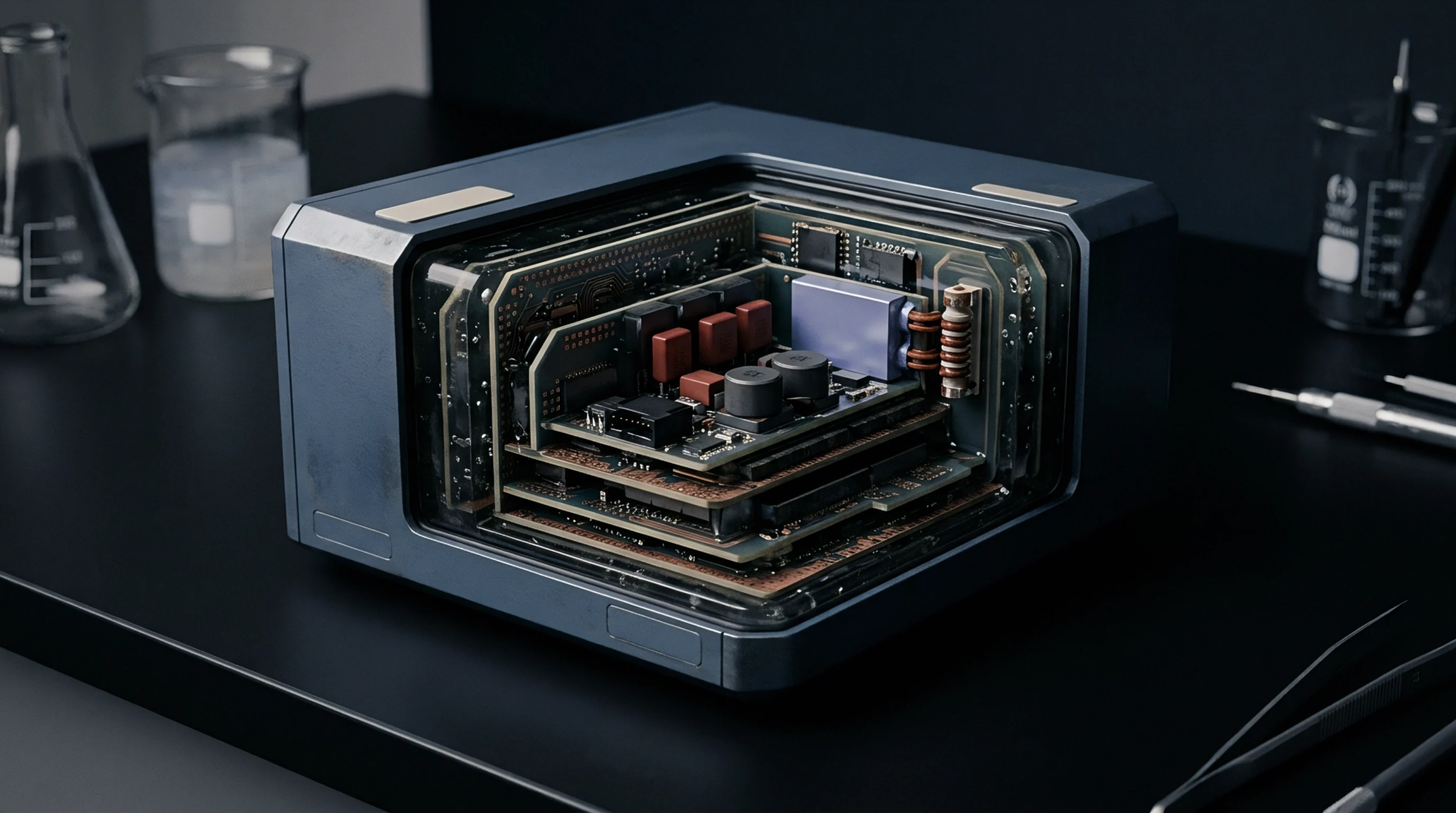
Managing multi-module host approvals under shifting standards requires targeted radiated intermodulation retesting and active technical construction file upkeep.
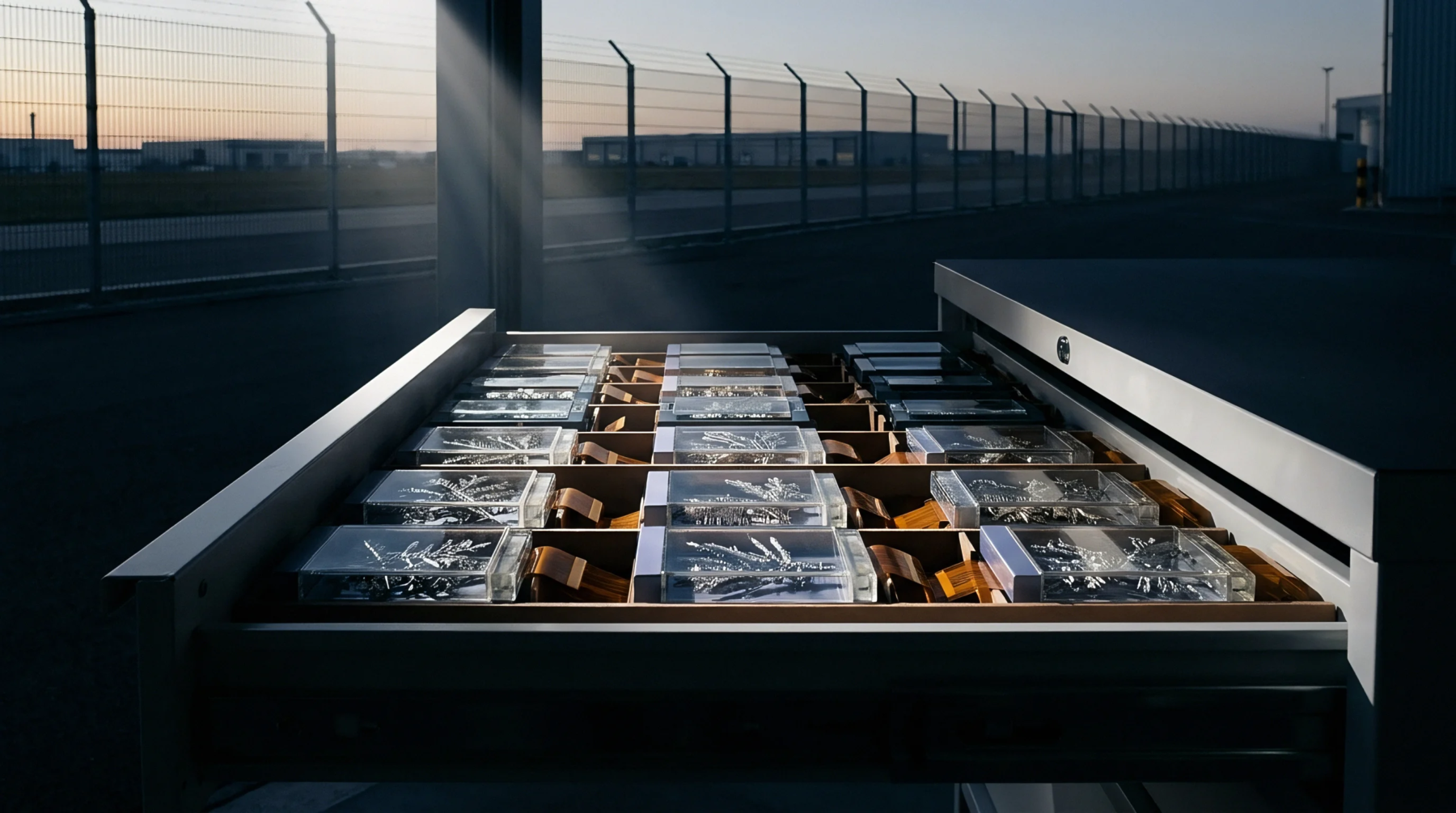
Qualifying silicon die shrinks in turnkey RF modules demands impedance matching retuning, driver calibration, and regulatory re-certification to prevent failure.
Expertise is a utility, not a secret. sentiention™ publishes its working knowledge as open reference: intelligence layer covering the materials it sources, the markets it enters, and the reference that serves both.