Auditing Basic Test Report Scopes under ISO IEC 17025 Standard Rules
Auditing ISO IEC 17025 test reports against active laboratory scope schedules prevents expensive certification rejections and product market holds.
Auditing ISO IEC 17025 test reports against active laboratory scope schedules prevents expensive certification rejections and product market holds.

Suppress colocation intermodulation spurious emissions in tight metallic enclosures by combining high-rejection PA filters with lossy magnetic cavity absorbing sheets.

Encapsulating transmitters alters dielectric loading, detuning antennas and shifting RF exposure boundaries, demanding re-evaluation of emissions and SAR compliance.

Offline transponder signature validation relies on compact elliptic curve keys, efficient memory framing, and compliant reader radio power limits.

Thermal dielectric drift shifts substrate permittivity and trace impedance, detuning filters and risking band-edge non-compliance during climatic chamber testing.

Unshielded multi-radio integration induces enclosure cavity resonances that amplify harmonic spurs, requiring Class II Permissive Changes and RF damping.

Integrating unshielded limited modules transfers regulatory compliance liability to host manufacturers, requiring Class II permissive changes and host chamber validation.
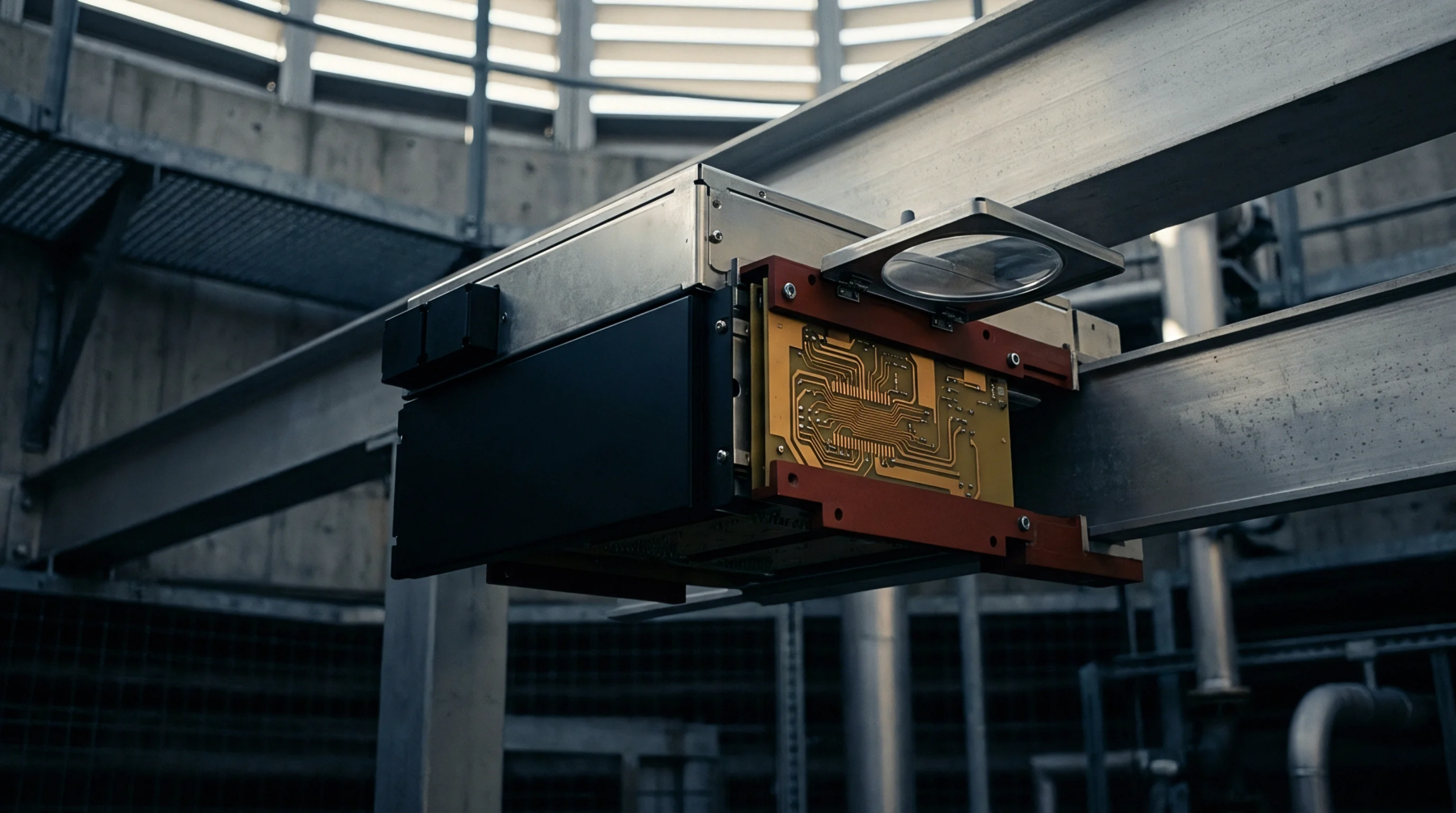
Unshielded limited transmitter grants bind host manufacturers to strict PCB layout, power rail, and chamber re-test protocols before compliance is recognized.

Binding customs rulings freeze tariff codes for dynamic multi-band radios when subassembly hardware features match exact firmware functional execution state hashes.

Embedded radio classification follows host machine principal function under Section XVI Note 3 rather than heading 8517 unless communications form primary utility.
Raising default clear channel assessment thresholds boosts aggregate Wi-Fi network throughput in high-density deployments by trading client SINR for spatial reuse.

Auditing technical files during standard transition windows requires identifying technical gaps between standard versions to determine minimal mandatory retesting.

Radio compliance transition management requires tracking Official Journal withdrawal dates, auditing inventory placement, and securing gap retesting before presumption lapses.

Modular grant pass-through rights terminate when host enclosure proximity or antenna modifications alter tested RF safety separation boundaries.

Substituted host antennas qualify for Class II Permissive Changes only when peak gain stays below certified limits and radiative physical structure remains identical.

Structure foreign radio registrations through independent representatives or direct applicant codes to prevent commercial distributors from holding regulatory lockouts.
Cross-border verification requires cross-checking factory test reports against official regulatory databases before committing import capital.

Collocated industrial transmitters trigger permissive change retesting when radiated intermodulation or combined RF exposure exceeds standalone grant limits.

Radiated spurious scanning determines whether wireless host modifications qualify for Class I permissive status or demand Class II re-filing.

Eliminating external crystals reduces hardware costs but expands receiver guard windows, requiring tight thermal calibration loops to protect battery life.

Refining polymer cross-linking gel fraction above eighty percent minimizes residual dipoles, reducing high-frequency near-field coupling loss and preventing re-certification.

Automated port inspection of depleted imports relies on external capacitive energization to verify radio firmware without unsealing protective customs packaging.
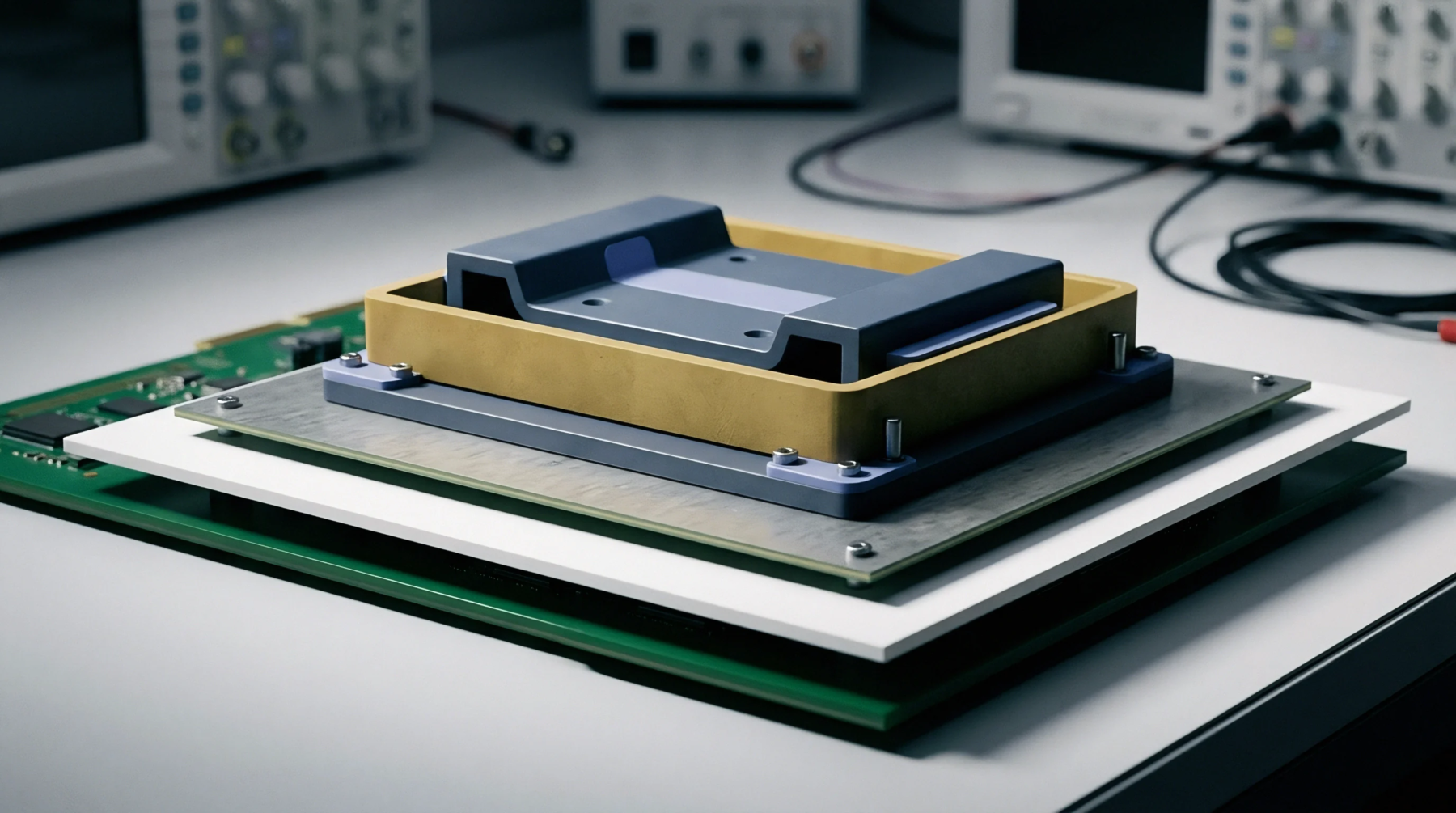
Verifying imported wireless device compliance requires cross-referencing grantee databases, matching host antenna gains, and auditing ISO 17025 test scope.

Anisotropic dielectric drift in composite enclosures detunes integrated antennas during temperature sweeps, triggering radiated compliance failures and re-filings.

Host integrators assume full regulatory liability for non-compliant RF exposure and spurious emissions whenever physical host enclosure coupling, antenna substitutions, or co-located radios deviate from original modular grant conditions.

Selecting industrial Wi-Fi modules demands matching transmit power, receiver sensitivity, and hardware coexistence mechanisms to plant RF noise floor profiles.

Integrating approved radio modules into custom host enclosures alters radiated spurious emissions, demanding targeted spot checks to preserve market compliance.
Classifying firmware delta impact before deployment prevents regulatory clock delays across multi-jurisdictional radio type approvals.
Laboratory radiated delta scans isolate RF emission changes caused by firmware updates to verify modular approval validity without full re-certification testing.
Cross-border white-label radio sourcing requires contractually binding Class II Permissive Change filing rights and strict regulatory indemnity provisions.
Expertise is a utility, not a secret. sentiention™ publishes its working knowledge as open reference: intelligence layer covering the materials it sources, the markets it enters, and the reference that serves both.