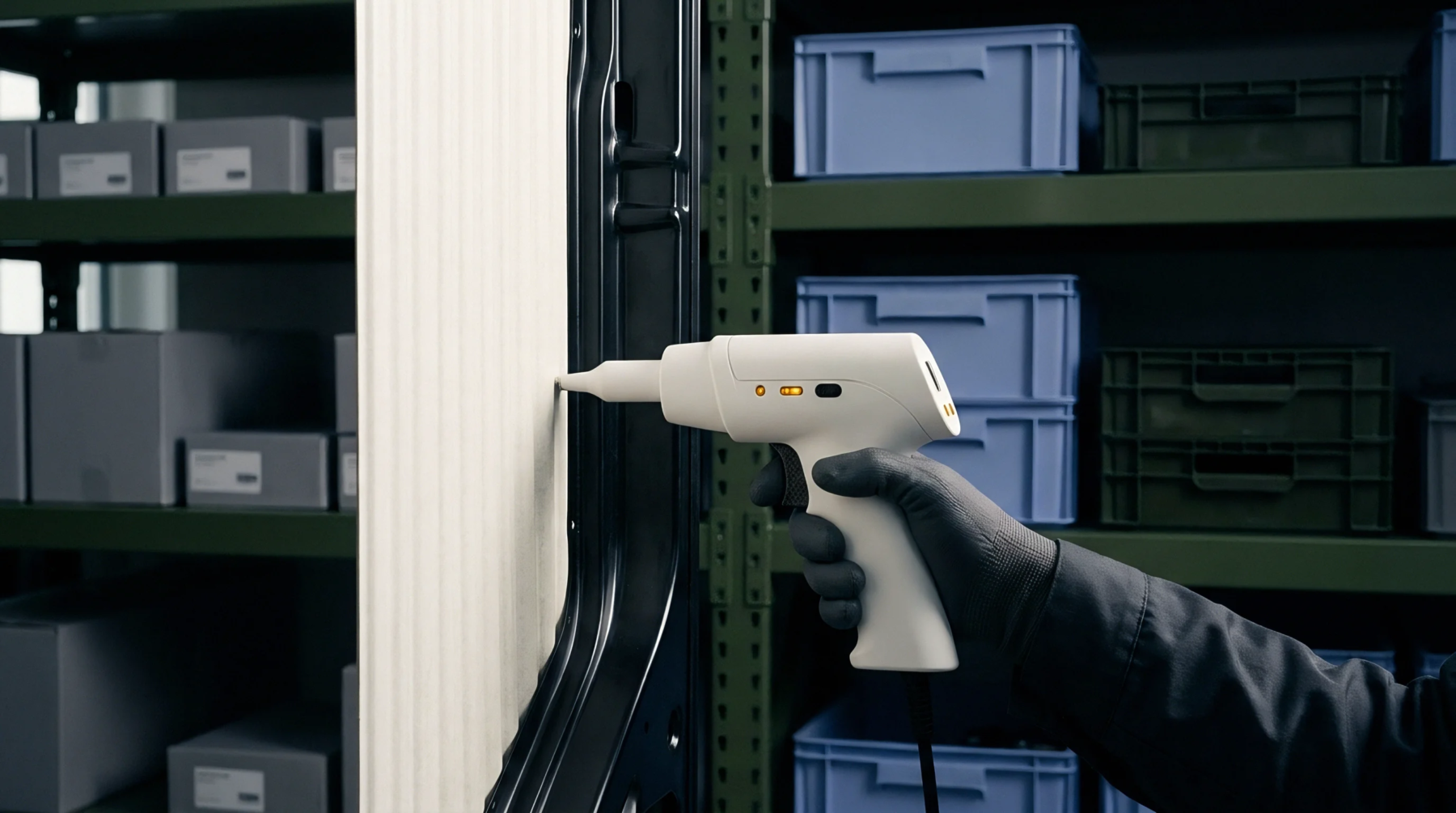
Customs Holds Traced Back to a Missing Declaration
Customs holds on radio products stem from missing declarations of conformity, requiring aligned standard references and valid technical files for release.
Customs holds on radio products stem from missing declarations of conformity, requiring aligned standard references and valid technical files for release.

Enclosure seams and apertures control radiated harmonic leakage through transfer impedance, dictating gasket specs needed for global radio grants.

Host proximity near unlicensed module antennas degrades total efficiency and shifts harmonics over emissions thresholds requiring re-certification.

Conductive polymer composite absorption depends on balancing complex permittivity and skin depth to eliminate surface reflection and satisfy radiated emission limits.

Wireless protocol selection fixes physical range, payload boundaries, power draw profiles, regulatory approvals, and landed hardware costs across target markets.

Radio product clearance depends on matching sovereign band allocations, passing radiated emissions tests, managing modular grant scope, and securing in-country representation.

Modular radio approvals cover baseline standalone performance, requiring host radiated spot checks to prevent spurious emission failures upon enclosure integration.

Wi-Fi throughput collapses in dense deployments when preamble misses and conservative energy detection thresholds trigger retry storms and modulation rate decay.

A certification budget fails on sample availability and unbuffered retest hours long before it fails on base lab application fees.

Pre-shipment verification of FCC grants and CE documentation prevents costly port customs detentions and container freight storage demurrage fees.

Modular permissive change rules limit host modifications; crossing trace, antenna, or power boundaries forces costly multijurisdictional re-certification.

Modifying enclosure materials or geometry shifts near-field coupling and radiated emissions, triggering mandatory global re-testing and permissive change refilings.
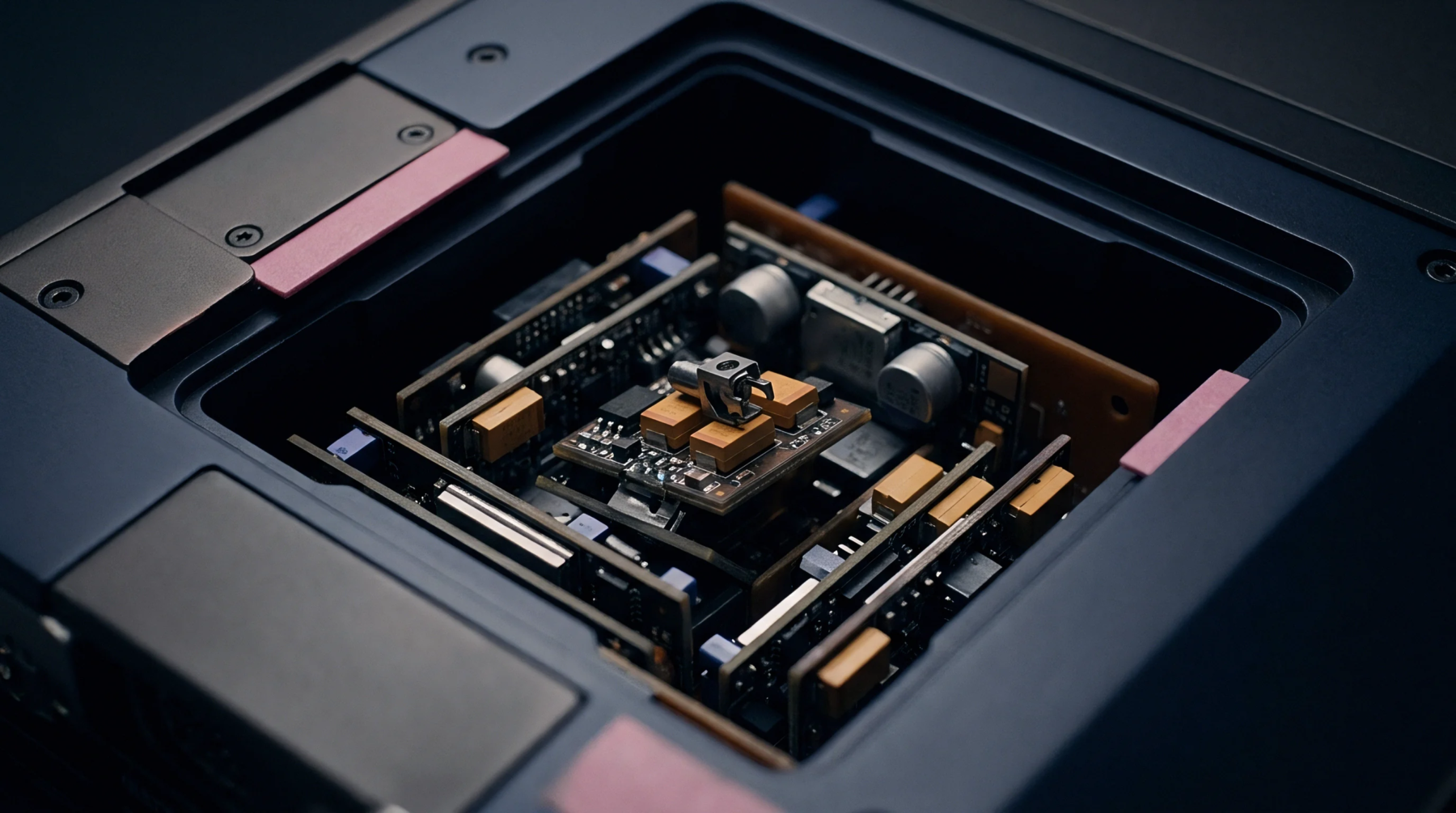
Unlicensed commercial radio access requires precise chamber testing, strict host integration boundaries, and regional type approval filings to prevent customs rejections.
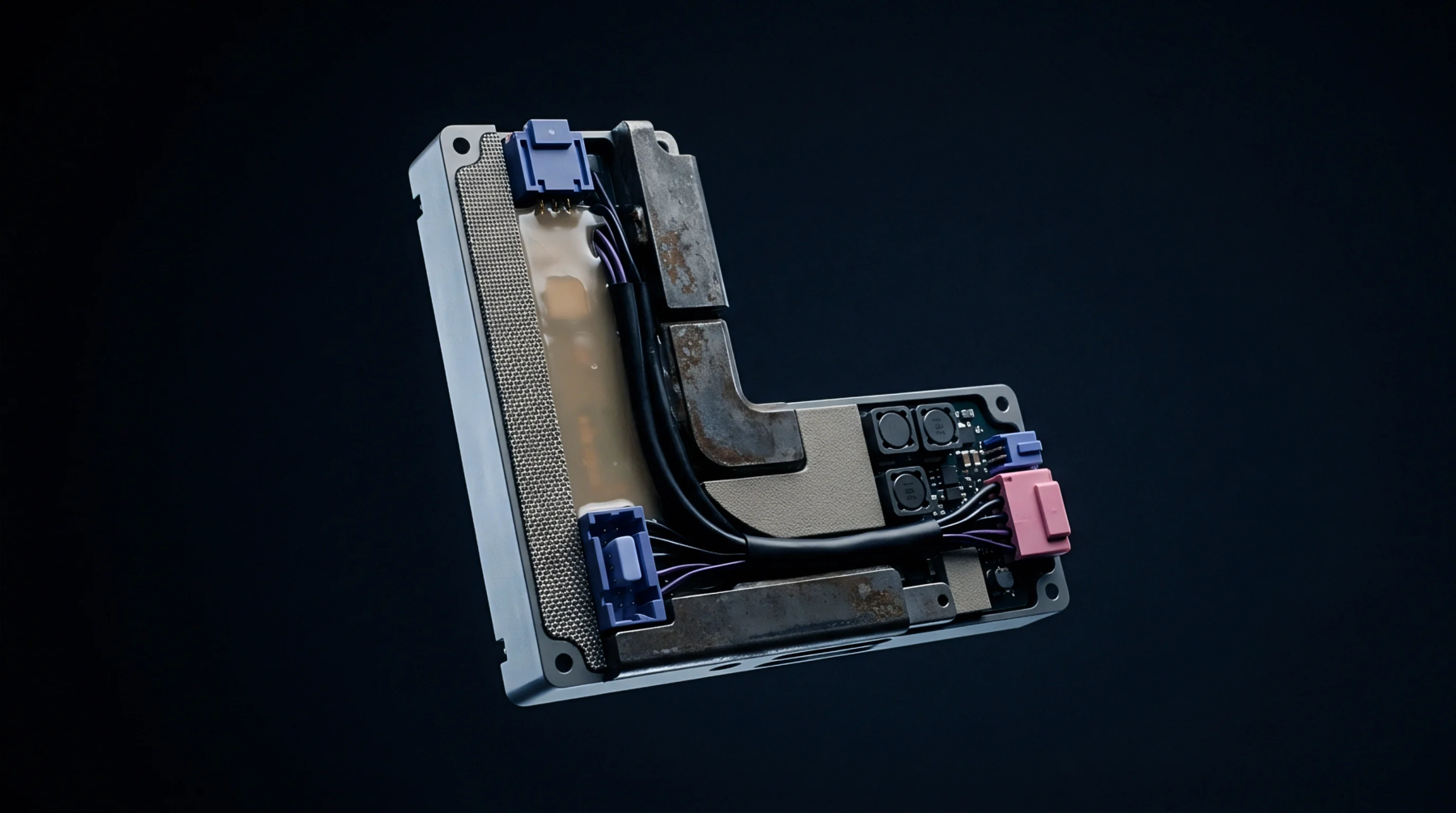
Managing Change in ID filings requires an authentic Grantee Authorization Letter, verbatim documentation alignment, and strict host design compliance.
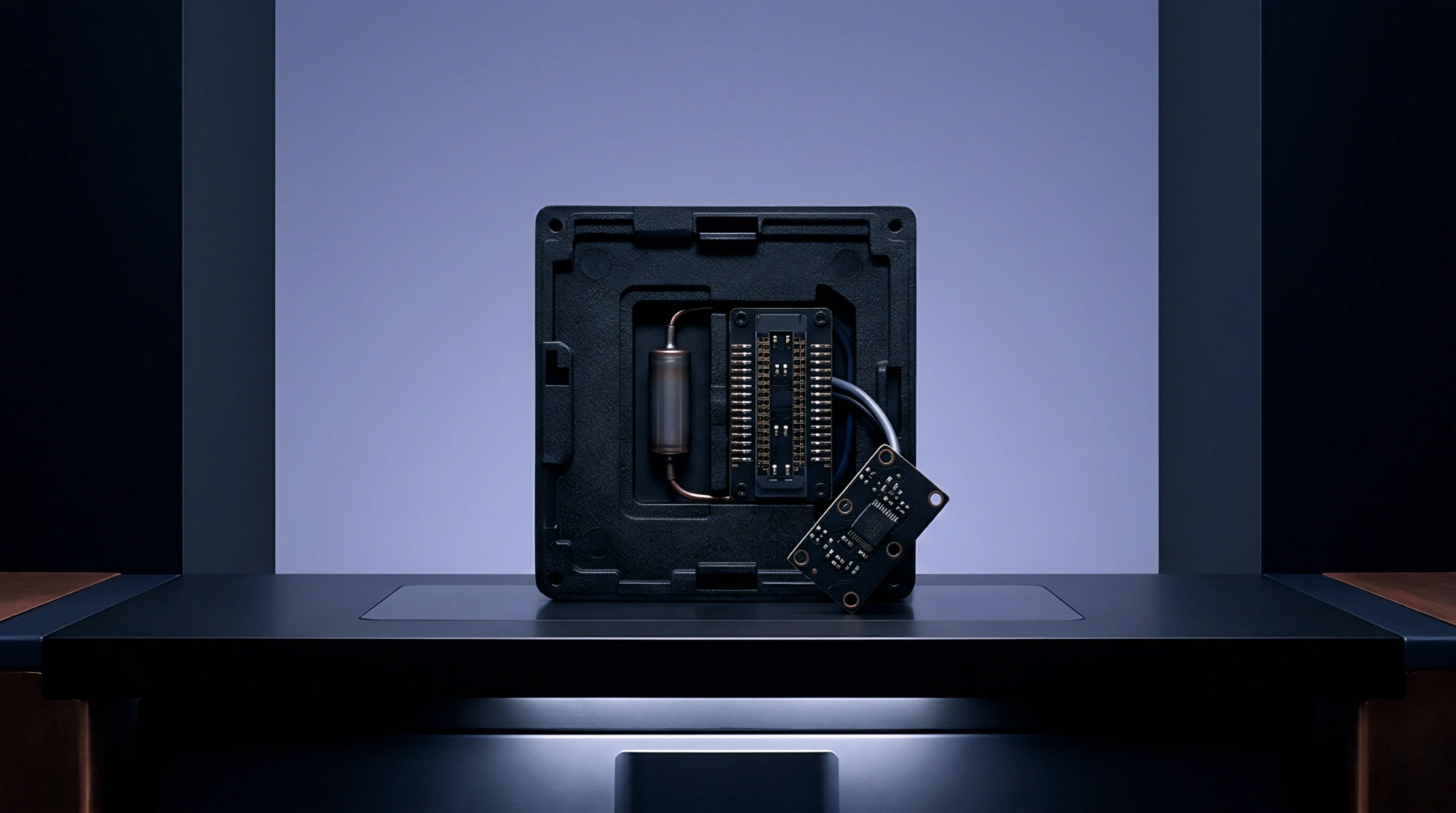
Firmware updates altering output power, channels, or DFS logic trigger mandatory permissive change filings or retests before distribution.

CE radio compliance files accessible to distributors consist of declarations, user safety manuals, Notified Body certificates, and test summaries.
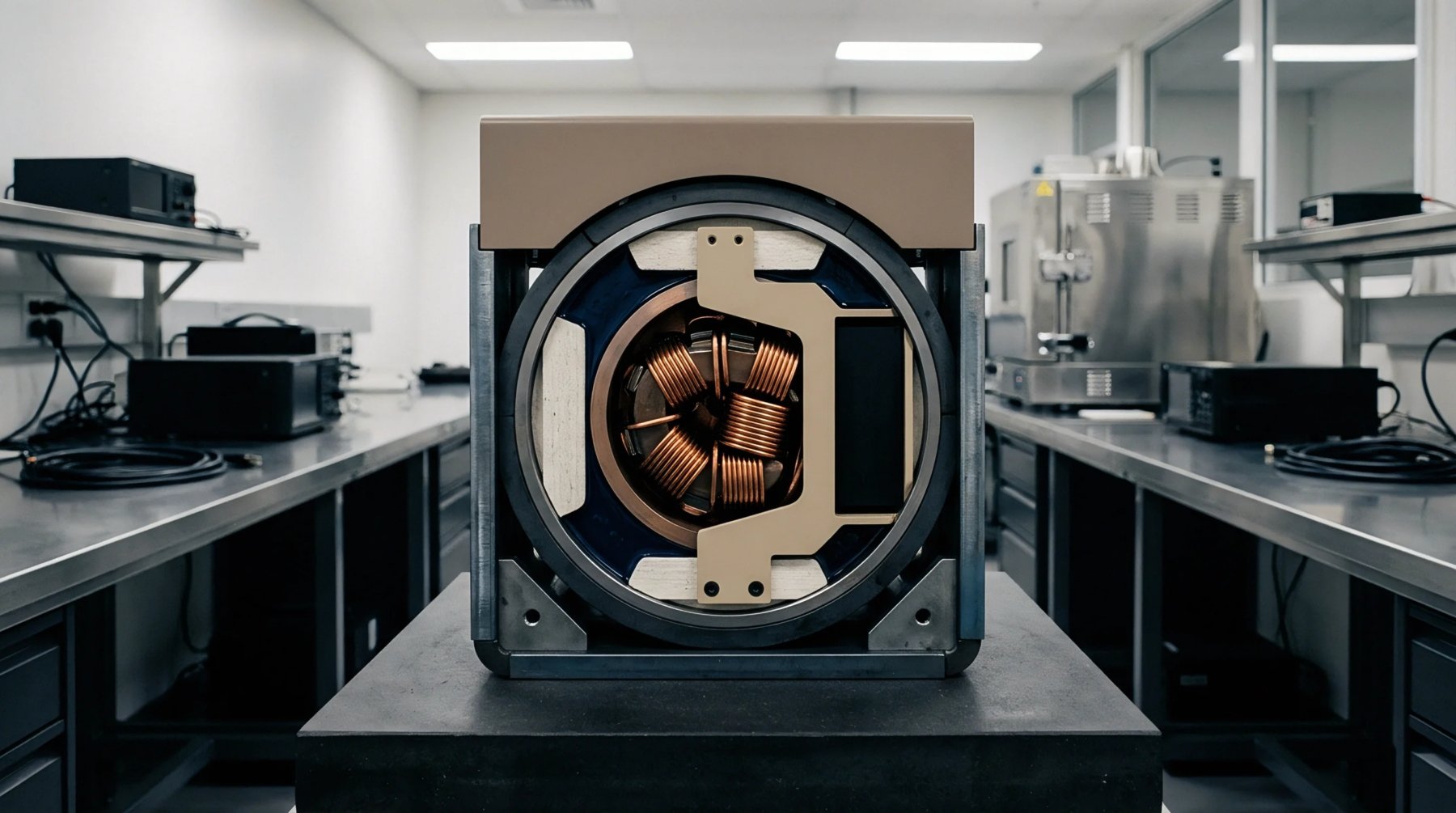
Host level pre scan verification systematically isolates host radiated spurious noise before accredited certification testing to prevent market entry delays.

Industrial Wi-Fi module selection demands matching OFDM guard intervals to measured hall delay spread while isolating 5 GHz spatial streams from local noise.

Mitigate third-party radio grant revocations through mandatory design escrow clauses, independent host verification testing, and dual-footprint layout strategies.

Trap-rich polysilicon passivation pins interface charges on high-resistivity silicon, suppressing surface conduction and harmonic spur spikes across RF switches.

Potting encapsulation shifts multi-band antenna resonance via dielectric loading, requiring precise trace tuning and Class II Permissive Change filings.
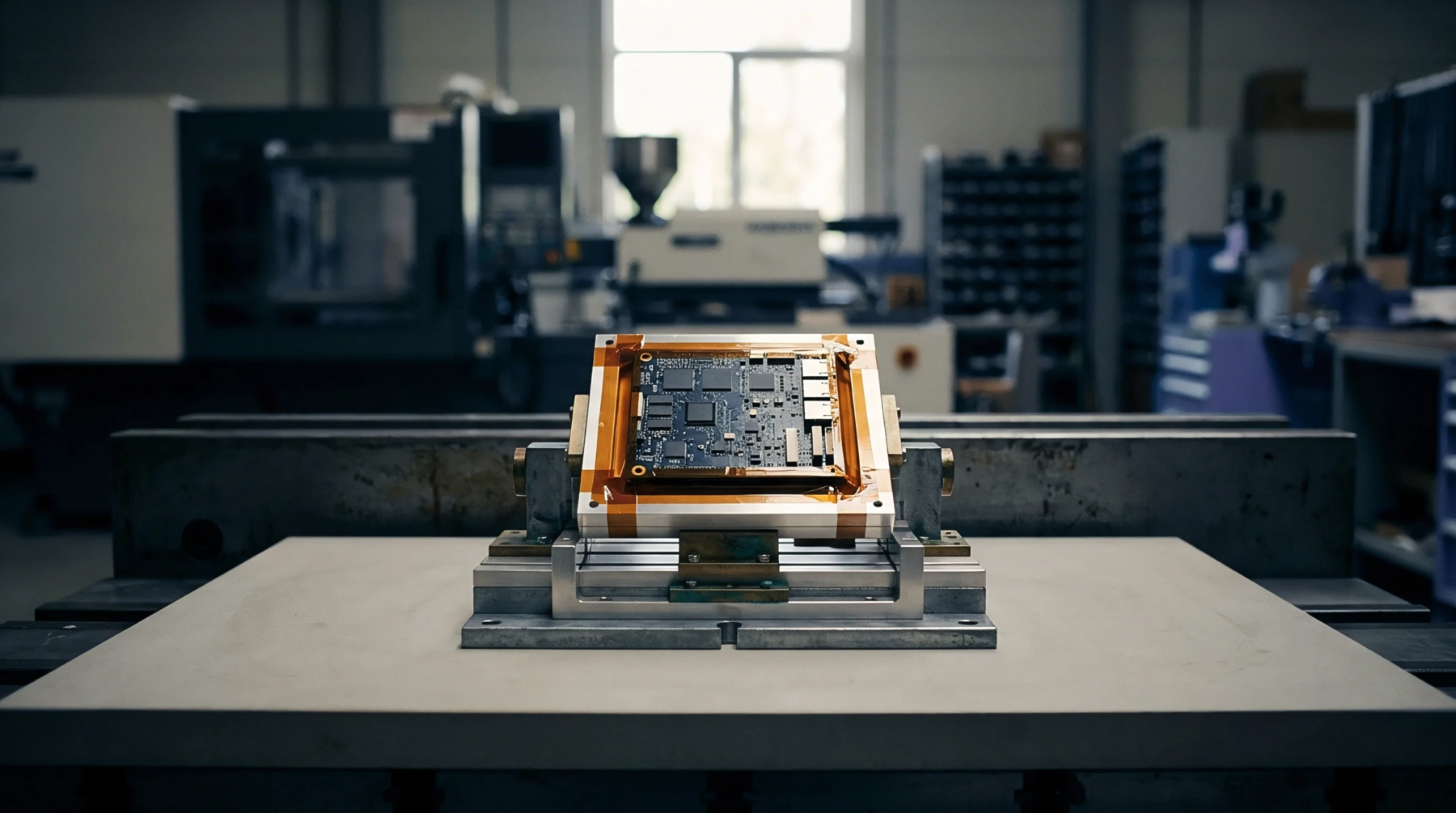
Host level re-testing for multi-transmitter industrial embedded devices requires evaluating simultaneous transmission intermodulation products inside a semi-anechoic chamber whenever antenna separation drops below 20 cm.
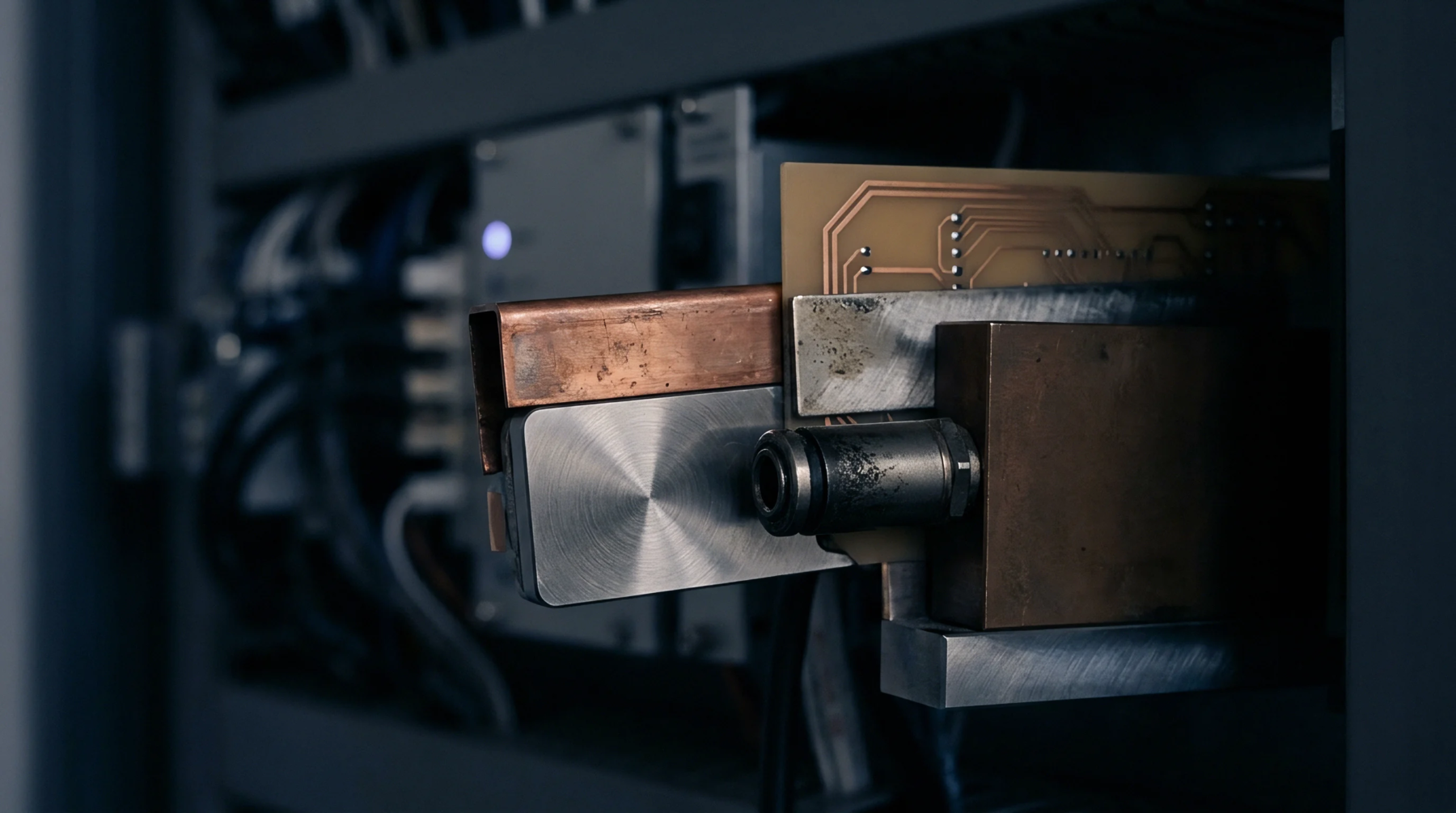
Verify import regulatory dockets by matching model identifiers, checking ISO/IEC 17025 lab accreditations, and auditing host modular integration scope.
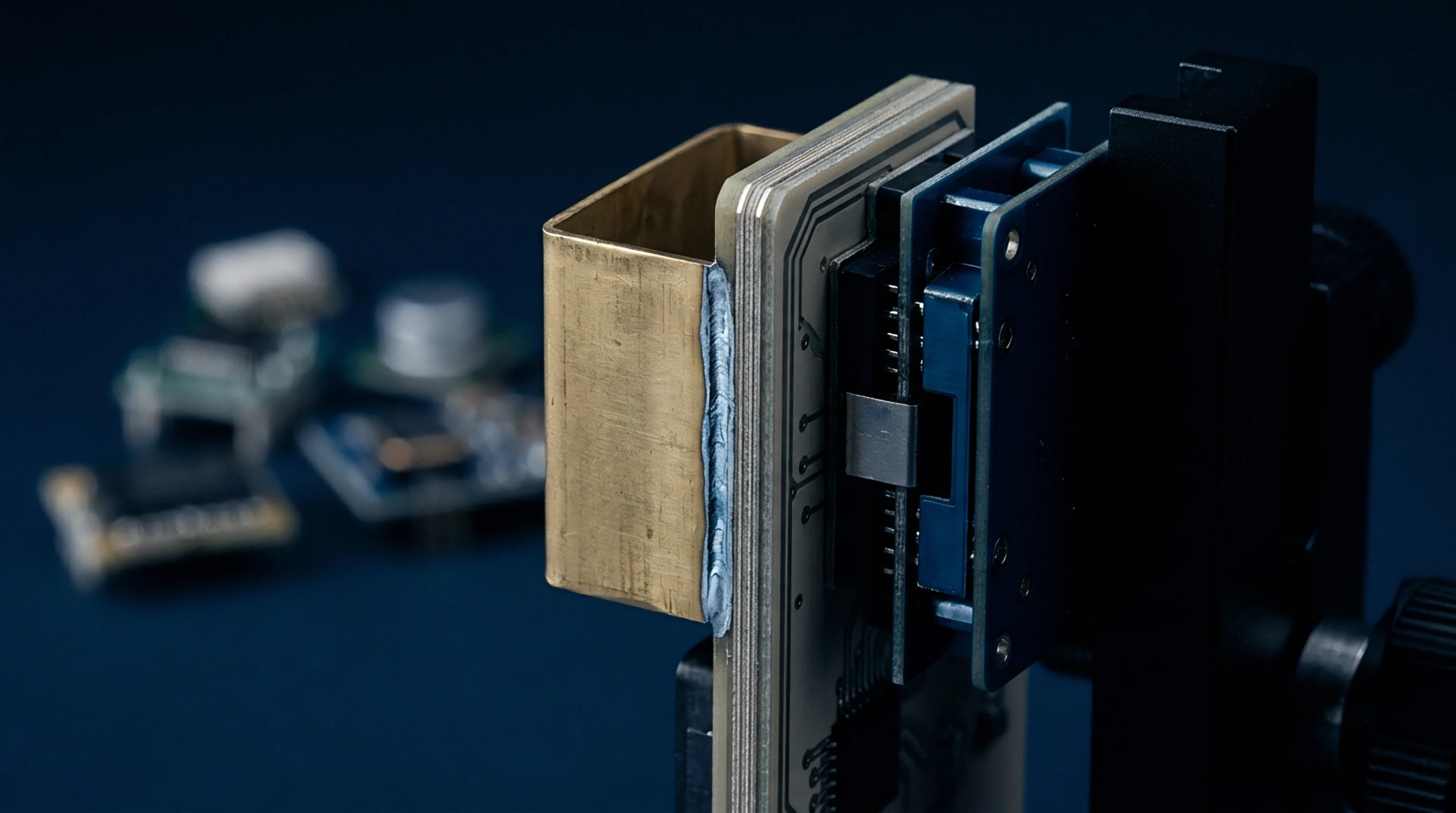
Evaluating supplier test reports against EU radio standards requires verifying ISO/IEC 17025 scopes, standard versions, and host power settings.

Modular radio grants only protect host products when integration documentation, antenna parameters, and Class II permissive change filings match final hardware.

Unaccredited test reports and defective declarations expose landed shipments to immediate border detention, mandatory re-testing, and complete inventory writedowns.
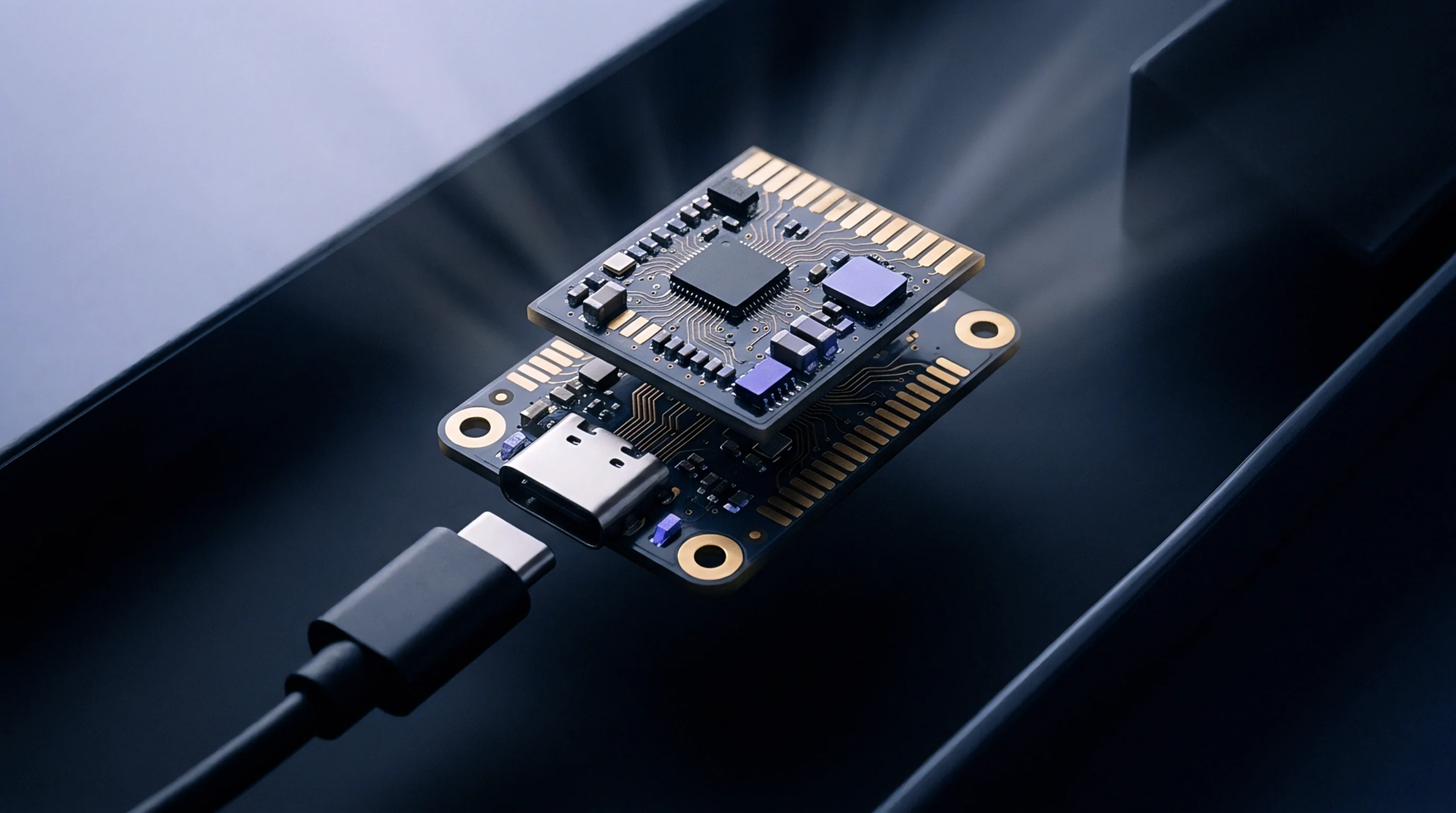
Harmonized standard presumption of conformity ends on the Official Journal cessation date, requiring updated test evidence or Notified Body type examination.

Configure CCA thresholds 6 dB above adjacent cell beacon power while enforcing transmit power control to prevent co-channel frame deferral and packet collapse.
Modular approvals shorten filing lead times when host layouts preserve trace geometry, enforce shielding limits, and observe strict permissive change boundaries.

Adding potting compound to an unpotted RF module demands Class II permissive change re-testing if dielectric loading increases radiated spurious emissions.
Expertise is a utility, not a secret. sentiention™ publishes its working knowledge as open reference: intelligence layer covering the materials it sources, the markets it enters, and the reference that serves both.