
Verifying Retest Data Coverage during Standard Dow Withdrawal Windows
Verify historical radio test data against newly harmonized standard clauses before Date of Withdrawal windows expire to prevent customs holds and non-compliance.
Verify historical radio test data against newly harmonized standard clauses before Date of Withdrawal windows expire to prevent customs holds and non-compliance.
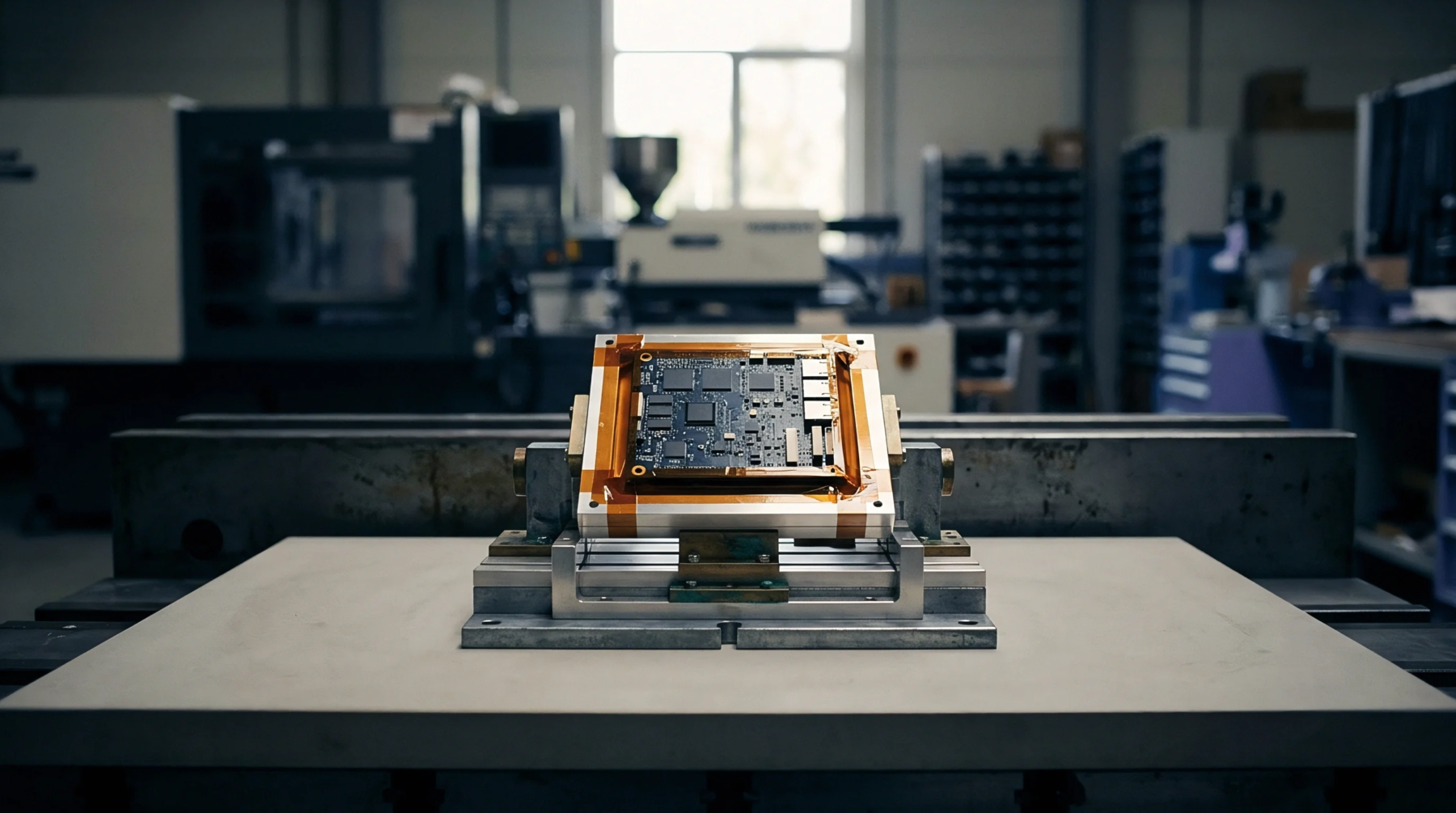
Auditing technical files against Official Journal standard updates requires precise gap evaluations, targeted delta retesting, and continuous Declaration of Conformity maintenance.
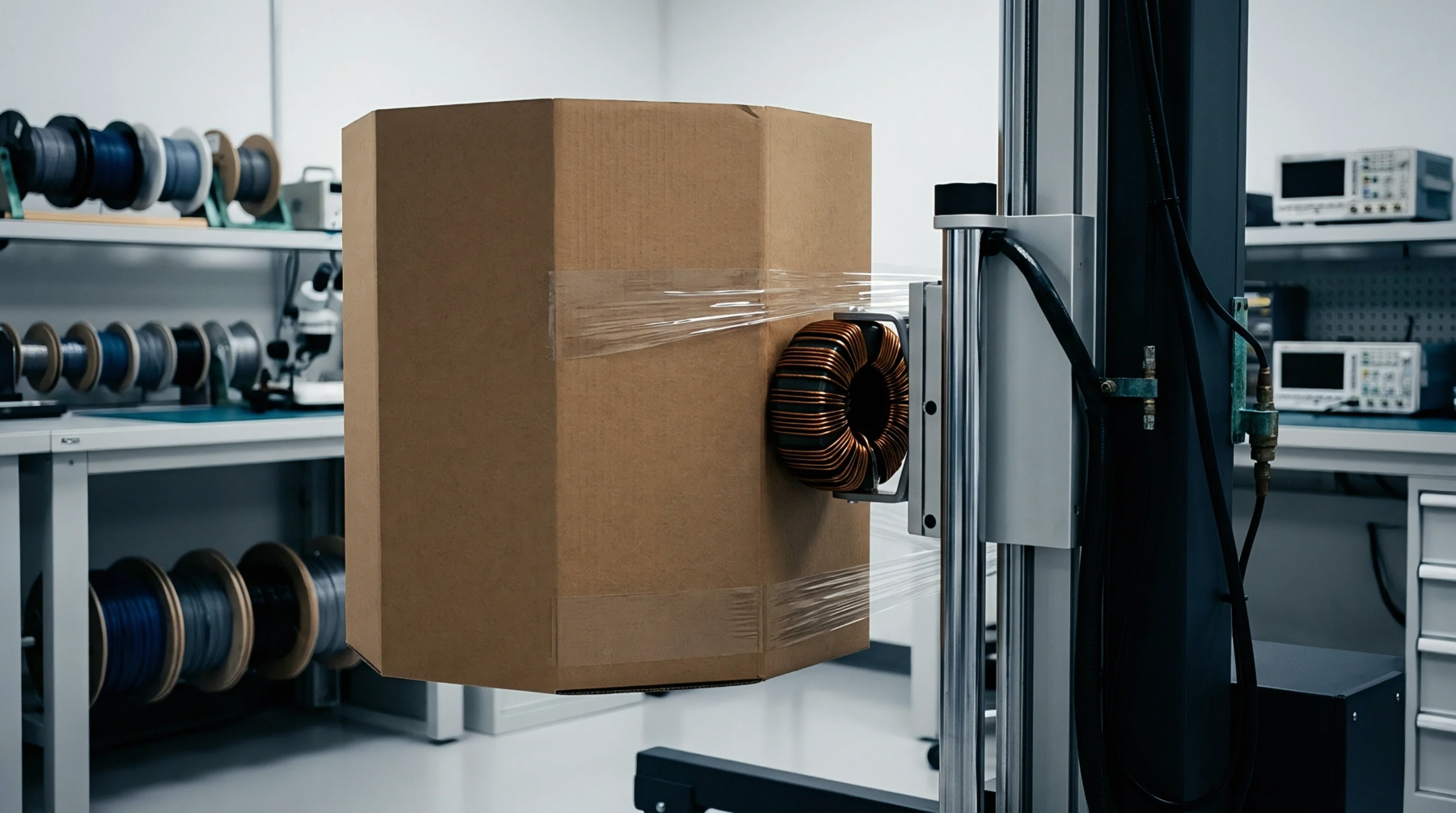
Updating host conformity declarations during standard revisions requires delta chamber testing, supplier report verification, and technical file alignment.
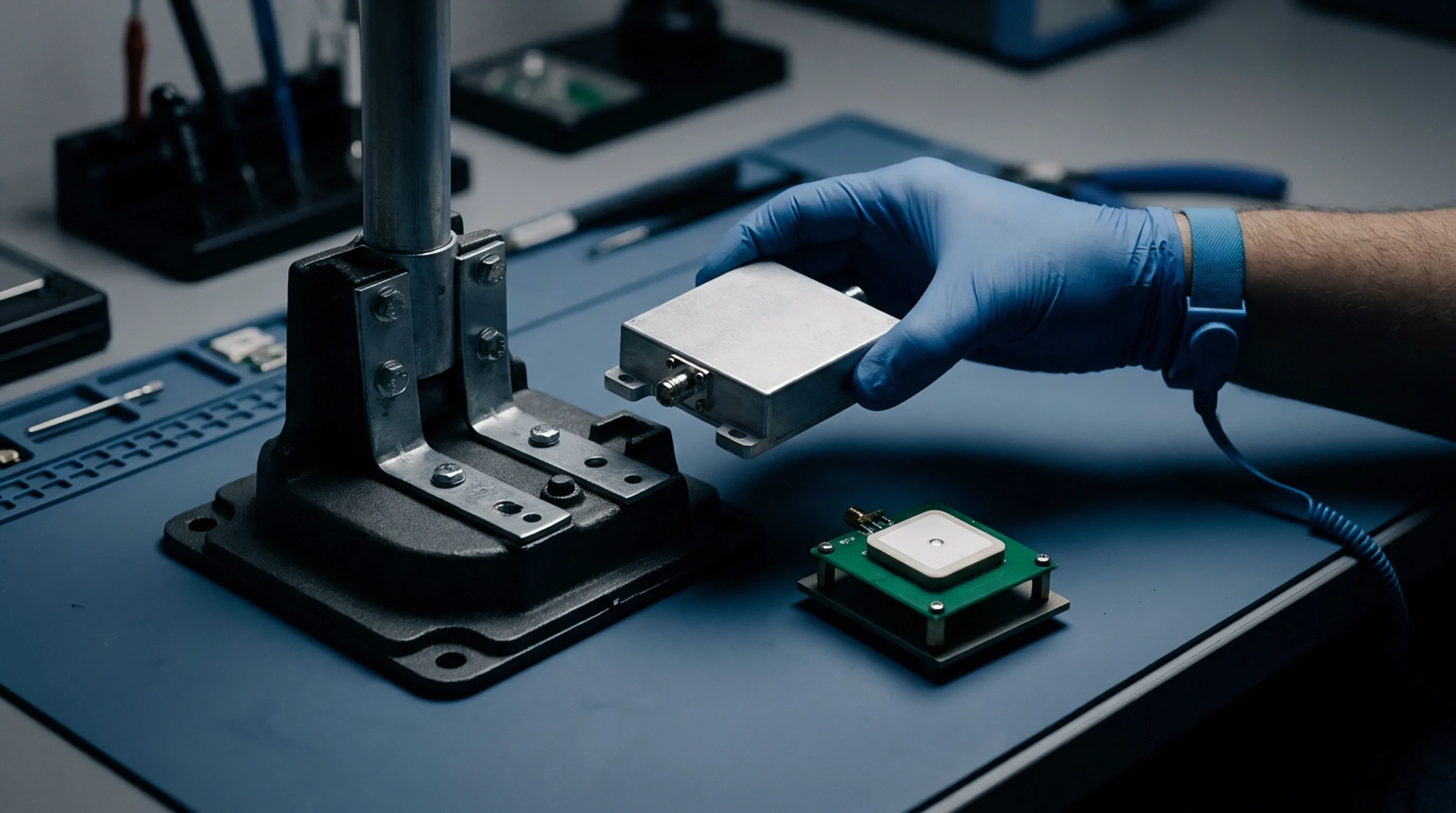
Transition deadlines under the Radio Equipment Directive end presumption of conformity, forcing module gap retests or Notified Body Type Examination.
Host integrators allocate multi-radio noncompliance costs through reference design indemnities, staged purchase retainage, and multi-region pre-scans.

Setting base clear channel assessment preamble limits balances preamble correlation sensitivity against ambient noise to maximize network throughput and spatial reuse.

Cryptographic chain of custody proofs bind raw RF test receiver logs to self-assessed radio declarations preventing customs rejections.
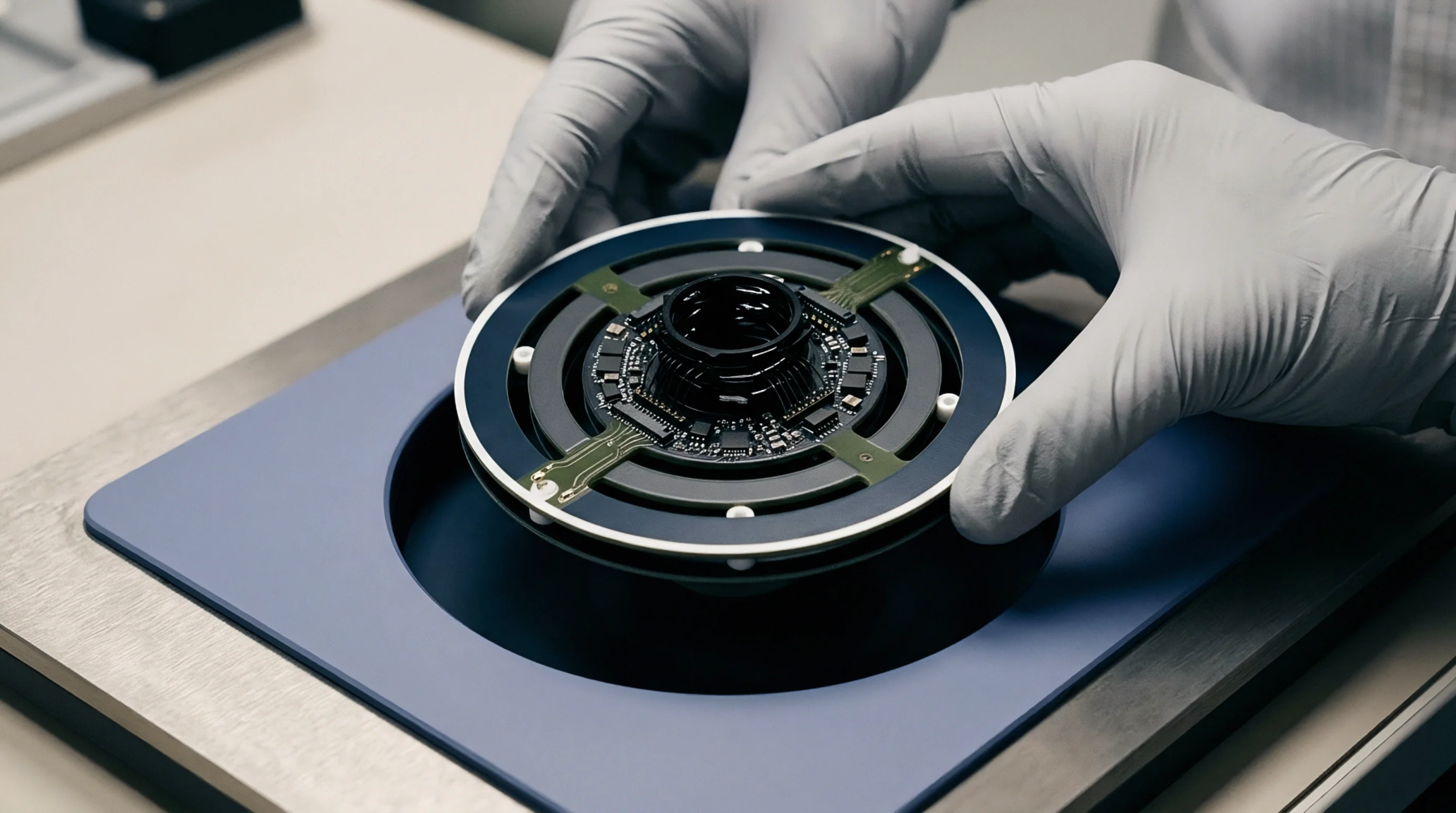
ETSI adaptivity rules enforce energy detect thresholds that force radios into transmission backoff when local unlicensed noise floors exceed regulatory ceilings.

Adjusting spatial reuse thresholds from -82 dBm to -62 dBm scales aggregate industrial Wi-Fi throughput by 180 percent while requiring 6 dB transmit power backoff.

Non-accredited RF test dossiers require continuous calibration chains to SI standards and recalculation of excess measurement uncertainty against CISPR limits.

Mismatching regional unlicensed band profiles forces firmware backoff, driving a 14 dB effective link margin reduction and doubling cell edge power consumption.

Verifying laboratory accreditation requires matching exact test standards and frequency bands against active scope documents listed in regulatory recognition databases.

Mitigate multi-radio co-location intermodulation failures during antenna permissive change filings using RF filtering, spatial isolation, and firmware power backoff.

Antenna substitutions in host products demand strict spot-check retesting and permissive change filings whenever peak gain or radiation patterns deviate.

Antenna equivalence requires matching passive peak gain and directivity profile within certified limits to maintain host modular approval without re-filing.

Cross-border radio nominee risk requires separating legal representation from distribution while holding direct Grantee Code ownership and central TCF escrow.

Commercial radio importers hold legal liability for verifying modular grants, maintaining local agents, and securing regional type approvals before customs entry.

Aligning subassembly marking with customs clearance requires verified modular grants, HTS accuracy, and explicit OEM assembly declarations on import manifests.
Seized wireless shipments require bonded warehouse firmware reflashing to locked production builds and corrective carton relabeling matching regulatory grants.

Resolving customs holds from unconfigured hardware requires bonded warehouse re-flashing under supervisory seals to enforce regional power limit tables

Calculate expanded uncertainty using quiet zone spatial deviations to set clear guard bands that ensure first-pass formal compliance testing success.

Host enclosure alterations, ground plane shifts, and multi-radio colocation void modular wireless grants, requiring structured host-level re-evaluations.

Unverified radio subsystem certificates expose host freight to severe port demurrage, emergency re-testing costs, and total cargo seizure at customs gates.

Cross-border radio module verification requires auditing public regulator databases to validate active grant status, power limits, and permissive change scopes.
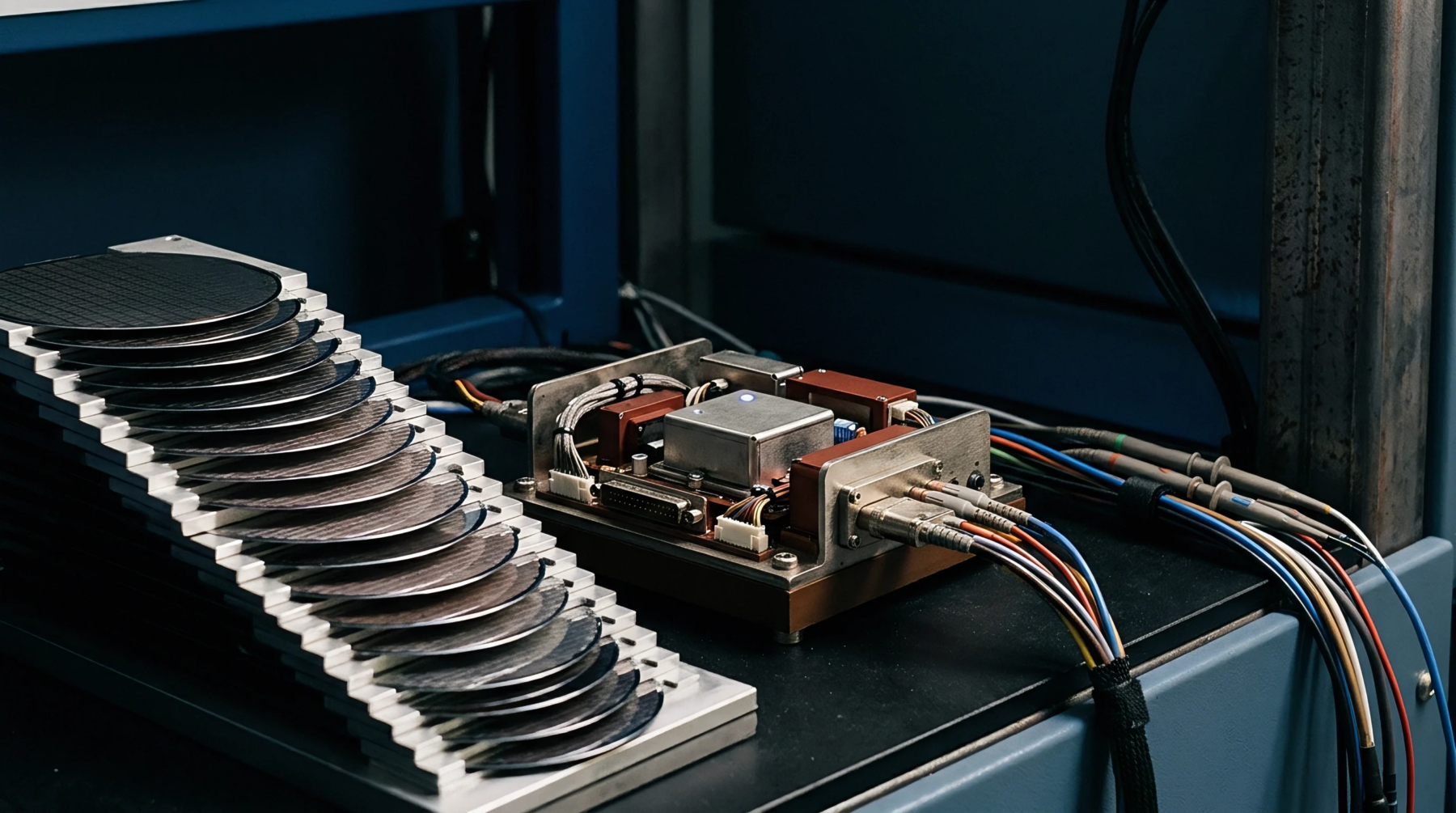
Collocated industrial radio compliance demands physical isolation and joint transmitter spurious measurements when passive non-linearities trigger intermodulation.

Firmware adjustments altering multi-radio output power or duty cycles past established regulatory delta thresholds mandate targeted radiated spurious chamber retesting.

Altering host enclosures or antennas invalidates modular radio grants, demanding radiated spurious testing and formal permissive changes before product launch.

Uncontrolled resin curing shifts housing permittivity, detuning antennas and triggering costly Class II recertifications through failed harmonic limits.

Controlling near-field dissipation loss demands sub-0.1 µg/cm² ionic cleaning of flux residues to prevent dielectric antenna detuning and grant failures.

Gel fraction metrics above ninety two percent prevent moisture induced permittivity shift and eliminate radiated spurious emission failures in encapsulated antennas.
Expertise is a utility, not a secret. sentiention™ publishes its working knowledge as open reference: intelligence layer covering the materials it sources, the markets it enters, and the reference that serves both.