
LoRa Duty Cycle Ceilings That Decide Payload Frequency
LoRa duty cycle ceilings restrict packet frequency by limiting hourly transmission airtime, forcing trade-offs between spreading factor, payload size, and battery life.
LoRa duty cycle ceilings restrict packet frequency by limiting hourly transmission airtime, forcing trade-offs between spreading factor, payload size, and battery life.

Non-volatile duty cycle accumulators preserve airtime state across power cycles, preventing illegal spectrum over-transmission in unlicensed sub-GHz hardware.

Regional spectrum rules force sub-GHz IoT hardware into three distinct SKU builds to optimize front-end matching, maintain link budget, and pass certification.
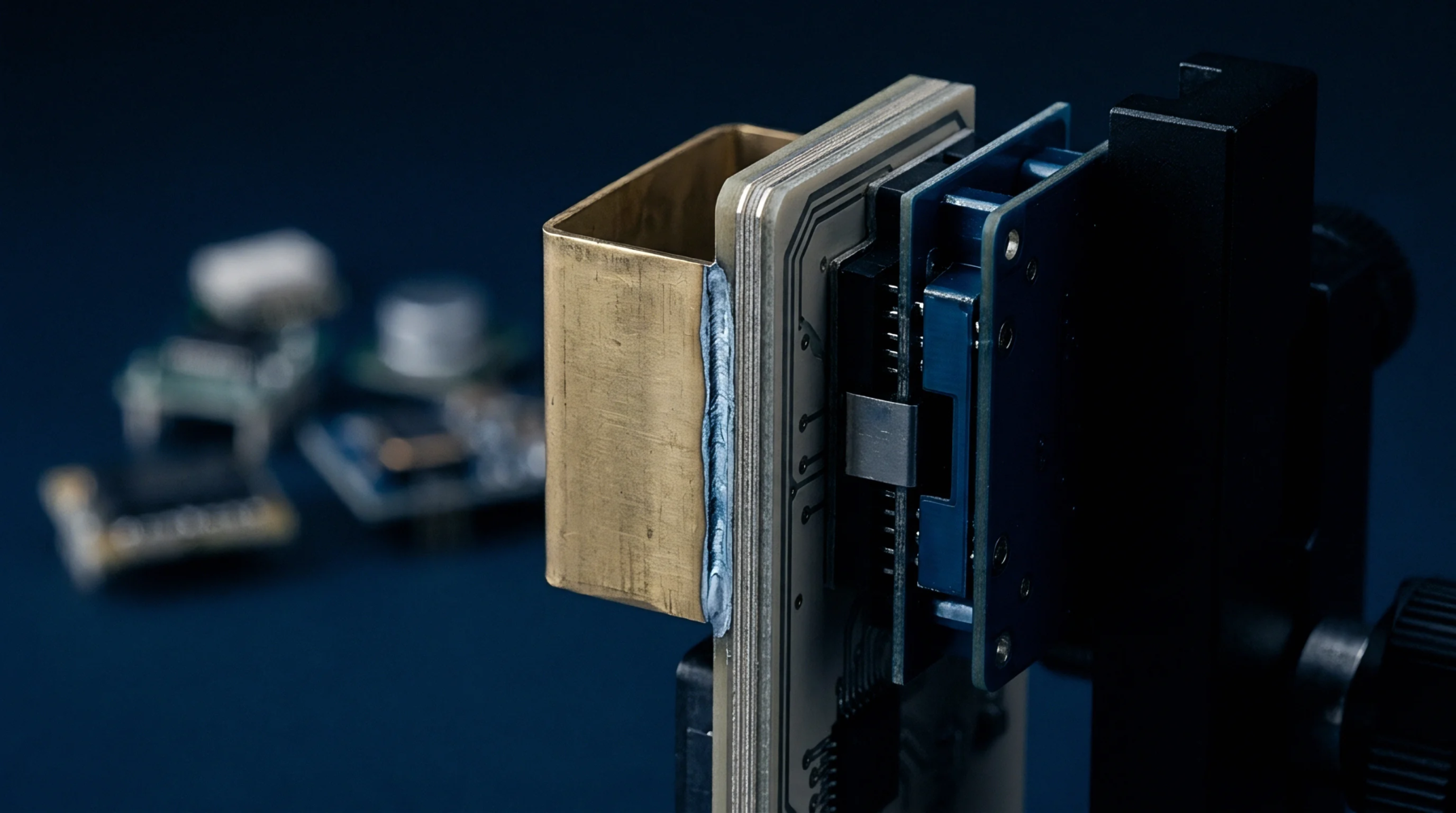
Evaluating supplier test reports against EU radio standards requires verifying ISO/IEC 17025 scopes, standard versions, and host power settings.

Configure CCA thresholds 6 dB above adjacent cell beacon power while enforcing transmit power control to prevent co-channel frame deferral and packet collapse.

Effective multi-market RF qualification requires pricing laboratory measurement variance and host integration failure risks directly into contingency budgets.

Initial active listening and channel scanning overhead in battery-powered Zigbee end devices can rapidly drain battery reserves prior to network association.
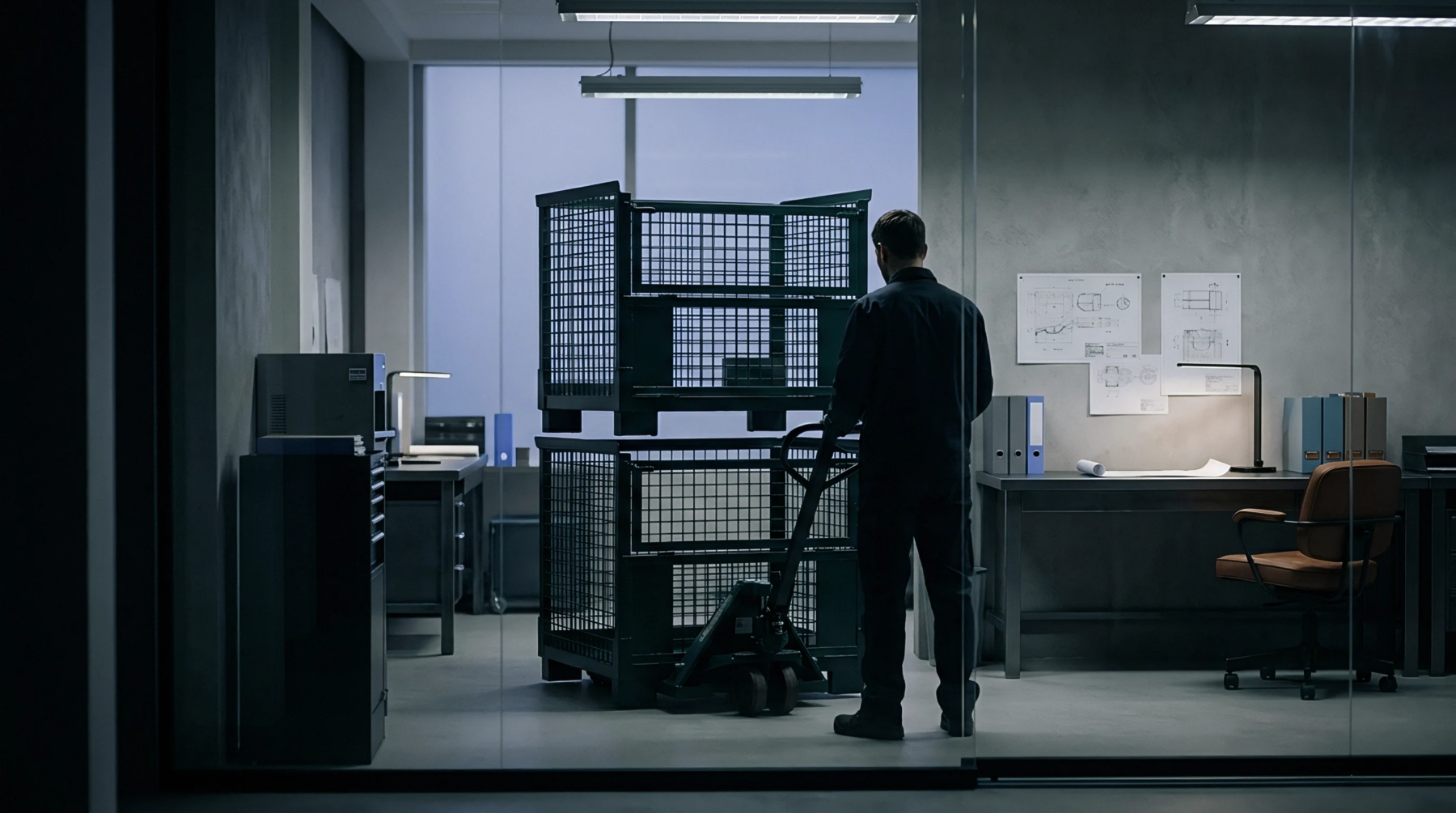
Standardizing RF front-end pad layouts allows single-PCB hardware deployments across distinct regional sub-GHz band plans without board respins.

Regional sub-GHz regulatory splits force strict hardware tradeoffs between single wideband BOMs and optimized regional RF front-end variants.
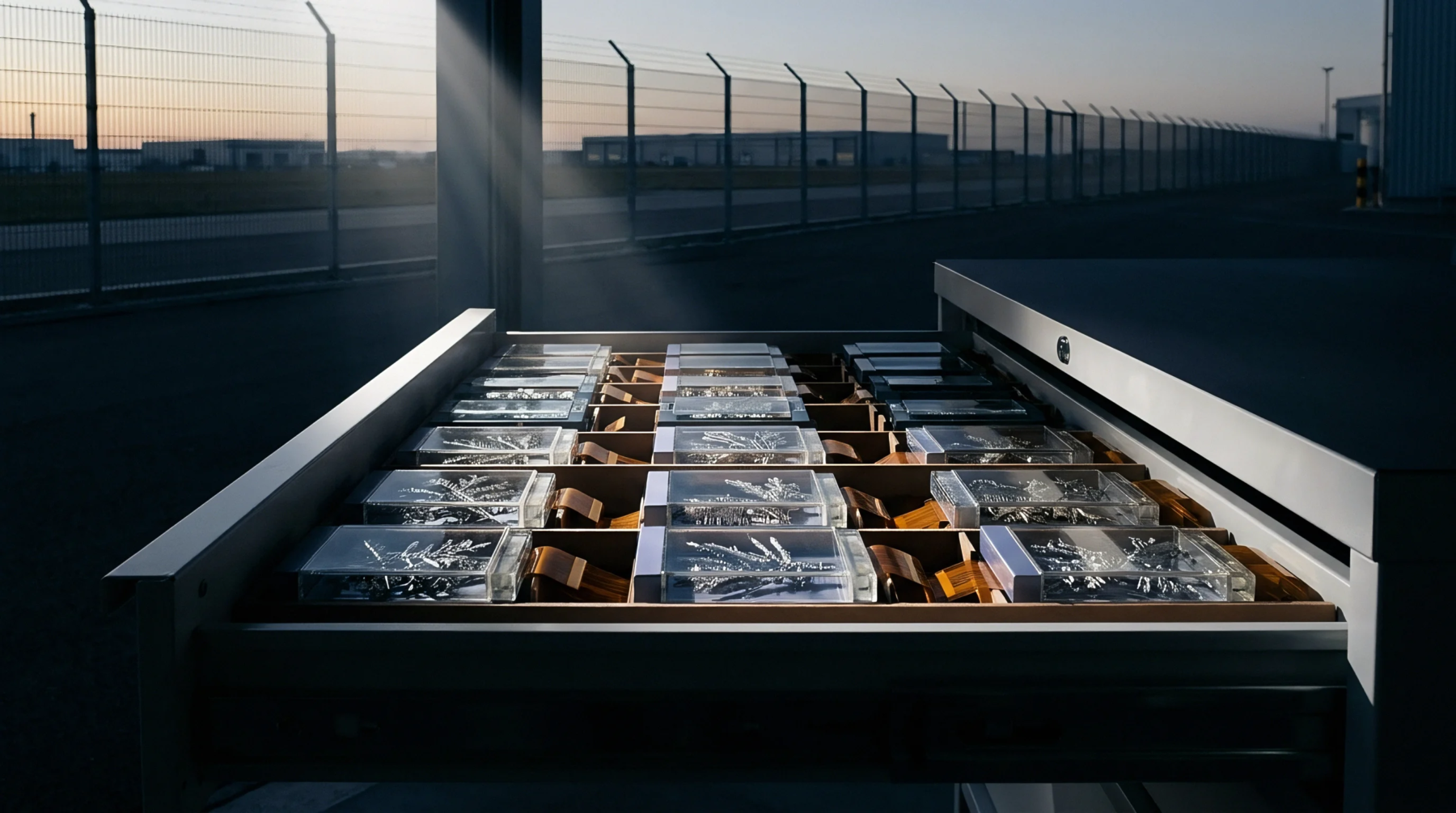
Raising default clear channel assessment thresholds boosts aggregate Wi-Fi network throughput in high-density deployments by trading client SINR for spatial reuse.
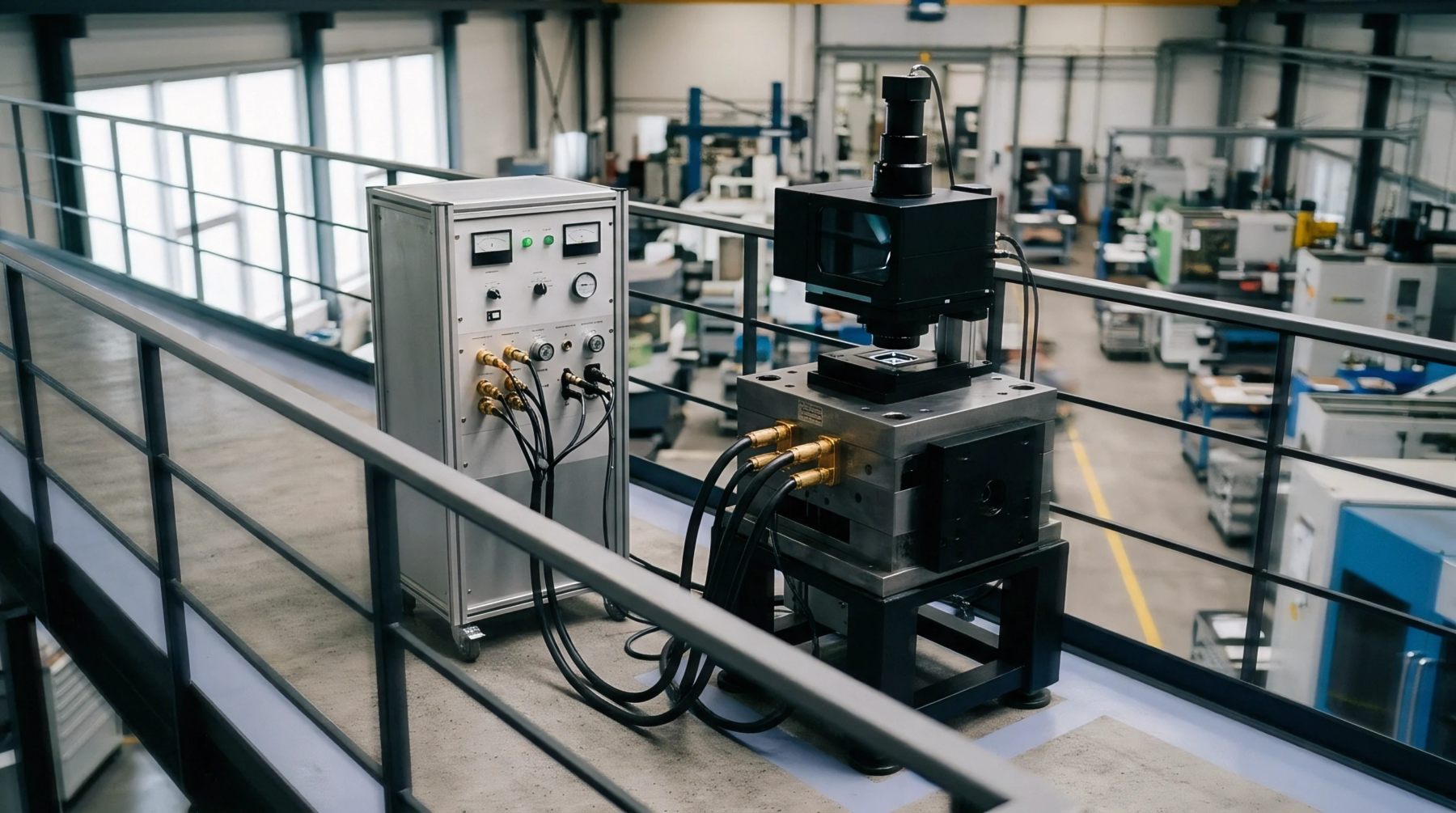
Securing global port radio approvals for off-grid cryptographic seals requires matching regional sub-GHz power ceilings before final host integration.

Dynamic Clear Channel Assessment adjusts signal detection thresholds to suppress deferral and restore airtime in high-density Wi-Fi networks.
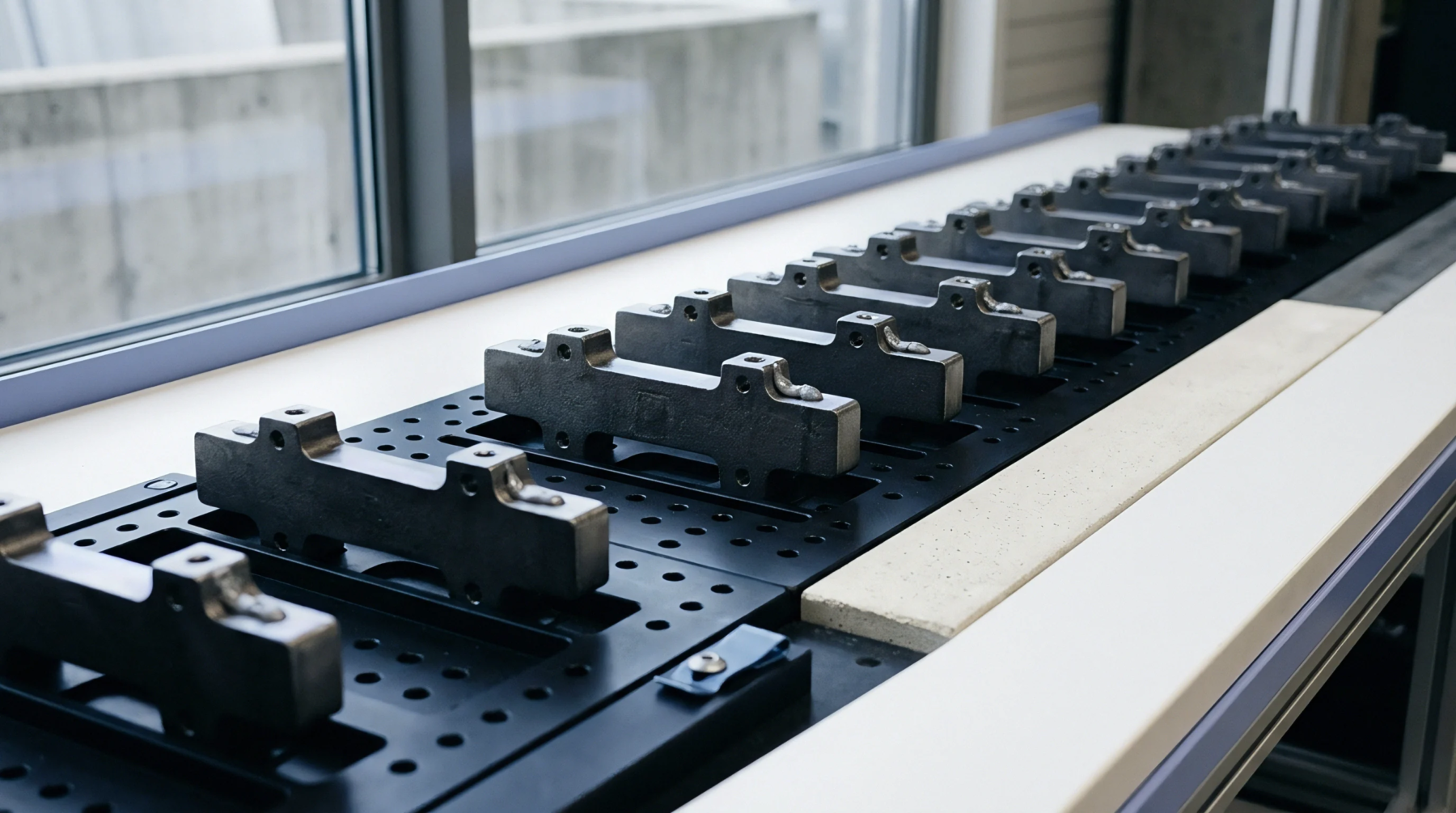
Aggressive dynamic CCA elevation trades spatial isolation for medium concurrency, raising co-channel interference floors and forcing MCS drops on distant stations.

Edge-triggered dual-radio buffer architecture staging fast edge interrupts into local non-volatile RAM prevents data loss during link state handoffs.
Sub-GHz link margin calculations require combining receiver sensitivity, regulatory power limits, log-distance path loss, and enclosure detuning losses.
Mitigate multi-radio coexistence interference by combining 35 dB front-end isolation, steep ceramic harmonic filtering, and deterministic line arbitration.
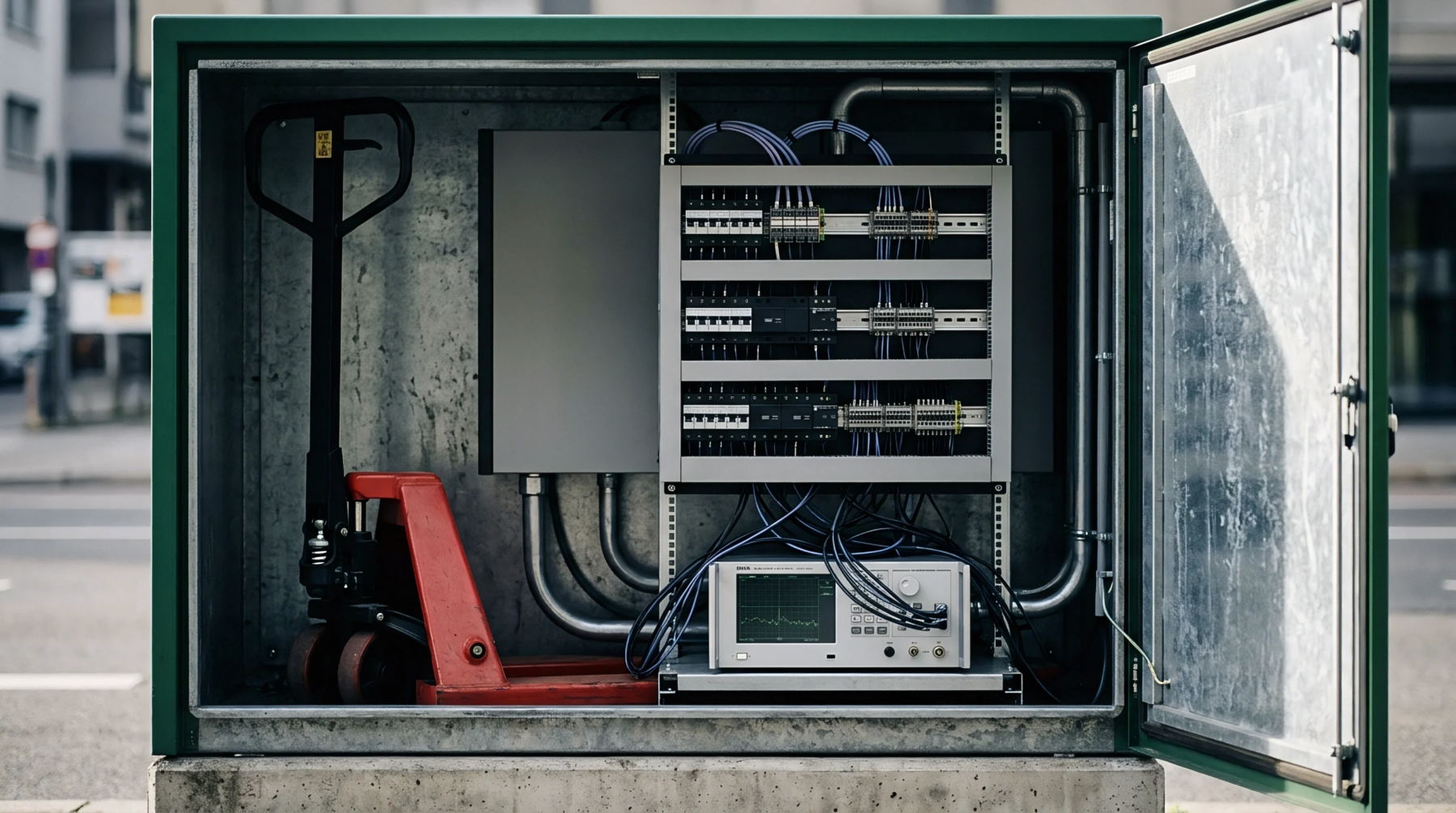
Sub-gigahertz selection pairs high link budgets with regional duty limits to pierce reinforced slabs without sacrificing multi-year battery lifespans.

Sub-GHz links deliver up to 9 dB lower path loss and strong obstacle penetration, but 2.4 GHz transceivers reduce energy per bit and simplify global compliance.
Sub-gigahertz duty cycles enforce throughput limits that increase latency, whereas 2.4 GHz bands accept higher co-channel interference for deterministic timing.

Non-volatile phase registers preserve duty-cycle tracking across multi-year aggregation windows to prevent regulatory violations during brownouts.
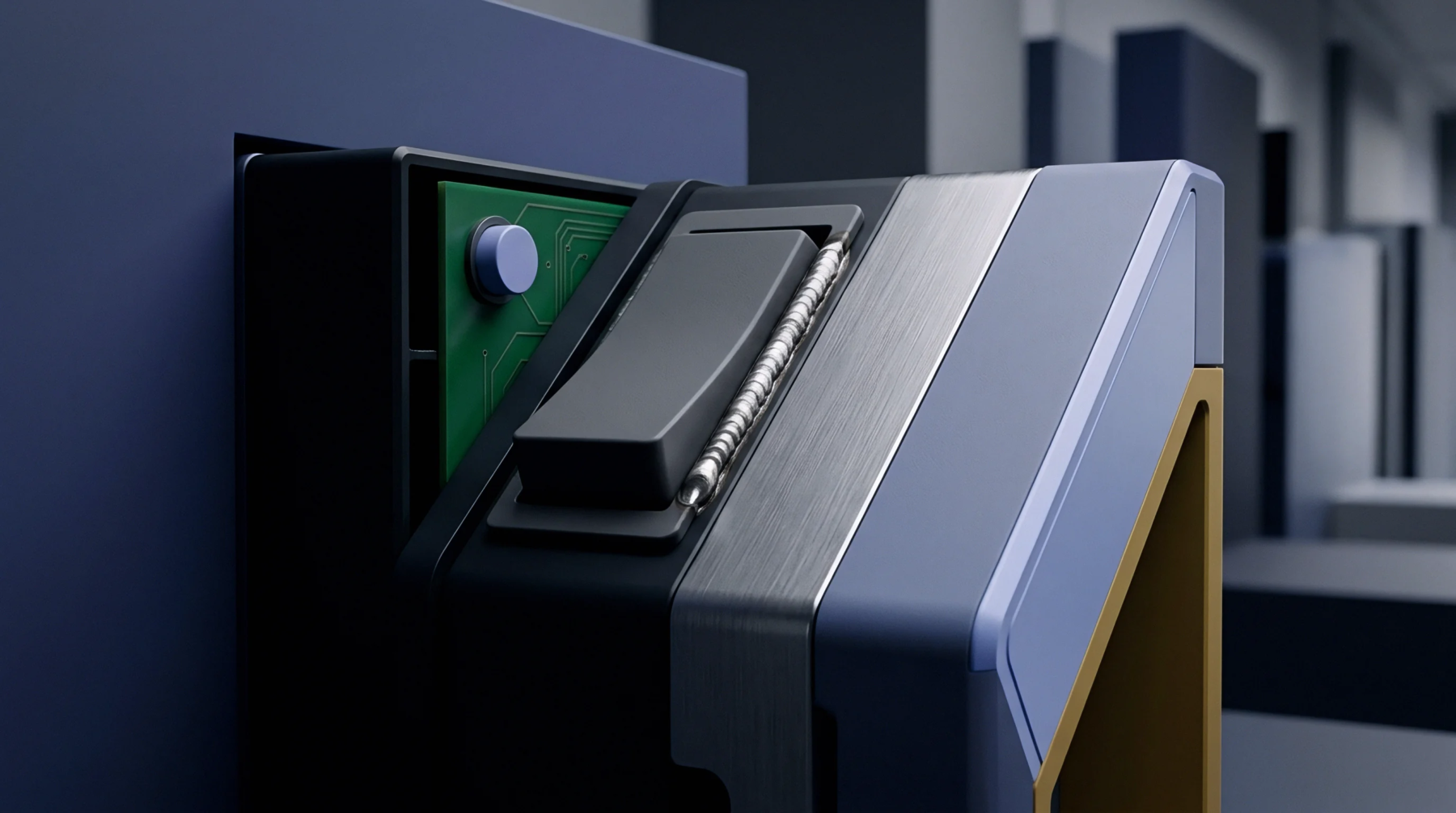
Coverage enhancement repetitions accelerate primary lithium thionyl chloride battery degradation by driving passivated cells into fatal voltage delay.
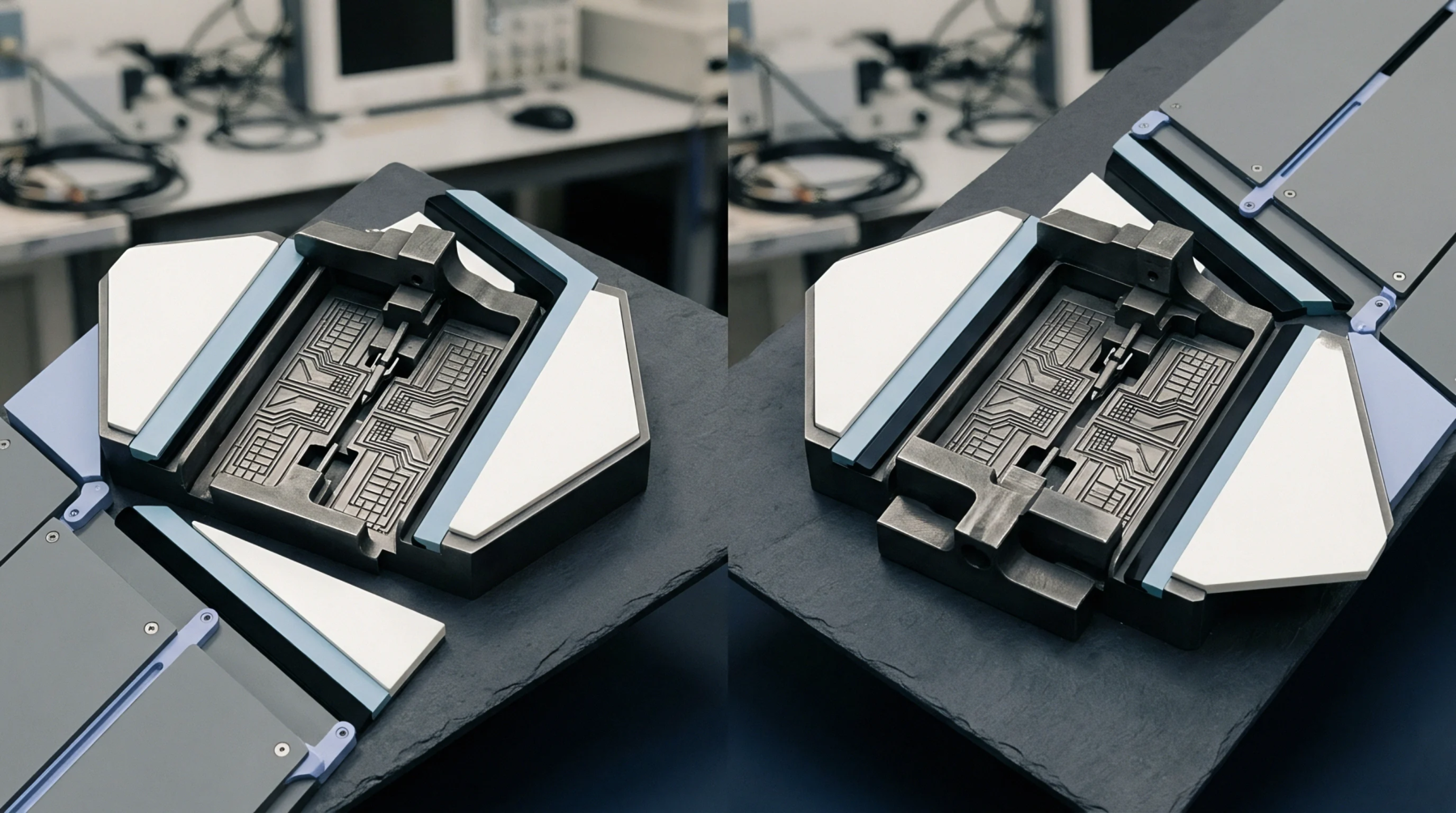
Adaptive temperature polling in sub-GHz radios is constrained by regulatory airtime ceilings, crystal frequency drift, and battery voltage droop under thermal transients.

Mismatching regional unlicensed band profiles forces firmware backoff, driving a 14 dB effective link margin reduction and doubling cell edge power consumption.
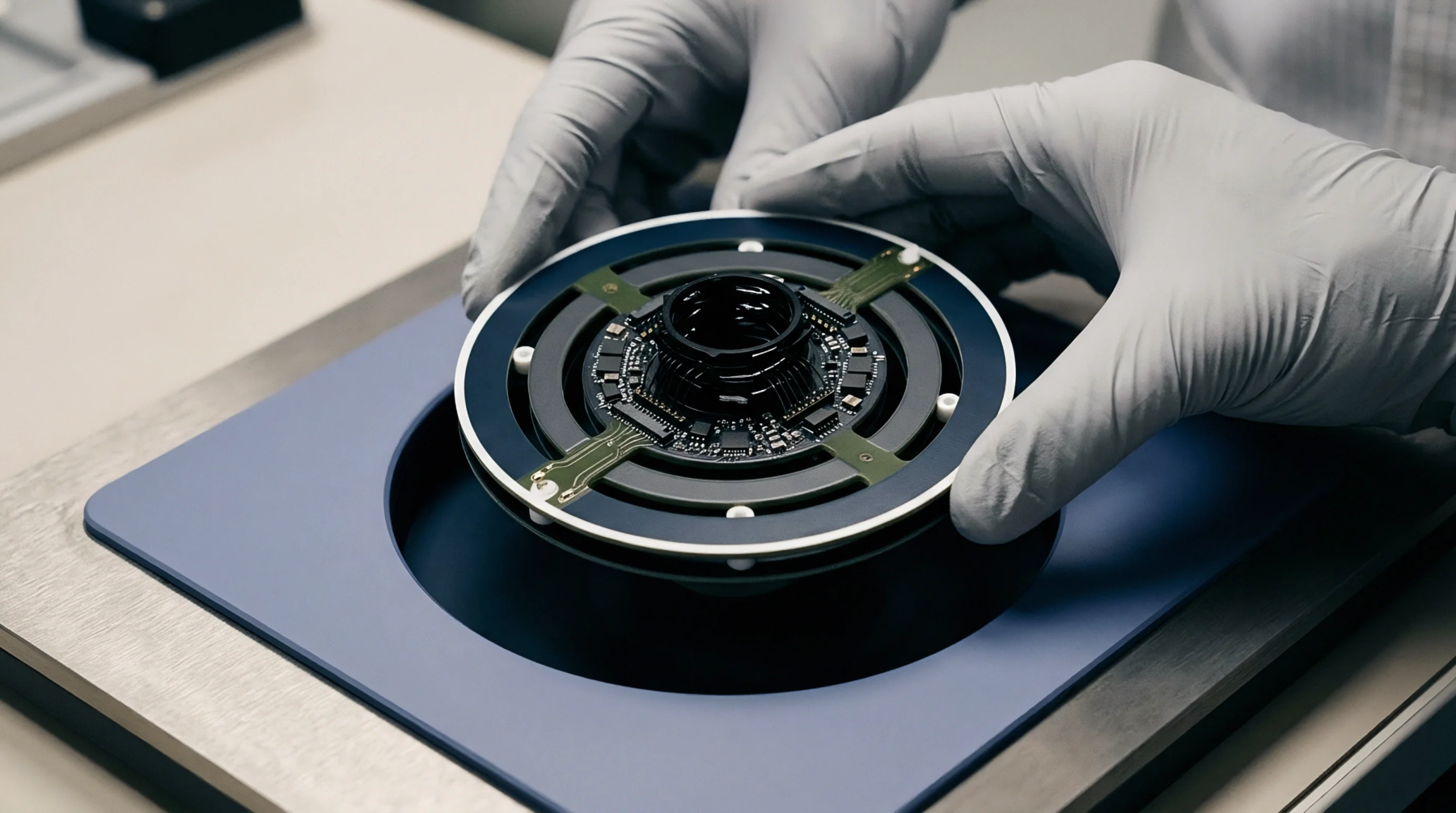
ETSI adaptivity rules enforce energy detect thresholds that force radios into transmission backoff when local unlicensed noise floors exceed regulatory ceilings.
Setting base clear channel assessment preamble limits balances preamble correlation sensitivity against ambient noise to maximize network throughput and spatial reuse.

Dynamic channel fading accelerates localized battery depletion in industrial topologies by driving up packet retries and power amplifier transmission durations.

Spatial multiplexing radios use channel matrices and dynamic thresholds to assess medium occupancy directionally, preventing false deferrals in dense cells.

Dynamic clear channel assessment elevation degrades multi-user link reliability when channel aging velocity exceeds physical layer frame duration.

Regional duty cycle allocations cap sub-GHz industrial transceiver throughput, requiring firmware-enforced airtime tracking or Listen-Before-Talk channel access.

Airtime equations establish exact millisecond RF exposure, enabling firmware token governors to enforce regional regulatory caps and protect battery life.
Expertise is a utility, not a secret. sentiention™ publishes its working knowledge as open reference: intelligence layer covering the materials it sources, the markets it enters, and the reference that serves both.