
Resolving Inter-Agency Permissive Change Discrepancies for High-Density Encapsulated Radio Subsystems
Matching dielectric change limits across FCC, ETSI, and MIC avoids regulatory re-filing traps when modifying encapsulated radio potting compounds.
Matching dielectric change limits across FCC, ETSI, and MIC avoids regulatory re-filing traps when modifying encapsulated radio potting compounds.

Class Two Permissive Changes are triggered when physical, antenna, or firmware modifications alter RF emissions or RF exposure without exceeding original grant limits.
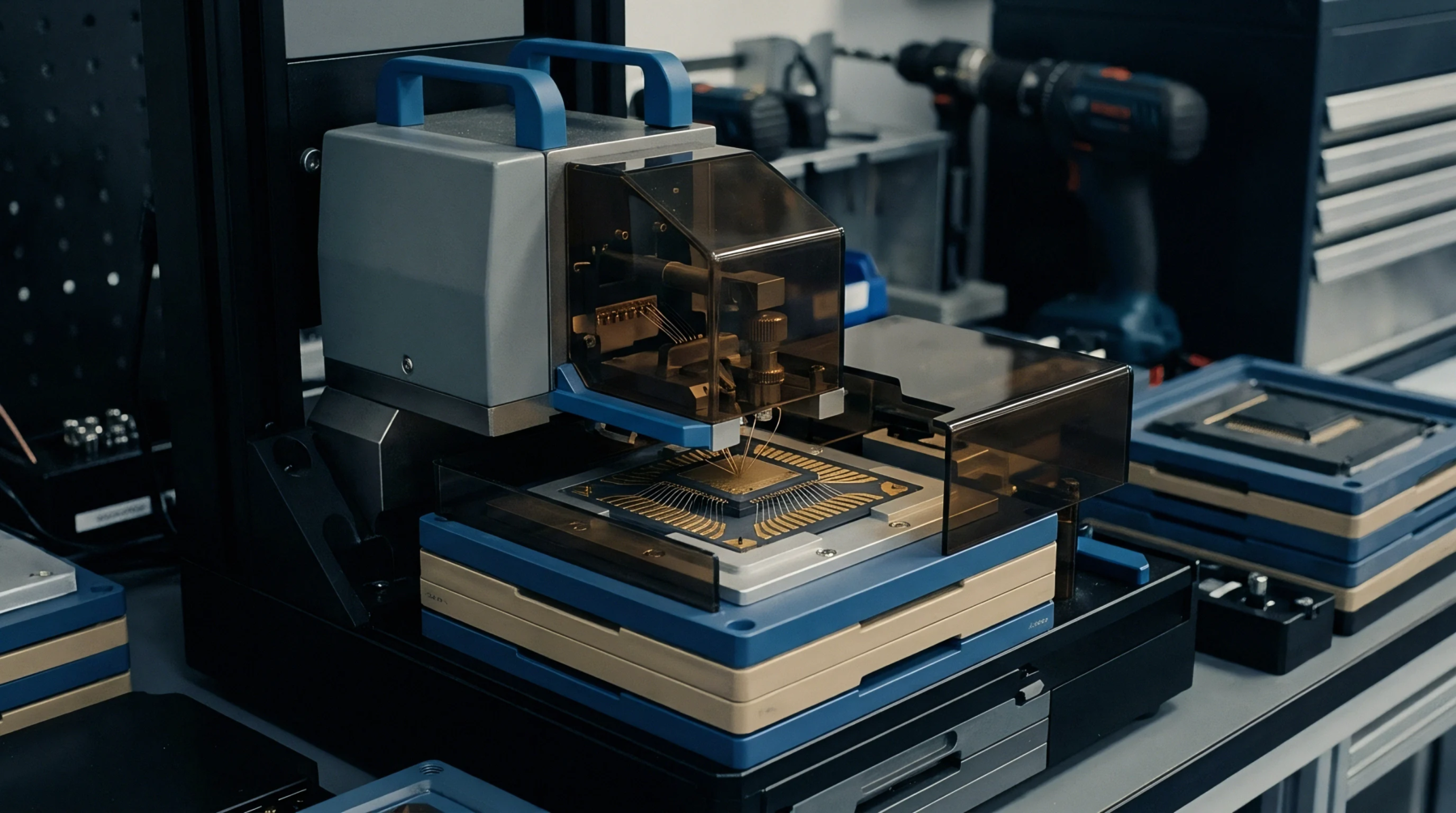
Automated multi-site boundary scan verifies module registers by routing broadcast stimulus to parallel sockets with isolated per-site response comparators.

Reclassifying wireless SiP transceivers from duty-free MCO tariff heading 8542.39 to apparatus heading 8517.62 hinges on proving substrate passive integration.

Classification under heading 8542 demands mold-encapsulated leadframe or silicon substrates without printed wiring, securing zero percent ITA tariff treatment.
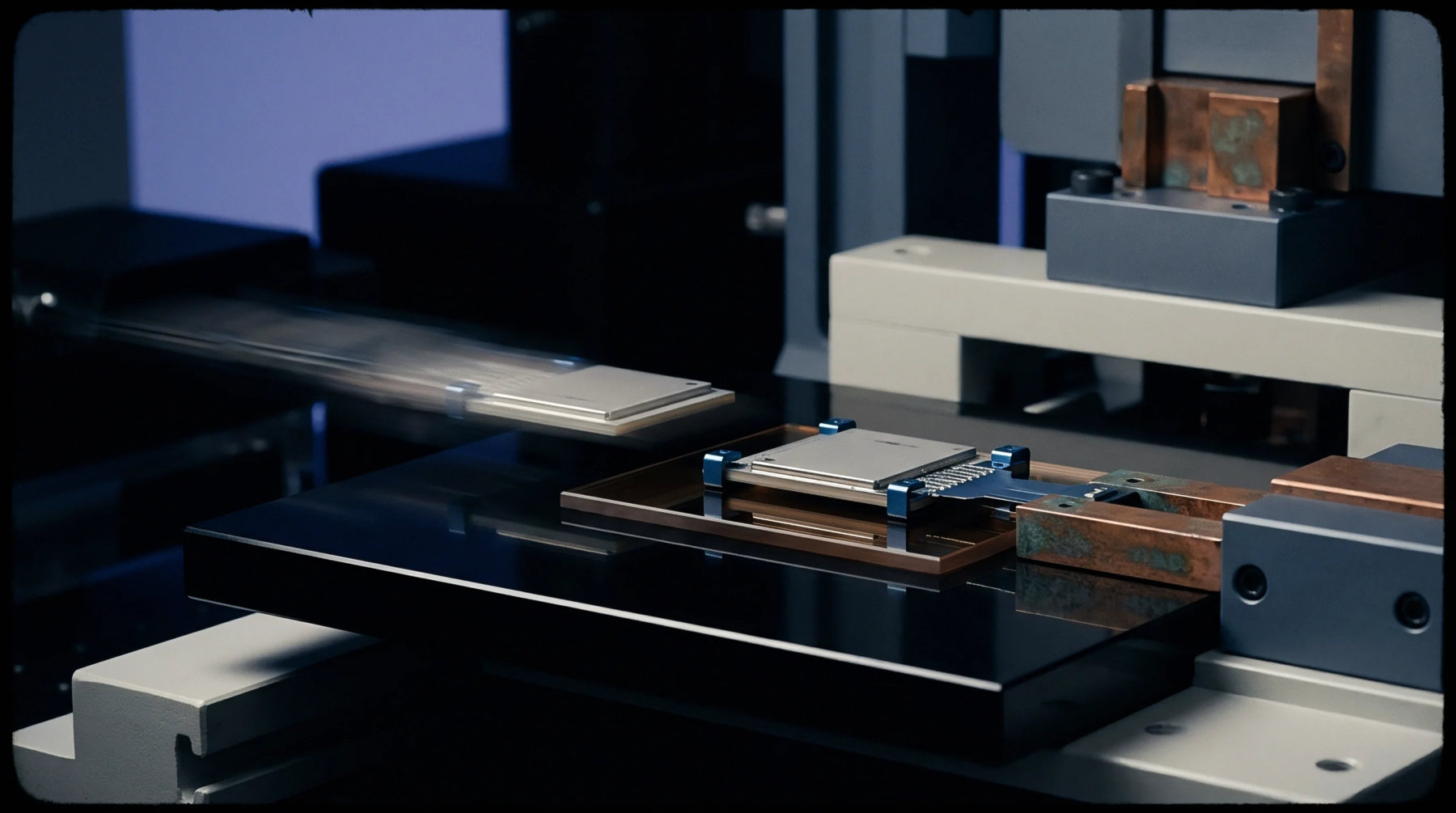
Verify packaging internal discretes against HS Note 9(b)(4) before import to prevent reclassification from duty-free ICs into detained wireless apparatus.
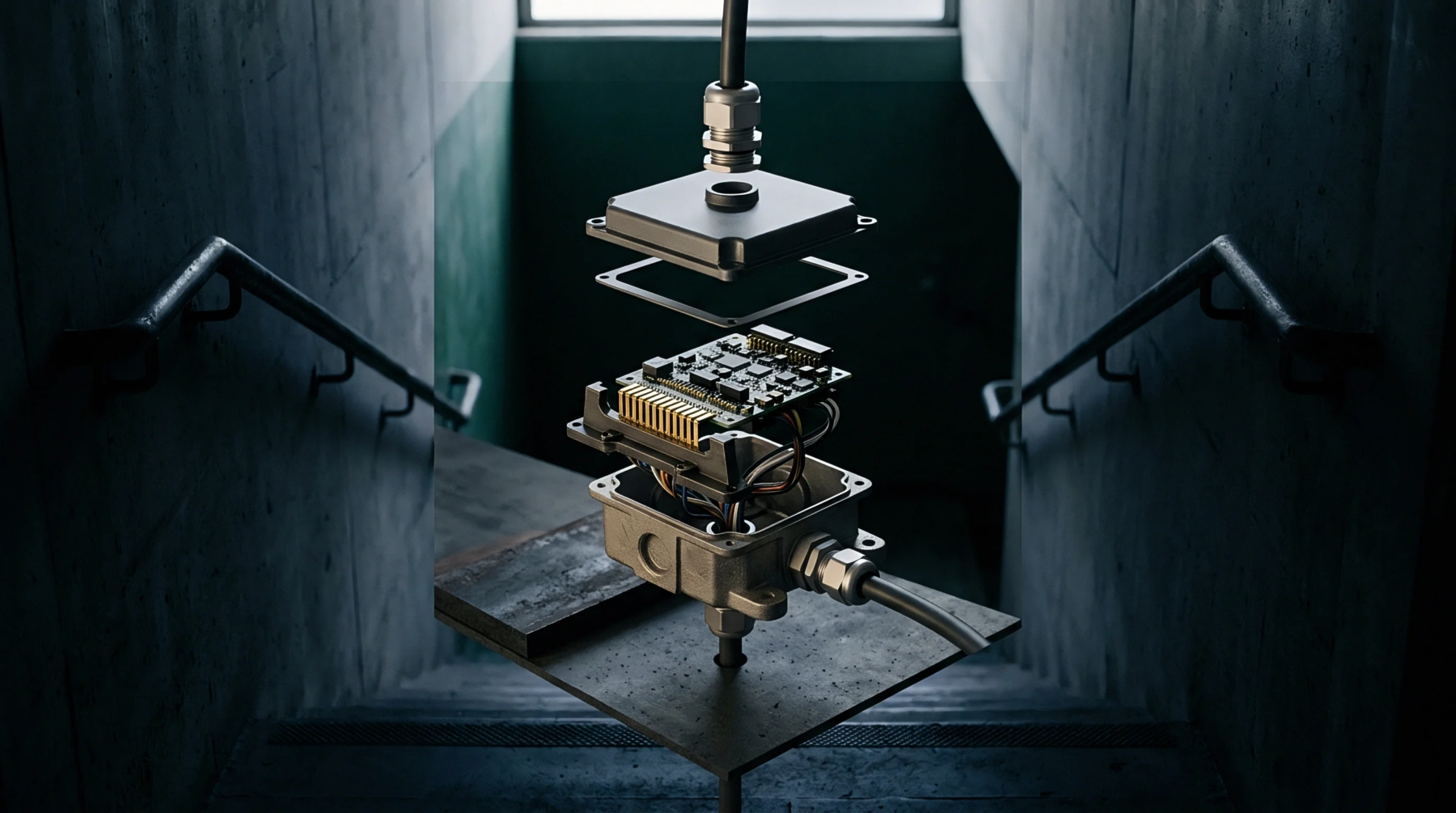
Dual-function wireless assemblies require precise Harmonized System classification and synchronized telecommunications filings to prevent customs border holds.

System in Package transceiver tariff classification depends strictly on internal substrate construction and passive component integration under Chapter 85 notes.
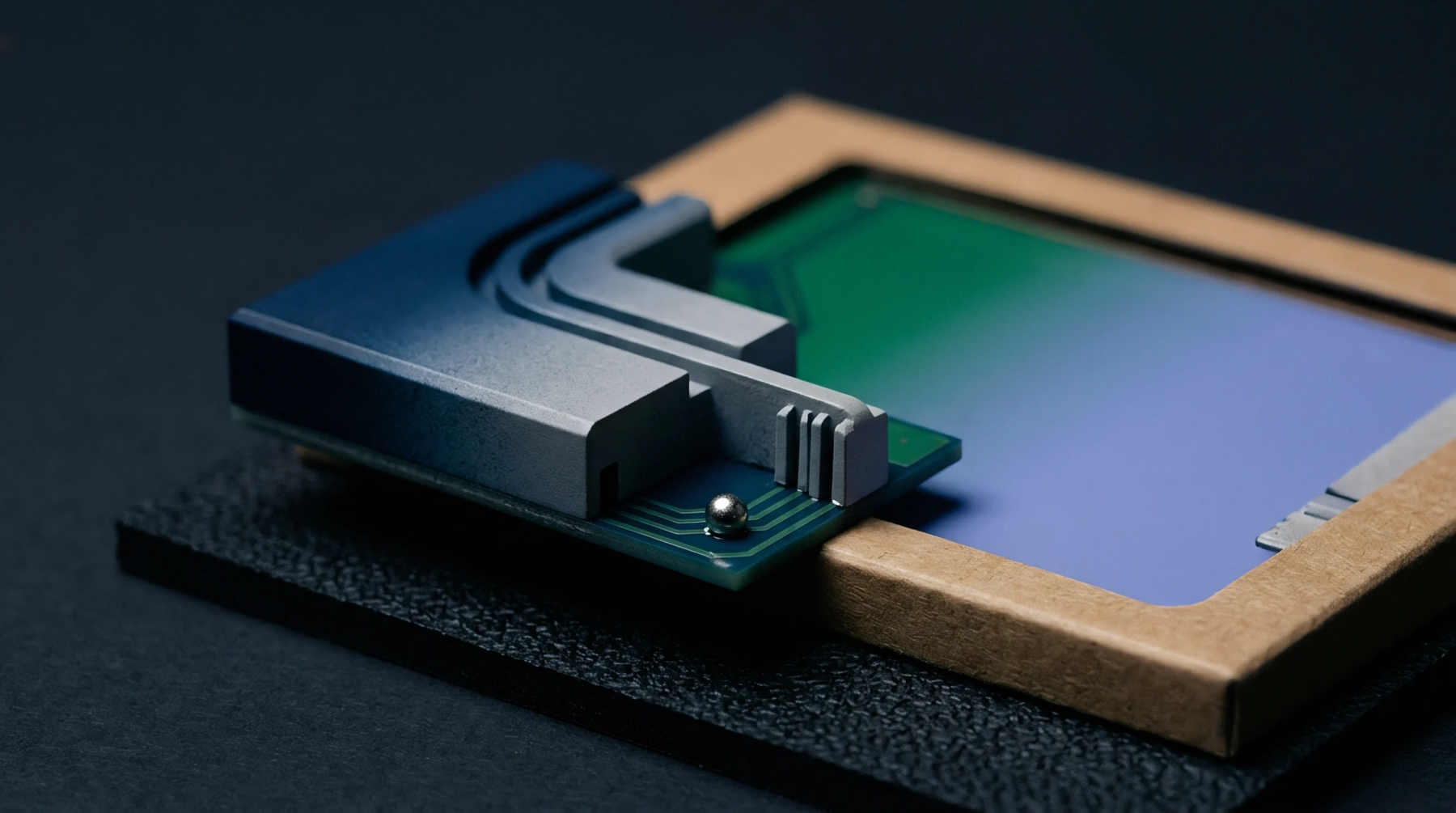
Align embedded radio hardware architecture with advance customs advance rulings to prevent costly port holds and duty adjustments under Harmonized System rules.
Expertise is a utility, not a secret. sentiention™ publishes its working knowledge as open reference: intelligence layer covering the materials it sources, the markets it enters, and the reference that serves both.