Meaning
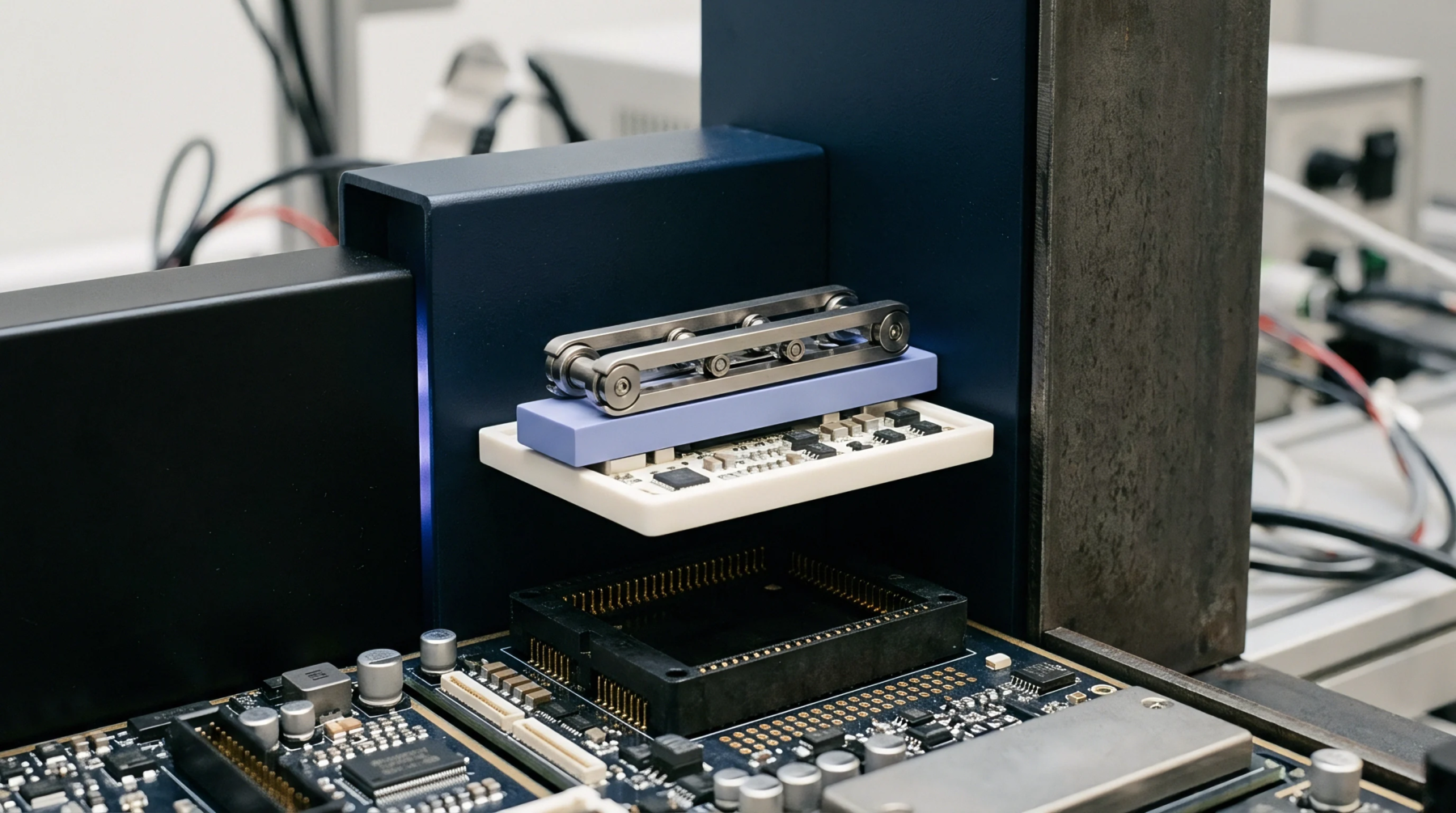
Software interfaces in embedded systems separate the high-level application code from the low-level hardware-specific register configurations. The hardware abstraction layer provides a uniform set of functions that the application calls to interact with on-chip peripherals such as timers, analog converters and serial ports. This isolation simplifies firmware development by concealing the specific design of the microcontroller registers.
It allows the core application logic to remain unchanged when the underlying silicon changes.
Interface Isolation
Driver functions translate generic read and write commands into the exact register writes required by the silicon. If a different microcontroller is selected for a new hardware revision, only the drivers in the hardware abstraction layer must be rewritten. This minimizes the risk of introducing software bugs into the application layer during migration.
Portability Benefit
Code portability is achieved by standardizing the function names and signatures across different chip families. This allows a software engineering team to use the same codebase for multiple products, regardless of the microprocessor used in each model.
Execution Overhead
The abstraction adds a layer of function calls that can introduce minor latency in time-critical control loops. In highly optimized designs, engineers sometimes bypass this layer for high-speed signal processing.