Meaning
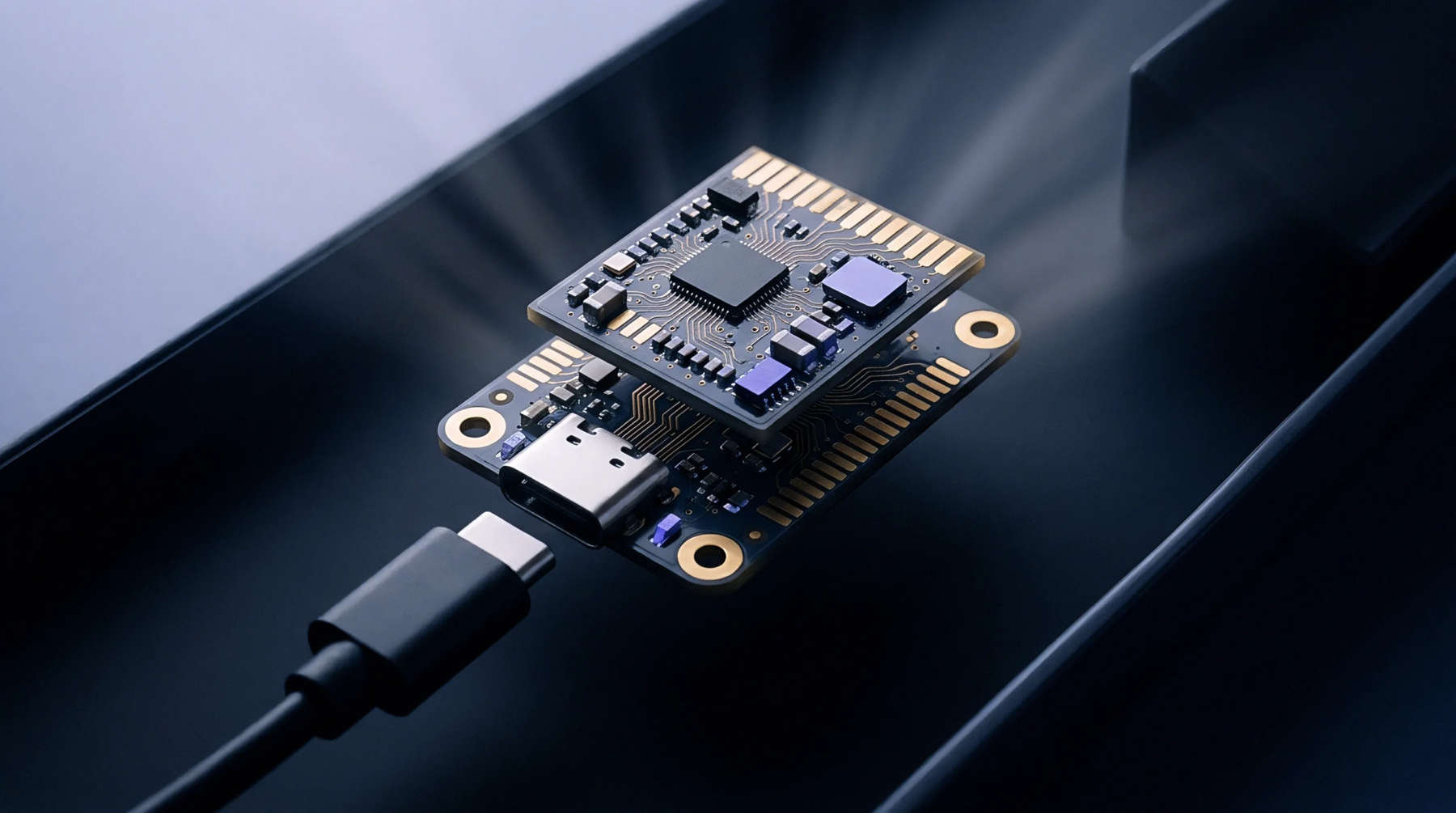
Radiated emission testing methodology defines the procedures for evaluating intentional and unintentional radiators operating within specific radio frequency ranges. The documentation of ansi c63.10 outlines measurement techniques for devices that incorporate wireless connectivity such as bluetooth or local area network modules. Compliance officers rely on these protocols to establish test configurations that prevent signal interference while ensuring hardware meets electromagnetic compatibility requirements.
Compliance Verification
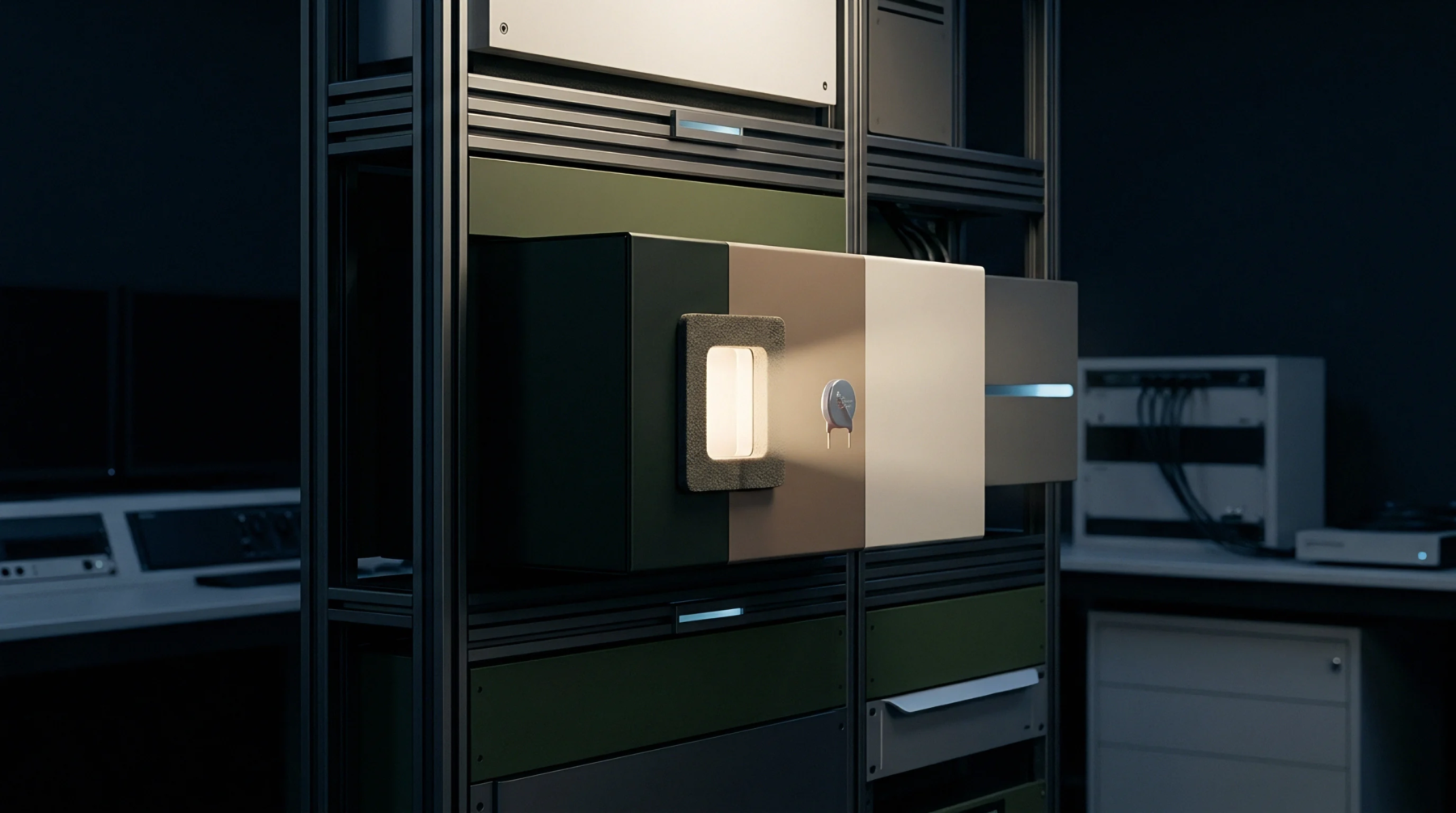
Engineers utilize these procedures during the certification stage to confirm a device operates within regulatory limits. The process requires careful selection of antennas and placement of cables to minimize stray signals that could invalidate the results. Shielded enclosures often provide the environment necessary for accurate data collection because they isolate the equipment under test from ambient radio noise.
Testing teams verify that each configuration aligns with the intended use case of the hardware. Consistent setup protocols across different laboratory sessions reduce uncertainty in the final emissions report.
Procedural Constraints
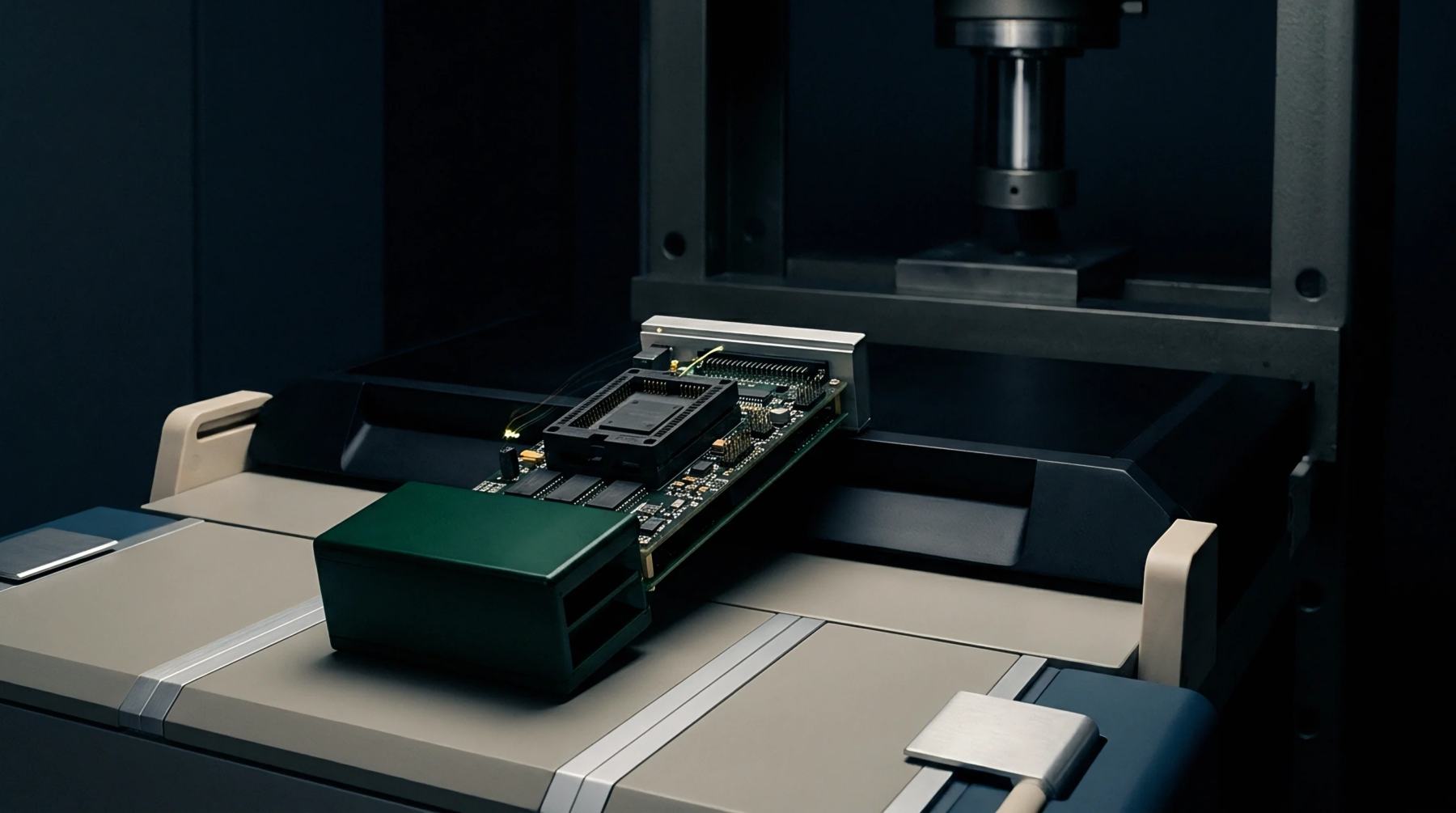
Equipment validation requires strict adherence to physical setup guidelines described in the document. Minor variations in the distance between the antenna and the device often alter the observed power density levels significantly. Technicians adjust the orientation of the product through multiple axes to locate the peak emission point.
These adjustments remain necessary even when the hardware housing is already finalized. Calibration of the measurement receiver guarantees the validity of the captured signal strength against the reference thresholds.
Performance Boundaries
Regulatory bodies accept data generated through these specified methods as evidence of market readiness for electronic products. The scope of the testing applies to stationary and portable units that function without direct wireline connections for signal transmission. Independent testing firms produce these reports to demonstrate that the wireless components behave predictably under load.
Proper application of these standards prevents the deployment of devices that disrupt existing communication channels.