
Establishing Baseline Ambient Quiet Zones for Pre Scan Testing
Establishing baseline ambient quiet zones requires isolating background radio noise 10 dB below limit lines to prevent costly external re-test cycles.
Establishing baseline ambient quiet zones requires isolating background radio noise 10 dB below limit lines to prevent costly external re-test cycles.

Integrating approved radio modules into industrial enclosures demands verifying radiated spurious limits, housing apertures, and permissive change scope.

Firmware adjustments altering multi-radio output power or duty cycles past established regulatory delta thresholds mandate targeted radiated spurious chamber retesting.

Thermal crystal drift forces receiver window widening and carrier offset compensation, driving trade-offs between TCXO unit cost and battery capacity.

Depleted wireless imports clear customs through dangerous goods transport compliance, physical exterior radio marking verification, and validated salvage logs.

Module IP classifications in SOW contracts must split background platform code from custom radio layouts and link milestone payments to native source escrow release.
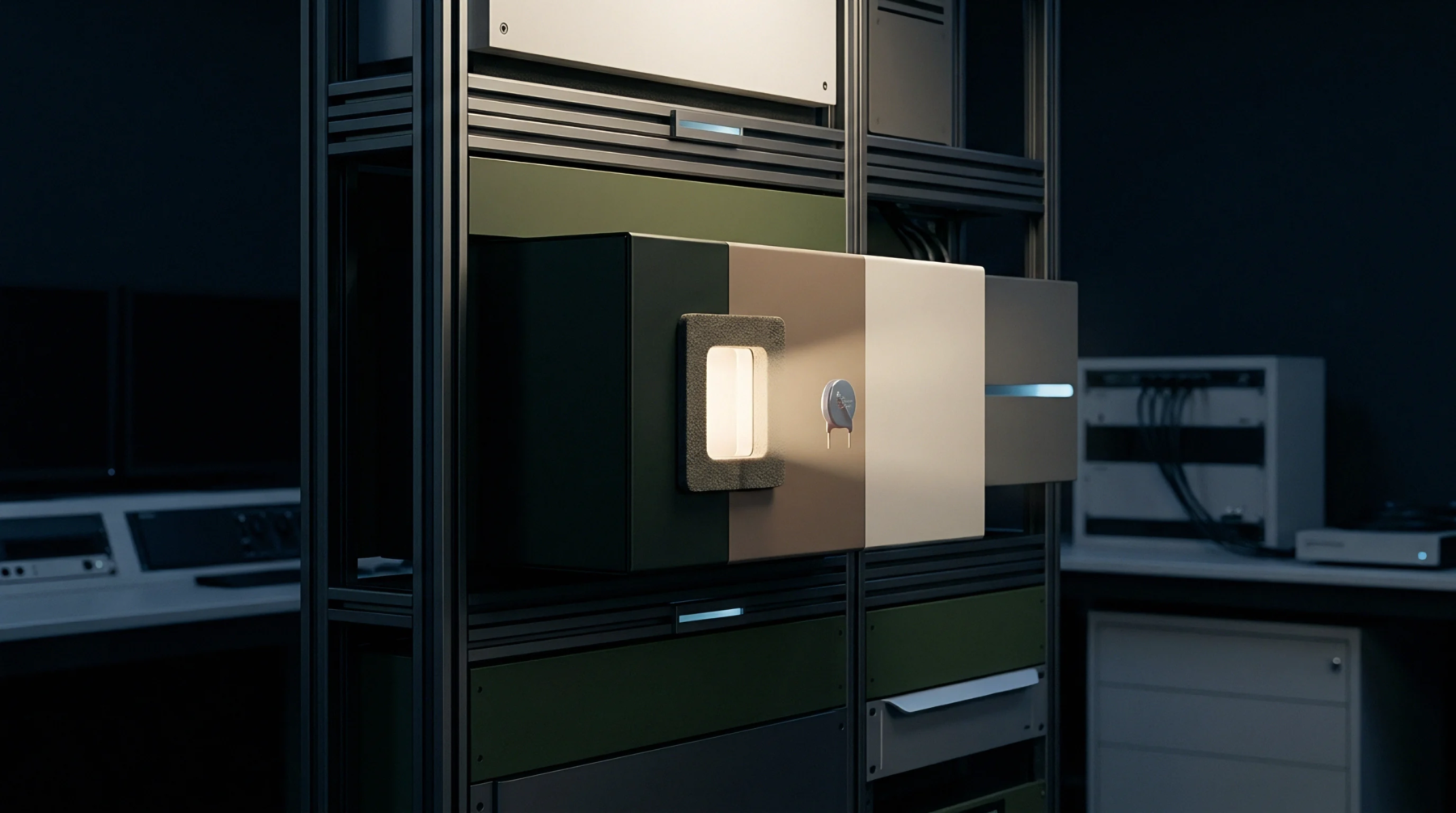
Verify modular radio grants, match physical host labels to database records, and test unintentional chassis emissions to secure smooth import clearance.

Enclosed multi-band active array phase alignment requires near-field matrix coupling co-design and dynamic thermal offset correction to prevent EIRP degradation.

Modifying a radio enclosure demands pre-scan emission checks to classify changes correctly and avoid costly international shipping holds.
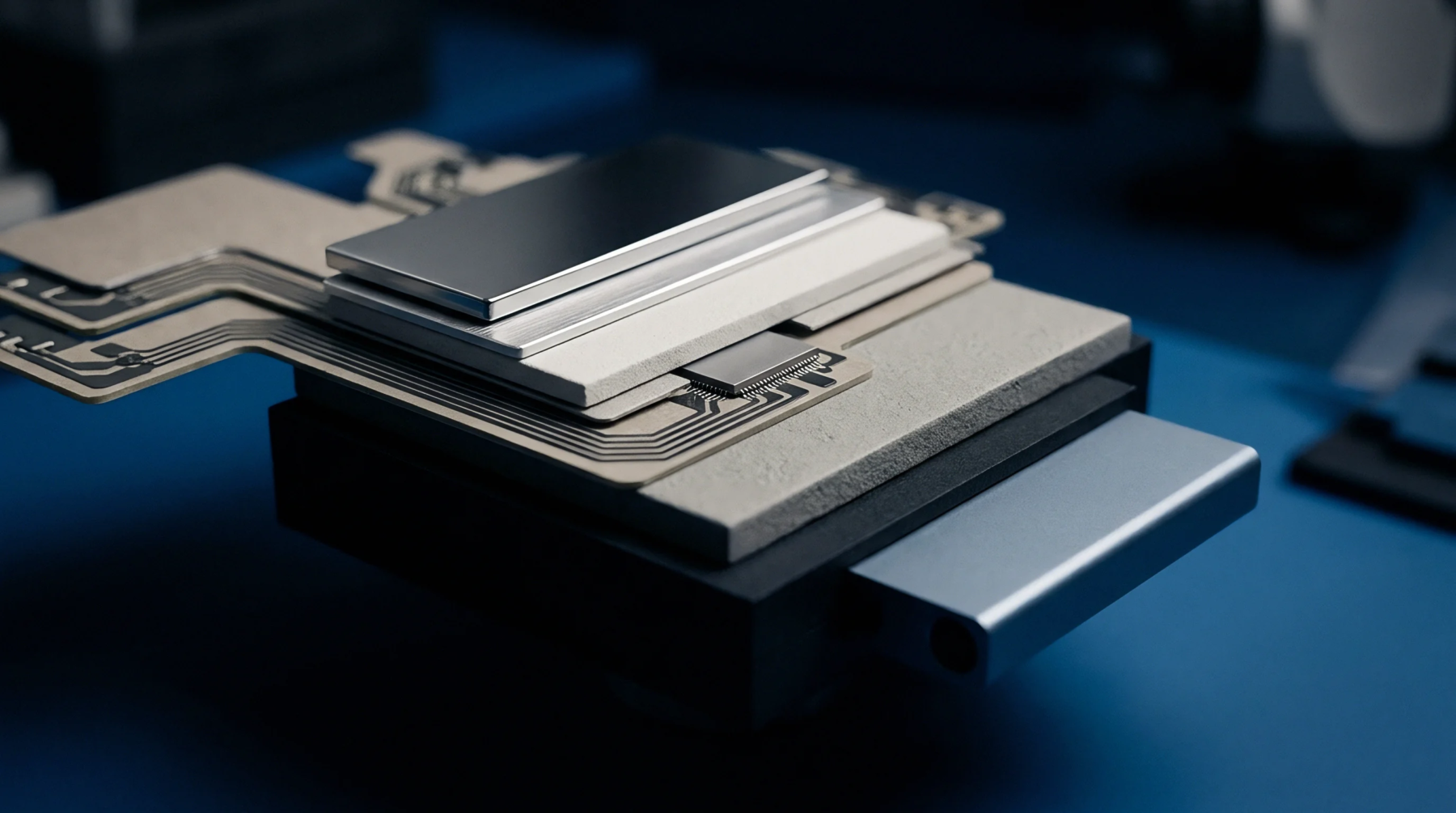
Modular radio grants only cover identical host layouts; any antenna or chassis change forces fresh permissive change filings and verification scans.
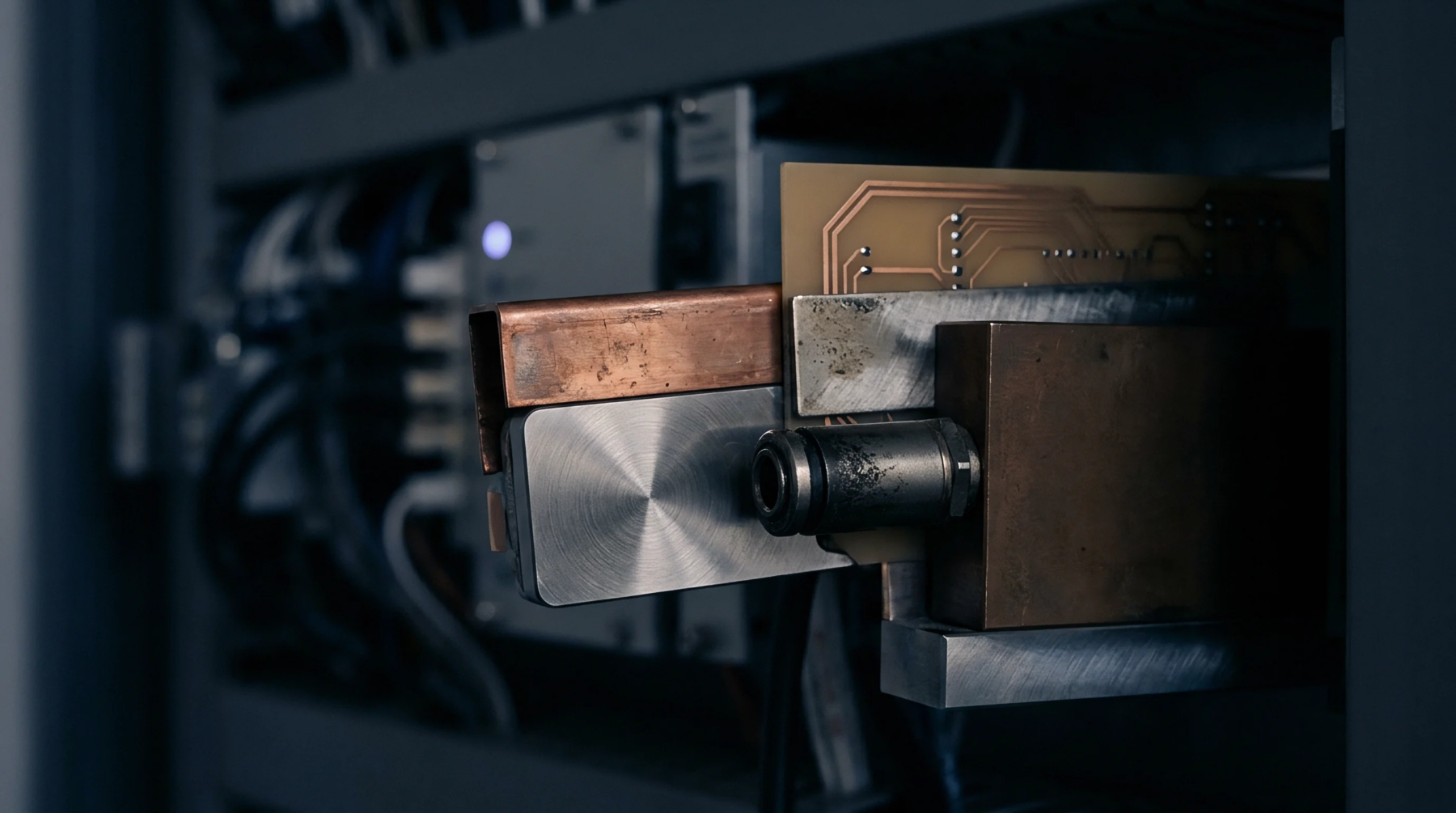
Replicating modular trace antenna layouts requires exact adherence to certified Gerber files, stackup dimensions, and substrate tolerances to preserve FCC exemptions.
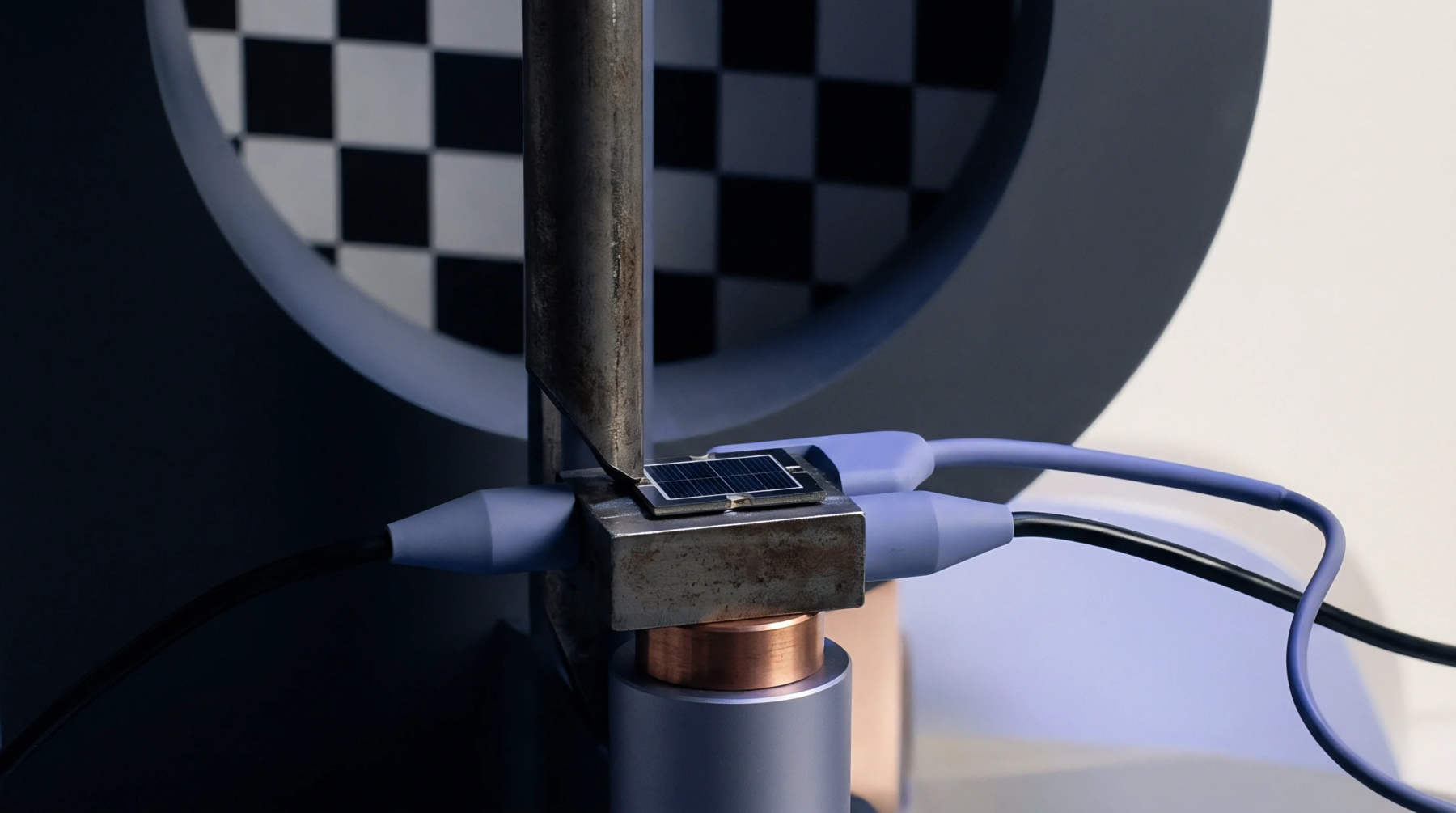
Rigid probe position limits and wide boundary tapers prevent phase distortion and spectral leakage from causing costly regulatory test failures.

Unannounced RFIC silicon stepping changes exceeding 0.5 dB conducted power or 3 dB spur limits invalidate modular grants, forcing Class II Permissive Changes.
Expertise is a utility, not a secret. sentiention™ publishes its working knowledge as open reference: intelligence layer covering the materials it sources, the markets it enters, and the reference that serves both.