Meaning
Rules within the federal regulatory code govern unintentional radio frequency emissions from electronic hardware. The fcc part 15 standard specifies limits on the electromagnetic interference a device emits to prevent signal degradation in protected communication bands. It mandates that any digital equipment operating at clock speeds exceeding nine kilohertz undergoes verification or certification procedures before entry into a market.
This regulation splits apparatus into intentional radiators that transmit radio signals and unintentional radiators that produce noise as a byproduct of internal switching. Enforcement actions occur when hardware exceeds defined decibel thresholds at specific frequencies. These requirements ensure that domestic radio environments remain usable despite the high density of digital circuitry present in modern residential or industrial workspaces.
Emission Compliance
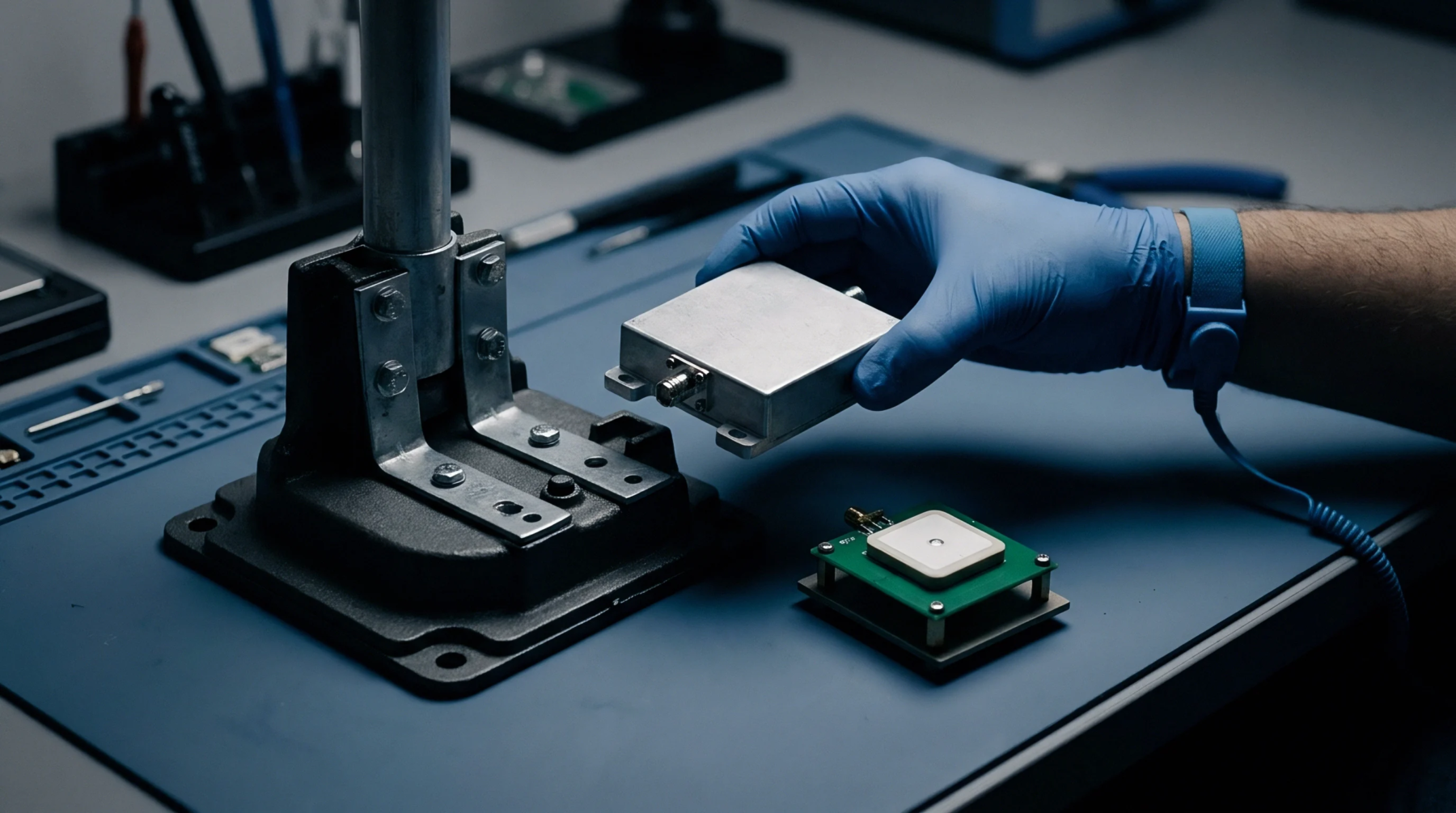
Testing laboratories measure the field strength of unintentional energy across a spectrum of prescribed radio bands to demonstrate adherence to the legal requirements of fcc part 15. Engineers perform these radiated and conducted measurements inside semi-anechoic chambers to exclude ambient signal noise from the data. The documentation resulting from these sessions provides the basis for a manufacturer declaration of conformity or a formal grant of equipment authorization.
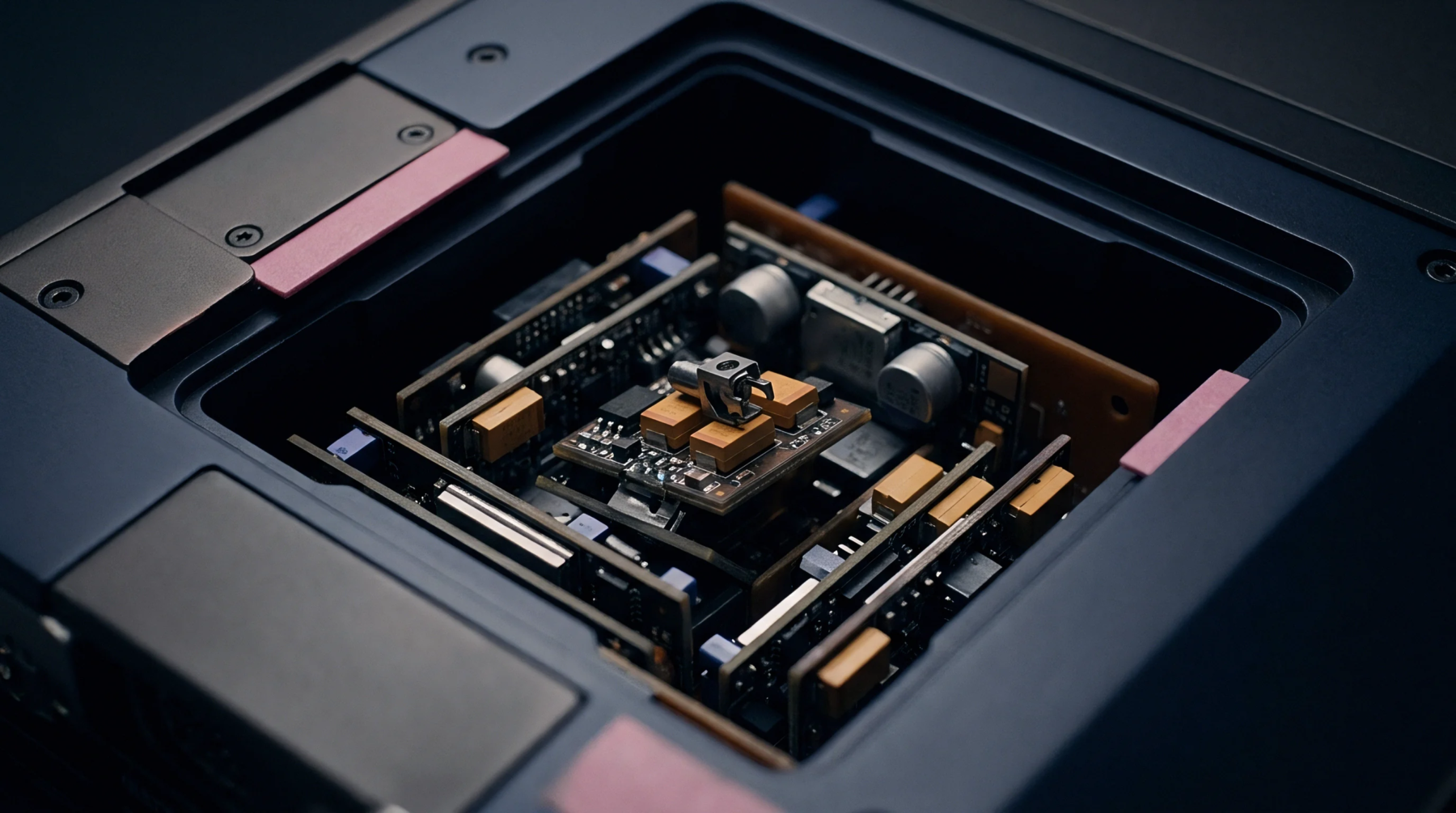
Assemblies often include decoupling capacitors or ferrite beads to suppress common mode noise and reduce peak power spectral density at resonant points. Designers adjust shielding materials or circuit board layout patterns when initial sweeps detect signal leakage through seams in an enclosure. Rigorous verification cycles allow firms to label their products and supply proof of performance to regulatory inspectors upon request during audit procedures.
Hardware Integration
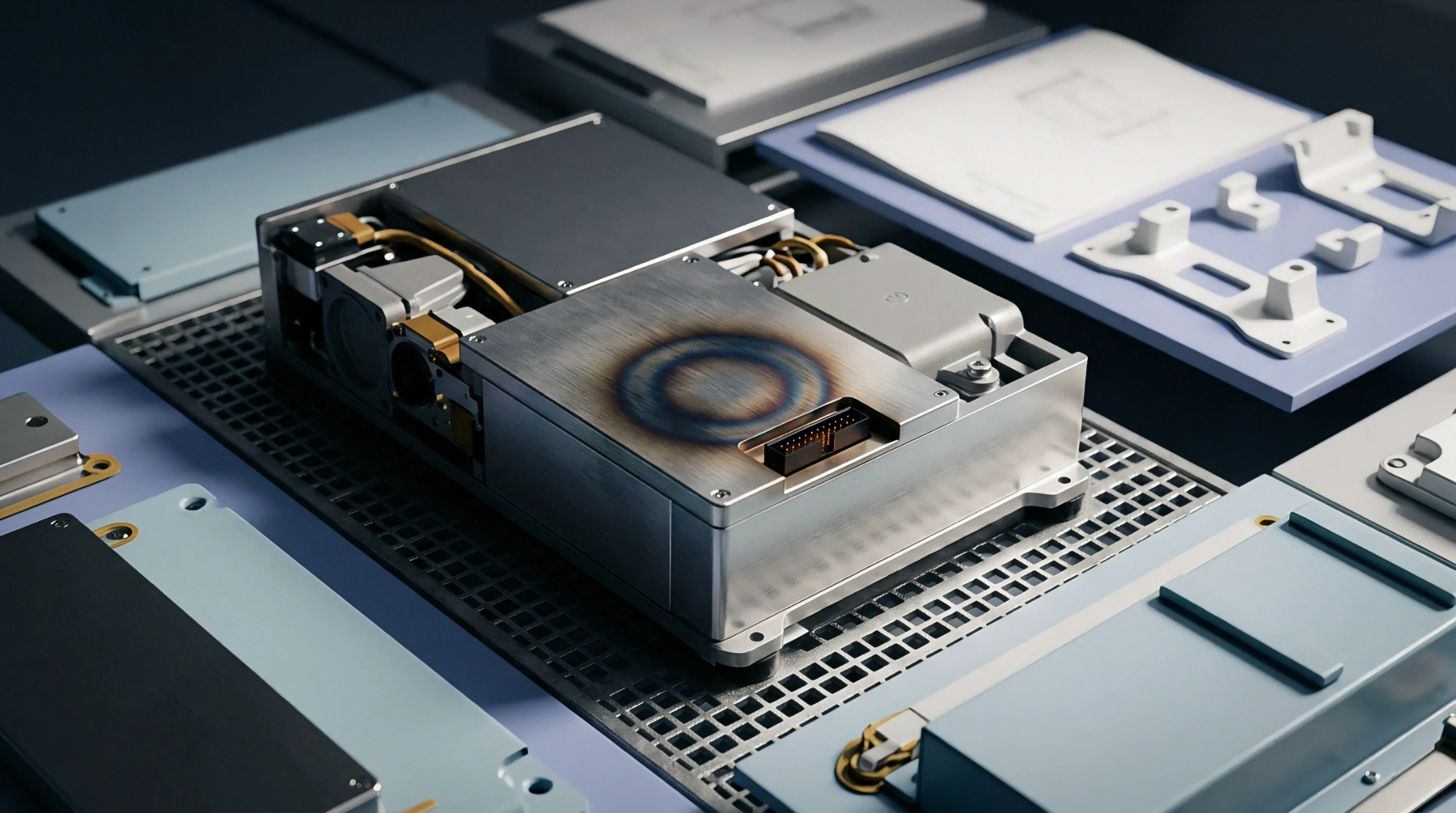
Physical construction dictates how electronic assemblies manage high frequency harmonics generated by onboard oscillators and processors. The fcc part 15 framework requires that engineers account for cable routing and ground plane impedance because these paths often act as accidental antennas. Integration of modular components creates a challenge because an individual module might hold a grant while the final integrated product requires retesting for unintended secondary emissions.
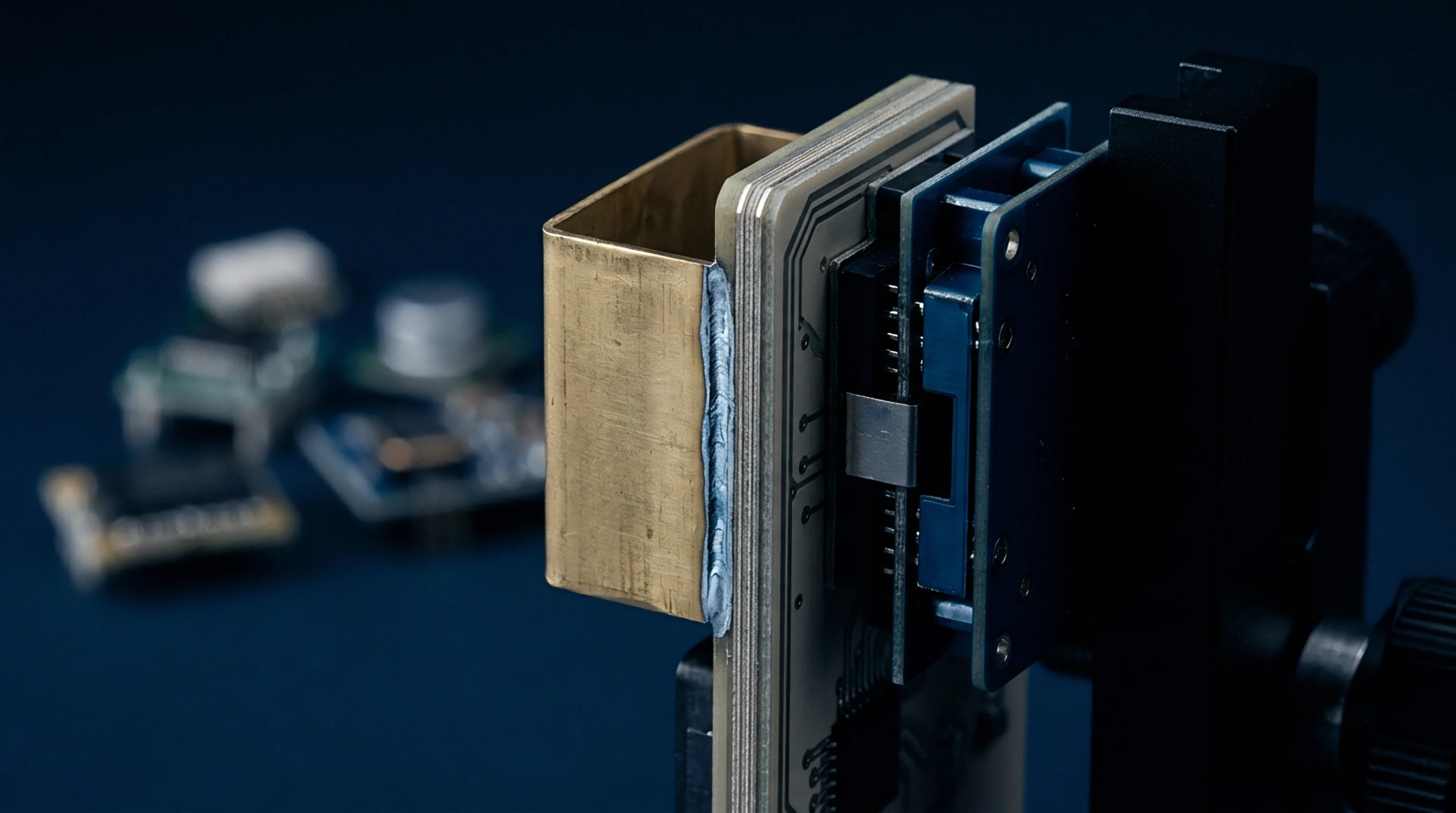
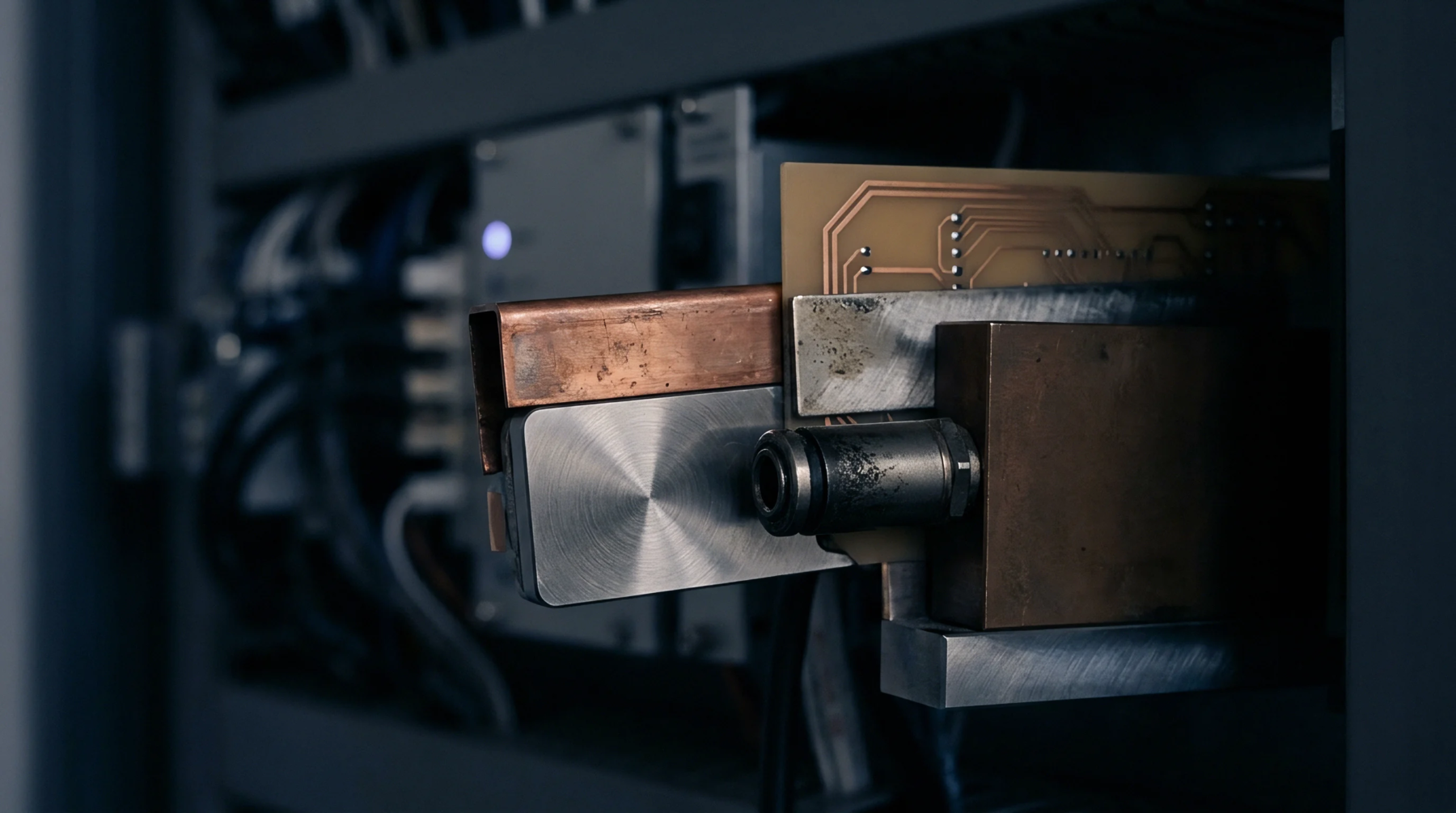
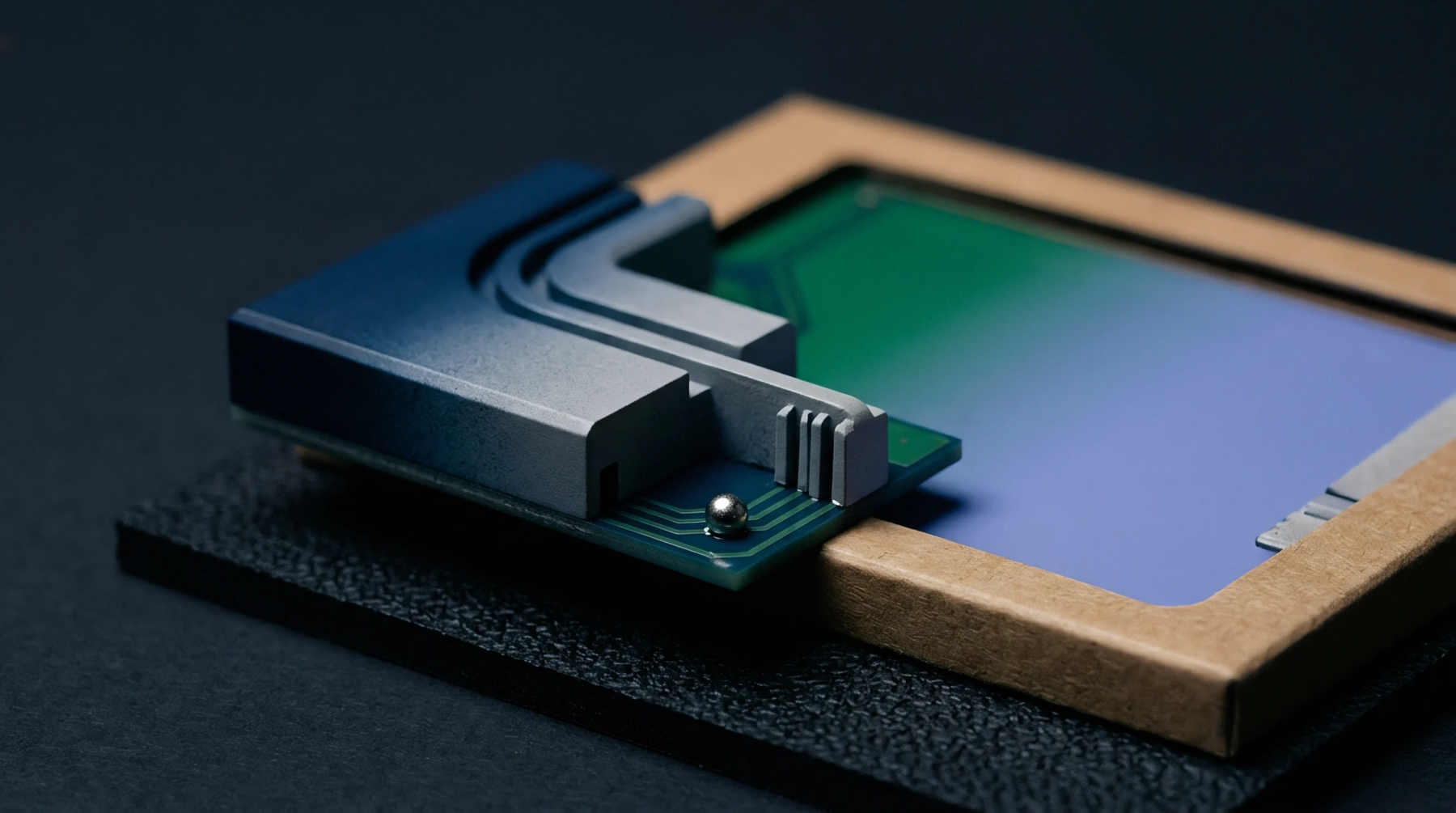
Mechanical design choices such as conductive gaskets or spray metal coatings inside plastic housing walls contain these rogue fields. Every interface port acts as a potential exit point for interference so filtered connectors provide a necessary barrier against noise migration. Production batches undergo sampling checks to confirm that the manufacturing consistency remains high enough to keep every shipped unit within the authorized frequency limit.
Regulatory Verification
Liability for the operational state of equipment rests with the party responsible for the introduction of the product into the commerce stream. Administrative filings for fcc part 15 categorize specific hardware types based on the potential impact of their emissions on public frequency allocations. Intentional transmitters require a formal equipment authorization document issued by a commission database whereas most digital devices follow a self-certification path.
Periodic updates to the underlying rules address modern trends like higher clock speeds or new wireless protocol deployments. Agencies retain authority to request hardware samples from warehouse stock to confirm that internal engineering controls prevent drift from the original test bench performance. Compliance remains a fixed requirement for market access that mandates technical diligence throughout the entire product lifecycle from initial schematic capture to final mass manufacturing release.