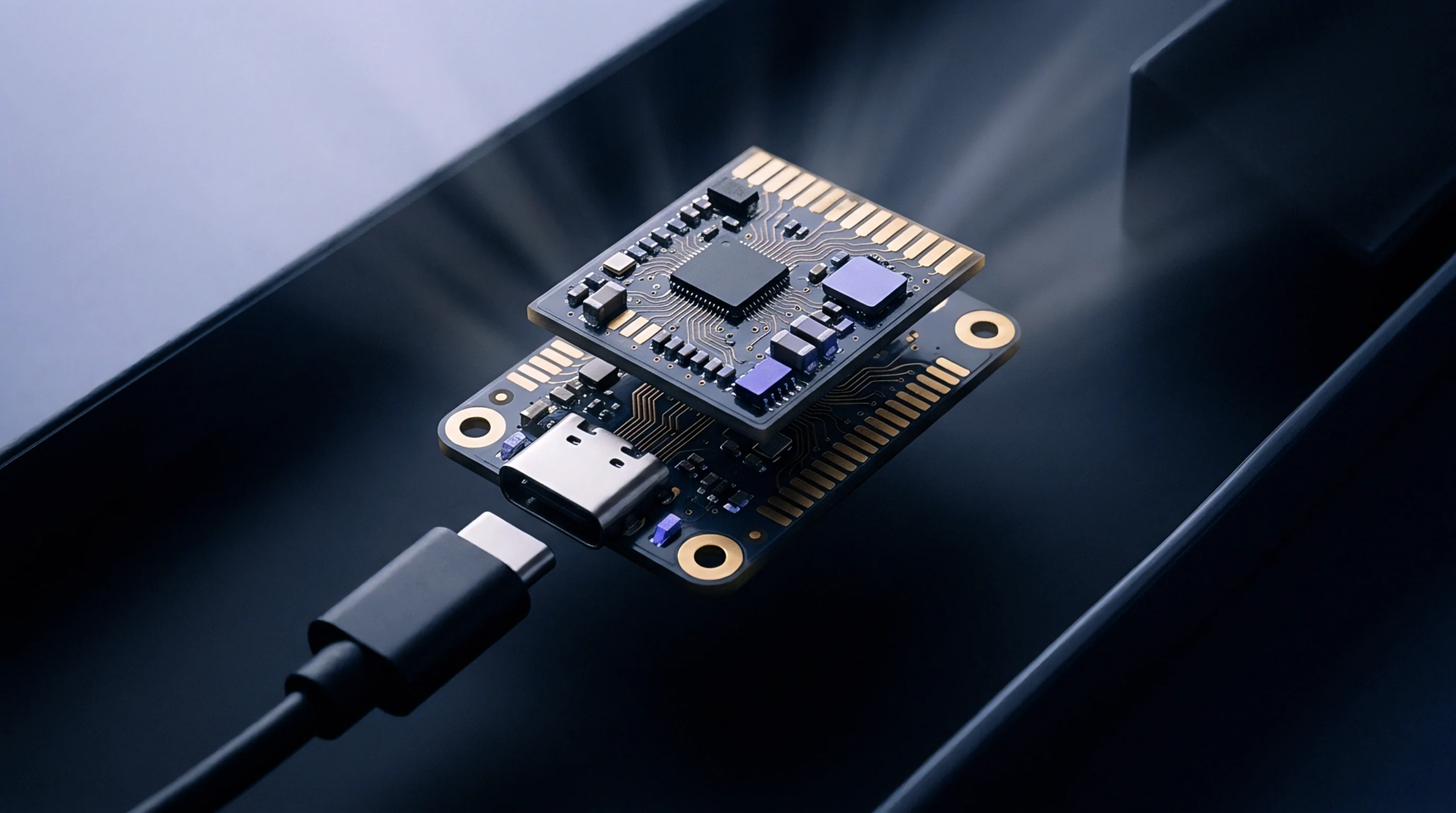
Auditing Basic Test Report Scopes under ISO IEC 17025 Standard Rules
Auditing ISO IEC 17025 test reports against active laboratory scope schedules prevents expensive certification rejections and product market holds.
Auditing ISO IEC 17025 test reports against active laboratory scope schedules prevents expensive certification rejections and product market holds.
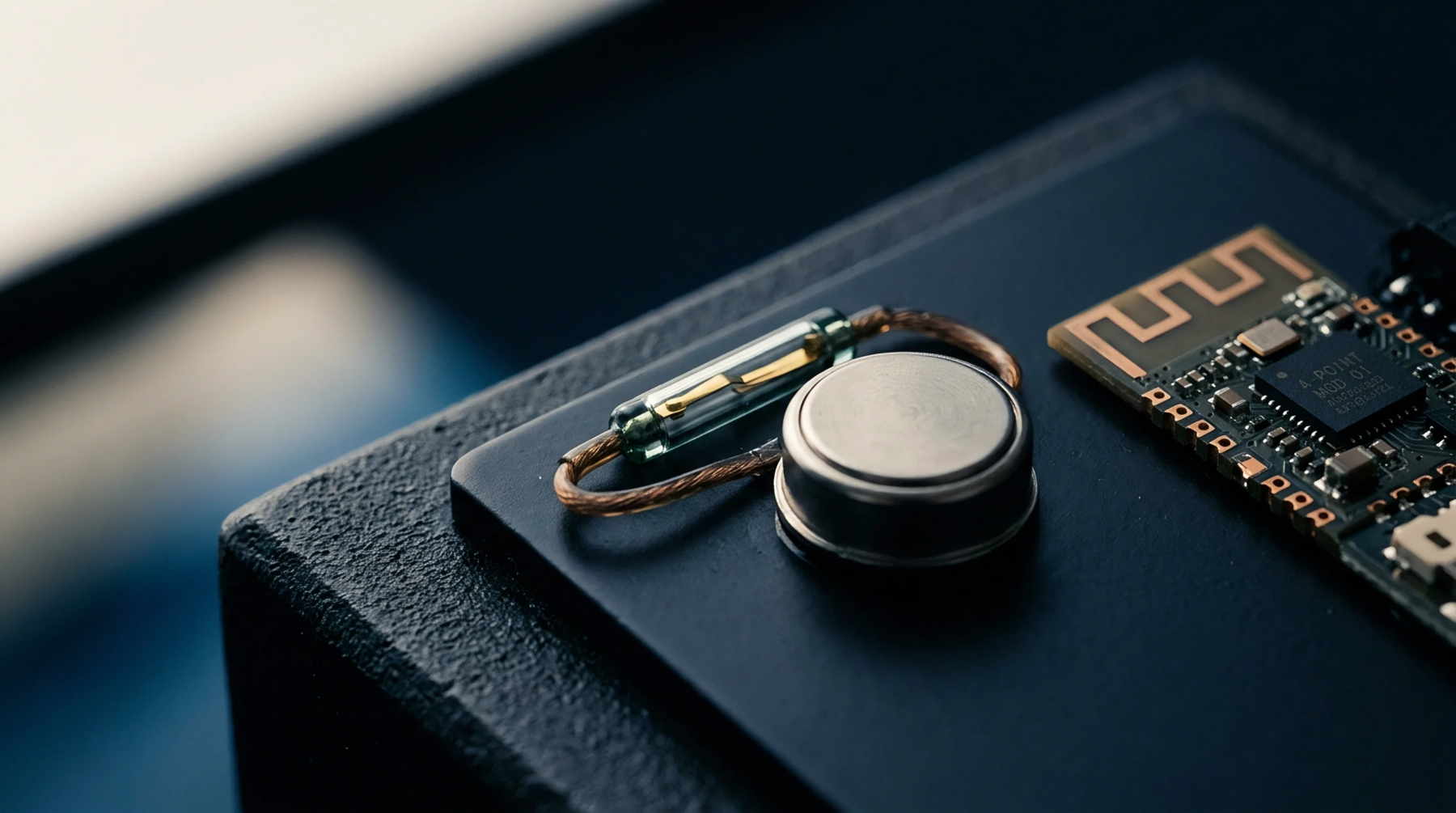
Nanolaminate ALD passivations resist cyclic shear stress during RF transmit bursts when individual sub-layer thicknesses remain below critical slip limits.

Encapsulating transmitters alters dielectric loading, detuning antennas and shifting RF exposure boundaries, demanding re-evaluation of emissions and SAR compliance.

Securing global port radio approvals for off-grid cryptographic seals requires matching regional sub-GHz power ceilings before final host integration.

Co-located radio Class II Permissive Changes demand radiated intermodulation scans and exposure summation when transmitter antennas sit within 20 cm.

Binding customs rulings freeze tariff codes for dynamic multi-band radios when subassembly hardware features match exact firmware functional execution state hashes.
Raising default clear channel assessment thresholds boosts aggregate Wi-Fi network throughput in high-density deployments by trading client SINR for spatial reuse.

Carrier conformance testing demands strict optimization of radiated performance and protocol signaling to prevent costly hardware re-qualification delays.

Sub-GHz PA power bursts generate micro-Kelvin crystal thermal gradients that shift carrier frequency, demanding thermal isolation and tight TCXO specification.

Modular grant pass-through rights terminate when host enclosure proximity or antenna modifications alter tested RF safety separation boundaries.

Unaccredited lab test reports require rigorous audit of calibration chains, resolution bandwidth settings, and firmware parameters to survive regulatory surveillance.

Evaluating modular wireless approvals requires verifying host PCB layout, co-location limits, permissive change filings, and regional certification timelines.

Radiated spurious scanning determines whether wireless host modifications qualify for Class I permissive status or demand Class II re-filing.

Modular host integration triggers a Class II Permissive Change whenever trace redesigns, antenna swaps, or co-location alter SAR or radiated emissions profile.

FCC Part 15 modular rules allow pre-certified radios in host devices provided shielding, power regulation, labeling, and antenna limits match grant guidelines.

Refining polymer cross-linking gel fraction above eighty percent minimizes residual dipoles, reducing high-frequency near-field coupling loss and preventing re-certification.

Anisotropic dielectric drift in composite enclosures detunes integrated antennas during temperature sweeps, triggering radiated compliance failures and re-filings.

Selecting industrial Wi-Fi modules demands matching transmit power, receiver sensitivity, and hardware coexistence mechanisms to plant RF noise floor profiles.
Host integrators holding third-party radio modules assume transmitter regulatory liability through trace compliance, filing maintenance, and localized testing.

Integrating approved radio modules into custom host enclosures alters radiated spurious emissions, demanding targeted spot checks to preserve market compliance.

Classifying firmware delta impact before deployment prevents regulatory clock delays across multi-jurisdictional radio type approvals.

Intermediate host integration requires Class II Permissive Changes when antenna gain, trace layout, or RF exposure separation distances change from original grant conditions.

Hardware brownout comparators for sub-GHz transceivers demand sub-microsecond response times and precise trip levels to prevent power amplifier voltage sags.

Grantee authorization letters legally permit host integrators to reuse module test data, preventing expensive re-testing and customs import rejections.

Polymeric enclosure dielectric constant shifts alter near-field coupling and aperture resonance, detuning antennas and pushing radiated spurious emission harmonics across regulatory pass limits.

Parametric contract clauses allocate unannounced silicon revision risks by linking physical RF and current draw deltas directly to invoice price reductions.
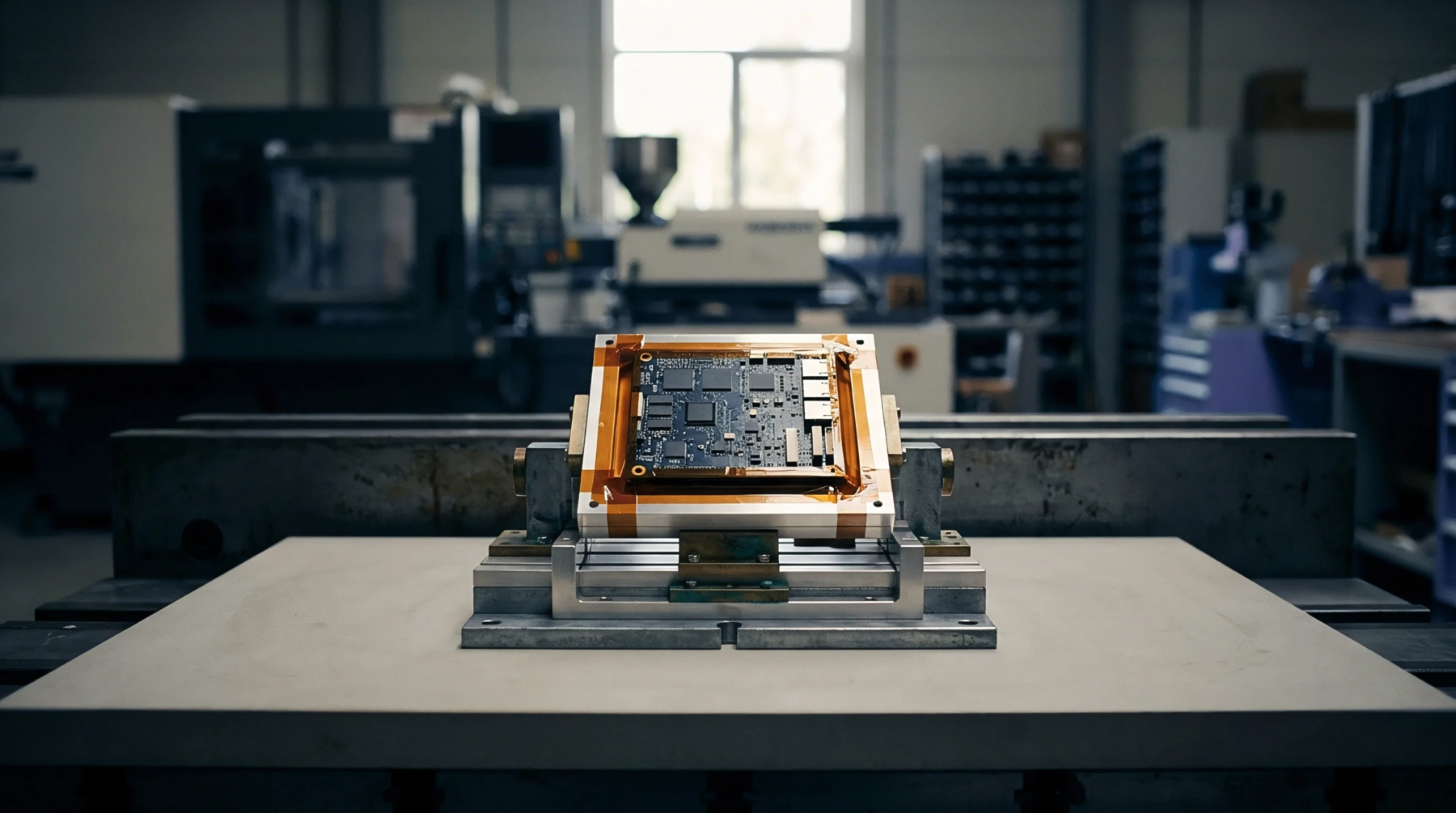
Host enclosure and trace modifications alter modular transmitter emissions, making radiated evaluation and permissive change filings mandatory for market entry.

Sub-GHz protocols penetrate structural walls with 10 to 20 dB less attenuation than 2.4 GHz radios, securing long-range low-power indoor links.

Standardizing RF front-end pad layouts allows single-PCB hardware deployments across distinct regional sub-GHz band plans without board respins.

A complete wireless design transfer requires native CAD databases, test fixture software, and clear grant ownership to prevent dual-source failure.
Expertise is a utility, not a secret. sentiention™ publishes its working knowledge as open reference: intelligence layer covering the materials it sources, the markets it enters, and the reference that serves both.