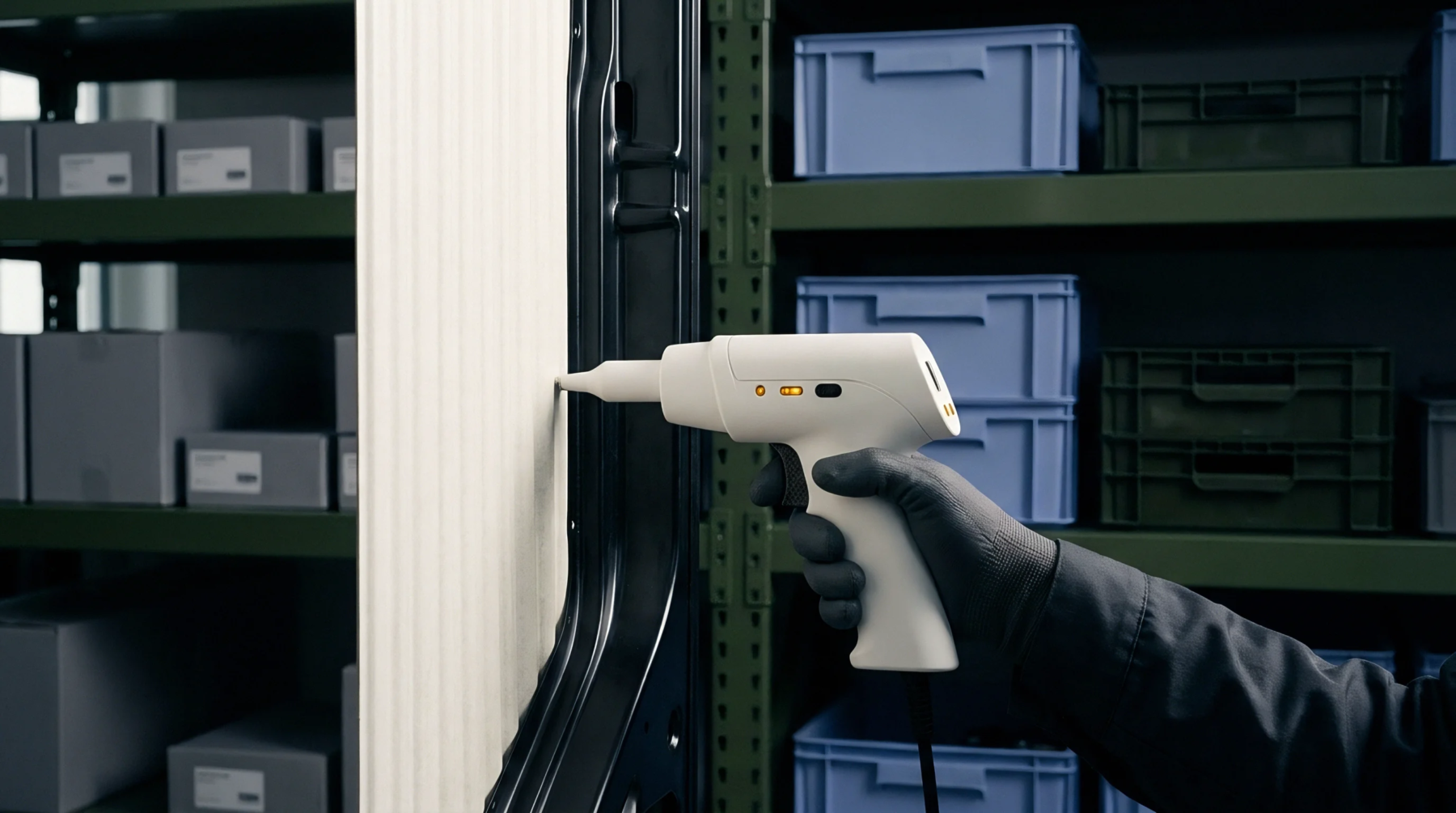
Diagnosing Parasitic Radiated Emissions in Multi-Radio Embedded Designs
Diagnosing parasitic radiated emissions requires tracing clock harmonic return loops, suppressing cavity resonance, and validating simultaneous transmission grants.
Diagnosing parasitic radiated emissions requires tracing clock harmonic return loops, suppressing cavity resonance, and validating simultaneous transmission grants.

Unaccredited lab test reports require rigorous audit of calibration chains, resolution bandwidth settings, and firmware parameters to survive regulatory surveillance.

Radiated spurious scanning determines whether wireless host modifications qualify for Class I permissive status or demand Class II re-filing.
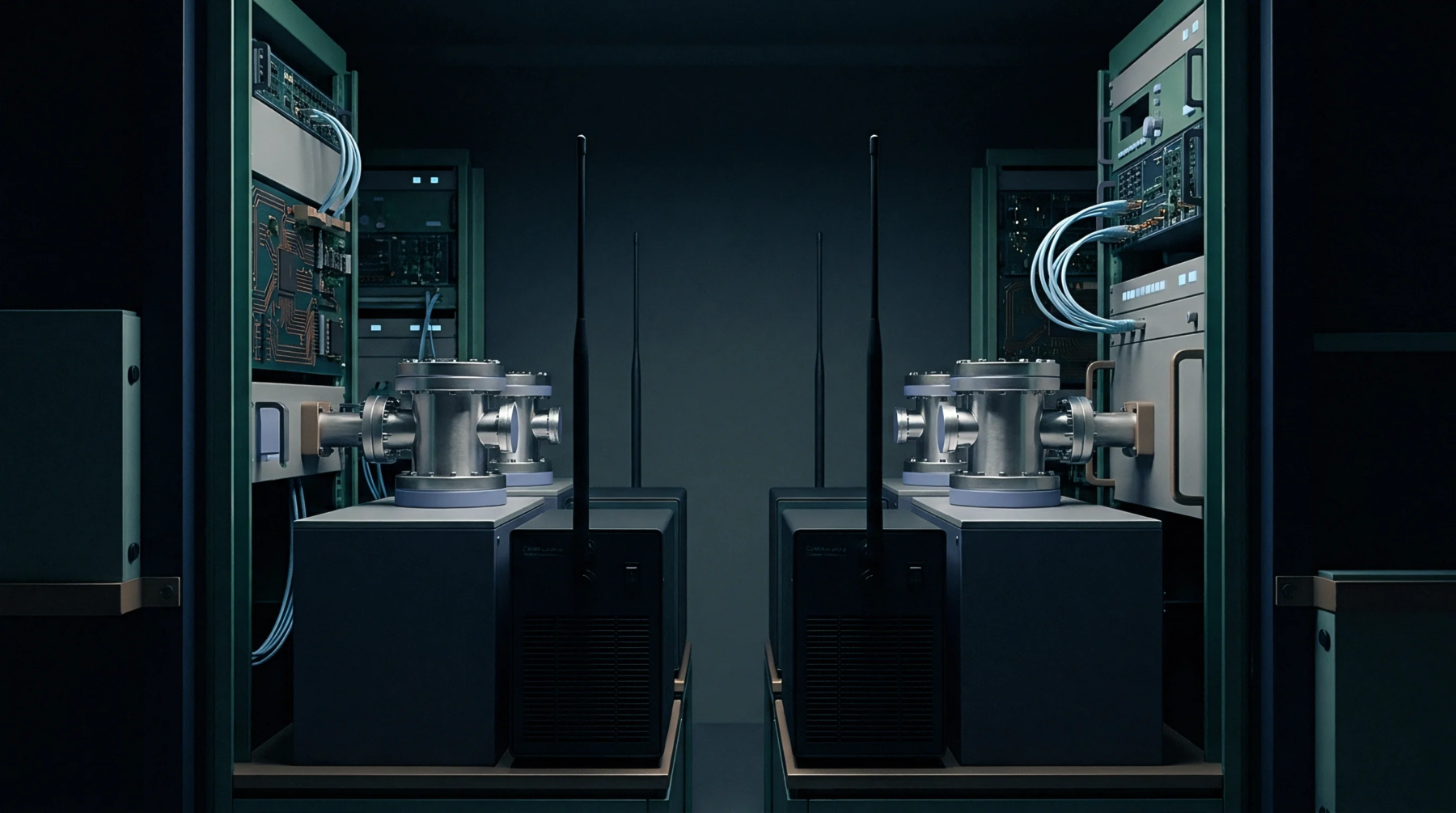
Integrating approved radio modules into custom host enclosures alters radiated spurious emissions, demanding targeted spot checks to preserve market compliance.
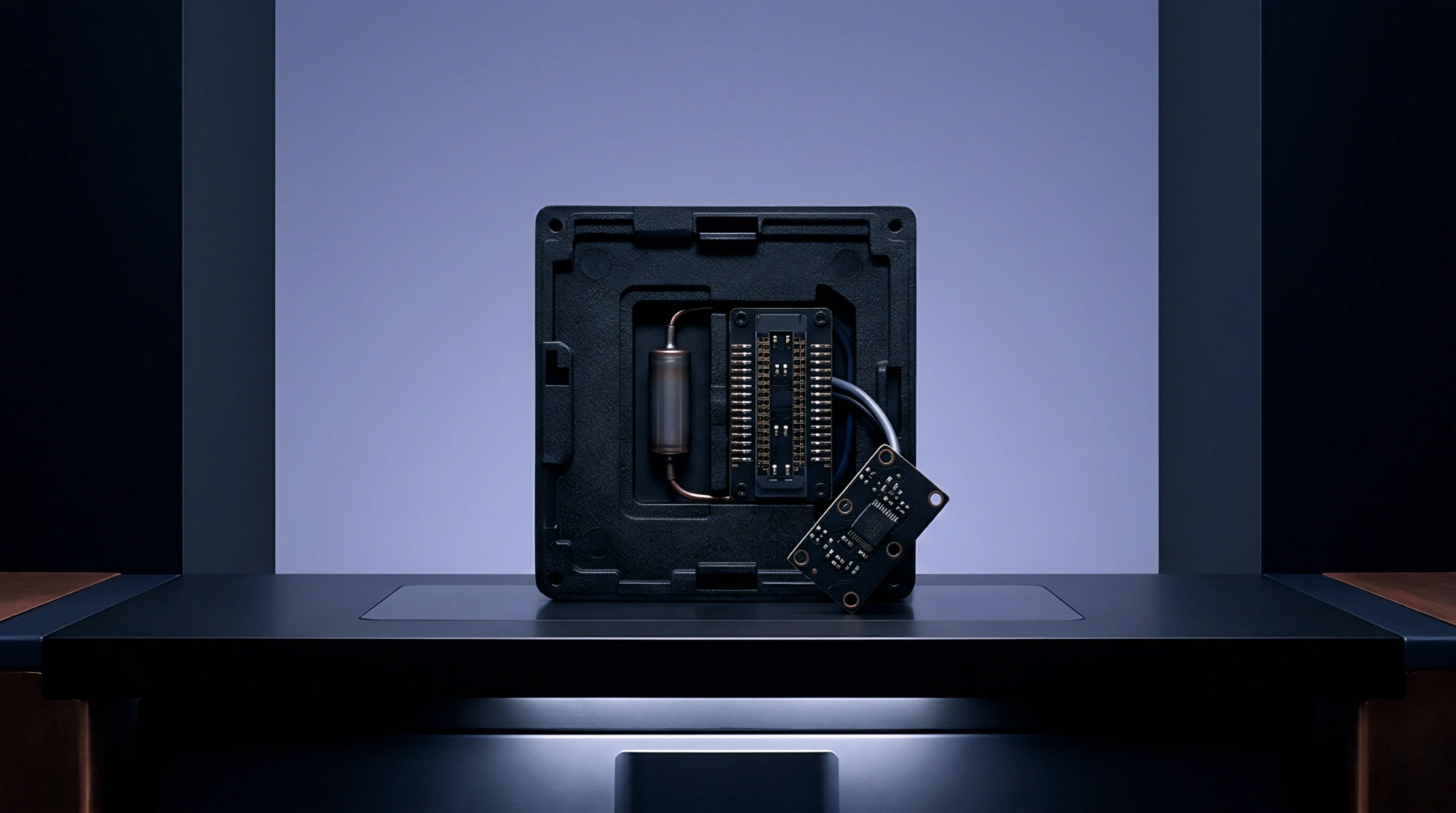
Resolving near field coupling demands tight ground via fencing, solid reference planes, shielded inductors, and continuous enclosure gasket compression.

Radiated harmonic scans mandate notch filtering, spatial maximization, and rigorous cable loss compensation to prevent front-end receiver saturation and false failures.

Host level re-testing for multi-transmitter industrial embedded devices requires evaluating simultaneous transmission intermodulation products inside a semi-anechoic chamber whenever antenna separation drops below 20 cm.
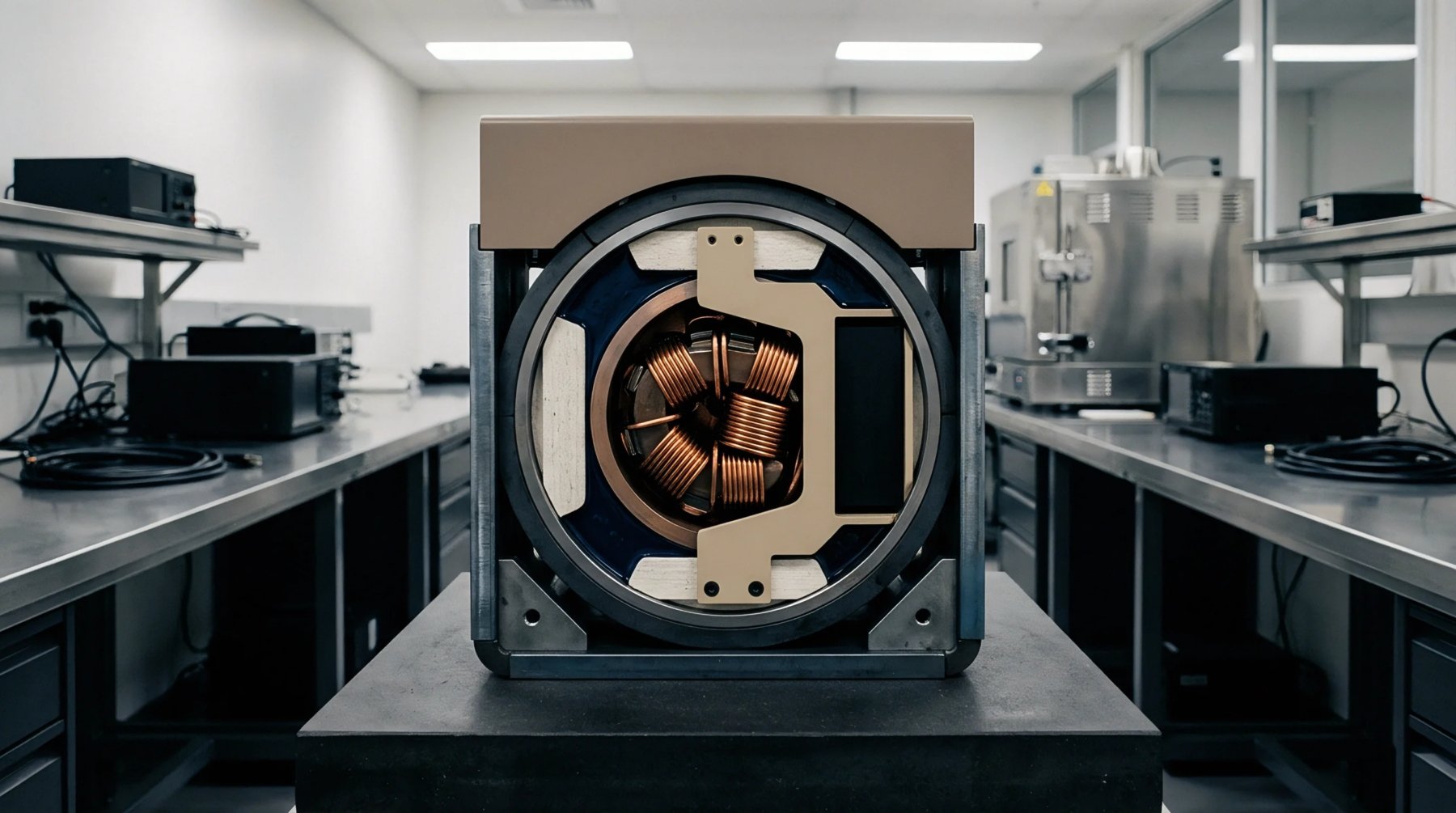
Host level pre scan verification systematically isolates host radiated spurious noise before accredited certification testing to prevent market entry delays.
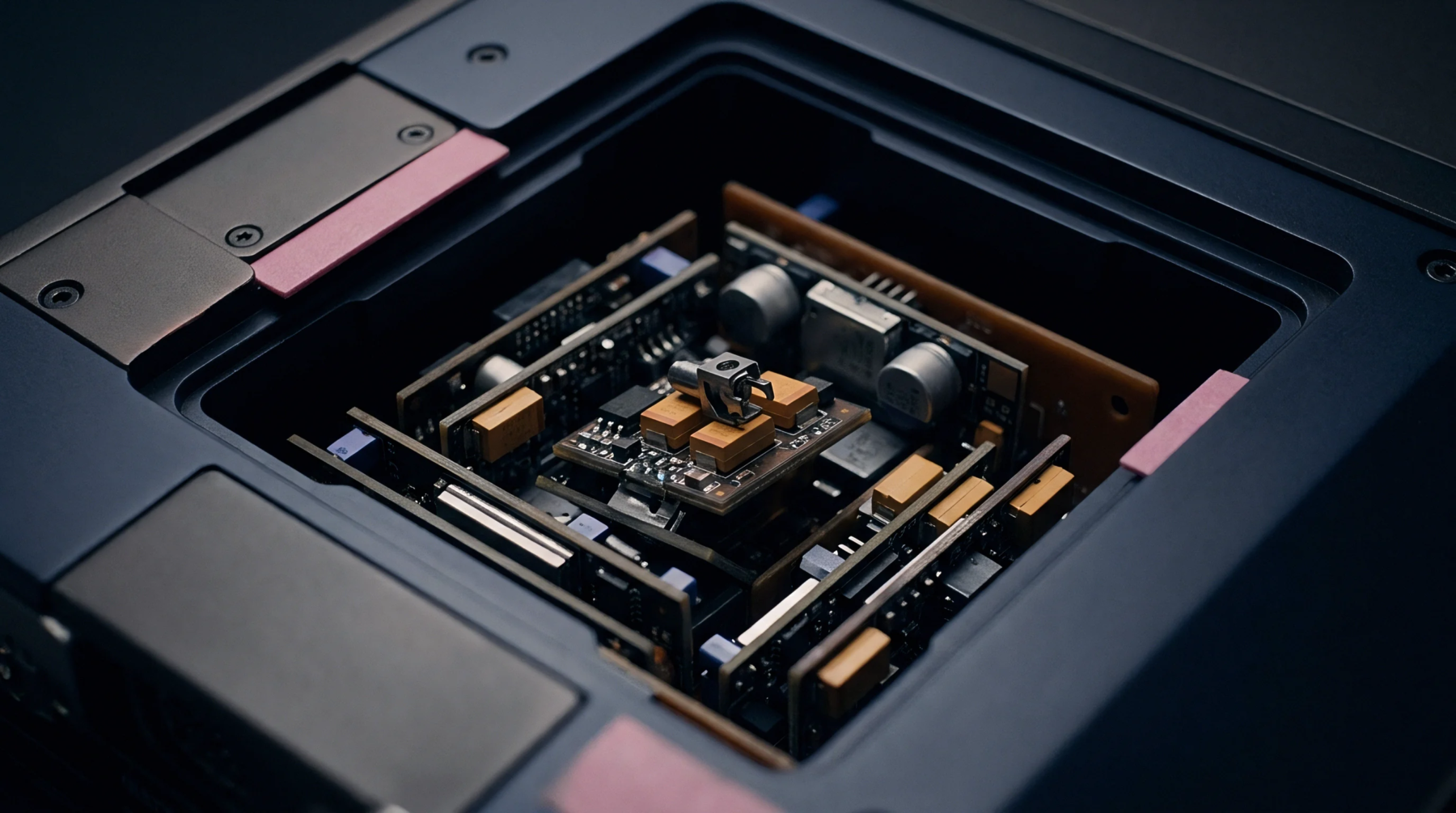
Unlicensed commercial radio access requires precise chamber testing, strict host integration boundaries, and regional type approval filings to prevent customs rejections.
Modifying enclosure materials or geometry shifts near-field coupling and radiated emissions, triggering mandatory global re-testing and permissive change refilings.

Radio product clearance depends on matching sovereign band allocations, passing radiated emissions tests, managing modular grant scope, and securing in-country representation.

Auditing tropicalized radiated emissions requires mandatory chamber environment verification, EUT thermal stabilization, and a 6 dB pre-compliance guard band.
Expertise is a utility, not a secret. sentiention™ publishes its working knowledge as open reference: intelligence layer covering the materials it sources, the markets it enters, and the reference that serves both.