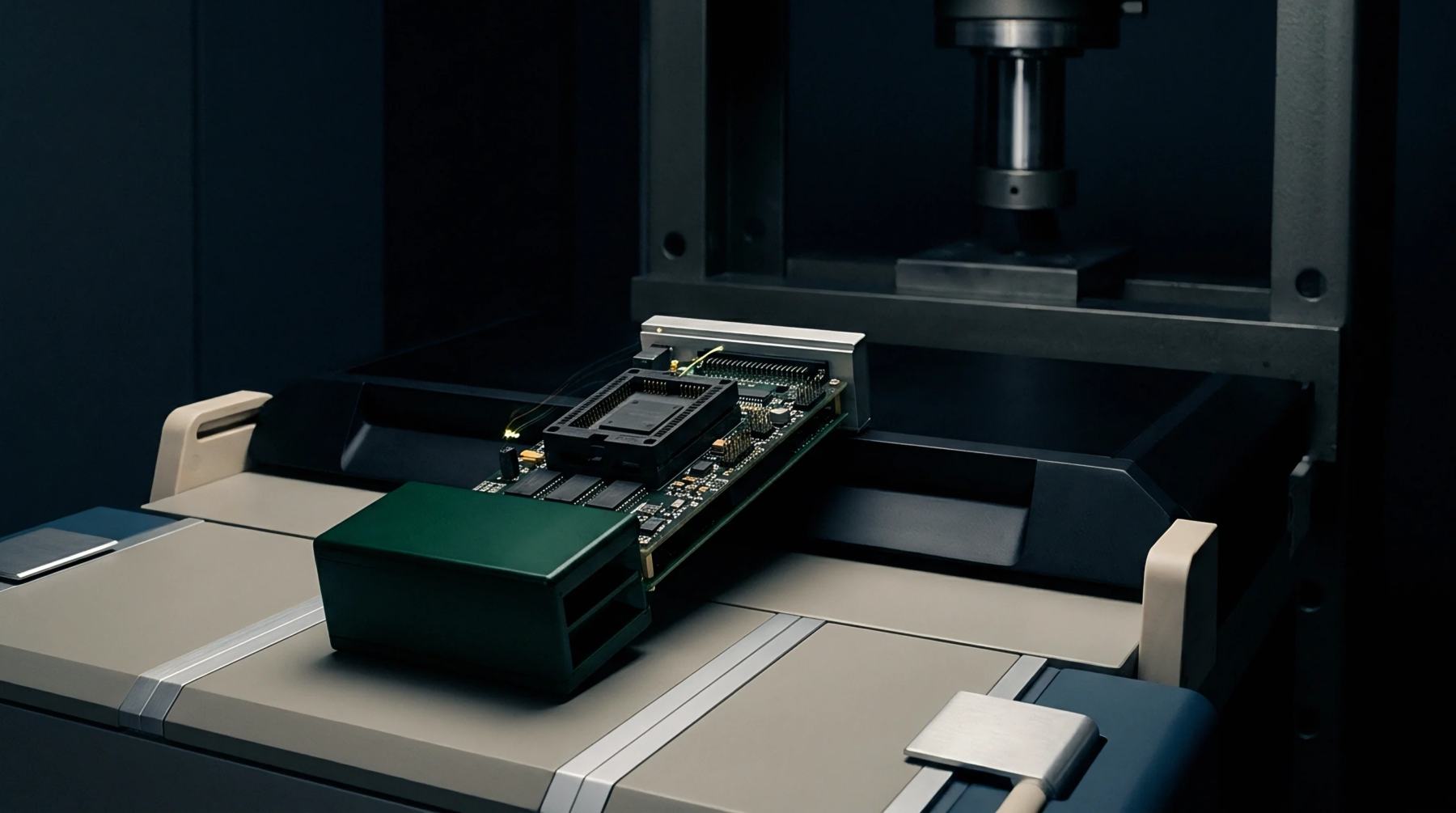
Post Production Hardware Modification Rework Cost Recovery Guidelines
Hardware rework cost recovery demands auditable defect attribution separating design transfer errors from contract manufacturer assembly process escapes.
Hardware rework cost recovery demands auditable defect attribution separating design transfer errors from contract manufacturer assembly process escapes.
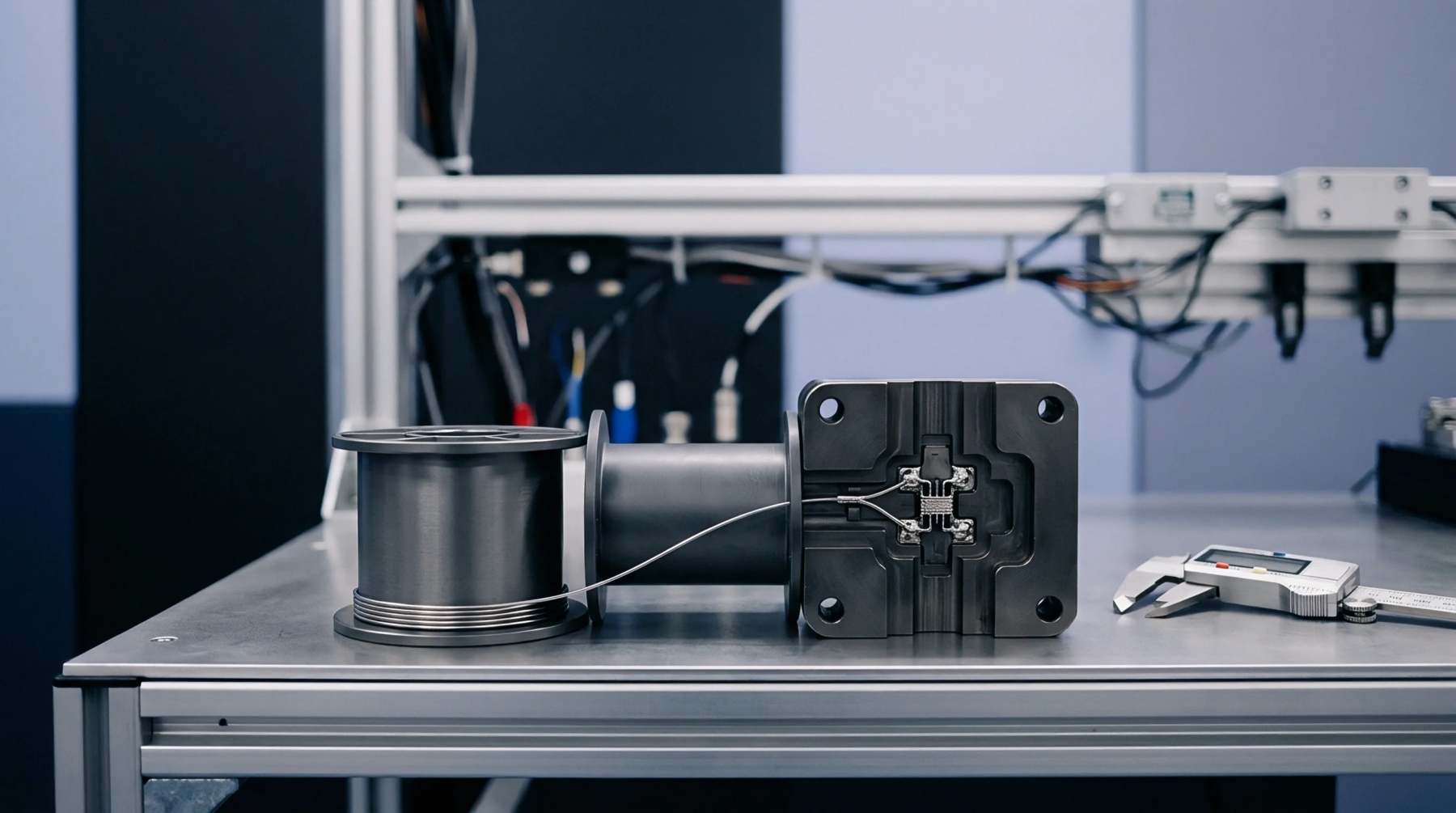
Cross-border insert disputes resolve by auditing unamortized core balances and executing bailment extraction clauses tied to factory gate escrow releases.

Enforce microcontroller credential ownership by isolating root secrets inside buyer-controlled hardware security modules and conditioning payment on test logs.

Secure unencrypted native design databases, universal tooling specifications, and bit-reproducible firmware repositories tied directly to staged milestone payouts.

Executing complete firmware source releases requires containerized deterministic build environments, complete board support packages, and clear IP assignment.
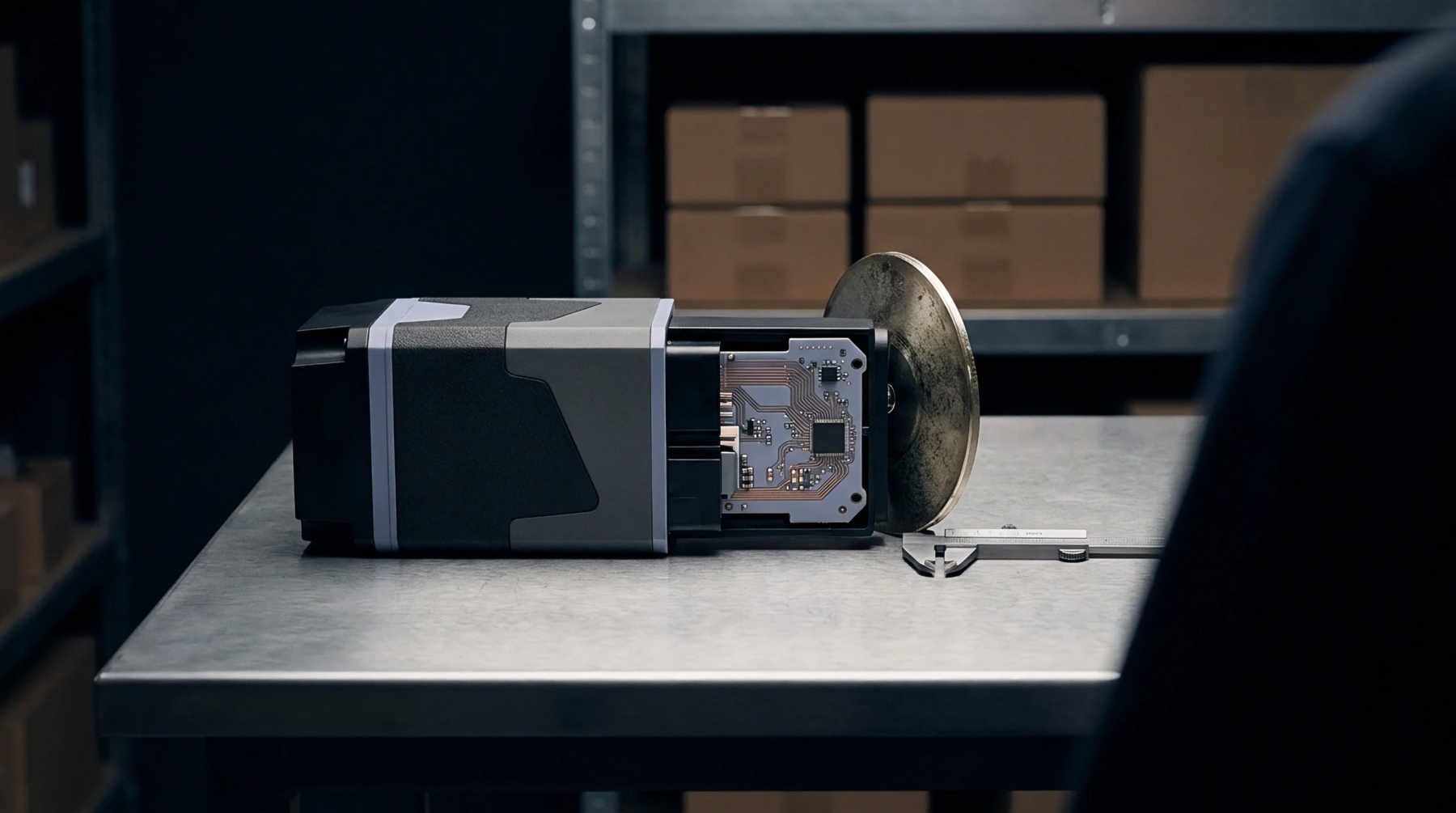
Decoupling board support packages requires separating silicon-specific register drivers from a uniform API shim to enable seamless dual-sourced PCB assembly.

Firmware abstraction layers add measurable flash and latency overhead, requiring strict memory and execution budgets before committing to dual-vendor transceivers.

Modem footprint migration demands co-planar ground stitching, stepped stencils for void reduction, and transient decoupling to prevent logic resets.

Allocating module IP and liability demands clear carveouts between vendor baseband code and custom application layers tied to capped epidemic defect penalties.

Module integration levels dictate engineering ownership, file transfer rights, firmware access, and long-term landed cost metrics across production lifecycles.

Joint thermal-kinematic calibration couples dynamic phase compensation with multi-point temperature observers to eliminate spatial scanning drift in continuous modules.

Dynamic latency compensation firmware counteracts velocity-dependent positioning errors in multi-axis laser interferometry through real-time phase extrapolation.

Embedded silicon capacitors suppress packaging parasitics when cavity loop inductance stays below 10 pH and co-design balances damping against yield risk.

A complete firmware escrow package requires hermetic build containers, calibration data, and bitwise binary parity verification on physical test rigs.

Dynamic acoustic calibration isolates tool cavity wear by tracking reference notch reflections to cancel thermal gradient velocity shifts in real time.

Dedicated FPGA pipelines processing high-frequency acoustic emission transients above one megahertz detect mold wear kinetics before surface micro-galling propagates.

Acoustic emission tooling integration demands direct cavity mounting, gold foil coupling, and defined scope boundaries to isolate wear bursts from press noise.

Mitigate glass-filled thermoplastic mold erosion by specifying powder metallurgy tool steels like CPM 10V or Elmax at 58-62 HRC for gates and high-wear inserts.

Screening escapes trigger supplier indemnity when board diagnostics prove latent defect presence before field thermal stress accelerates the fault.
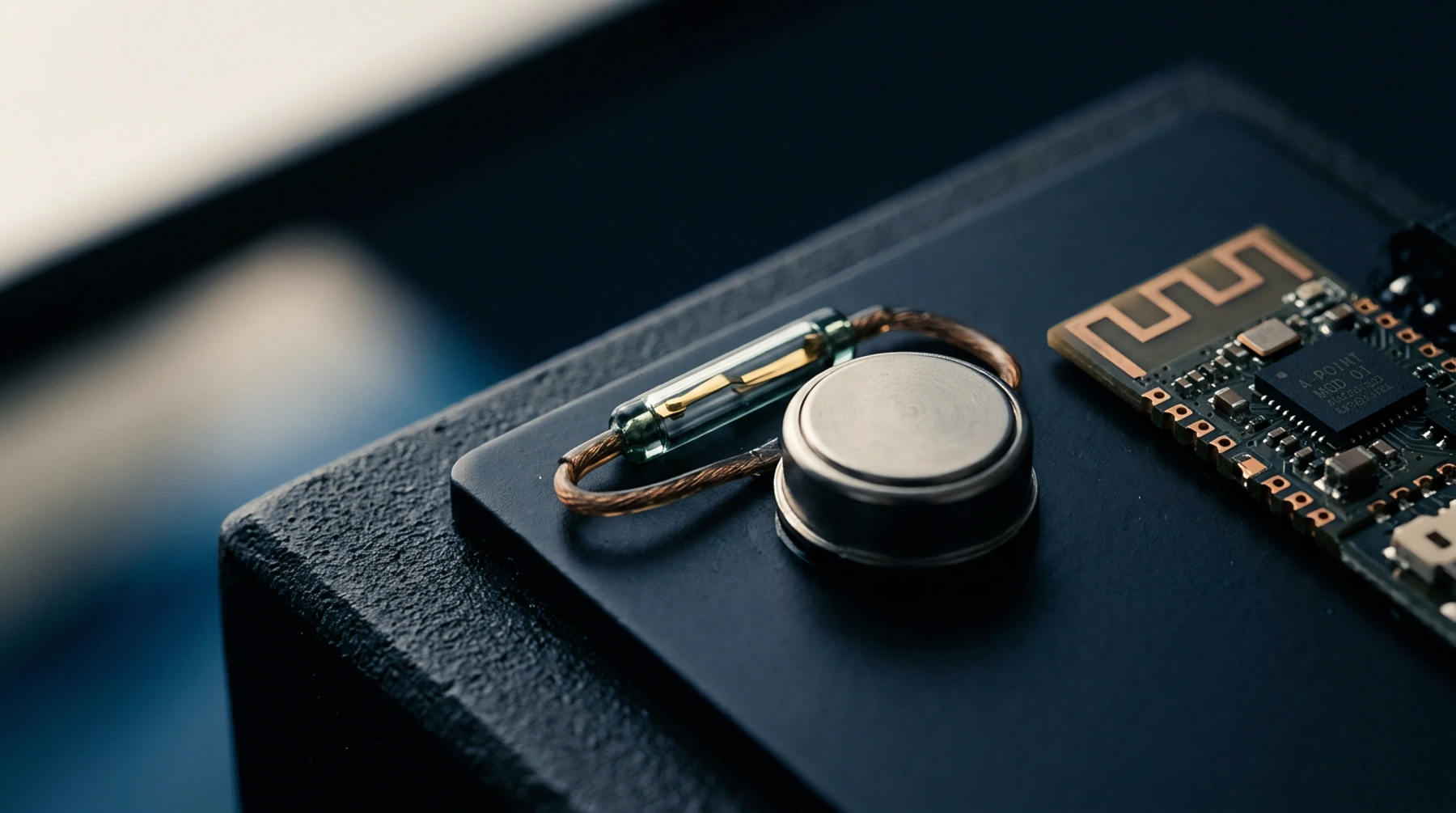
Pre-certified wireless modules bypass intentional radiator testing under 10,000 units, trading higher bill-of-materials cost for immediate regulatory clearance.
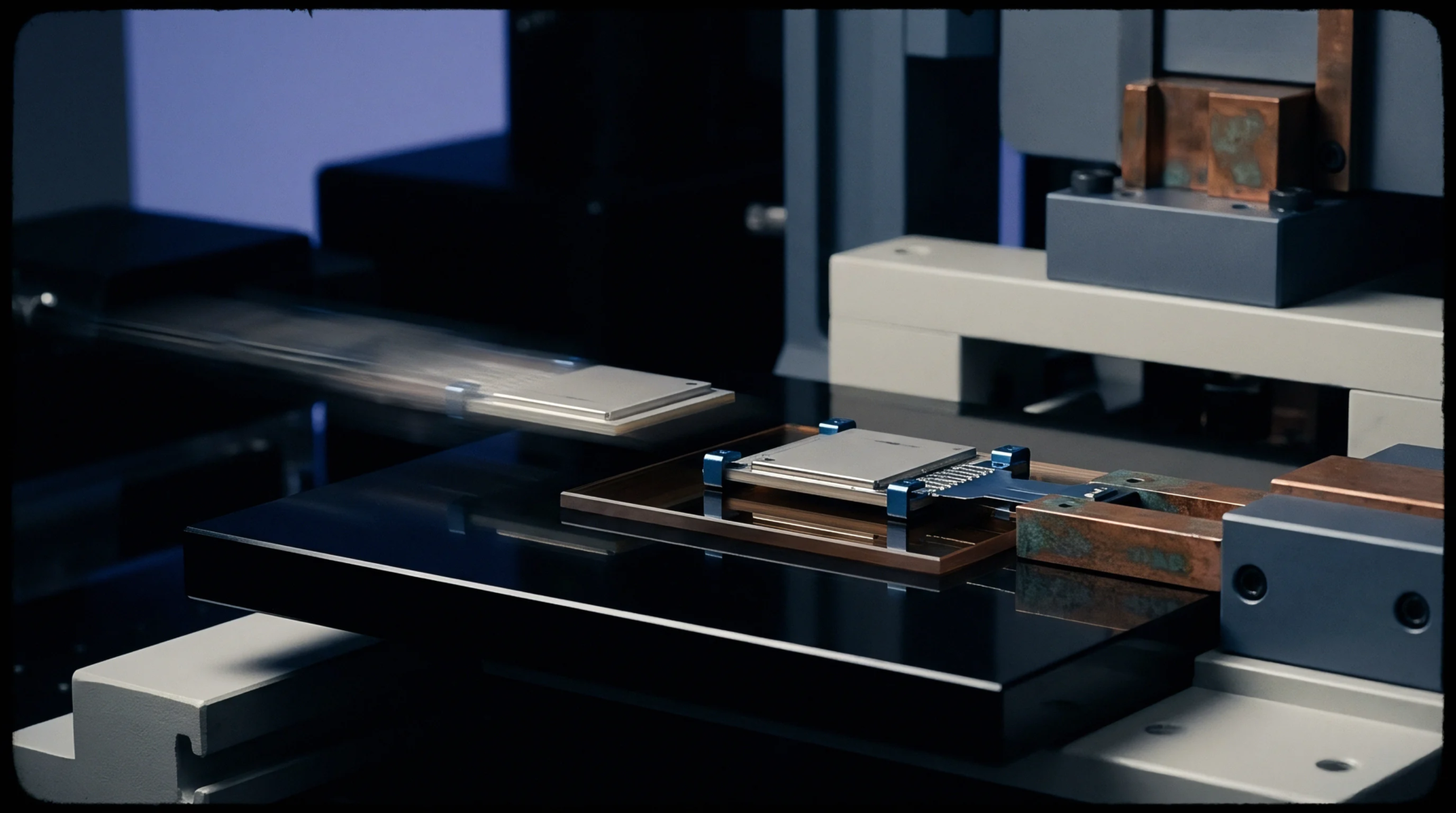
Lock microcode execution to foundry-burned silicon IDs via authenticated key tokens and own all tooling NRE to stop shared assembly lines leaking IP.

Firmware ownership and escrow verification define true hardware landed cost by hedging against vendor lock-in, forced board respins, and unmaintainable binaries.

Shared ODM architectures are identified through identical PCB layouts, matching device tree memory maps, unified tooling marks, and shared FCC test filings.

Arbitral quantum in tooling expropriation recovers replacement costs, extraction friction, and re-qualification downtime margin minus verified mitigation.
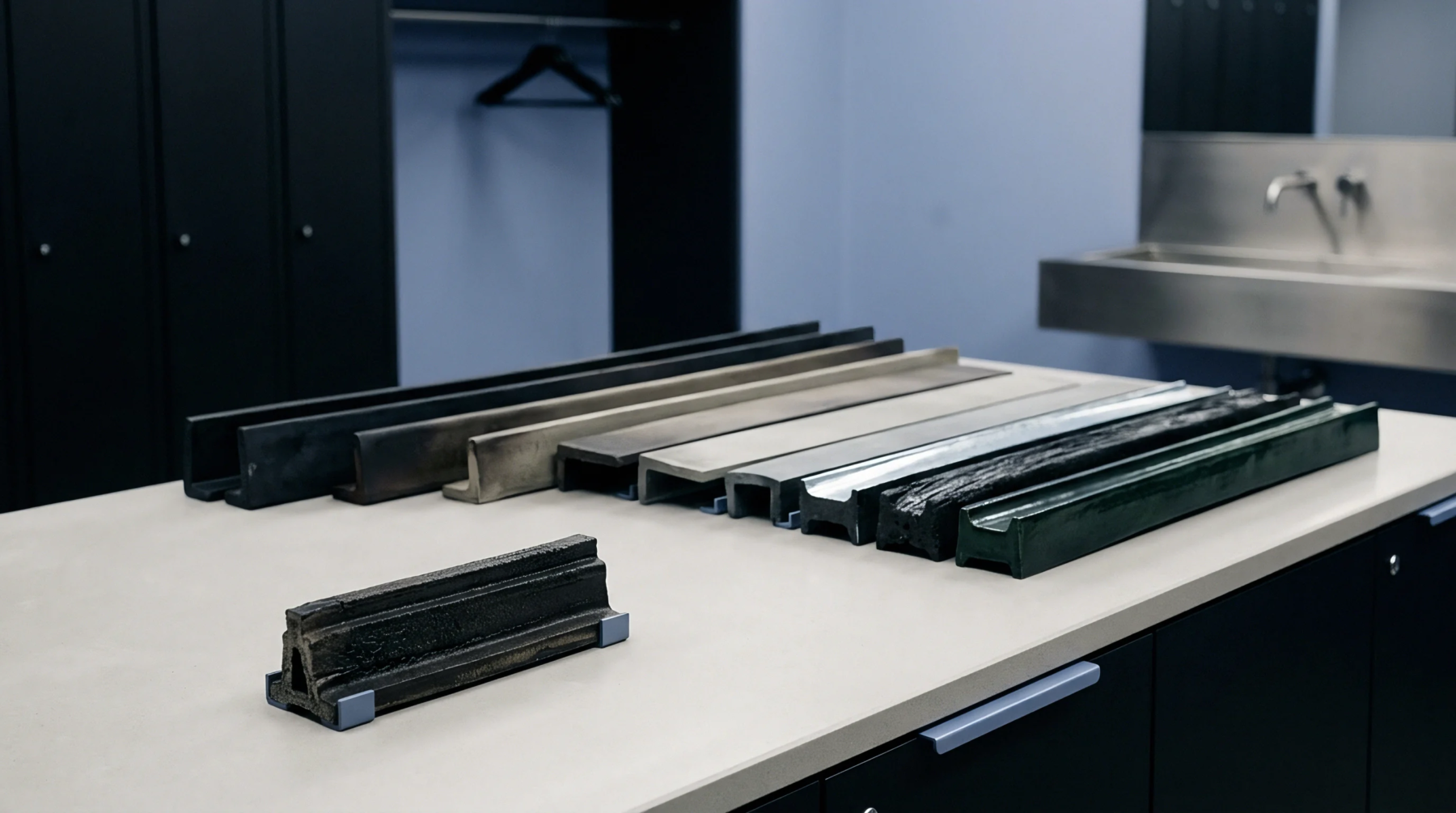
Depreciated replacement cost sets objective escrow bond values to neutralize factory possessory liens and legally extract cross-border production tooling.

Establishing HSM enclosures on SMT lines requires strict Z-axis force caps, outgassing vents, and air-gapped key injection to prevent bricking.

Pre-programmed secure elements eliminate line-side injection cycle penalties while direct microcontroller OTP flashing demands isolated hardware security modules.

Verify payload signatures completely before unlocking option registers to execute dual-bank swapping from SRAM with watchdog-backed rollback interlocks.

Vector table remapping redirects exception vectors by writing aligned target addresses to VTOR with synchronization barriers during dual-bank updates.
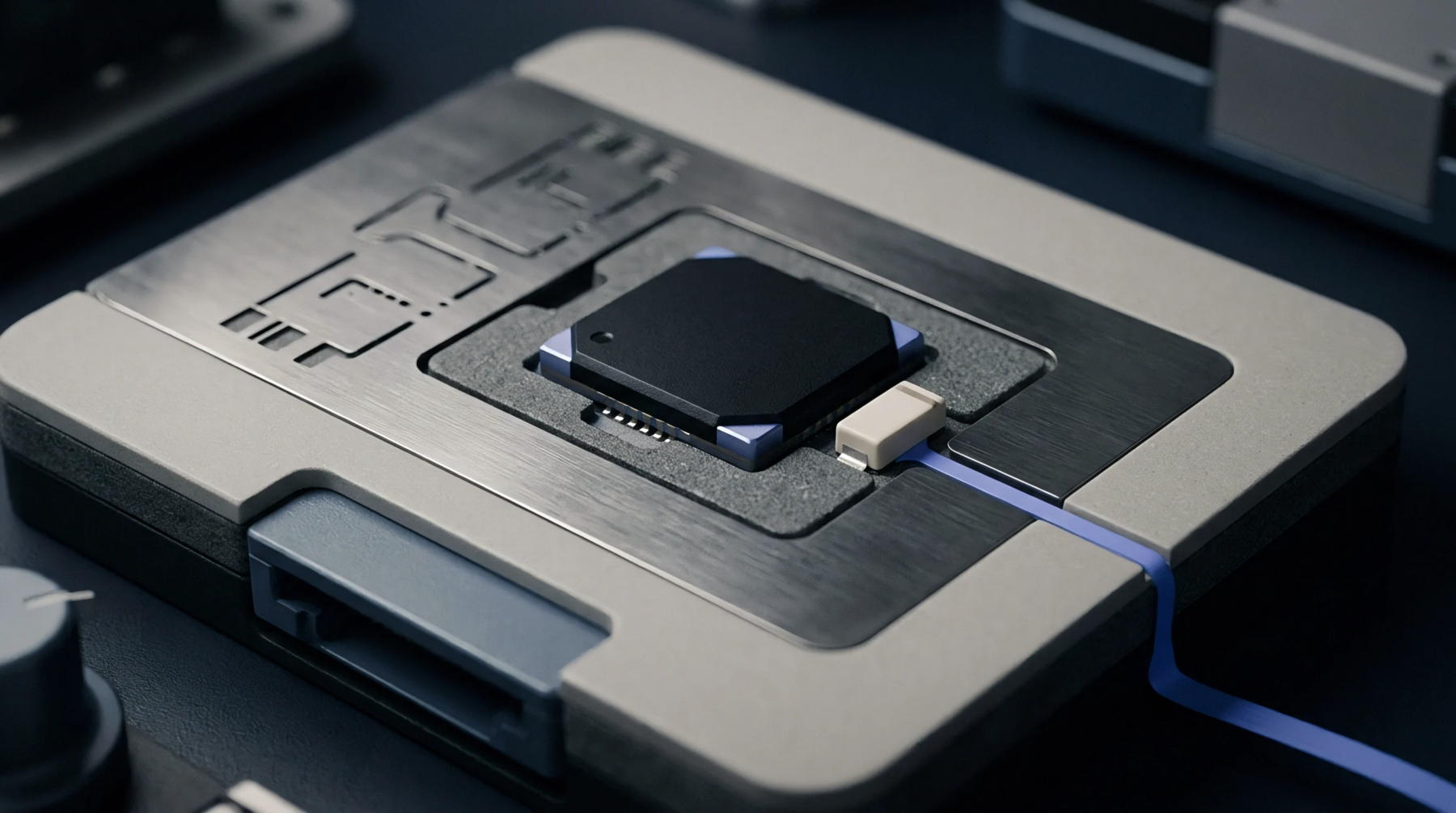
Locking turnkey bills of materials requires cryptographic file hashing, explicit manufacturer part numbers, and strict contractually enforced engineering change approval protocols.
Expertise is a utility, not a secret. sentiention™ publishes its working knowledge as open reference: intelligence layer covering the materials it sources, the markets it enters, and the reference that serves both.