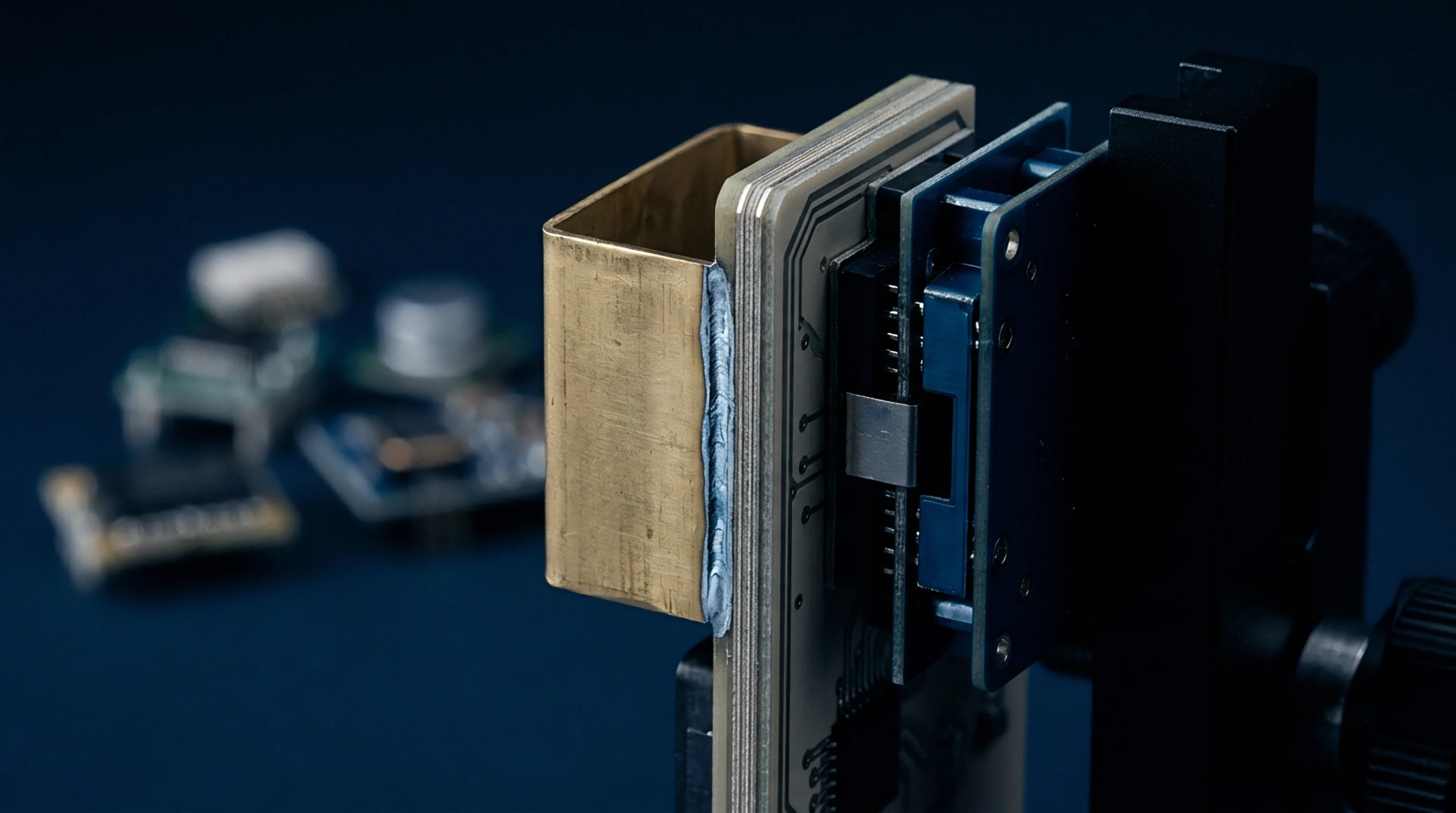
Buying a Ready Module against Building a Custom One
Selecting between ready modules and custom builds requires balancing upfront non-recurring costs and regulatory testing against long-term serial unit margins.
Selecting between ready modules and custom builds requires balancing upfront non-recurring costs and regulatory testing against long-term serial unit margins.

Sourcing ready modules minimizes upfront NRE and regulatory risk for mid-volume hardware, while custom discrete designs optimize unit landed cost at scale.

Turnkey module scope contracts must explicitly mandate native CAD schematic delivery, environmental verification limits, and test log escrow gates before initial deposits transfer.

Second-sourcing a semi-custom module two years post-launch demands complete native CAD source files, uncompiled firmware, and validated factory test jigs.

Cross-border bailment enforcement requires explicit statutory lien waivers, dual-key IP escrow, and pre-agreed replacement cost valuation clauses.

Unbundling hidden engineering hours from unit quotations exposes true manufacturing costs, restores IP ownership, and prevents locked-in margin erosion.

Crossborder measurement tooling requalification downtime liability requires explicit contractual liquidated damage terms backed by transit environmental logs.

Design transfer success depends on complete native CAD files, containerized firmware builds, unambiguous test specs, and explicit commercial exit clauses.

Factory unit quotes bury design, test jig, and maintenance hours in piece prices, requiring unbundled SOW line items to isolate engineering labor and IP rights.

Schematic netlists define logical connections, but copying vendor reference designs without matching physical PCB substrate stackup and trace geometries destroys RF performance and causes immediate electromagnetic compliance failures.

Module IP ownership requires explicit transfer of native CAD files, uncompiled firmware toolchains, and test jigs to break supplier lock in.

Turnkey manufacturing IP assignments require explicit foreground code ownership, unencumbered CAD file delivery, and contractually binding mold extraction rights.
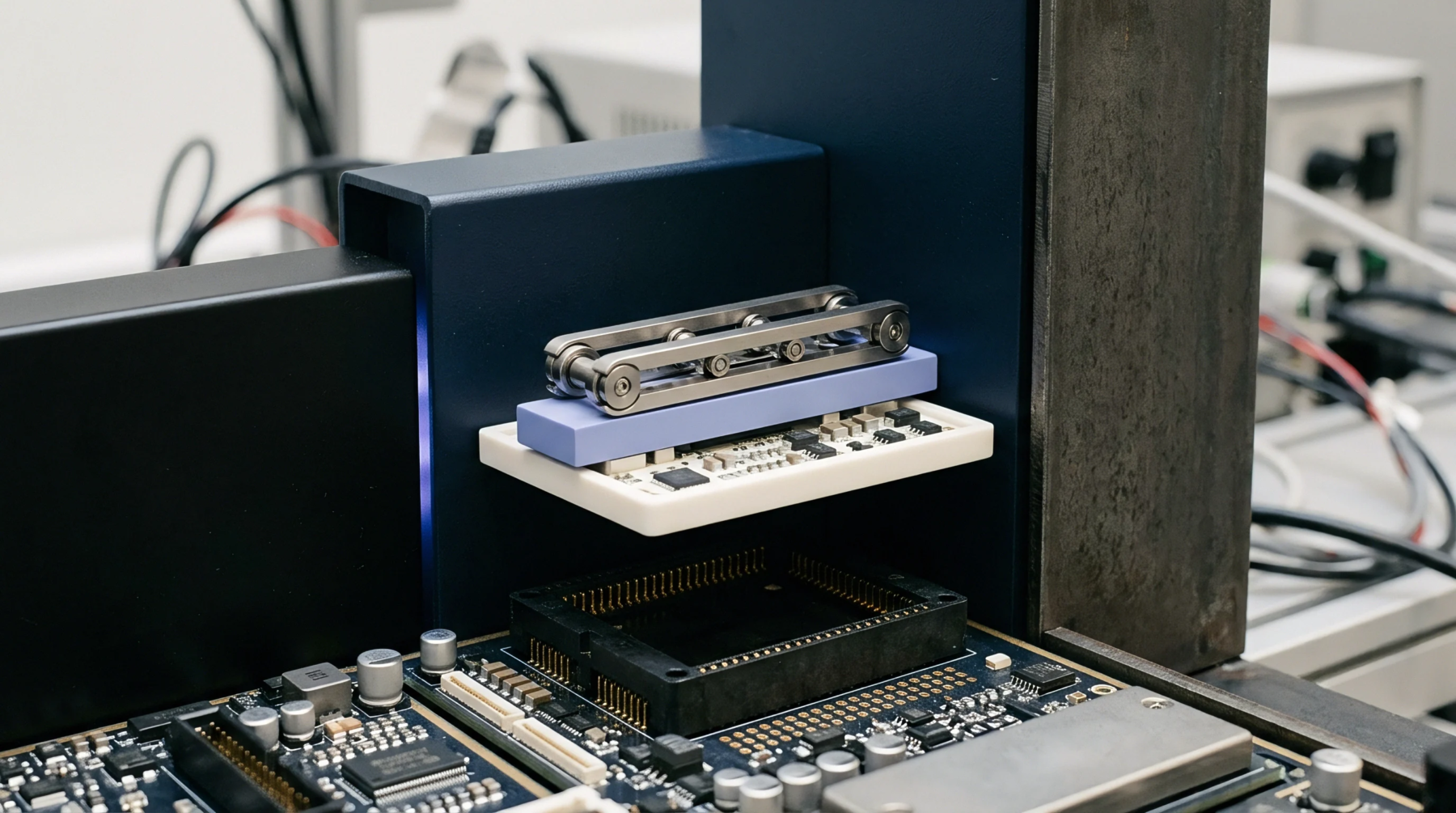
Post-production changes require locked baseline dossiers, physical rework verification under IPC standards, and strict serial number tracking to prevent line escapes.
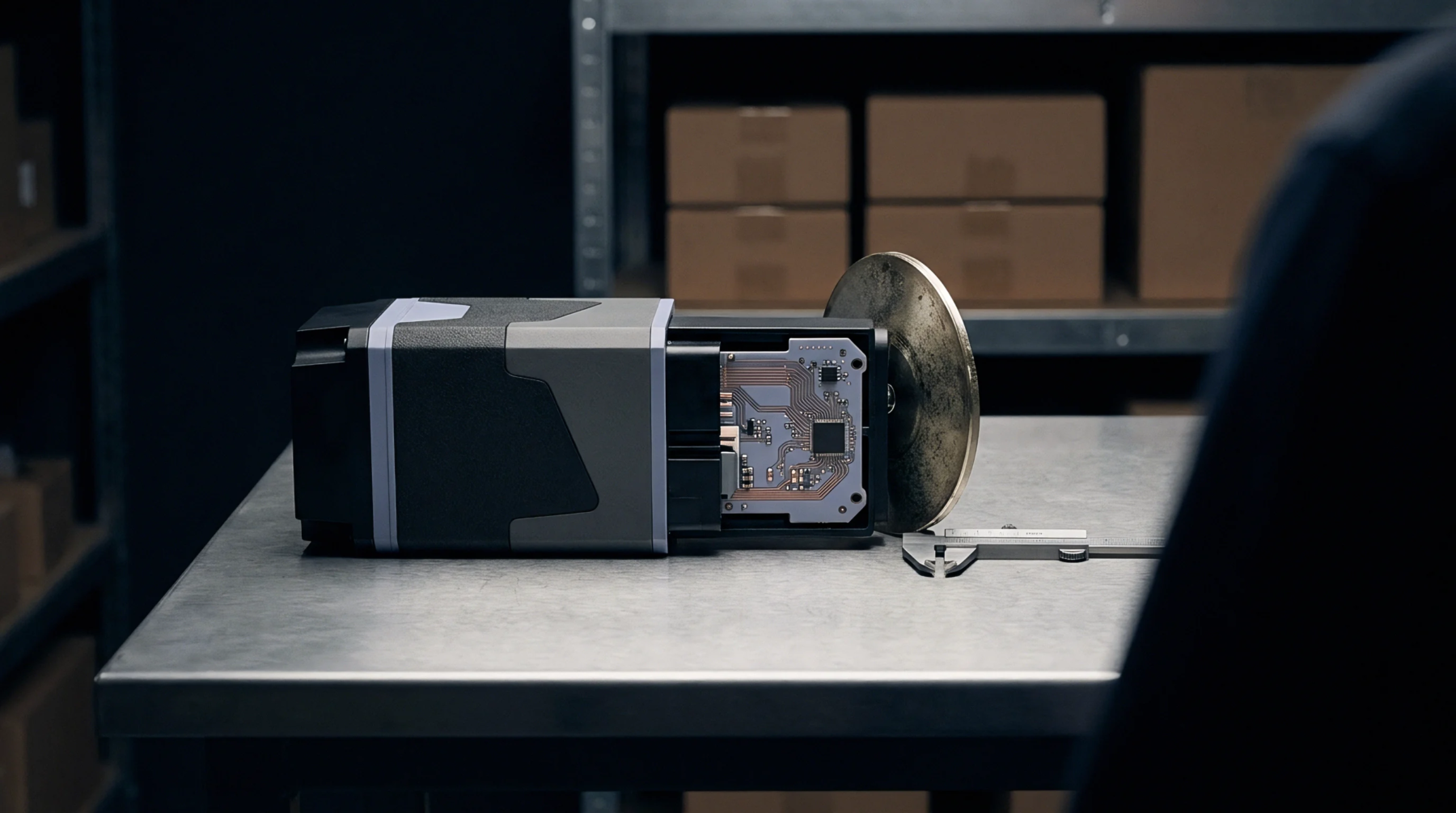
Silicon stepping updates demand dynamic register revision checks, thermal corner parametric verification, and permissive change audits before volume cutover.

Unbundling non-recurring engineering hours in unit quotes isolates amortized costs, establishes clear work boundaries, and protects firmware ownership.

Turnkey module software maintenance requires explicit tier allocations, build container preservation, and formal errata liability boundaries in supply contracts.
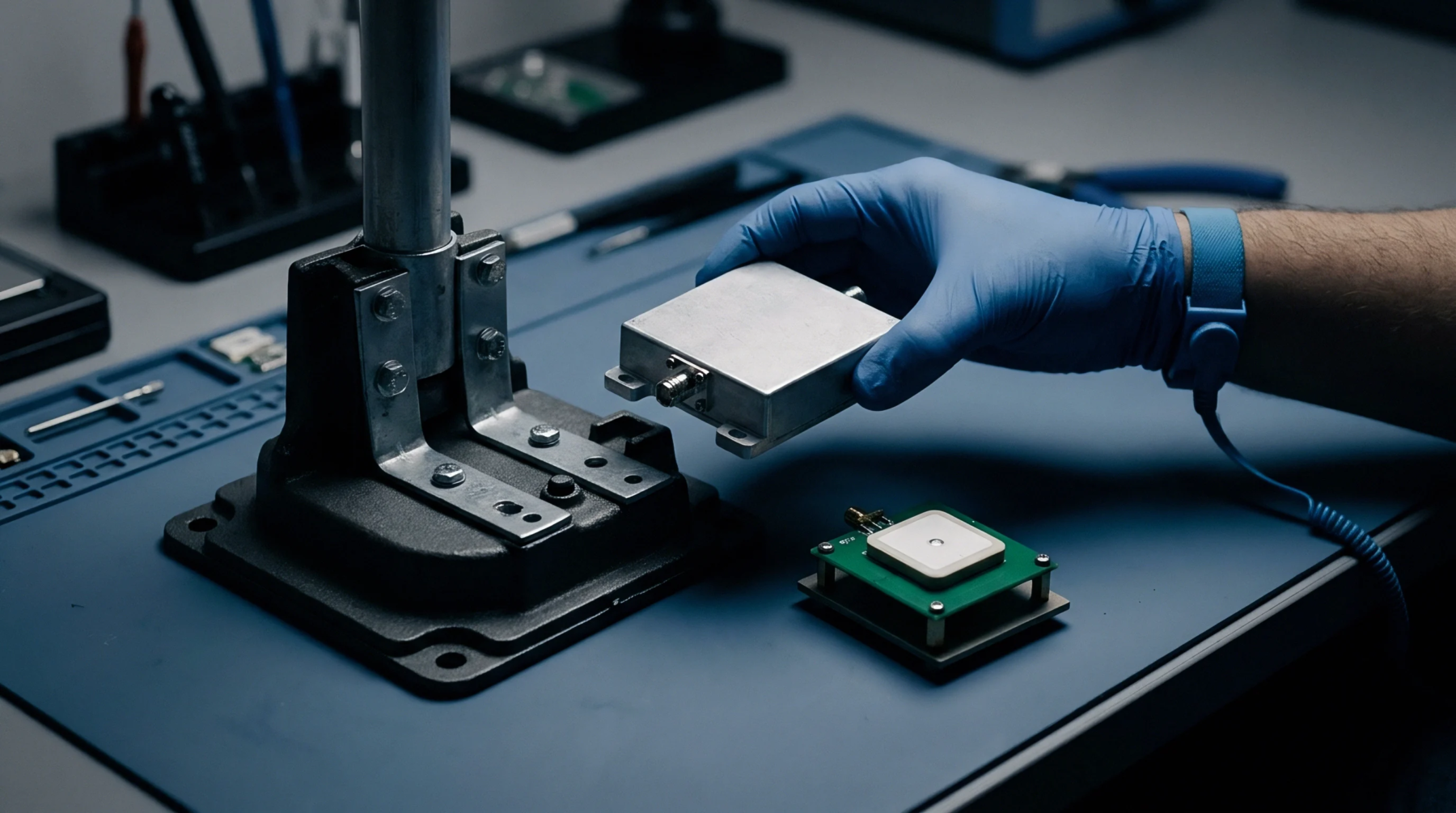
Unbundling non-recurring engineering fees from unit prices protects hardware margins and guarantees access to native design databases during manufacturing scale.

Evaluating dual source transfer packages requires auditing source documentation completeness, matching physical substrate parameters, and tracking landed costs.

Evaluating source file completeness and build environment isolation guarantees secondary production autonomy through verified bit-deterministic firmware compilation.

Resolving unmapped microcontroller errata during dual site handoffs requires signal mapping, containerized builds, and binary symbol escrow.
Unbundling firmware drivers and test fixtures requires explicit source repositories, containerized builds, physical CAD files, and audited fixture escrow.

Validating factory fabrication packages for multi-sourced wireless modules requires IPC-2581 layer mapping, netlist verification, and RF calibration parity.

Valuation models for secondary design repositories rely on weighted reproduction cost and royalty relief methods adjusted by technical completeness factors.

Verifying component process changes requires validating raw S-parameters, mechanical coplanarity, and firmware regression logs against baseline specs.

Kinematic flexure interfaces isolate dissimilar metal thermal expansion mismatch by matching degree-of-freedom constraints to prevent micro-yield and hysteresis.

Auditing transfer packages demands verifying native CAD files, bit-for-bit firmware build parity, ATE jig calibration logs, and ECN histories before tooling.
Deterministic register verification requires post-reset bitwise snapshotting, shadow register diffing, and strict bit-masking HAL drivers across multi-site handovers.

Dynamic volume splitting balances supply risk by adjusting dual-hardware manufacturing quotas based on real-time factory yields, quality limits, and tooling amortisation floors.
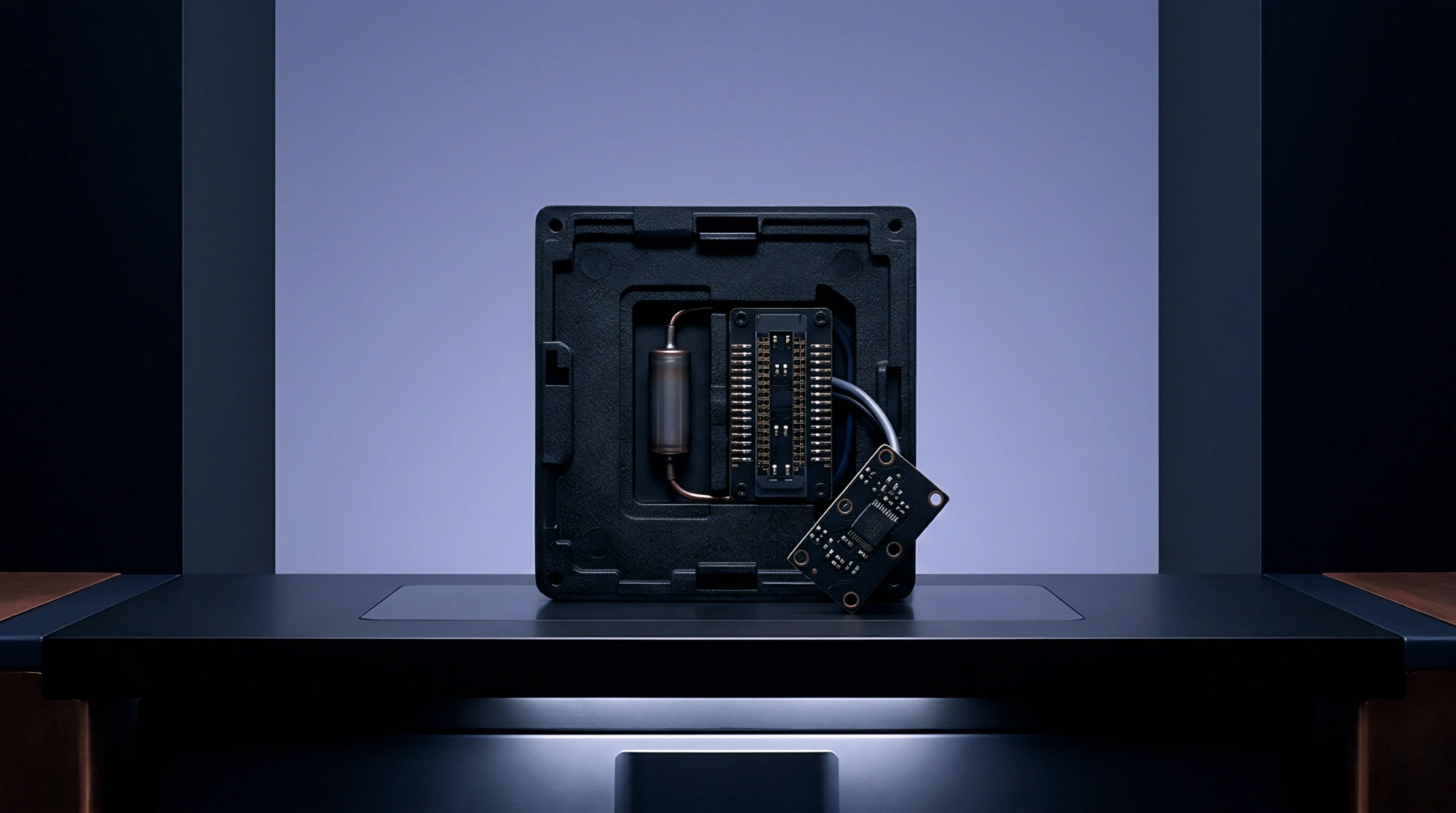
Maintaining transferred firmware repositories requires containerized build environments, physical testing rigs, and explicit SLAs to allocate silicon errata costs.

Module IP management requires defining baseline assets, acquiring raw CAD and containerized build packages, and securing clear derivative assignment.
Expertise is a utility, not a secret. sentiention™ publishes its working knowledge as open reference: intelligence layer covering the materials it sources, the markets it enters, and the reference that serves both.