
Mutual Recognition Frameworks for Wireless Equipment Authorization
Mutual recognition frameworks eliminate redundant overseas radio testing by allowing accredited domestic bodies to issue valid destination market authorizations.
Mutual recognition frameworks eliminate redundant overseas radio testing by allowing accredited domestic bodies to issue valid destination market authorizations.

Transfer matrix inversion synthesizes compliant immunity fields inside unlined enclosures but carries severe certification and retest risks during audit.

Exclusion of simultaneous wearable SAR requires summing individual link ratios below unity under KDB 447498 D04 using maximum factory tune-up power limits.

Metallic host enclosures induce cavity resonances and seam radiation, turning modular radios into compliance risks requiring co-location and emission scans.

Unshielded wireless modules legally void standard modular approvals, transferring all radiated compliance liability and certification costs to the host integrator.

Co-located wireless modules require permissive change filings whenever intermodulation exceeds Part 15.209 limits or portable SAR separation falls under 20 cm.

Modular radio certifications cover standalone transceivers; host integrators retain full legal liability for combined unintentional emissions and SAR limits.
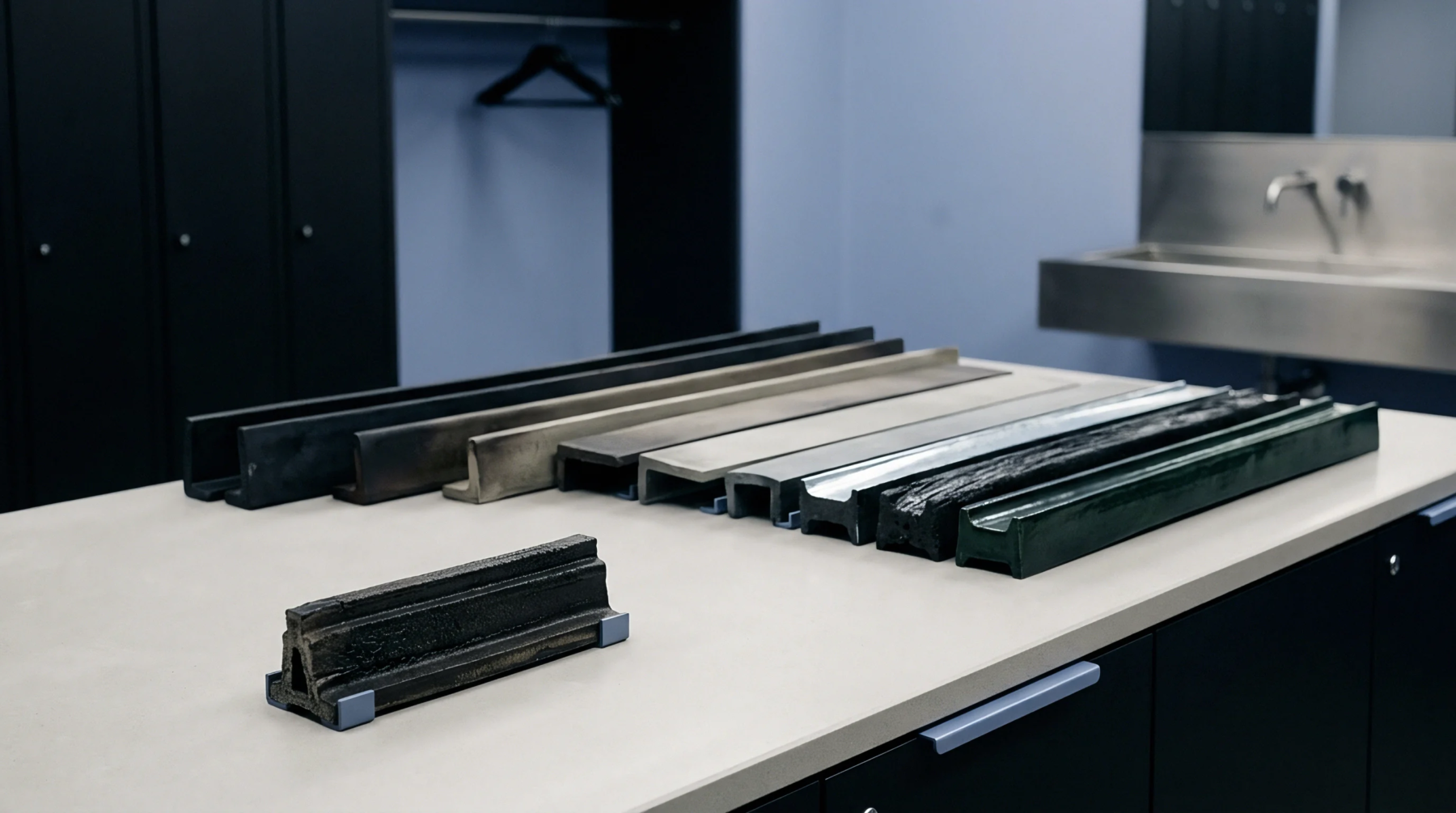
Laminate swaps in 77 GHz radar change EIRP and pattern directivity, requiring Class II permissive filings if power rises or spurious emission profiles degrade.

Characterizing thermal dielectric relaxation in anisotropic W band polymers prevents beam squint and out-of-band emissions during regulatory approvals.

Co-locating dual transmitters within 20cm triggers mandatory radiated intermodulation testing and invalidates standalone modular grants across all major markets.

Modular radio approvals cover transmitter components alone, forcing host manufacturers to perform radiated testing and execute distinct country filings.

Exceeding radiated spurious limits or specific absorption rate thresholds under close antenna co-location mandates a formal Class II Permissive Change filing.

Radiated spot checking verifies that host chassis interactions and multi-radio mixing do not violate baseline modular grant emission limits.

Transceiver assist values split along grant boundaries, apportioning RF engineering strictly to hosts adopting the certified trace or local modular filing.

Regulatory grants and test fees must harmonize with customs entry values to prevent dutiable assist omissions and border seizures.

Reconciling customs valuations with equipment authorizations requires aligning declared assist costs and firmware versions with accredited test configurations.

Firmware flashing in-country fails to shift customs country of origin for assembled hardware, requiring foreign origin declarations while enabling non-dutiable software deductions.

Modular power table overrides trigger host non-compliance; commercial indemnification requires signed binary schemas and fuse-locked baseband execution.

Aligning radio directive compliance requires mapping ETSI transition windows to customs dates, executing targeted gap tests, and updating dossiers before standards lapse.

When harmonized European standards are superseded, update technical files with gap analyses and delta test reports before the date of cessation to preserve legal market access.

Presumption of conformity expires on the Official Journal cessation date, requiring updated harmonized testing or a Notified Body Module B certificate.

Rectifying host wireless declaration deficiencies requires bonded manipulation, accredited test exhibits, and formal agency filings to avert cargo seizure.
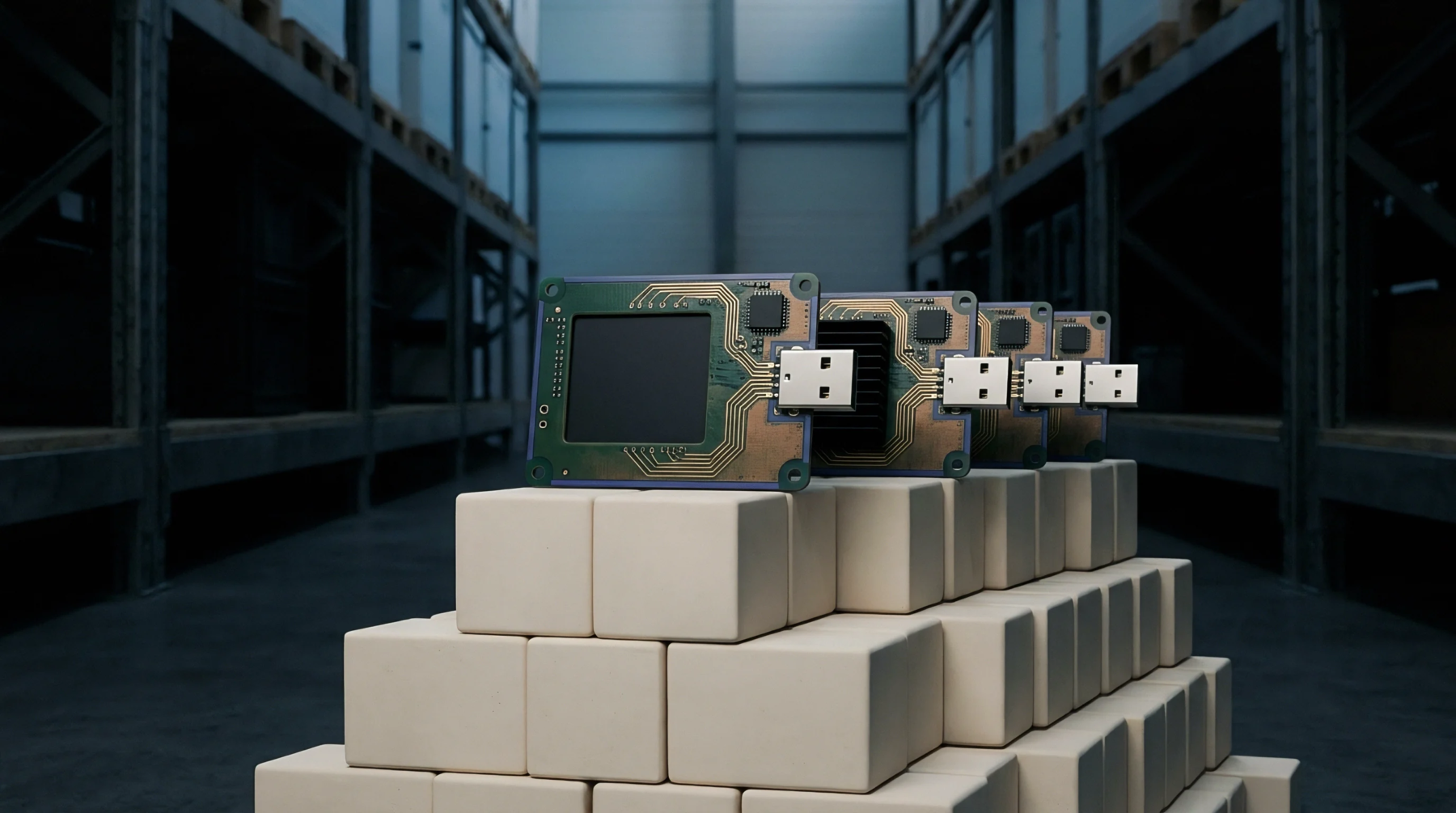
Harmonizing multi-transmitter host approvals demands pre-scan intermodulation testing, cross-jurisdictional exposure summations, and complete technical files.
Resolve third-party IP impasses during radio conformity audits by using direct regulatory sub-dockets, pre-negotiated escrow covenants, and sealed test binaries.

Altering modular radio host enclosures requires Class Two Permissive Changes when material shifts detune antennas or elevate radiated spurious emissions.
Radio measurement uncertainty differences across accredited labs require mandatory 6 dB design guardbands to prevent market surveillance failures.

CE module approvals do not cover host integration; host manufacturers must execute physical delta testing and compile a full RED Technical File.
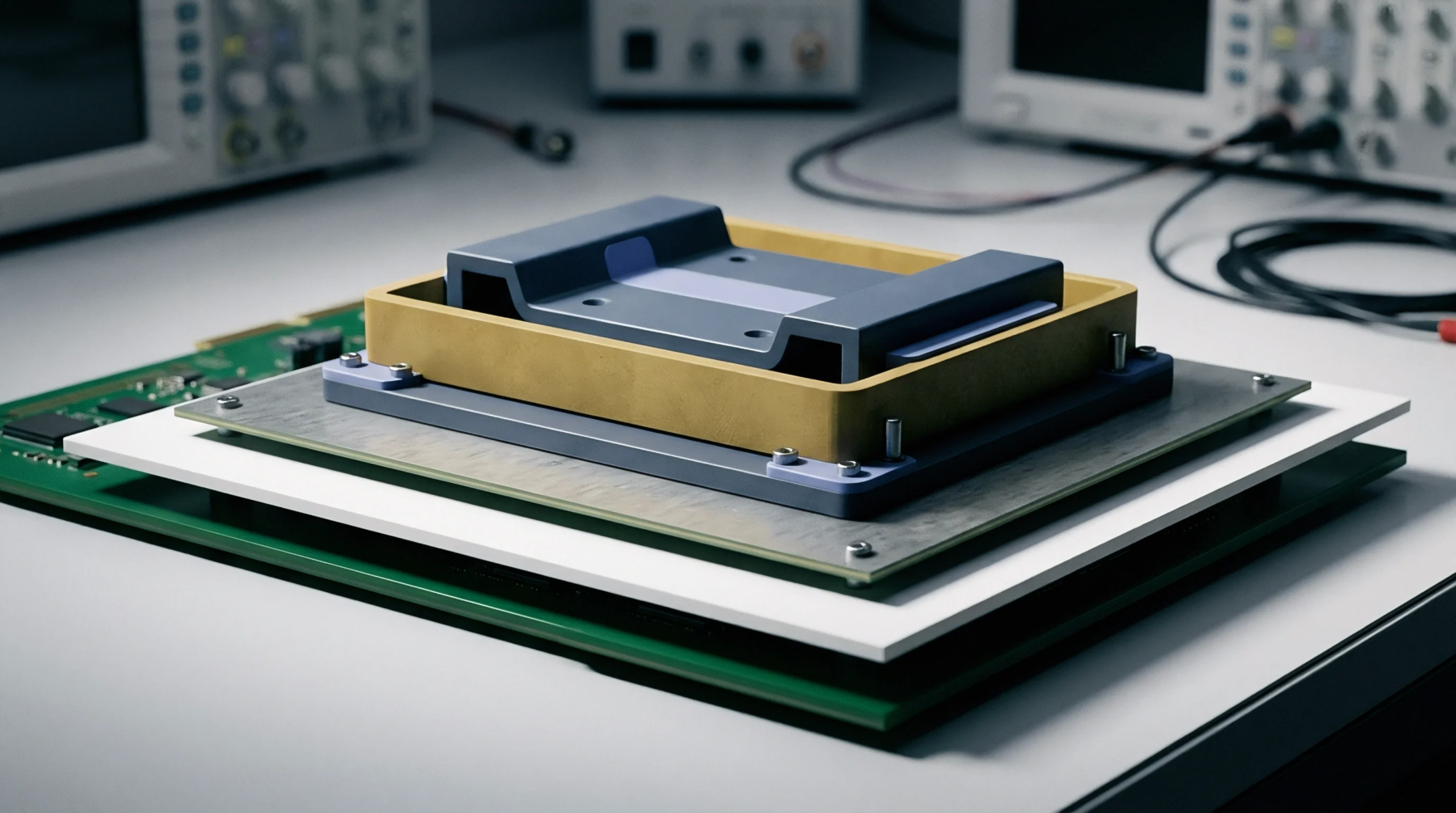
Hardware root of trust integration requires active bus testing and targeted permissive change filings to preserve modular radio compliance across global markets.

Dual-function wireless transceiver modules classify under HS code 8517.62 as finished transmission apparatus under General Rules of Interpretation 1 and 6.
Maintain explicit grantee agency agreements and independent grant lineages to execute multi-market permissive changes when module vendors alter hardware.
Expertise is a utility, not a secret. sentiention™ publishes its working knowledge as open reference: intelligence layer covering the materials it sources, the markets it enters, and the reference that serves both.