
Navigating Korean Radio Waves Act Requirements for Foreign Wireless Equipment Manufacturers
Foreign manufacturers must secure a South Korean legal representative and pass accredited lab testing under the Radio Waves Act before importing radios.
Foreign manufacturers must secure a South Korean legal representative and pass accredited lab testing under the Radio Waves Act before importing radios.

Cross-border radio nominee risk requires separating legal representation from distribution while holding direct Grantee Code ownership and central TCF escrow.
Seized wireless shipments require bonded warehouse firmware reflashing to locked production builds and corrective carton relabeling matching regulatory grants.

Cross-border radio module verification requires auditing public regulator databases to validate active grant status, power limits, and permissive change scopes.

Harmonizing modular radio scopes across customs points requires matching external host labels to upstream grant IDs backed by a host-level technical dossier.

Resolving regulatory discrepancies requires binding supply agreements, host radiated validation, precise regional firmware power caps, and escrow reserves.

Harmonize regional test parameters into a unified worst-case test plan to minimize chamber time and maintain cross-border radio grants across platform revisions.

Software-defined transmit power allocation requires cryptographically secured regulatory domain tables matching regional grants to prevent certification failure.

Silicon stepping updates require rigorous delta EMC testing to verify that altered die geometries do not trigger mandatory Class II filings or new FCC IDs.
Modifying wireless module firmware registers invalidates modular type approvals, turning certified products into unapproved transmitters subject to immediate seizure.
Firmware updates modifying transmitter power, duty cycle, or spurious emissions demand a Class II Permissive Change filing before deployment.

Class Three Permissive Changes demand prior SDR classification and an airtight KDB 594280 declaration proving signed code isolates RF operational parameters.

Class One permissive changes for transceiver firmware require internal verification testing that proves output power, bandwidth, and emissions remain within original grant limits.

Locking firmware power tables and routing reliable conducted test ports accelerates Chinese SRRC approvals while preventing customs seizures and retests.
Dual-band transceivers enter China only after accredited domestic labs verify conducted power, dynamic frequency selection, and spurious limits under CMIIT rules.
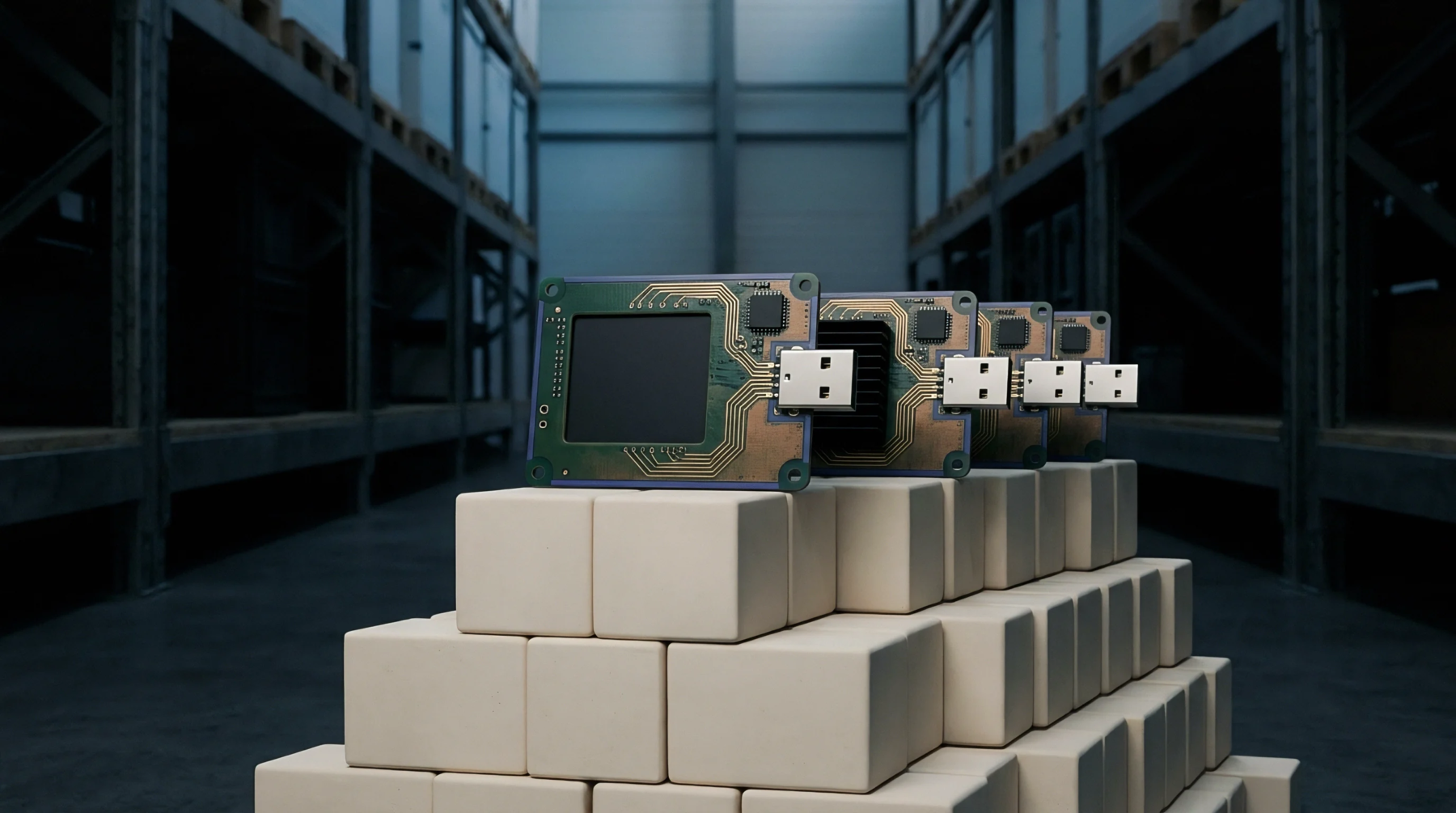
Closing white-label radio approval gaps requires mandatory host-level radiated testing, unredacted technical files, and local legal agent appointments.
Host modifications altering antenna types, SAR distances, or collocated emissions dictate either internal Class I logs or formal Class II regulatory filings.
Transfer regulatory grants without retesting through Section 2.933 filings by proving legal chain of custody, BOM parity, and unredacted test report access.

Dynamic frequency selection and simultaneous transmission permissive changes require dedicated radiated intermodulation scans and agency pre-approval reviews.
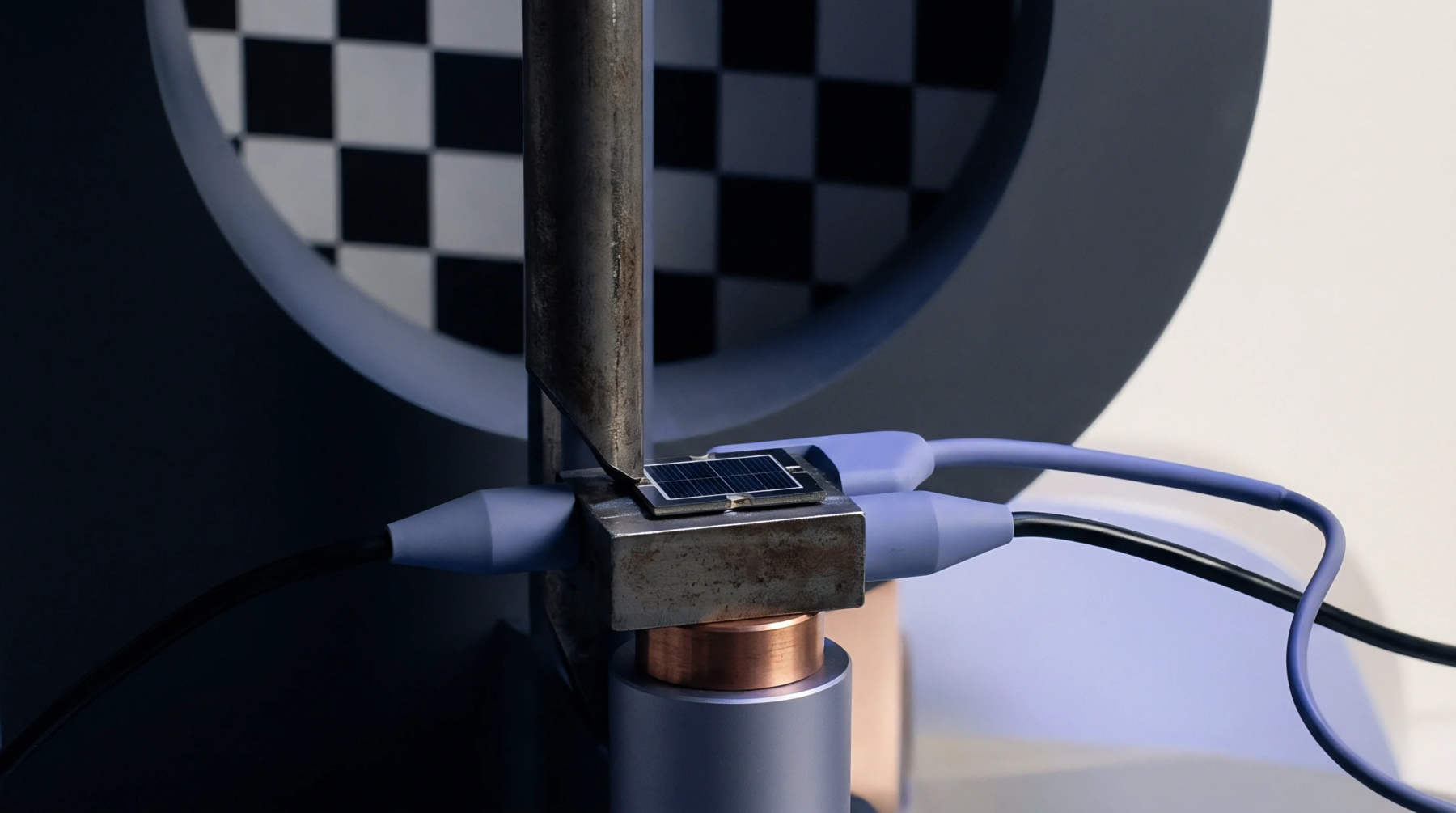
Signed regulatory binaries bound to immutable hardware roots prevent invalid country code configurations from enabling non-compliant radio frequency emissions.
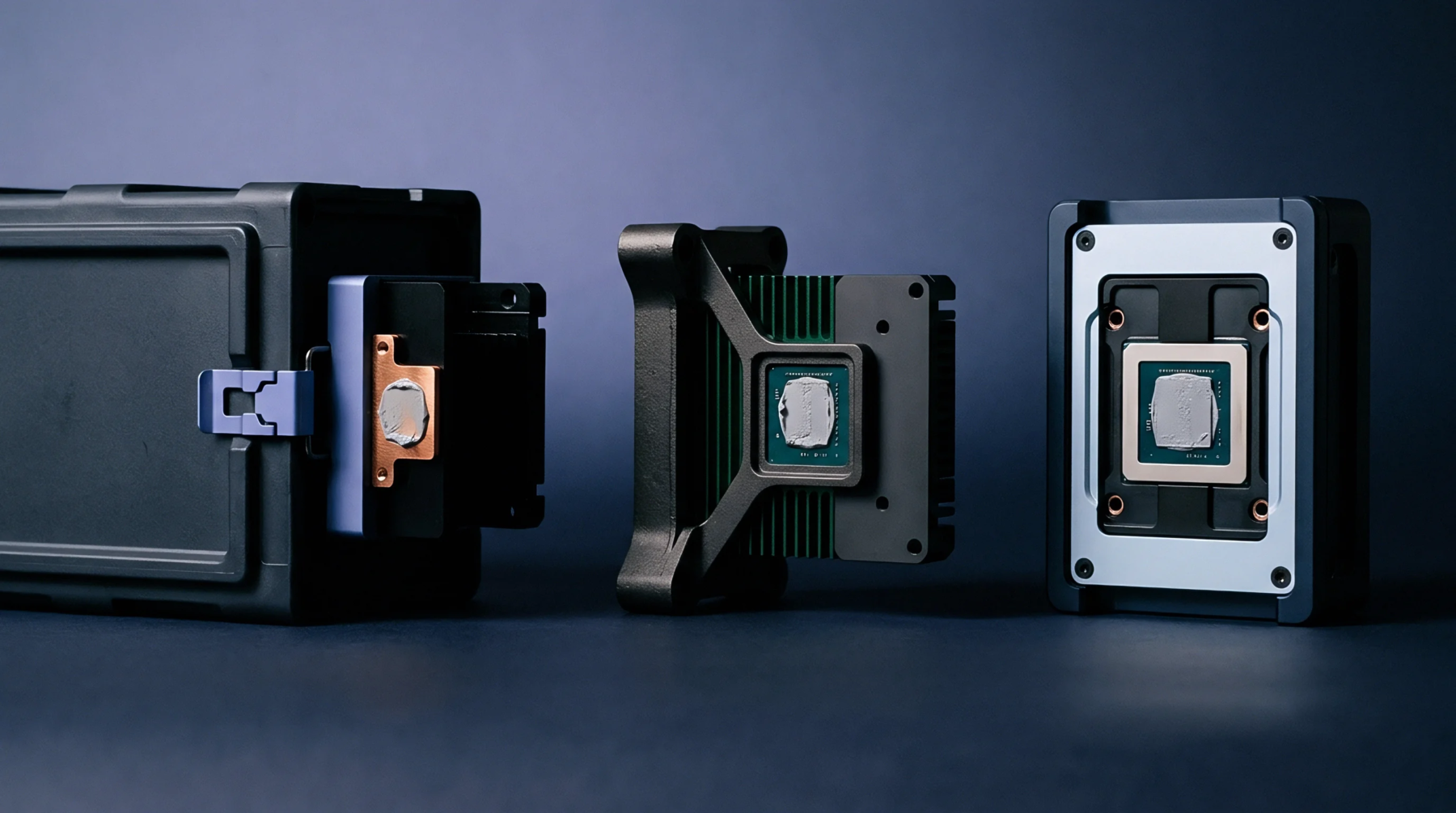
Cross-border radio clearance requires aligning host antenna gains and trace layouts with modular grant limits to avoid entry holds and permissive changes.
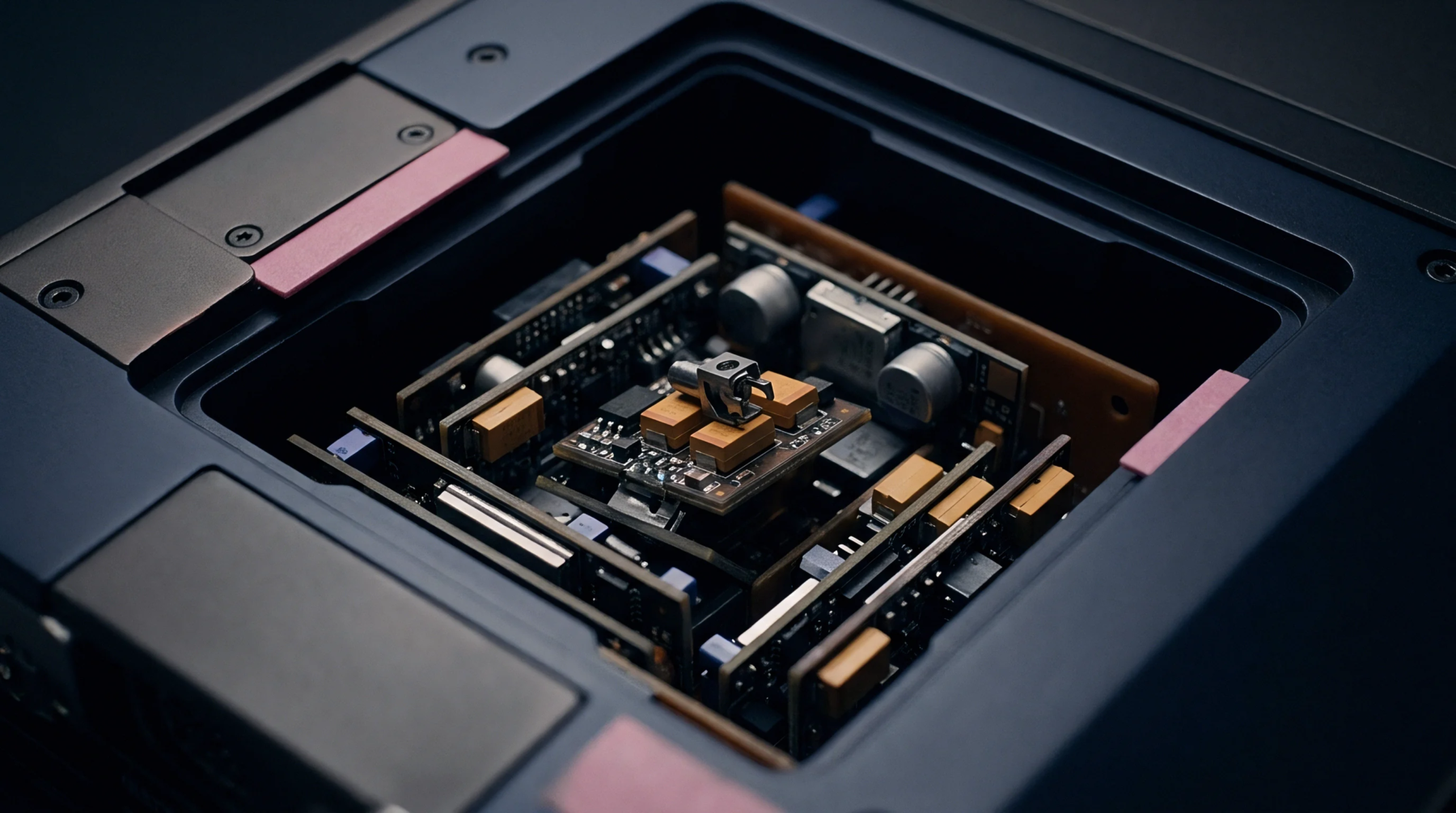
Modular radio approvals cover transmitter components alone, forcing host manufacturers to perform radiated testing and execute distinct country filings.

Firmware flashing in-country fails to shift customs country of origin for assembled hardware, requiring foreign origin declarations while enabling non-dutiable software deductions.

Aligning radio directive compliance requires mapping ETSI transition windows to customs dates, executing targeted gap tests, and updating dossiers before standards lapse.

Importing embedded radios requires auditing modular grant limits, testing host radiated emissions, and validating local agent filings before market entry.
Expertise is a utility, not a secret. sentiention™ publishes its working knowledge as open reference: intelligence layer covering the materials it sources, the markets it enters, and the reference that serves both.