
Japan and Korea Radio Filings Handled through Local Representation
Radio filings in Japan and Korea depend on local representatives to hold legal title, navigate national test standards, and prevent customs cargo impoundment.
Radio filings in Japan and Korea depend on local representatives to hold legal title, navigate national test standards, and prevent customs cargo impoundment.

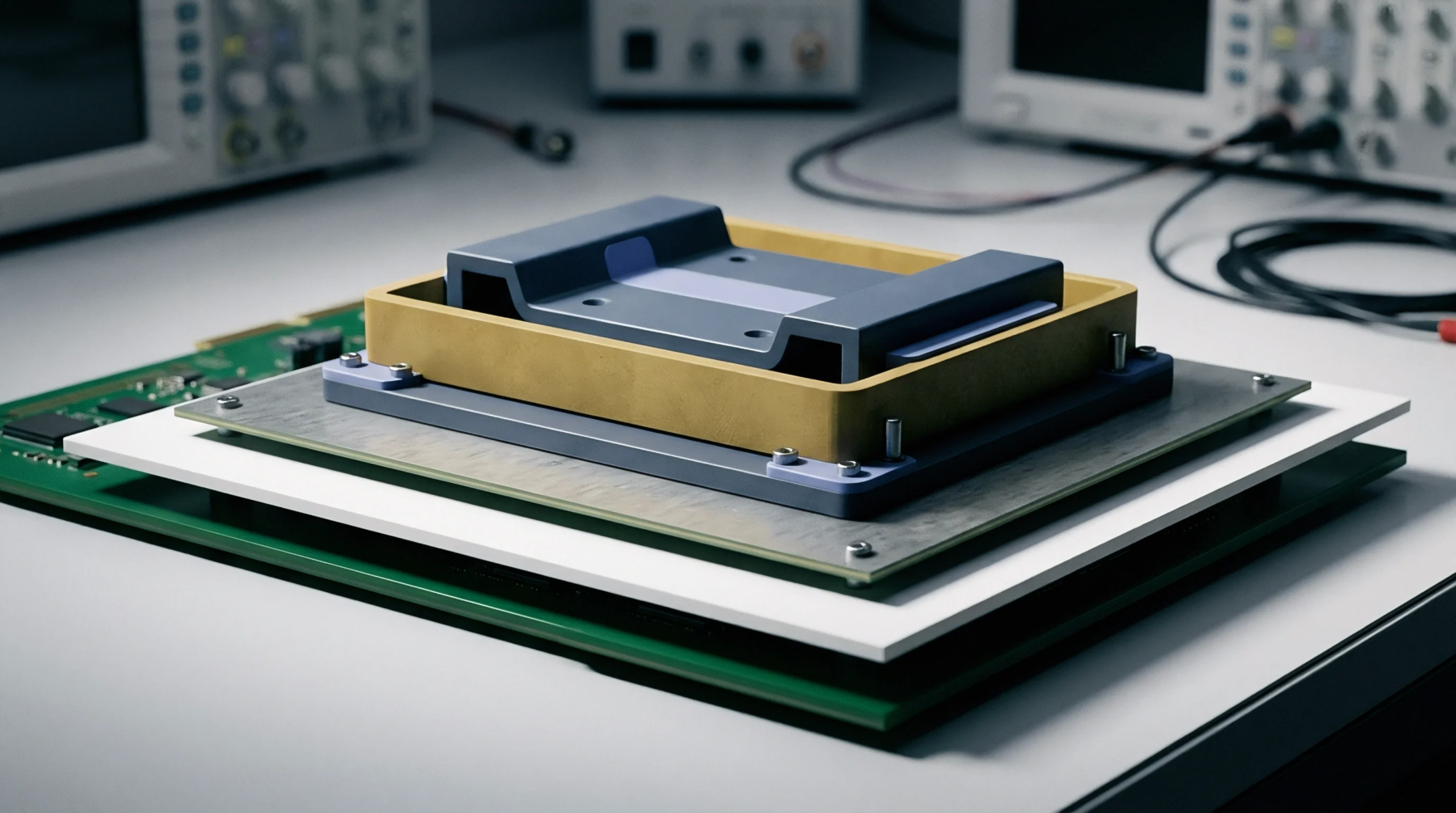
Conductive polymer composite absorption depends on balancing complex permittivity and skin depth to eliminate surface reflection and satisfy radiated emission limits.

A certification budget fails on sample availability and unbuffered retest hours long before it fails on base lab application fees.
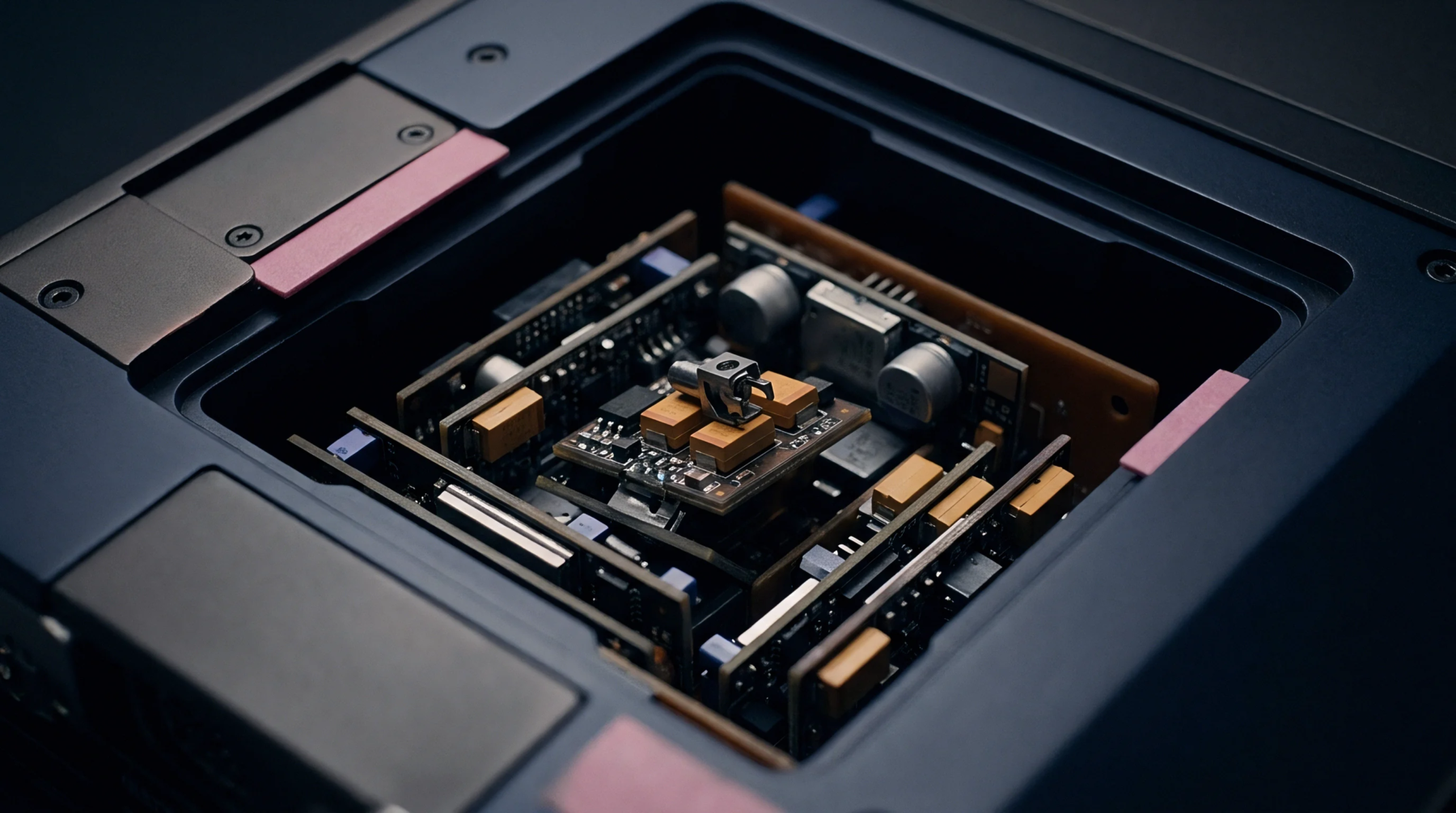
Unlicensed commercial radio access requires precise chamber testing, strict host integration boundaries, and regional type approval filings to prevent customs rejections.

KC radio registration demands local testing, a domestic agent, accurate schematics, and strict adherence to National Radio Research Agency standards.
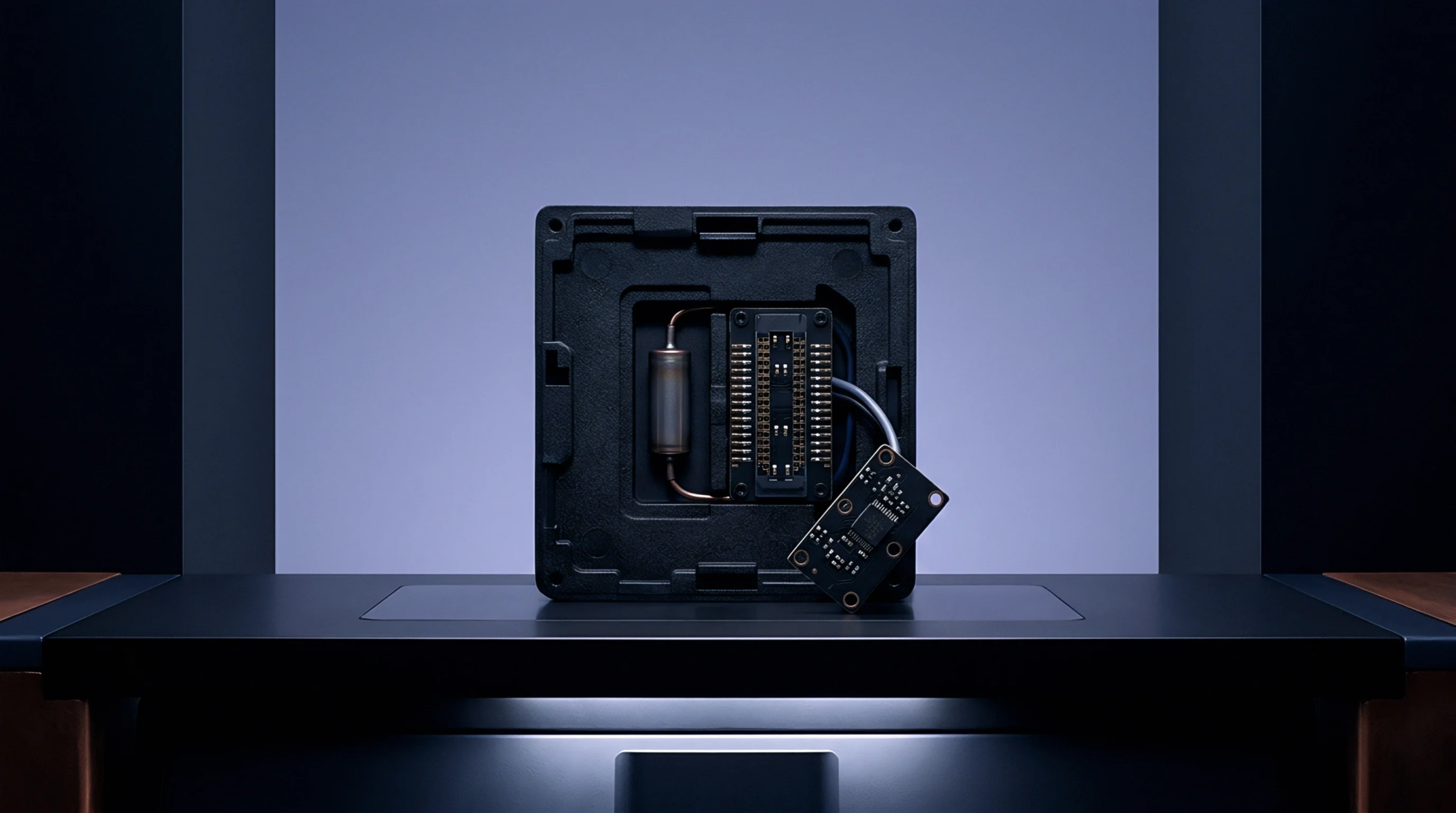
Firmware updates altering output power, channels, or DFS logic trigger mandatory permissive change filings or retests before distribution.

Industrial Wi-Fi module selection demands matching OFDM guard intervals to measured hall delay spread while isolating 5 GHz spatial streams from local noise.

Modular radio approvals transfer strict radiated compliance obligations to host builders, requiring rigorous change classification and trace stackup control.
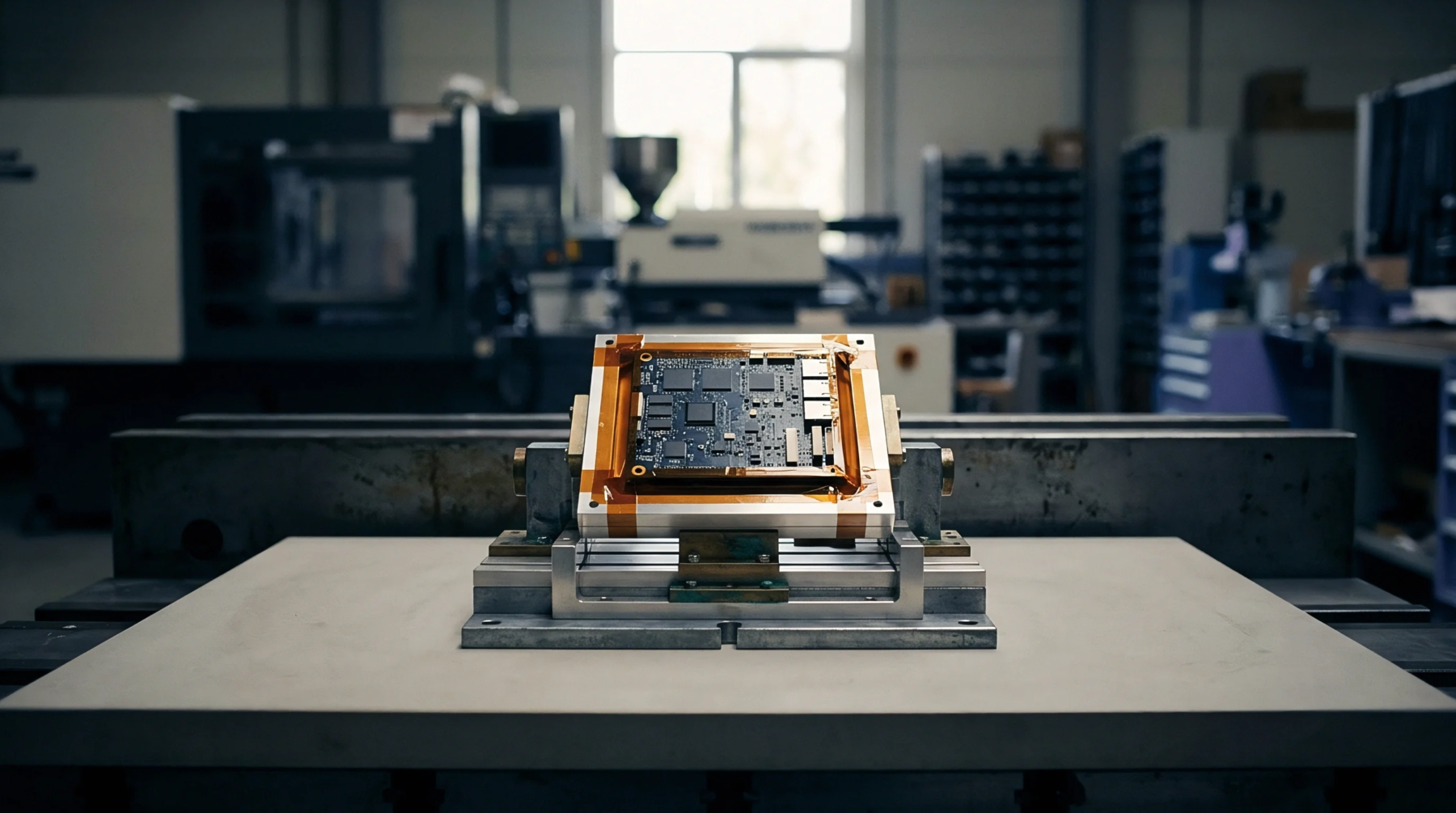
Host level re-testing for multi-transmitter industrial embedded devices requires evaluating simultaneous transmission intermodulation products inside a semi-anechoic chamber whenever antenna separation drops below 20 cm.
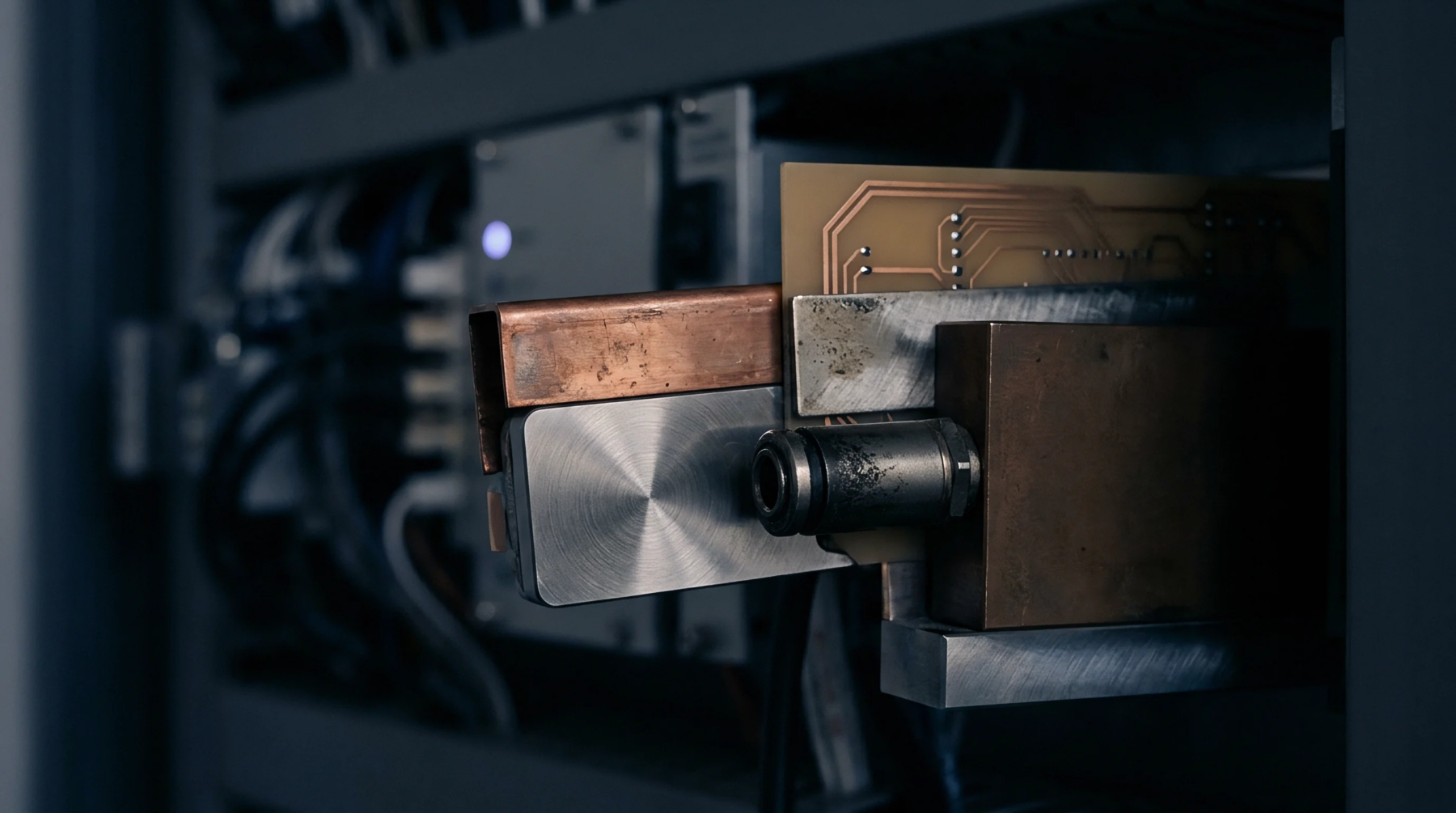
Verify import regulatory dockets by matching model identifiers, checking ISO/IEC 17025 lab accreditations, and auditing host modular integration scope.

Direct foreign applicant registration paired with escrowed transfer forms prevents Korean distributor regulatory lockouts and eliminates supply chain holds.

Host integrators must verify radiated emissions and RF exposure compliance for the complete assembly because modular radio grants do not cover host coupling.
Modular approvals shorten filing lead times when host layouts preserve trace geometry, enforce shielding limits, and observe strict permissive change boundaries.

Auditing test laboratory scopes requires matching exact standard versions, frequency limits, and regulatory recognition before filing market entry applications.

Resolving host-integrated radiated spurious discrepancies requires systematic decoupling, strict ground continuity, and precise co-location testing.

Radio certification success requires four dedicated samples, continuous-wave firmware, certified anechoic site validation, and rigid host integration controls.

Host modular radio audits prevent costly market re-certification by verifying trace layout specs, exposure limits, and grant scope before compliance filings.

Reconciling customs import valuations with radio type approval scopes requires aligning declared hardware assists and software royalties with granted technical limits.
Cross-border radio verification requires accredited laboratory scope validation, standard gap analysis, and cryptographic document provenance at customs.

Host integration of approved radio modules requires strict permissive change assessment and tailored dossier compilation to preserve regulatory market access.

RRA compliance demands exact technical track matching, accredited RF and EMC testing, local representative holdings, and correct KC mark layout.

SRRC approval for dual-band radios demands locked firmware power tables, local agent coordination, and strict host radiated spur compliance to avoid re-test delays.

Classifying firmware delta impact before deployment prevents regulatory clock delays across multi-jurisdictional radio type approvals.

Customs clearance holds triggered by modular grant scope mismatches resolve through power table realignment, permissive filings, or amended import paperwork.
Modular host integration triggers a Class II Permissive Change whenever trace redesigns, antenna swaps, or co-location alter SAR or radiated emissions profile.

Binding customs rulings freeze tariff codes for dynamic multi-band radios when subassembly hardware features match exact firmware functional execution state hashes.

Verify laboratory regulatory recognition listings rather than general accreditation badges to prevent unbudgeted retesting and market entry delays.

Reconciling international MRA discrepancies in modular radio dossiers requires structured delta testing to satisfy regional radiated limits and CAB scopes.

Tripartite escrow covenants allow host integrators to release proprietary RF firmware source code directly to EU market surveillance auditors during compliance audits.

Integrating pre-certified radio modules into host hardware requires layout audits, spurious emission pre-scans, and permissive change filings to secure market access.
Expertise is a utility, not a secret. sentiention™ publishes its working knowledge as open reference: intelligence layer covering the materials it sources, the markets it enters, and the reference that serves both.