
Harmonic Suppression Filter Design across Regional Sub-GHz Power Ceilings
Regional sub-GHz power ceilings require harmonic filters balancing up to 71.2 dB rejection against insertion loss to preserve battery life and link margin.
Regional sub-GHz power ceilings require harmonic filters balancing up to 71.2 dB rejection against insertion loss to preserve battery life and link margin.

Mutual recognition frameworks eliminate redundant overseas radio testing by allowing accredited domestic bodies to issue valid destination market authorizations.

Adaptive boundary regularization prevents spurious spectral growth in overmoded enclosures, securing repeatable electromagnetic test data before lab filing.
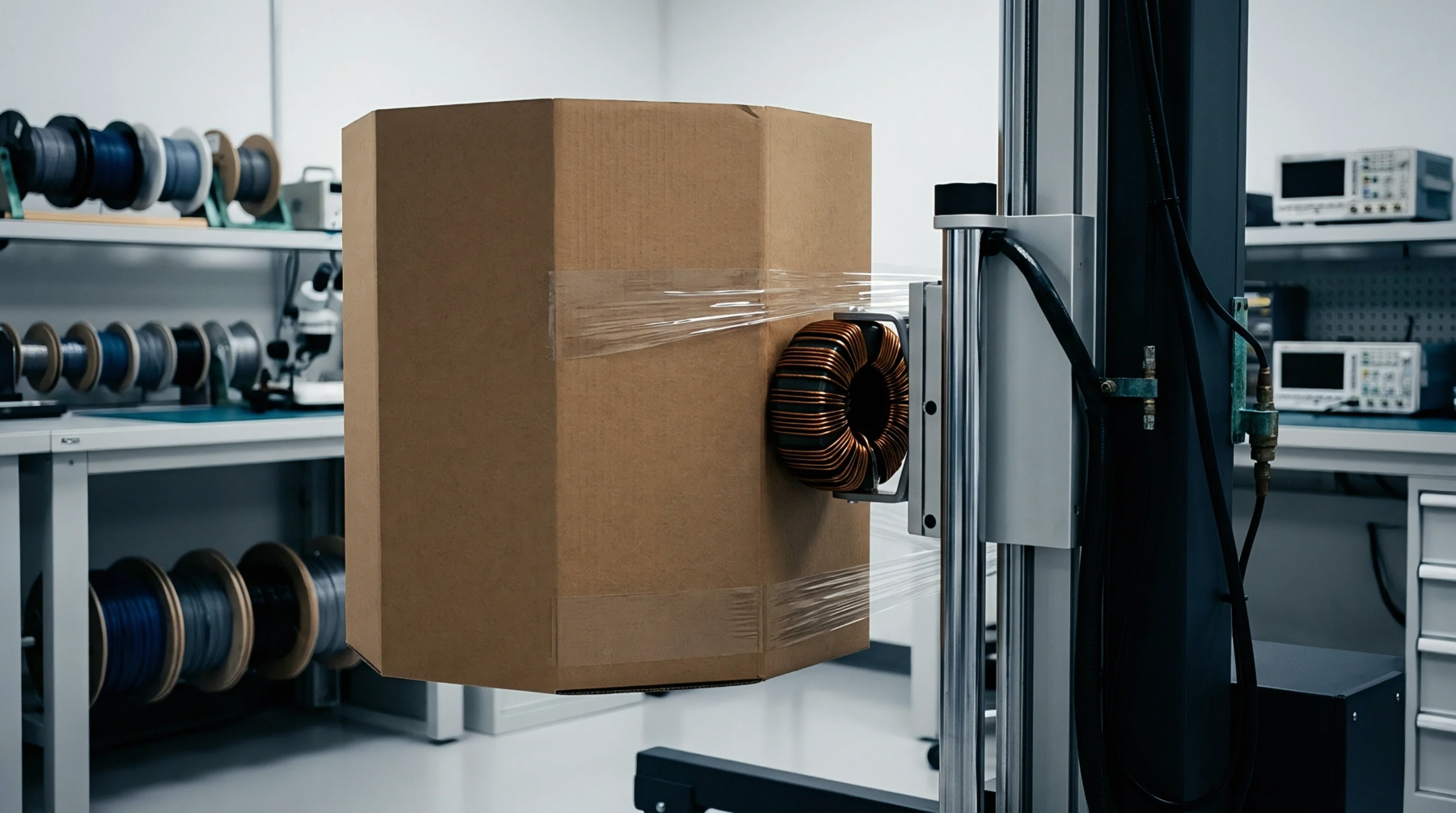
Imperfect shielded enclosures achieve field uniformity when probe grid calibrations account for boundary absorption and seam leakage across test frequencies.
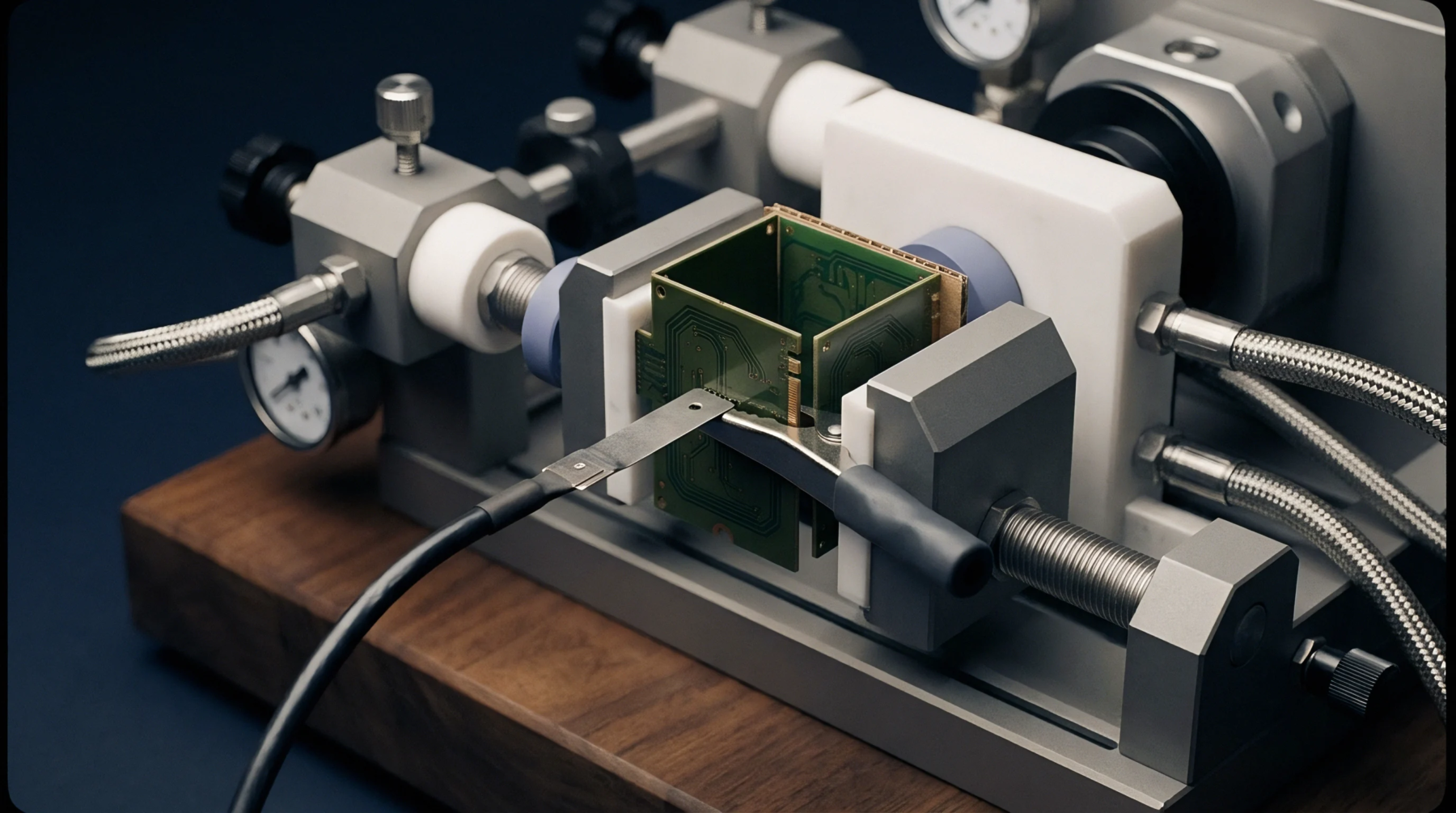
Host modular envelope boundaries end where layout traces, enclosure clearances, or SAR margins deviate from original certification integration instructions.
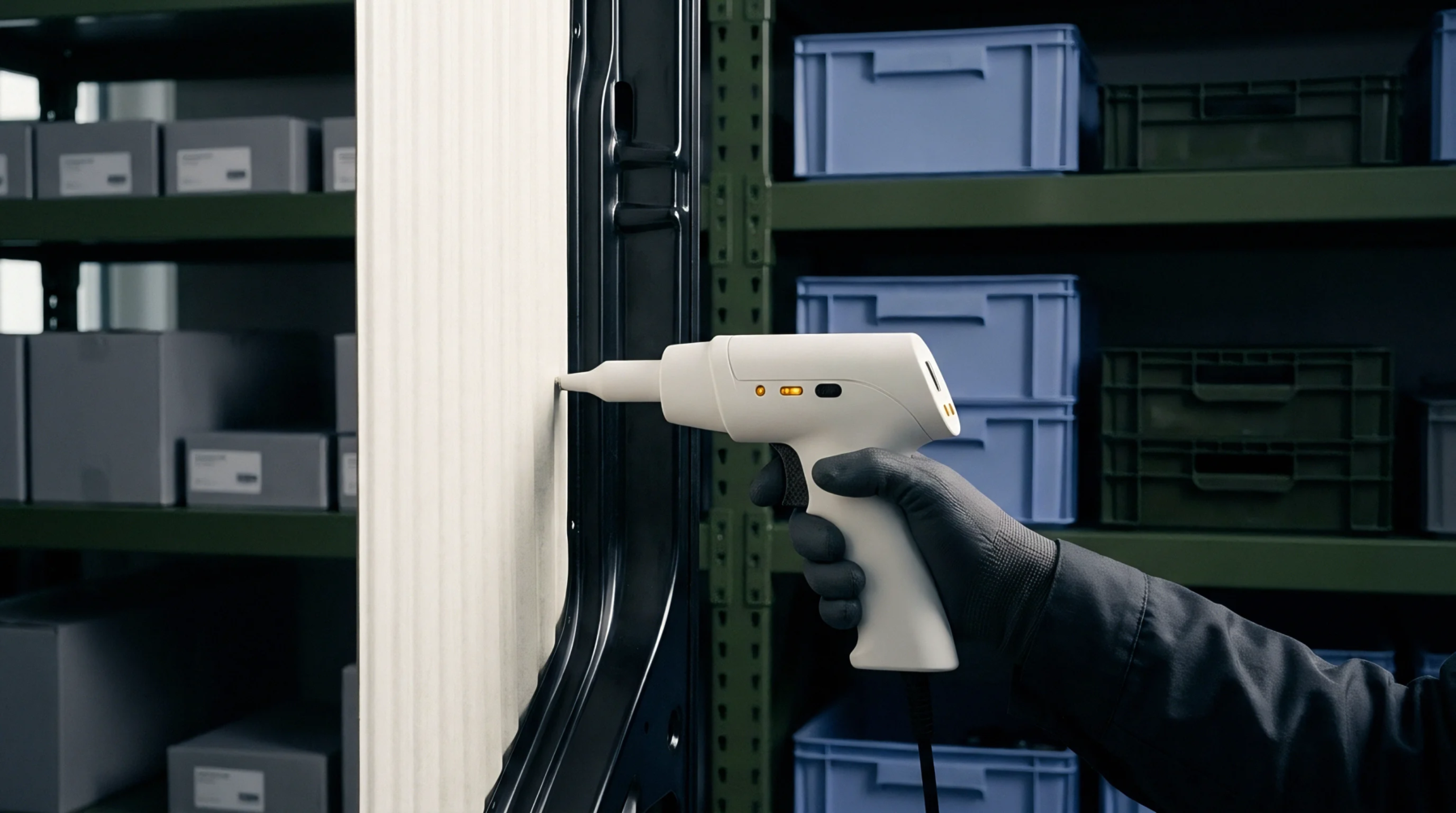
Rigorous auditing of wireless host technical construction files bridges modular approval gaps through empirical spot-checks, layout checks, and trace audits.
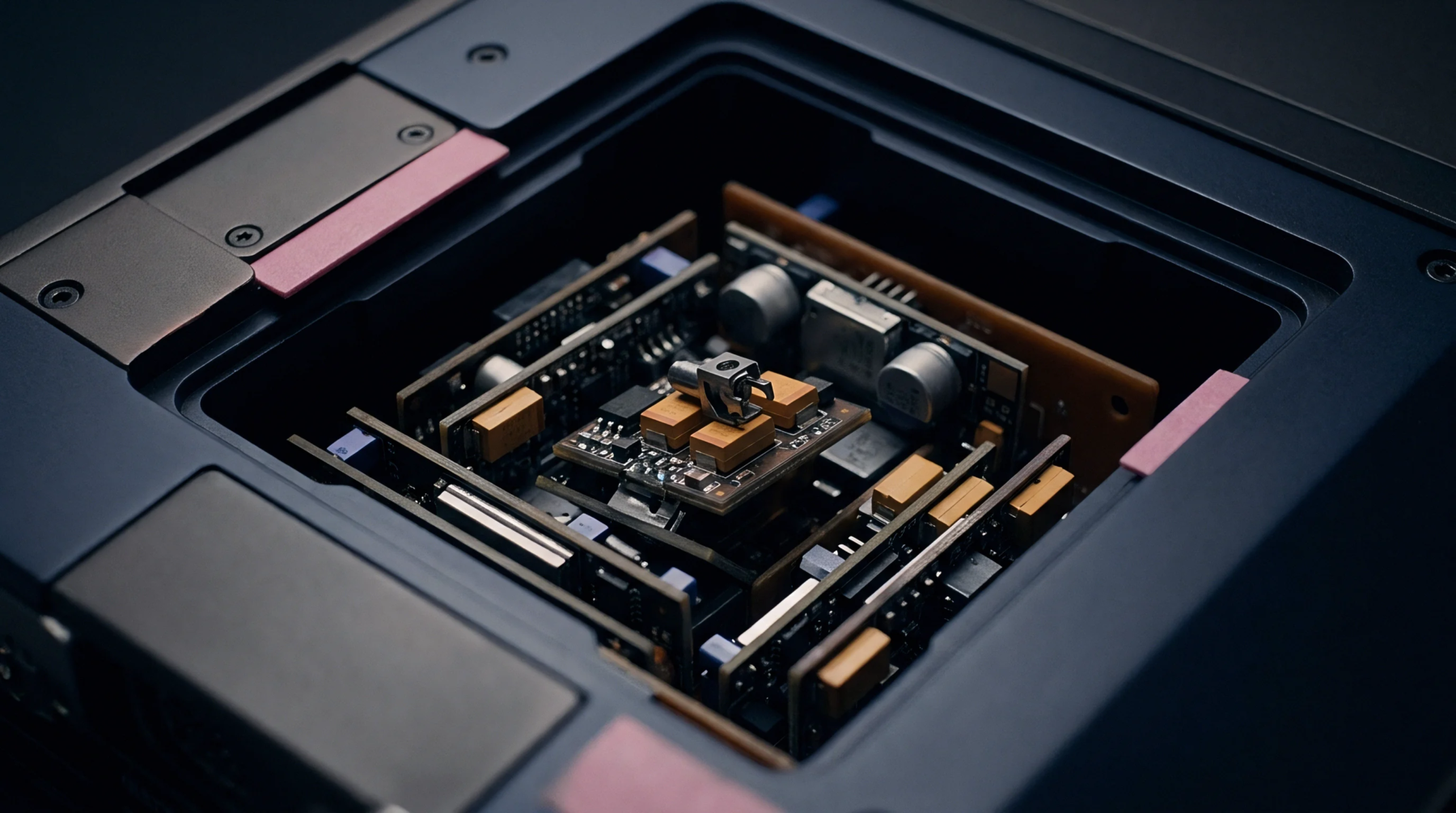
Modular radio approvals cover transmitter components alone, forcing host manufacturers to perform radiated testing and execute distinct country filings.

Exceeding radiated spurious limits or specific absorption rate thresholds under close antenna co-location mandates a formal Class II Permissive Change filing.

Radiated spot checking verifies that host chassis interactions and multi-radio mixing do not violate baseline modular grant emission limits.

Contractual allocation of radiated emission testing costs requires explicit baseline margin covenants and shared laboratory fee matrices tied to root-cause audits.

Verify host RF trace layout tolerances, calculate multi-radio exposure exclusions, and run radiated chamber spot checks to validate modular radio grants.

Integrating pre-certified radio modules into host hardware requires layout audits, spurious emission pre-scans, and permissive change filings to secure market access.
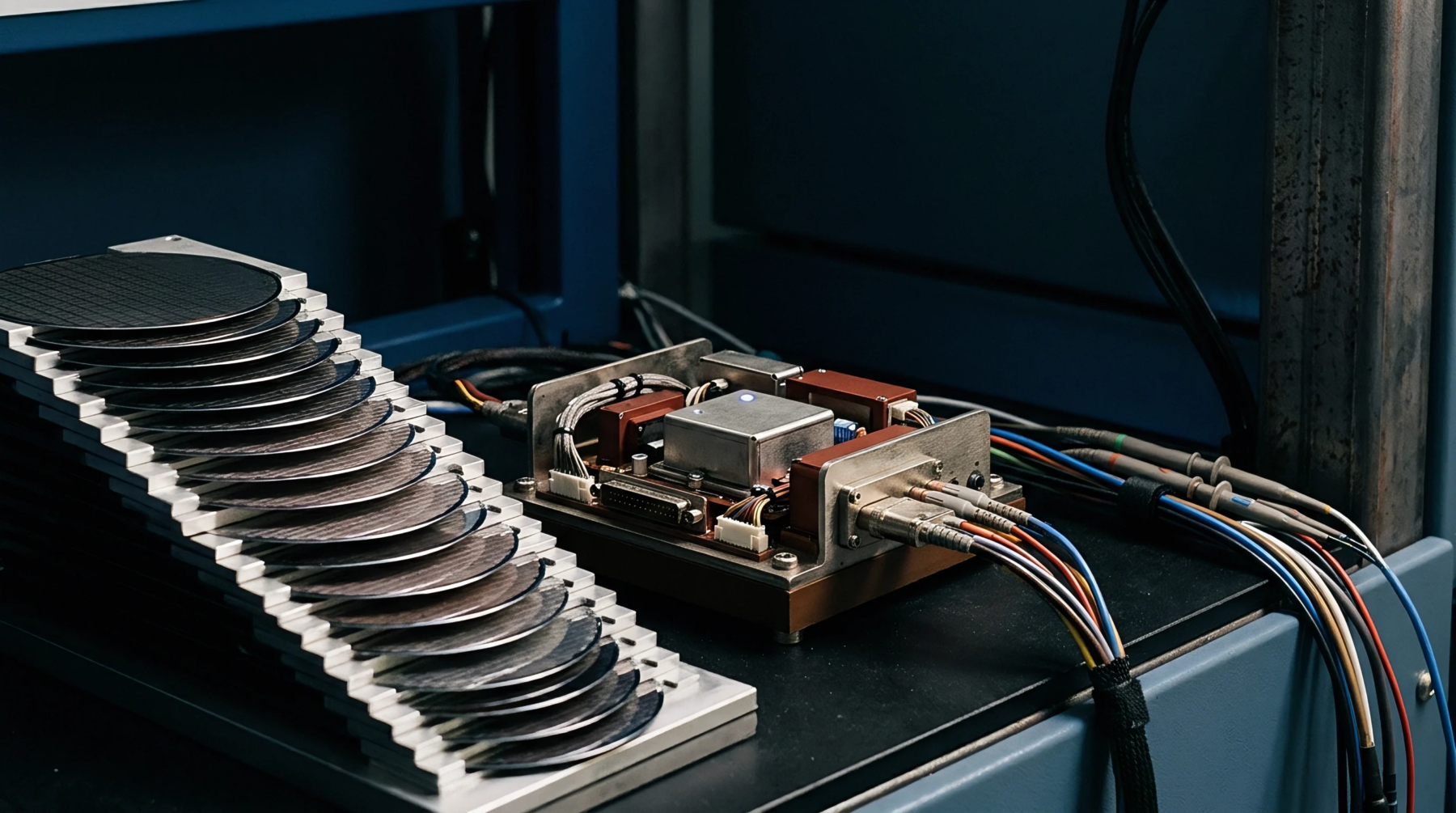
Pre-scan verification of co-located multi-transmitter intermodulation prevents restricted band failures and costly re-spins before final market filings.
Tripartite escrow covenants allow host integrators to release proprietary RF firmware source code directly to EU market surveillance auditors during compliance audits.

Altering modular radio host enclosures requires Class Two Permissive Changes when material shifts detune antennas or elevate radiated spurious emissions.

Installing certified wireless modules into custom metal enclosures shifts radiated spurious profiles, demanding Class II permissive changes when margins breach.

Radio measurement uncertainty differences across accredited labs require mandatory 6 dB design guardbands to prevent market surveillance failures.
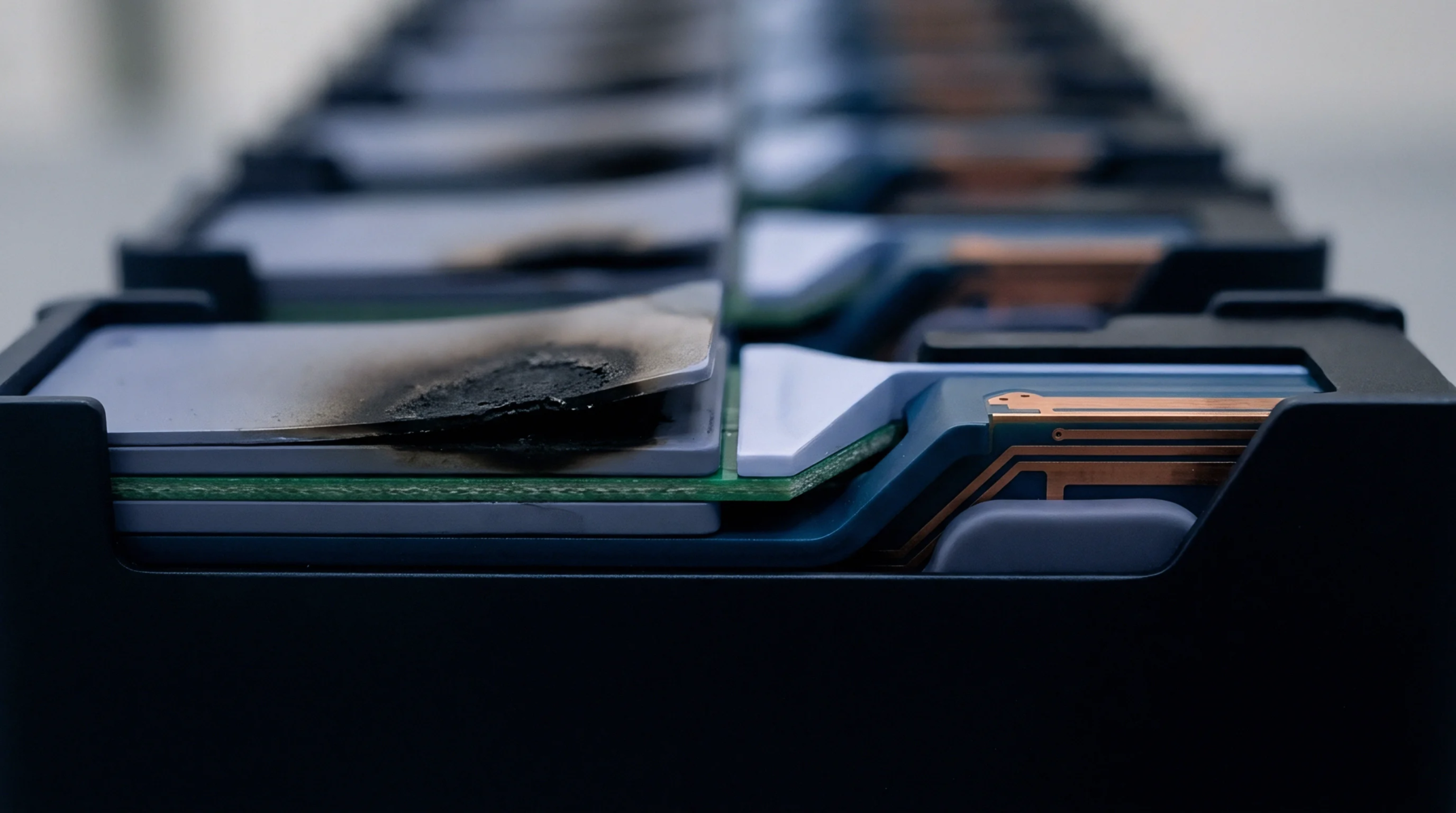
A unified radio test plan executed in accredited chambers minimizes duplicate scans, reduces retest risks, and opens multi-market regulatory approval streams.

CE module approvals do not cover host integration; host manufacturers must execute physical delta testing and compile a full RED Technical File.

Matching dielectric change limits across FCC, ETSI, and MIC avoids regulatory re-filing traps when modifying encapsulated radio potting compounds.

Multi-vendor radio module substitutions qualify for Class II Permissive Changes only when pin alignment, output power, and radiated emissions match baseline testing.
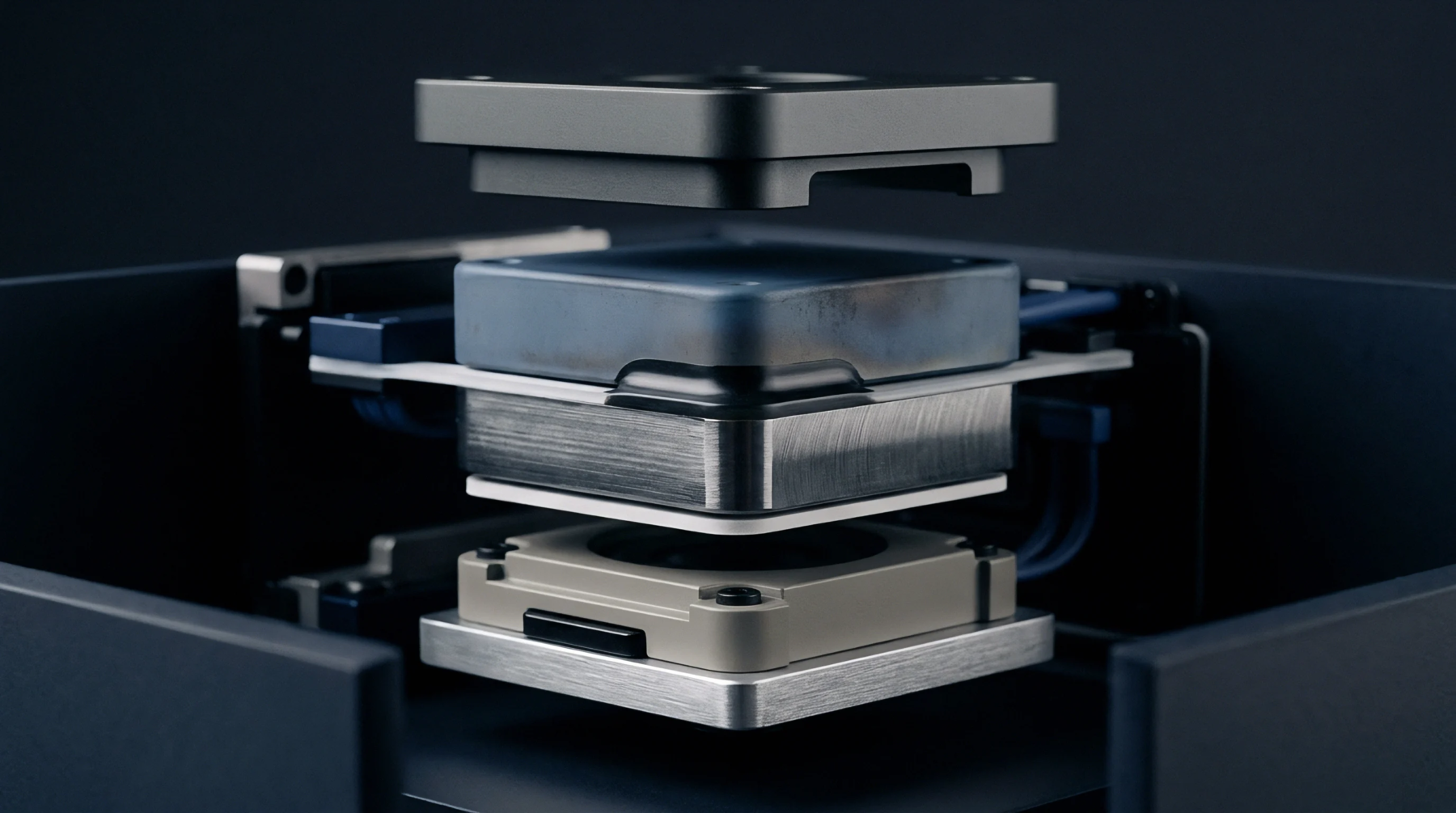
Low-frequency pre-scan correlation requires analytical transfer functions compensating for enclosure wall reflections, reactive coupling, and antenna factor shifts.

Verify laboratory regulatory recognition listings rather than general accreditation badges to prevent unbudgeted retesting and market entry delays.
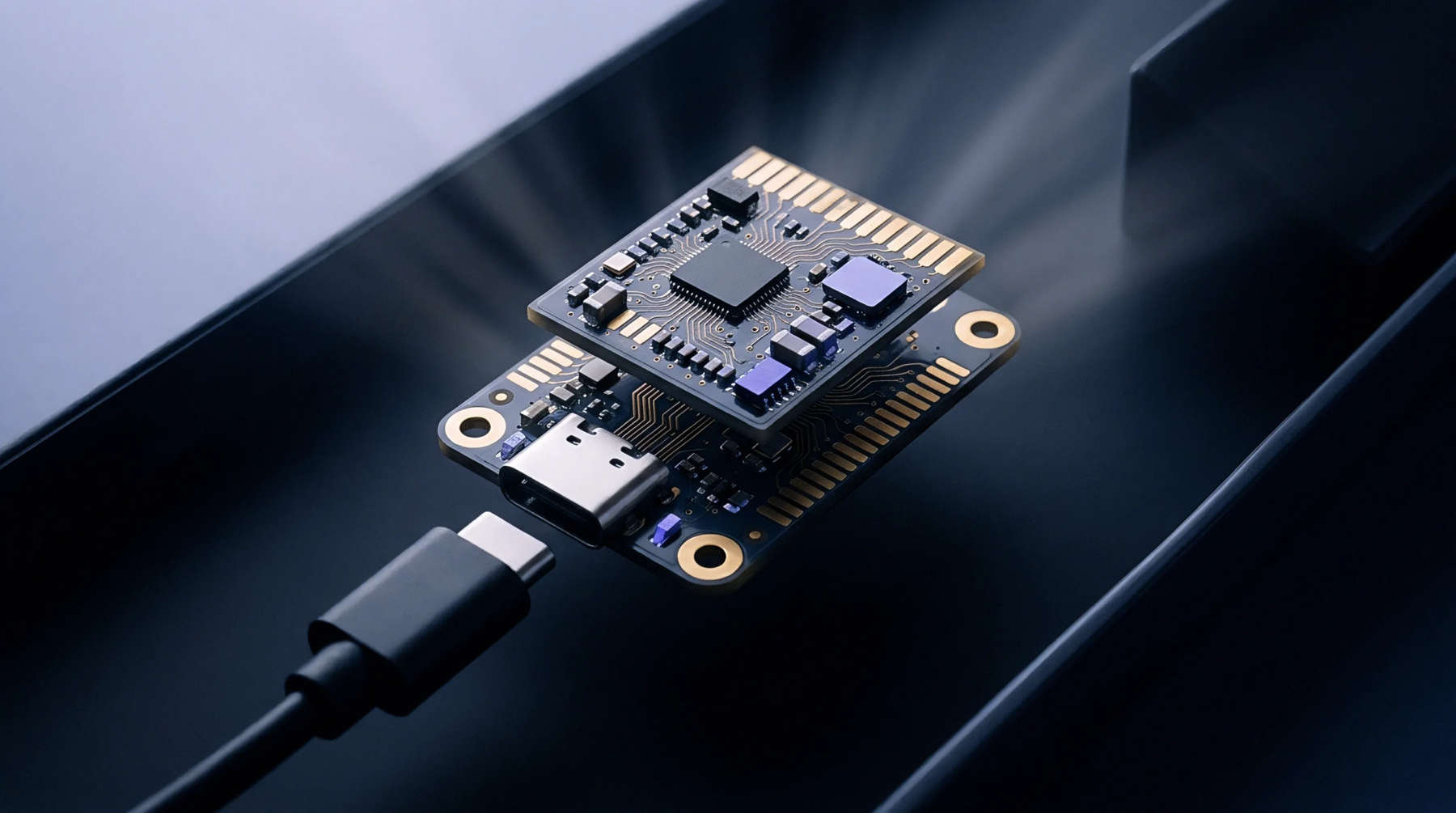
Auditing ISO IEC 17025 test reports against active laboratory scope schedules prevents expensive certification rejections and product market holds.

Encapsulating transmitters alters dielectric loading, detuning antennas and shifting RF exposure boundaries, demanding re-evaluation of emissions and SAR compliance.
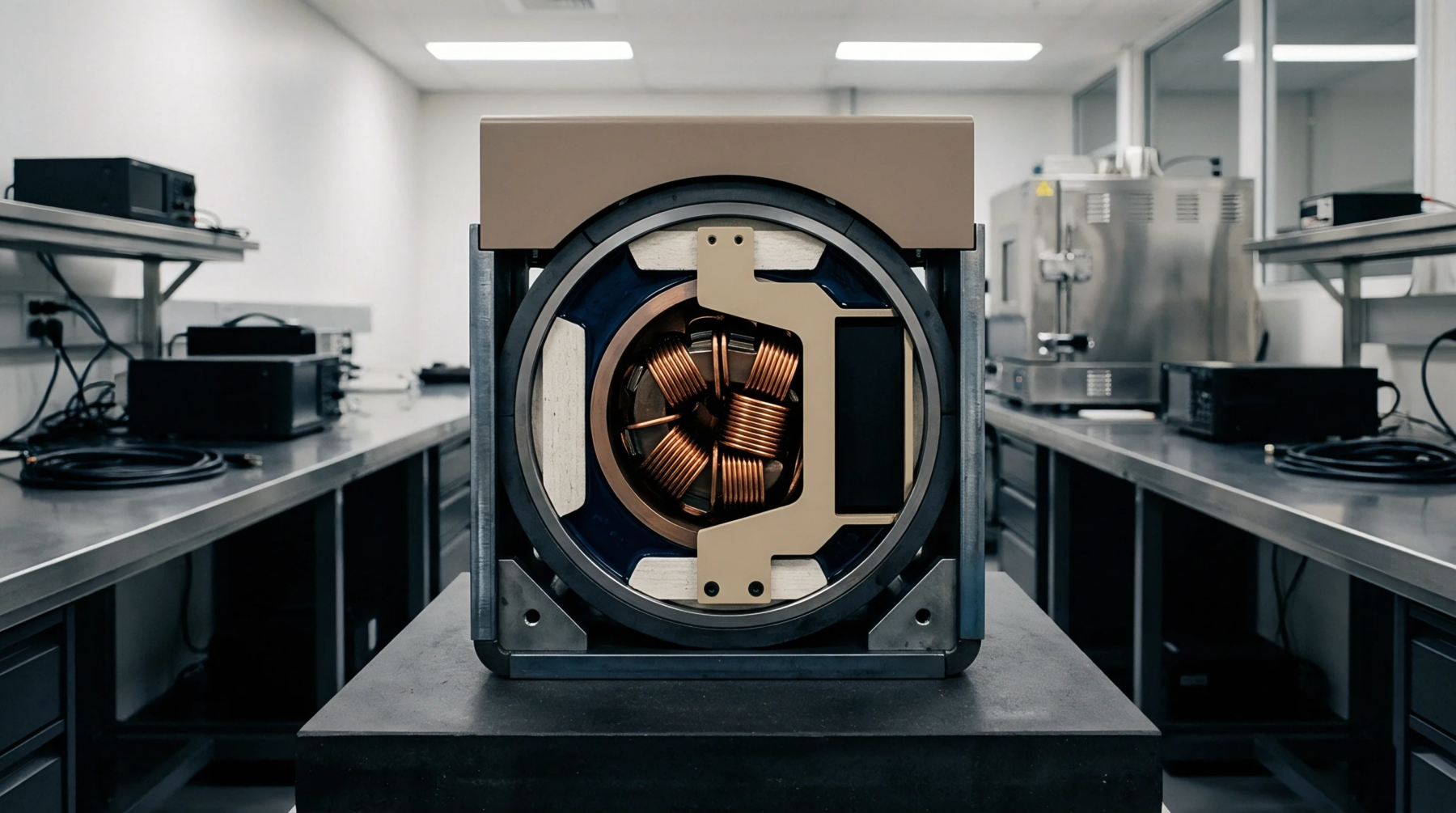
Unshielded multi-radio integration induces enclosure cavity resonances that amplify harmonic spurs, requiring Class II Permissive Changes and RF damping.
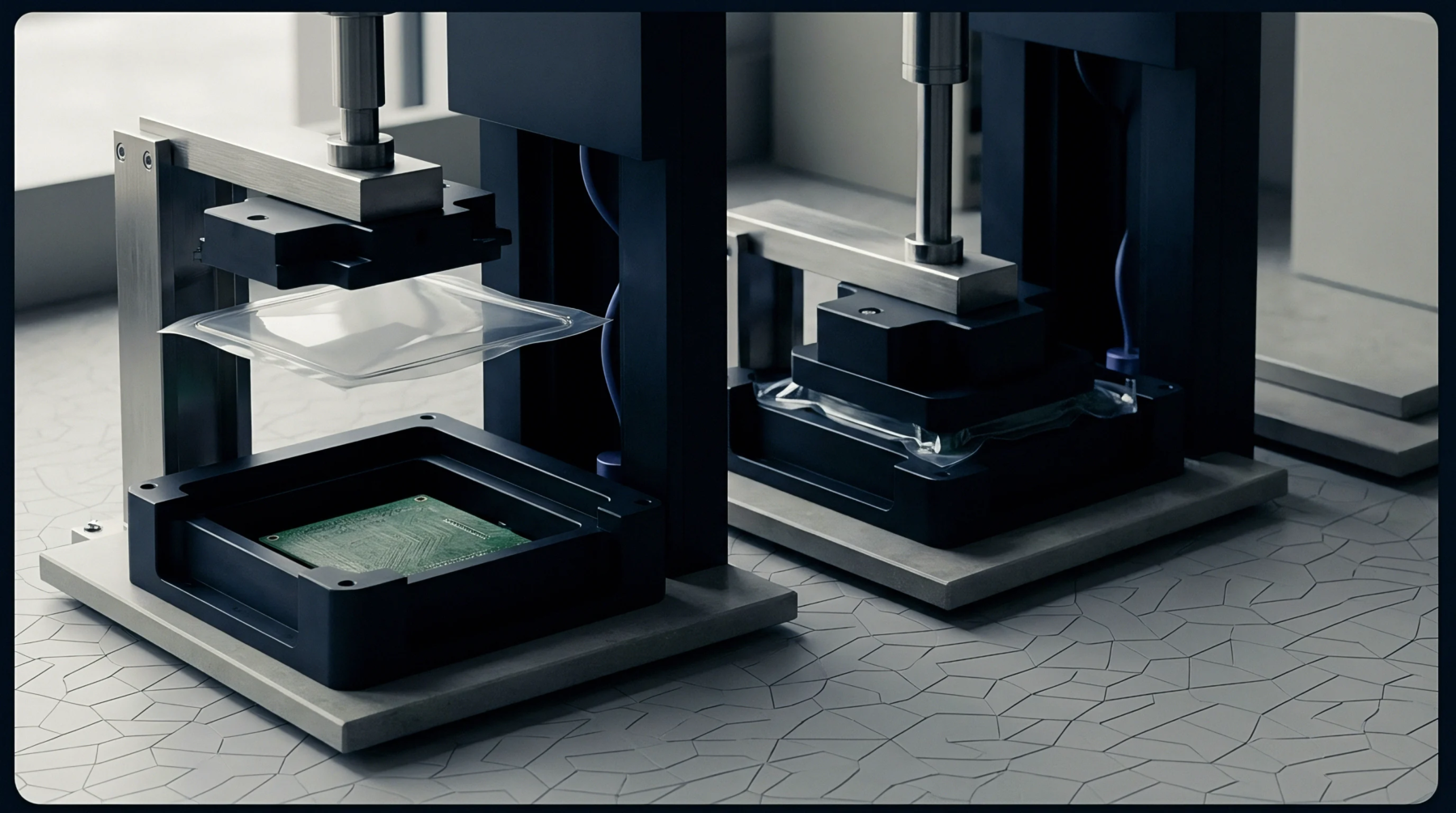
Substituted host antennas qualify for Class II Permissive Changes only when peak gain stays below certified limits and radiative physical structure remains identical.

Collocated industrial transmitters trigger permissive change retesting when radiated intermodulation or combined RF exposure exceeds standalone grant limits.

Radiated spurious scanning determines whether wireless host modifications qualify for Class I permissive status or demand Class II re-filing.

Dual sourcing radio modules demands strict PCB trace impedance matching, rigorous Class II permissive change tracking, and dual technical documentation archives.
Expertise is a utility, not a secret. sentiention™ publishes its working knowledge as open reference: intelligence layer covering the materials it sources, the markets it enters, and the reference that serves both.