
Conductive Enclosure Shielding Effectiveness and Radiated Harmonic Leakage Dynamics
Enclosure seams and apertures control radiated harmonic leakage through transfer impedance, dictating gasket specs needed for global radio grants.
Enclosure seams and apertures control radiated harmonic leakage through transfer impedance, dictating gasket specs needed for global radio grants.

Radio product clearance depends on matching sovereign band allocations, passing radiated emissions tests, managing modular grant scope, and securing in-country representation.

Modular radio approvals cover baseline standalone performance, requiring host radiated spot checks to prevent spurious emission failures upon enclosure integration.

Relying on a third-party FCC grant leaves host integrators exposed to vendor EOL and filing locks; owning the grantee code secures complete regulatory control.

Modifying enclosure materials or geometry shifts near-field coupling and radiated emissions, triggering mandatory global re-testing and permissive change refilings.
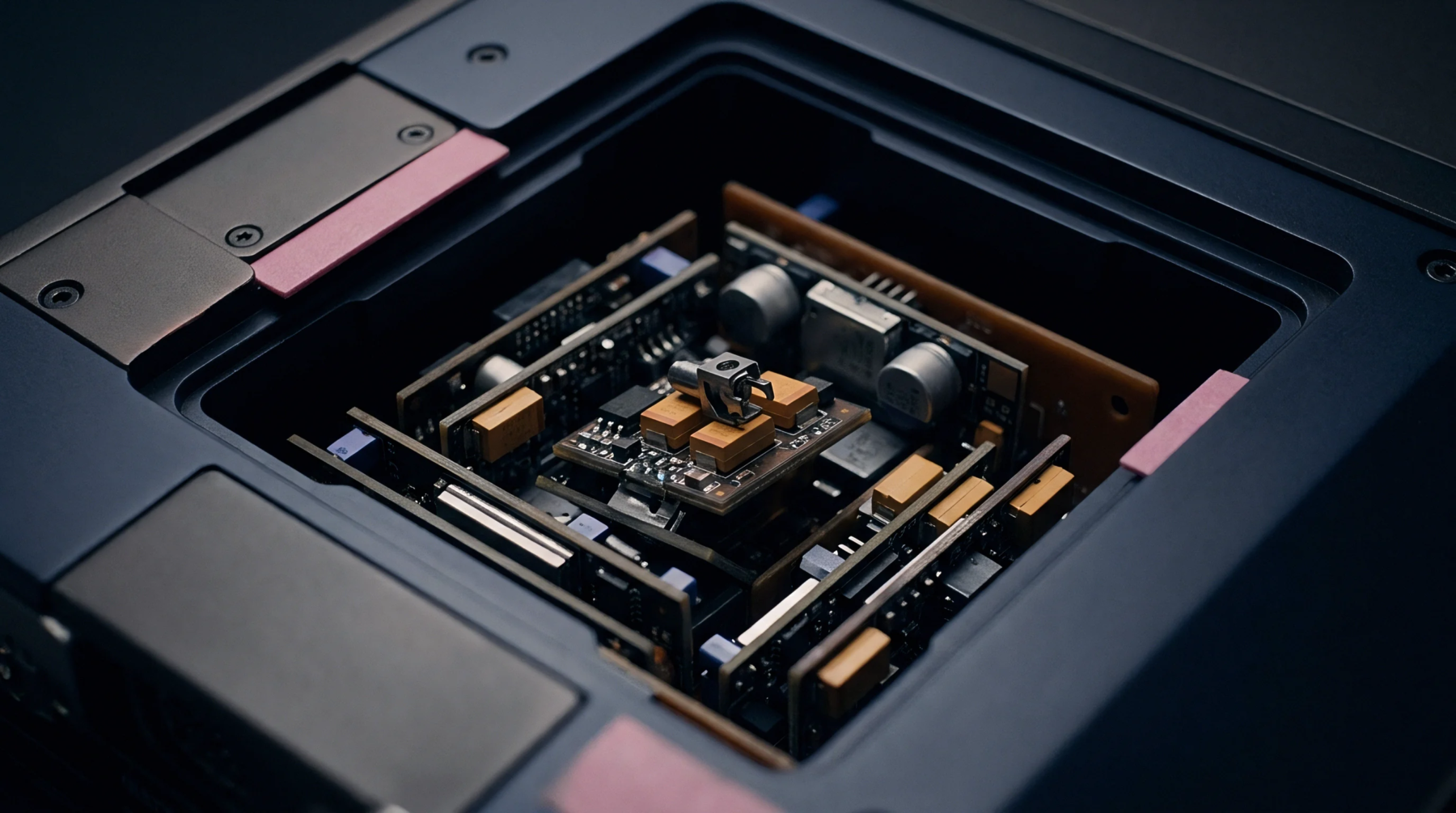
Unlicensed commercial radio access requires precise chamber testing, strict host integration boundaries, and regional type approval filings to prevent customs rejections.

KC radio registration demands local testing, a domestic agent, accurate schematics, and strict adherence to National Radio Research Agency standards.

CE radio compliance files accessible to distributors consist of declarations, user safety manuals, Notified Body certificates, and test summaries.
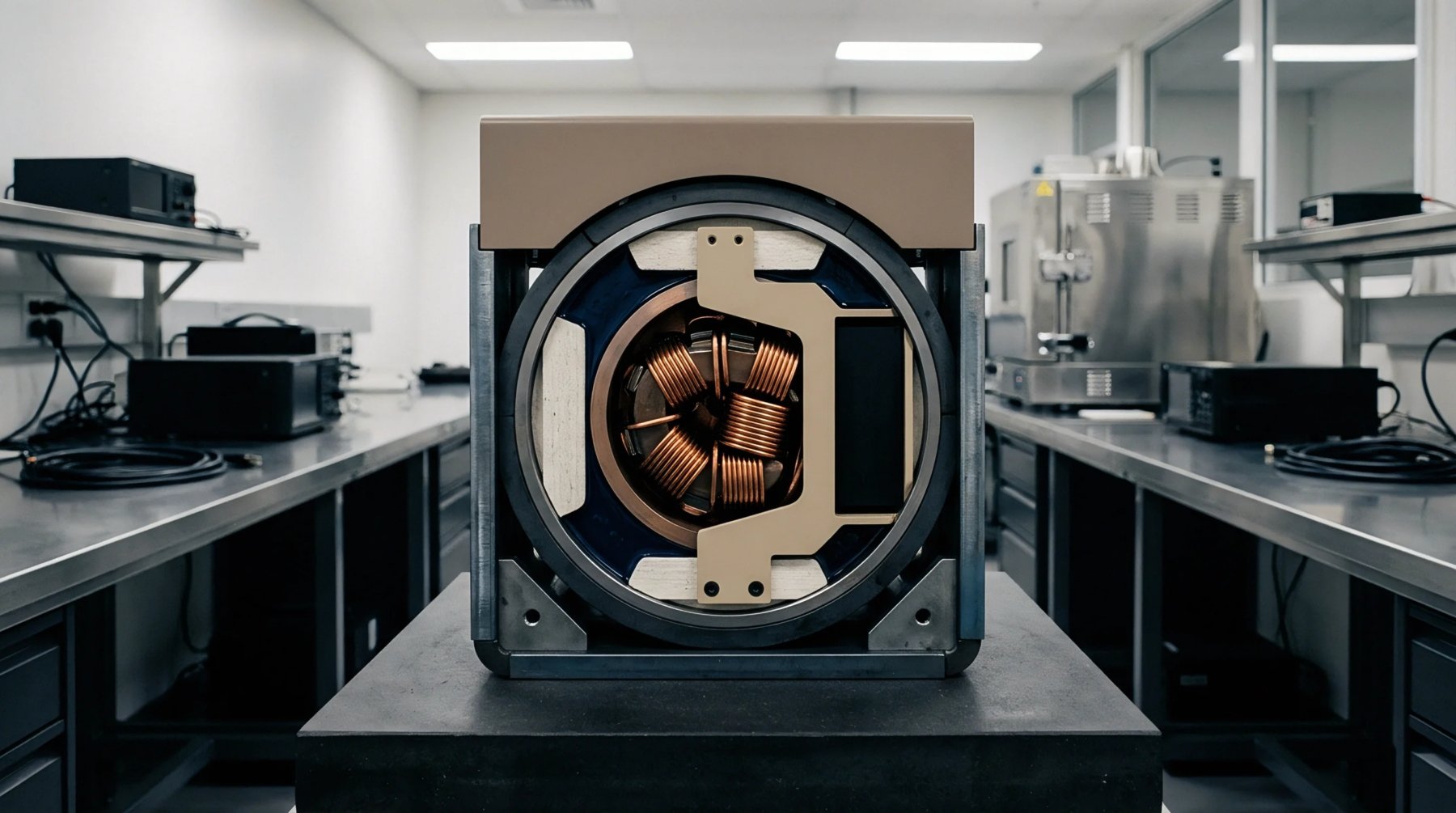
Host level pre scan verification systematically isolates host radiated spurious noise before accredited certification testing to prevent market entry delays.
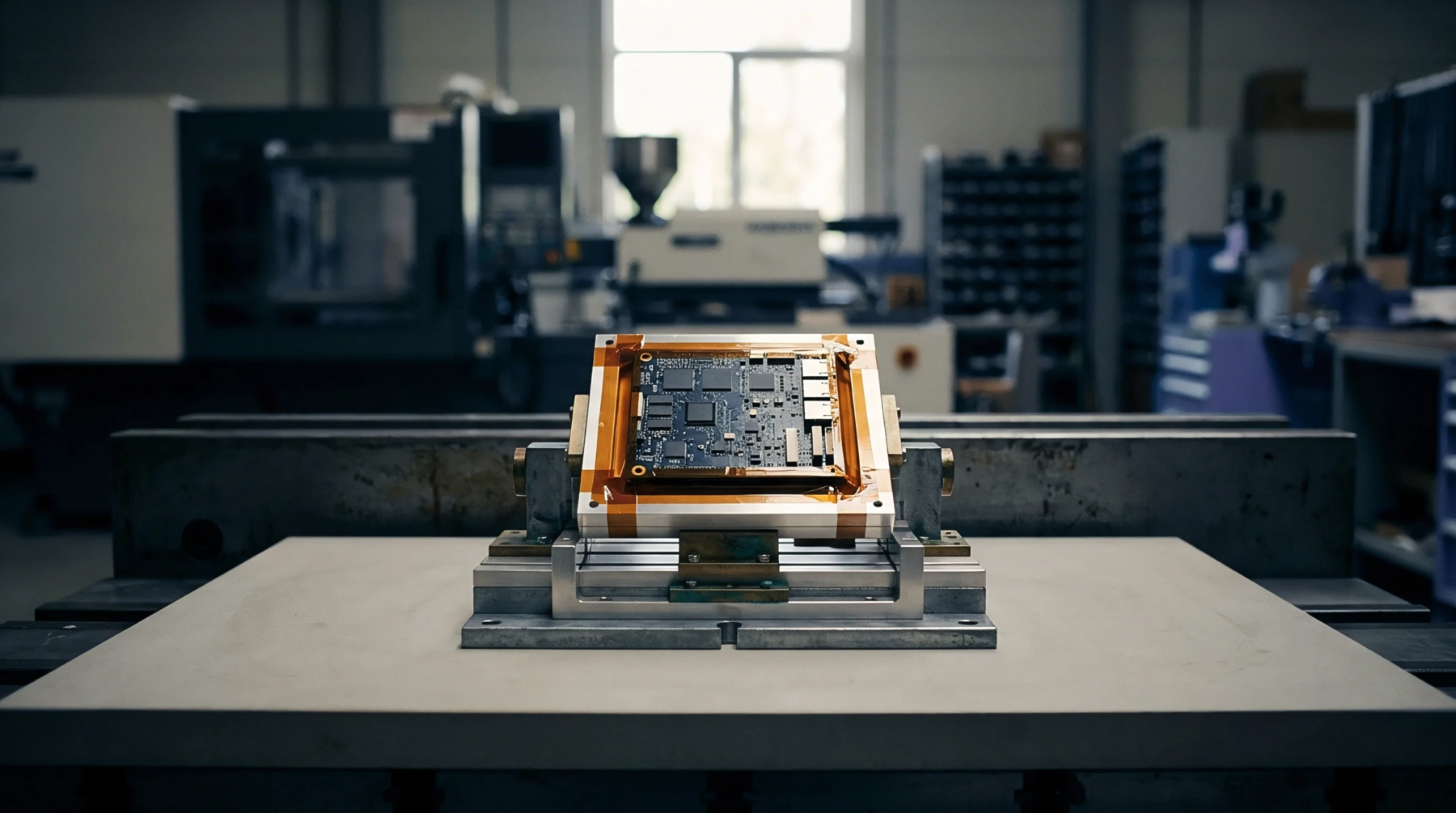
Host level re-testing for multi-transmitter industrial embedded devices requires evaluating simultaneous transmission intermodulation products inside a semi-anechoic chamber whenever antenna separation drops below 20 cm.
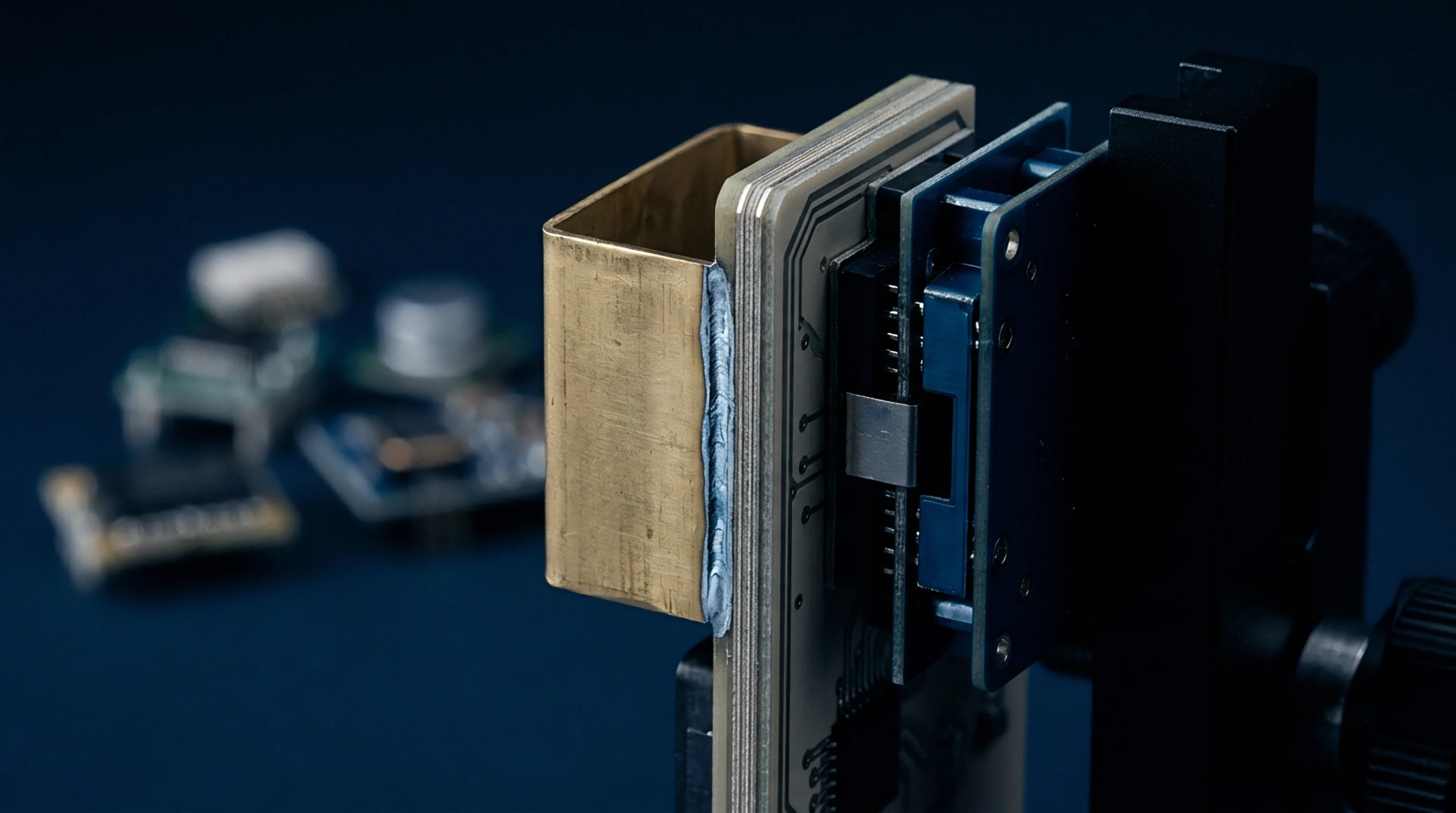
Evaluating supplier test reports against EU radio standards requires verifying ISO/IEC 17025 scopes, standard versions, and host power settings.

Establishing a semi-anechoic quiet zone involves volumetric SVSWR calibration and field mapping to align pre-scan data with accredited certification sweeps.

Direct foreign applicant registration paired with escrowed transfer forms prevents Korean distributor regulatory lockouts and eliminates supply chain holds.

Modular radio grants only protect host products when integration documentation, antenna parameters, and Class II permissive change filings match final hardware.

Host integrators must verify radiated emissions and RF exposure compliance for the complete assembly because modular radio grants do not cover host coupling.
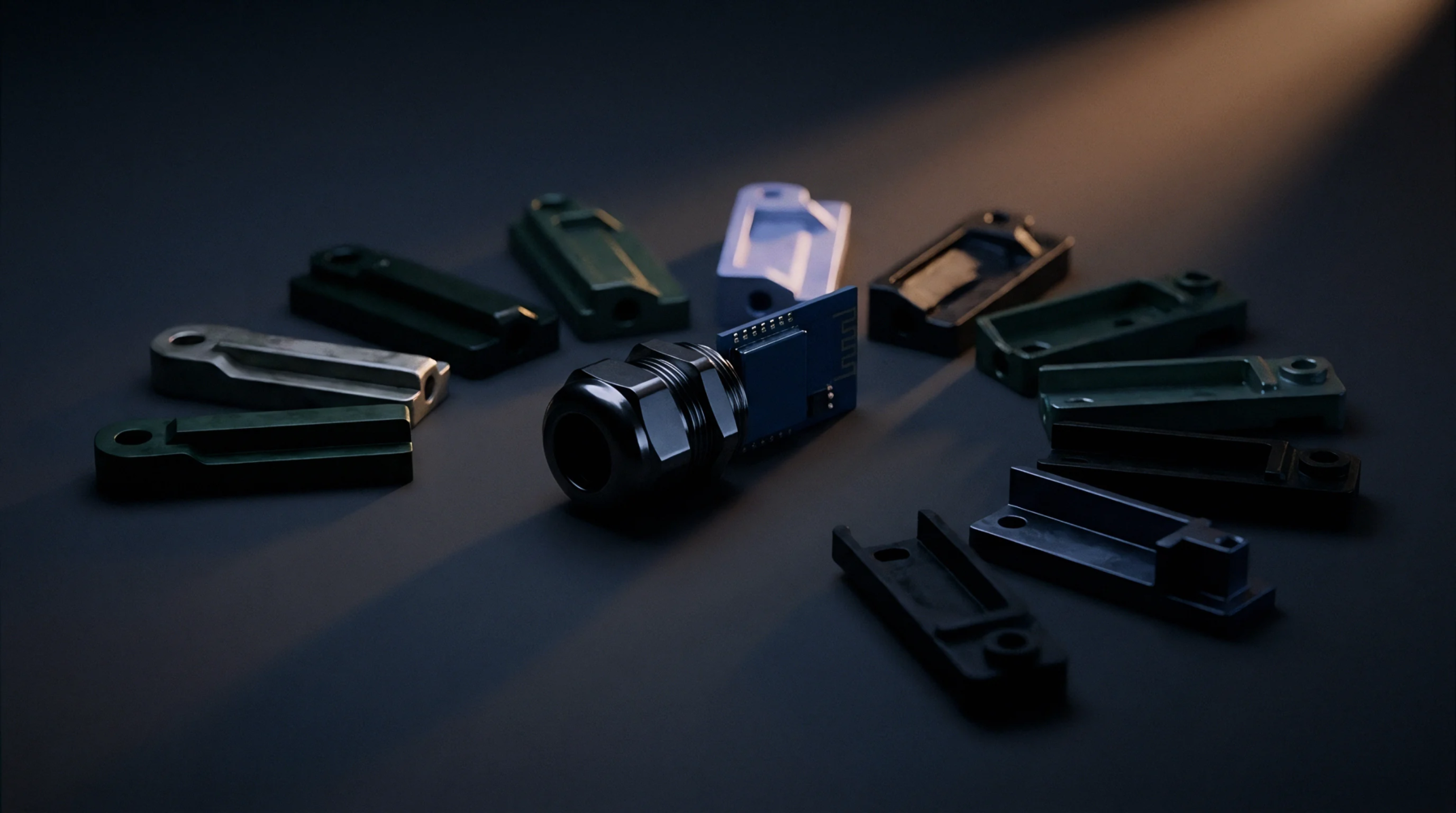
Adding potting compound to an unpotted RF module demands Class II permissive change re-testing if dielectric loading increases radiated spurious emissions.

Modular radio approvals cover baseline intentional radiation but transfer host level unintentional emissions, SAR exposure, and final assembly compliance to the integrator.

Coordinating multi-radio permissive changes requires early intermodulation scanning, proactive grant transfers, and simultaneous SAR sum calculations before filing.
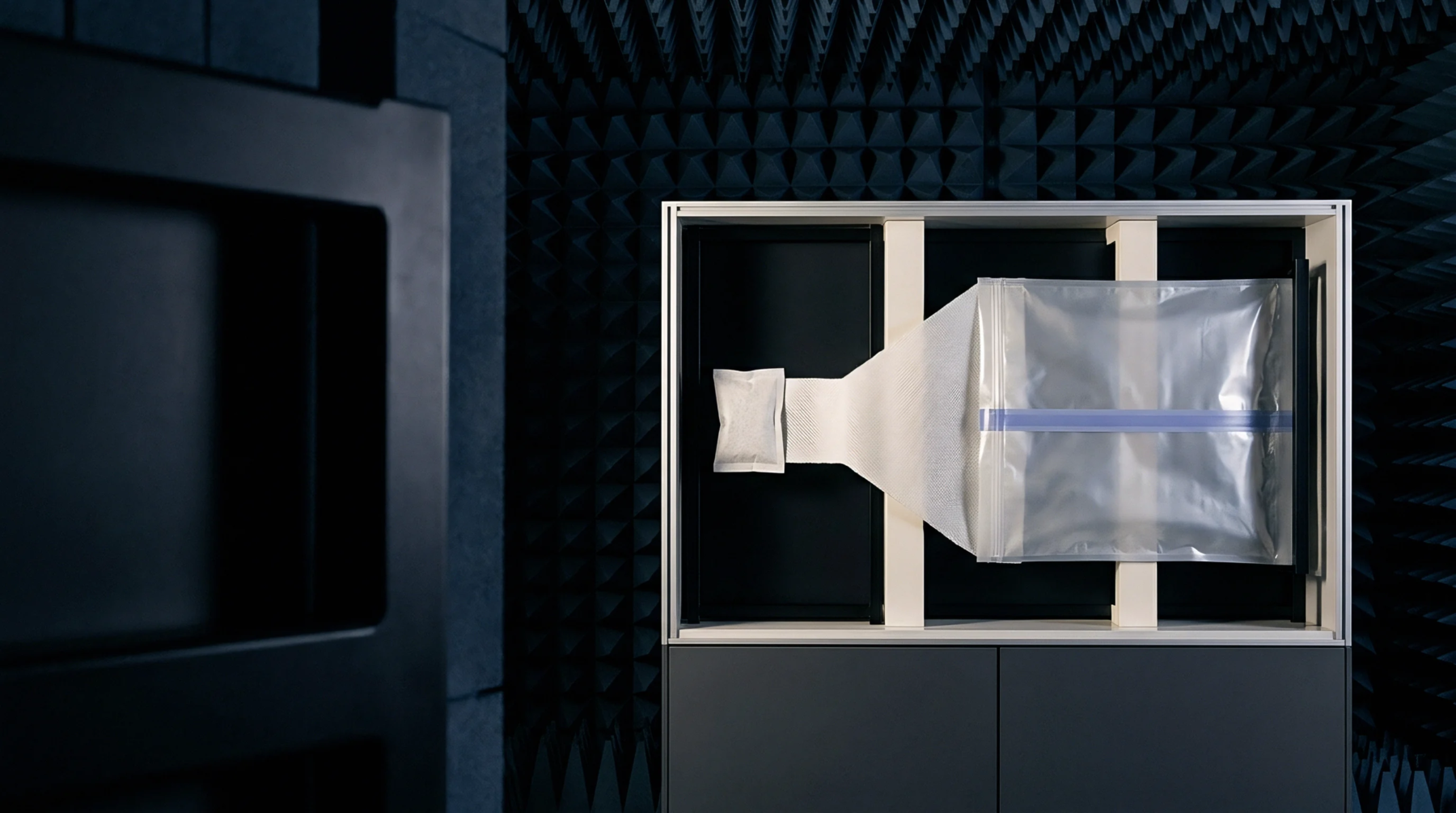
Internal RF coupling converts near-field reactive energy into unintended far-field emissions through enclosure seams, ground breaks, and unshielded host wiring.

Radio certification success requires four dedicated samples, continuous-wave firmware, certified anechoic site validation, and rigid host integration controls.

Host hardware vendors retain ultimate legal liability for combined device compliance, requiring host verification despite module pre-certification.

Mitigate co-located spurious emissions by maximizing inter-antenna isolation, placing steep acoustic wave filters at transceiver ports, and verifying concurrent transmission under KDB 996369 rules.

Radiated harmonic scans mandate notch filtering, spatial maximization, and rigorous cable loss compensation to prevent front-end receiver saturation and false failures.
Host enclosure and trace modifications alter modular transmitter emissions, making radiated evaluation and permissive change filings mandatory for market entry.

Polymeric enclosure dielectric constant shifts alter near-field coupling and aperture resonance, detuning antennas and pushing radiated spurious emission harmonics across regulatory pass limits.
Resolving multi-radio intermodulation spur failures requires board-level filtering, 20 dB antenna isolation, and verified Class II permissive change filings.
Cross-border white-label radio sourcing requires contractually binding Class II Permissive Change filing rights and strict regulatory indemnity provisions.

Modifying host enclosures or antenna gains triggers mandatory KC partial re-testing under South Korean RRA rules to avoid border holds and grant revocation.
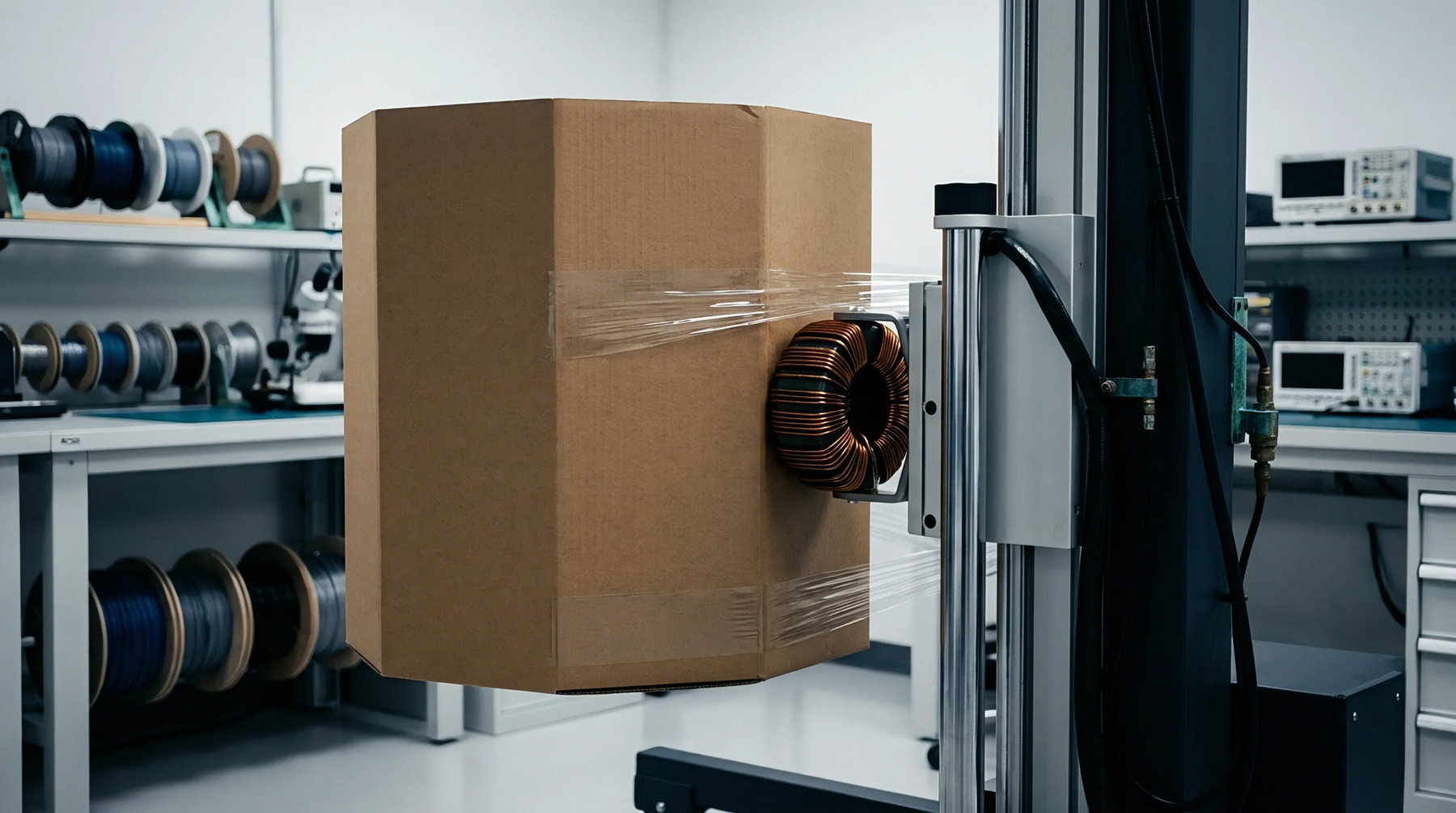
SRRC approval for dual-band radios demands locked firmware power tables, local agent coordination, and strict host radiated spur compliance to avoid re-test delays.
Host integrators holding third-party radio modules assume transmitter regulatory liability through trace compliance, filing maintenance, and localized testing.
Expertise is a utility, not a secret. sentiention™ publishes its working knowledge as open reference: intelligence layer covering the materials it sources, the markets it enters, and the reference that serves both.