
In-Country Representative Agreement Structuring to Prevent Certificate Lockout
Structure in-country representative agreements using independent third-party holders and pre-executed transfer escrows to decouple regulatory title from sales channels.

Structure in-country representative agreements using independent third-party holders and pre-executed transfer escrows to decouple regulatory title from sales channels.

Determining LPWAN end node sleep leakage across extended temperatures requires active burden voltage ammetry during thermal soak to map Arrhenius silicon drift.

Controlled impedance stackup verification requires explicit material callouts, coupon TDR testing, and IPC-compliant drawing notes to hold 50-ohm traces.

Cyclic power amplifier thermal pulses induce quartz lattice microcracking, driving carrier frequency drift beyond radio regulatory limits over time.

Commercial radio importers hold legal liability for verifying modular grants, maintaining local agents, and securing regional type approvals before customs entry.

Dissolved Korean applicants extinguish radio conformity validity, stranding shipments; recovery requires rapid re-testing and local provisional attachment.

Validate Gerber X2 attributes and NC drill tables against physical stack-up specs to eliminate layer misalignments and impedance faults in wireless host PCBs.

Dedicated power rail LDOs, elevated reverse isolation, and shaped transmit power ramping suppress high-burst oscillator frequency pulling in RF modules.
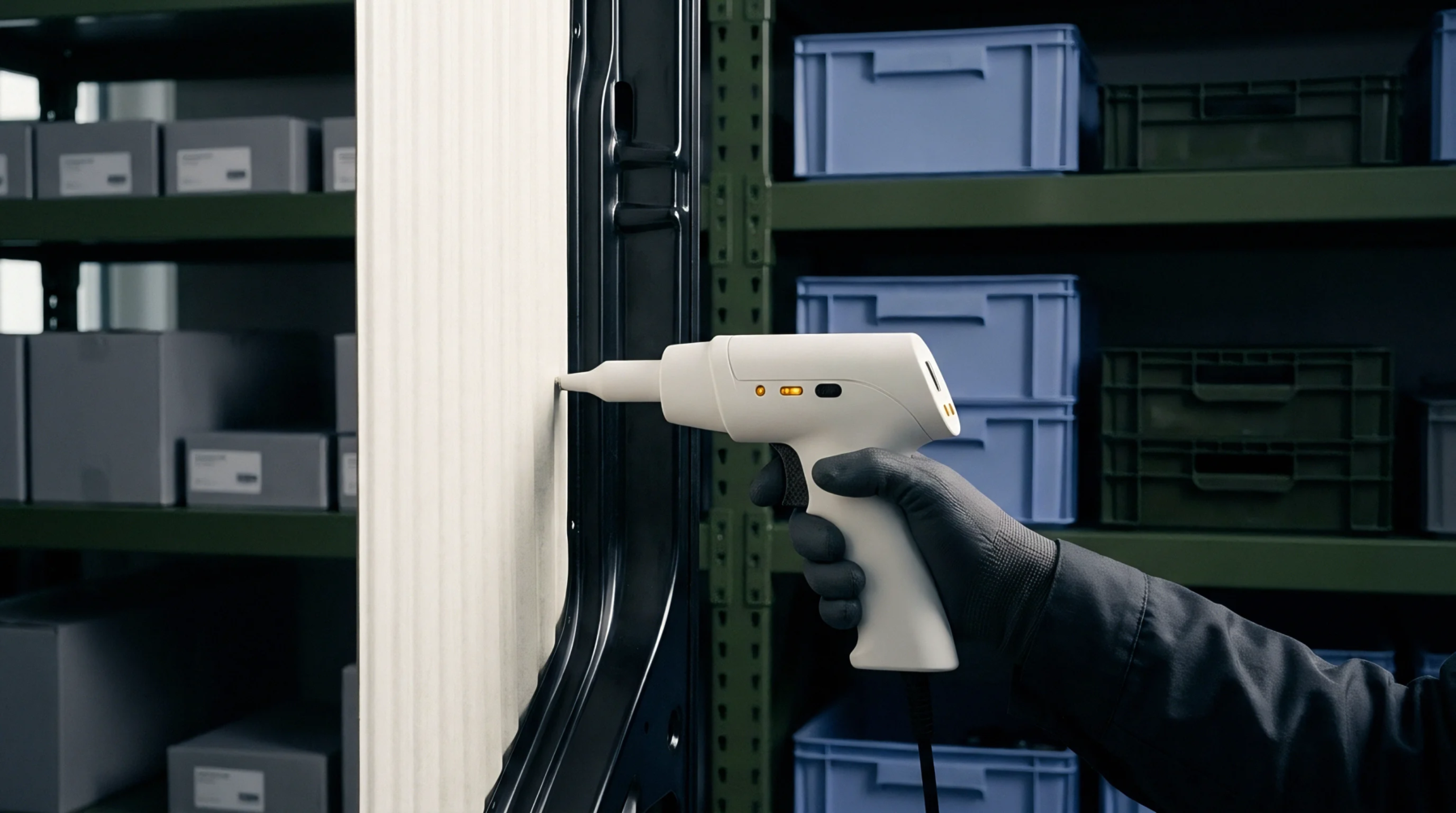
Managing Korean RRA derived certification transfers requires bilateral status succession of the entire basic model cluster to maintain customs clearance.
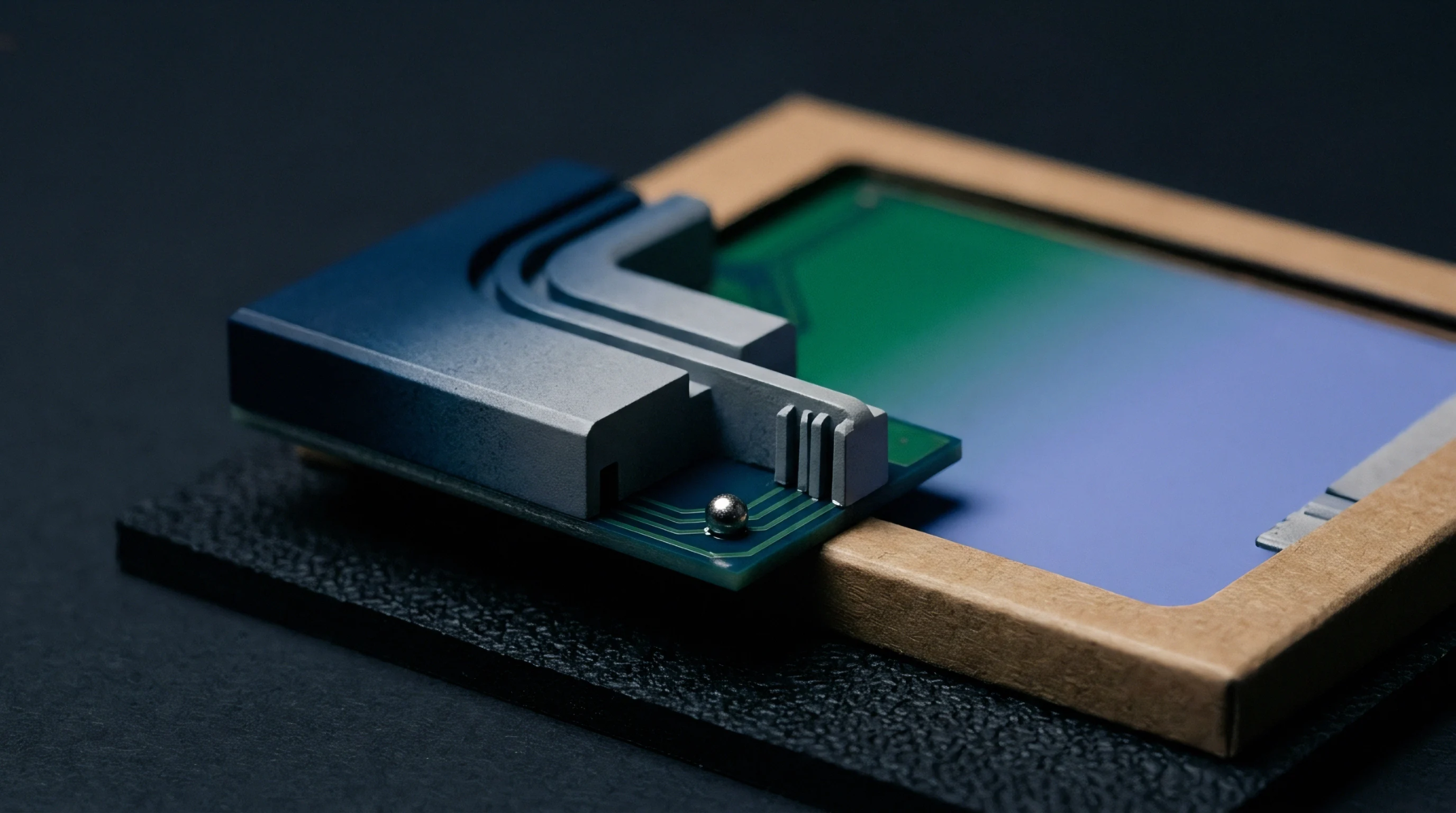
Excessive crystal drive level induces non-linear frequency drift, phase noise degradation, and blank fracture, demanding precise drive calculation.

Foreign radio manufacturers retain KC certificate ownership to authorize multiple Korean importers directly and prevent distributor supply chain lockouts.
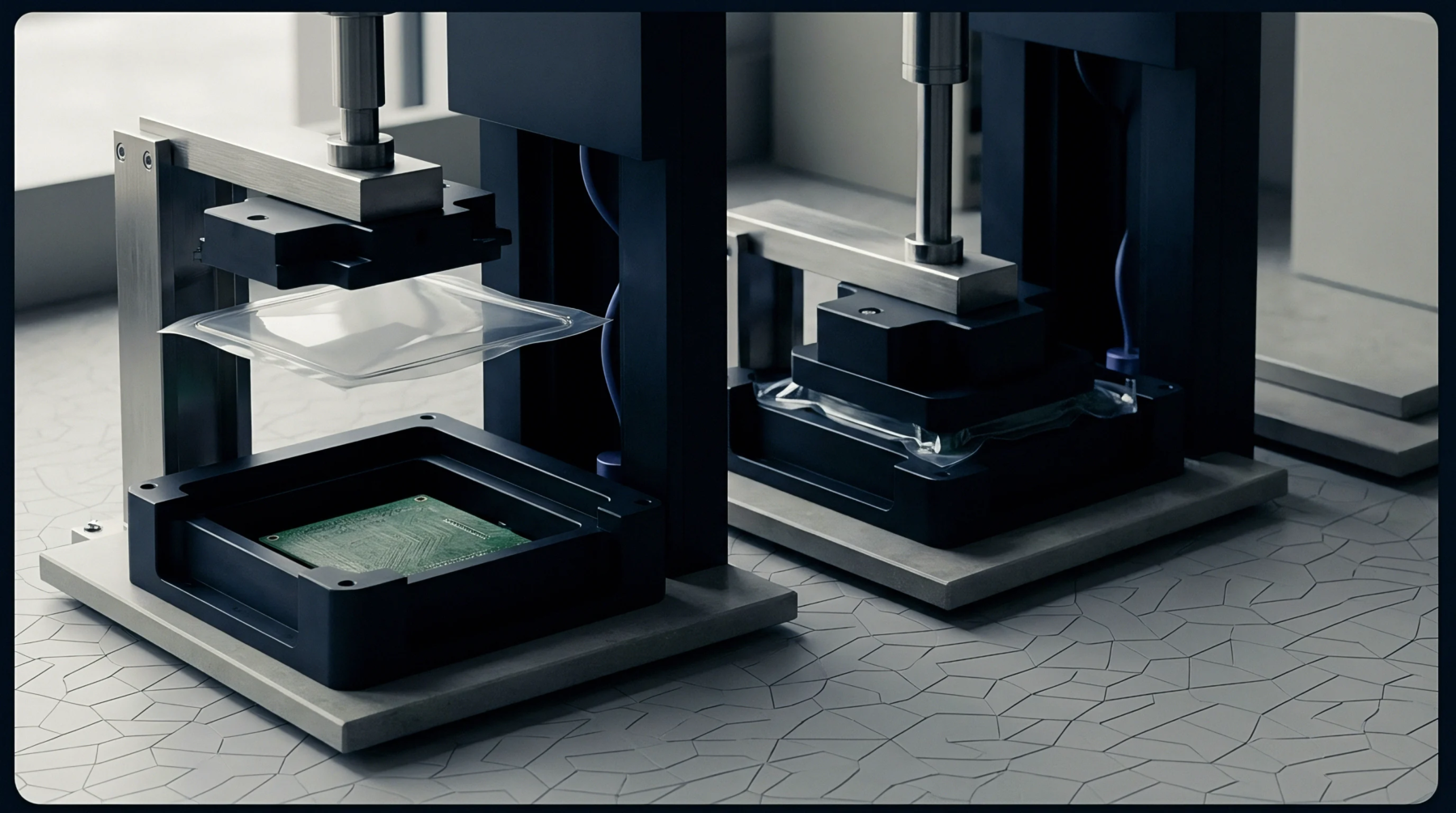
Escrow test fixture builds fail verification when unrecorded floor edits shift pogo pin inductance or calibration matrices past standard threshold limits.
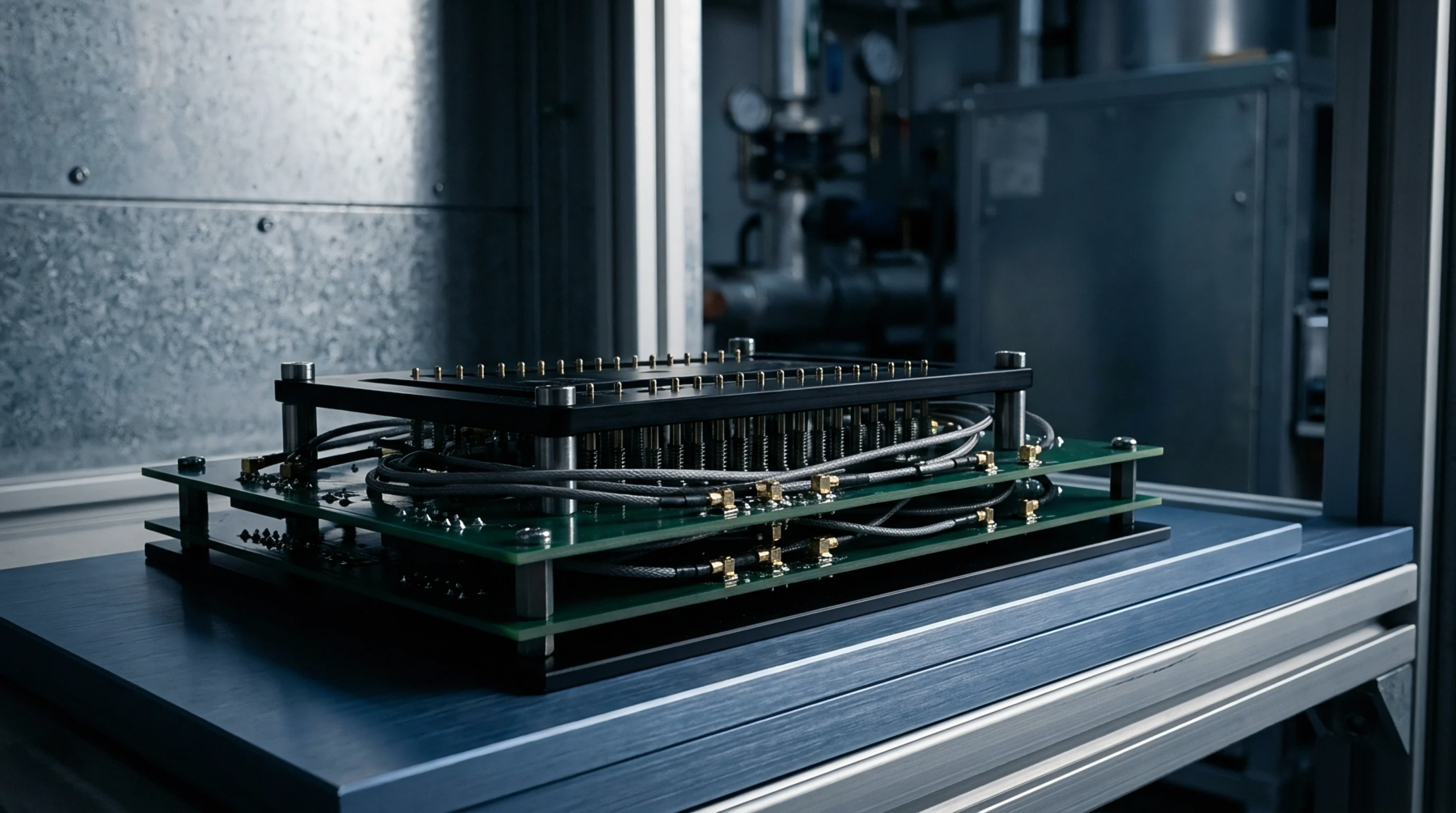
Continuous four-wire Kelvin resistance telemetry and scheduled block overhauls prevent false test failures from pogo pin plating wear in volume manufacturing.
Calculating peak location separation ratios determines whether co-located radio transmitters require volumetric SAR summation or qualify for test exemption.
Verify uncompiled native CAD, wiring schedules, and containerized test sequences in escrow to ensure seamless physical fixture transfer and line re-qualification.

Dynamic thermal stress from sub-GHz bursts shifts quartz frequency via strain gradients, demanding thermal relief slots and perpendicular package placement.

Millimeter-wave phased array exposure limits in dense enclosures depend on vector near-field spatial summation and multi-band total exposure ratio validation.

Automated build matrices validate vendor-independent driver abstraction layers, eliminating silicon lock-in and securing hardware design transfer custody.
Structure board support packages with common user-space daemons, dynamic device tree overlays, and runtime detection to dual-source modules without code forks.

Simultaneous transmission SAR requires ratio summation and SPLSR verification whenever colocated antennas exceed 1.6 W/kg total absorption within 20 cm.
Aligning subassembly marking with customs clearance requires verified modular grants, HTS accuracy, and explicit OEM assembly declarations on import manifests.

Abstracting hardware register drivers requires separating volatile memory-mapped access primitives from application drivers to ensure code safety and portability.
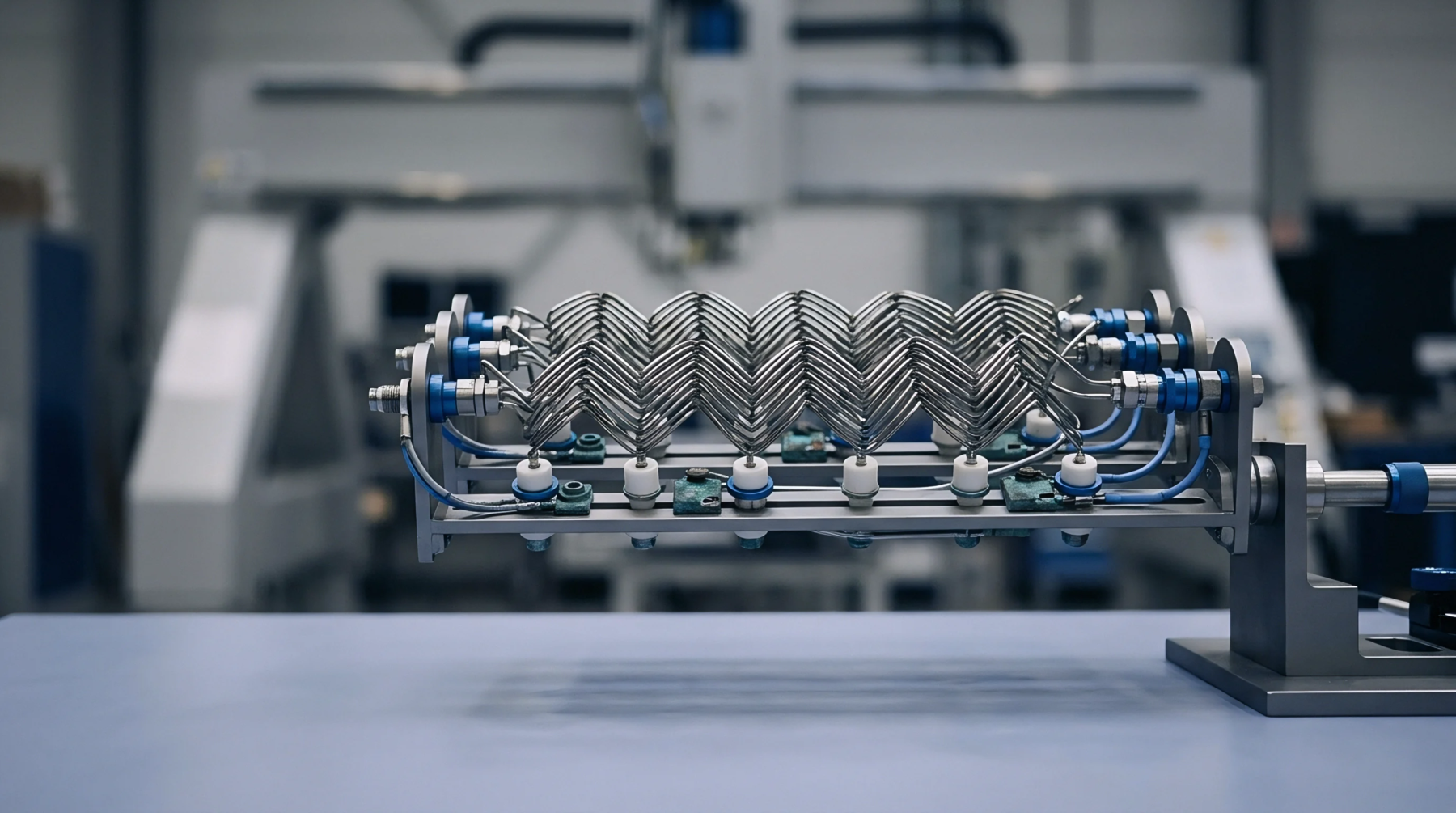
Mitigate sub-GHz transmitter frequency offset by isolating reference crystals from amplifier heat and buffering synthesizer tanks against antenna load pulling.

Seized wireless shipments require bonded warehouse firmware reflashing to locked production builds and corrective carton relabeling matching regulatory grants.

Unbundling driver repos isolates GPL host shims from closed binary blobs, preventing copyleft contamination and securing long term kernel SLA maintenance.
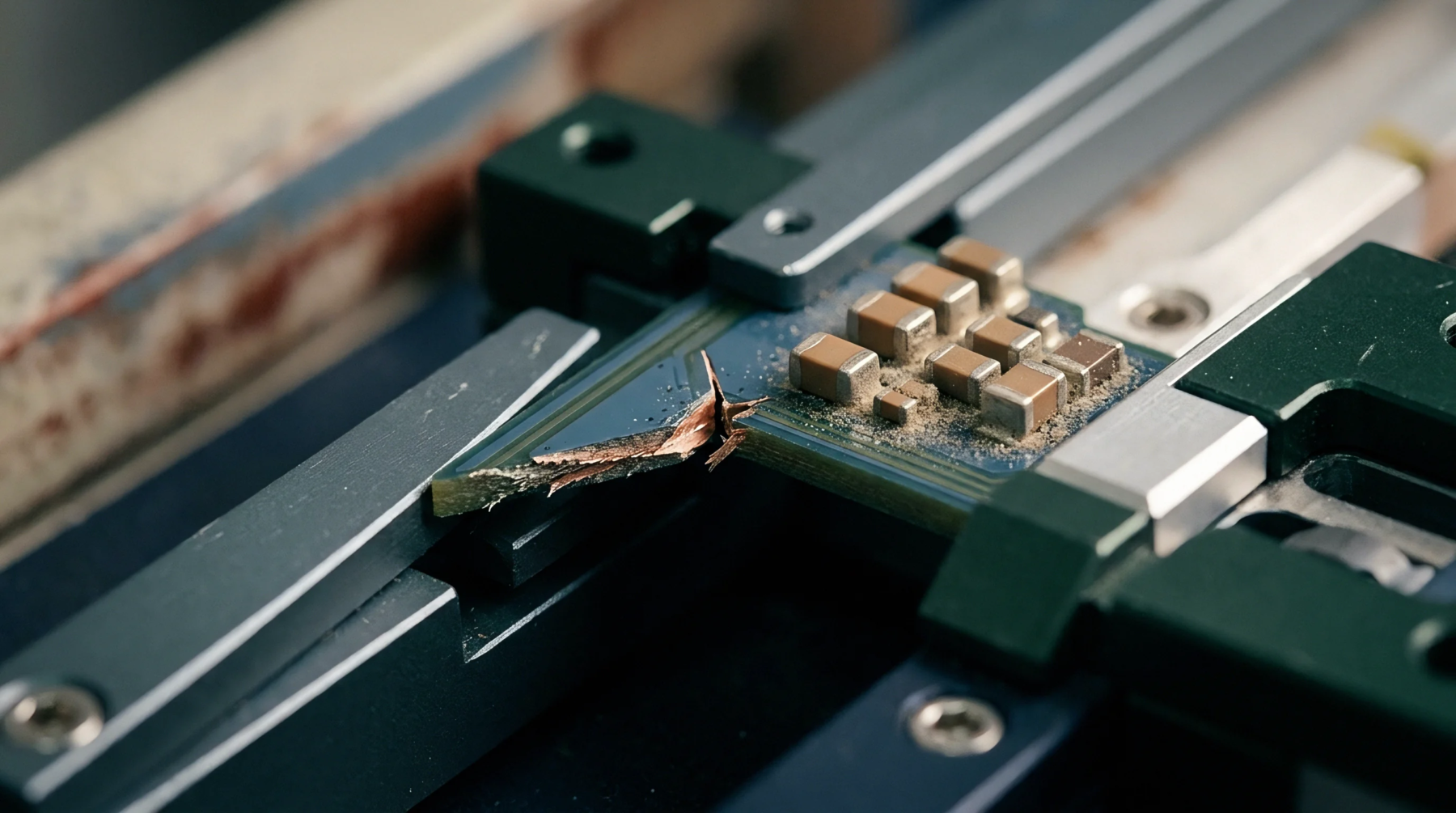
Evaluating BSP source transfer scope demands auditing bare-metal driver source files, build scripts, toolchain dependencies, and binary blob exclusions.

Proper sub-GHz crystal layout minimizes stray capacitance and thermal drift, preserving narrow-band receiver sensitivity and regulatory channel mask compliance.

Tightening receiver guardbands to match crystal drift reduces receiver wake time, extending sub-GHz mesh battery life without degrading link reliability.

Thermal isolation slots and added board thermal mass dampen local power amplifier heating rates, keeping TCXO transient drift within narrow sub-GHz channel limits.

Unbundling driver source decouples embedded module hardware procurement from host kernel lifecycles through explicit repository ownership and license transfers.
Expertise is a utility, not a secret. sentiention™ publishes its working knowledge as open reference: intelligence layer covering the materials it sources, the markets it enters, and the reference that serves both.