
Lithium Battery Volumetric Sag Profiles under Dynamic Carrier Steering Constraints
Dynamic carrier steering voltage sag is mitigated by specifying pulsed direct-current resistance limits and sizing low-ESR buffers against low-temperature bounds.
Dynamic carrier steering voltage sag is mitigated by specifying pulsed direct-current resistance limits and sizing low-ESR buffers against low-temperature bounds.
Roaming transceiver attach sweeps consume up to twelve milliampere hours per search event demanding strict backoff timers to protect lithium battery operating life.

Unbounded eUICC profile switching under border network denial drains primary batteries rapidly, requiring firmware backoff logic to prevent field failure.
Stateful backoff algorithms preserve battery capacity and prevent SIM blocking by persisting retry counters across reboots and enforcing dynamic timer scaling.

Cellular IoT registration recovery relies on deterministic 3GPP cause parsing, backoff timers, and EF_FPLMN management to prevent SIM battery exhaustion.
Dynamic PMIC rail switching combined with power amplifier back-off timers prevents lithium battery brownout during continuous cellular DoS jamming events.

Dynamic backoff timers prevent battery sag resets by matching modem retry intervals to the chemical diffusion and voltage recovery rates of primary cells.

Out-of-coverage attach retries force cellular modems into full-power RF scanning, increasing average power draw up to 100-fold without exponential timer backoffs.

Optimizing out-of-coverage timers and depassivation pulses preserves primary lithium battery capacity in roaming transceivers facing prolonged network loss.
Configure cellular power saving state timers by aligning T3324 active duration with server latency and sync T3412 periodic updates to telemetry schedules.

Select spiral Li-MnO2 for unbuffered high pulses or pair bobbin Li-SOCl2 with hybrid capacitors to prevent fatal transceiver brownouts.

eSIM profile switching across terrestrial borders introduces 14 to 45 second latency windows while peak RF transmit power ramps to 23 dBm during band acquisition.

Cellular cross border network scans trigger rapid battery voltage sag through prolonged high peak transmit power bursts against elevated cell internal resistance.
Cellular module band scans draw continuous receiver currents that exhaust battery capacity and cause voltage brownouts unless restricted by firmware band masks.
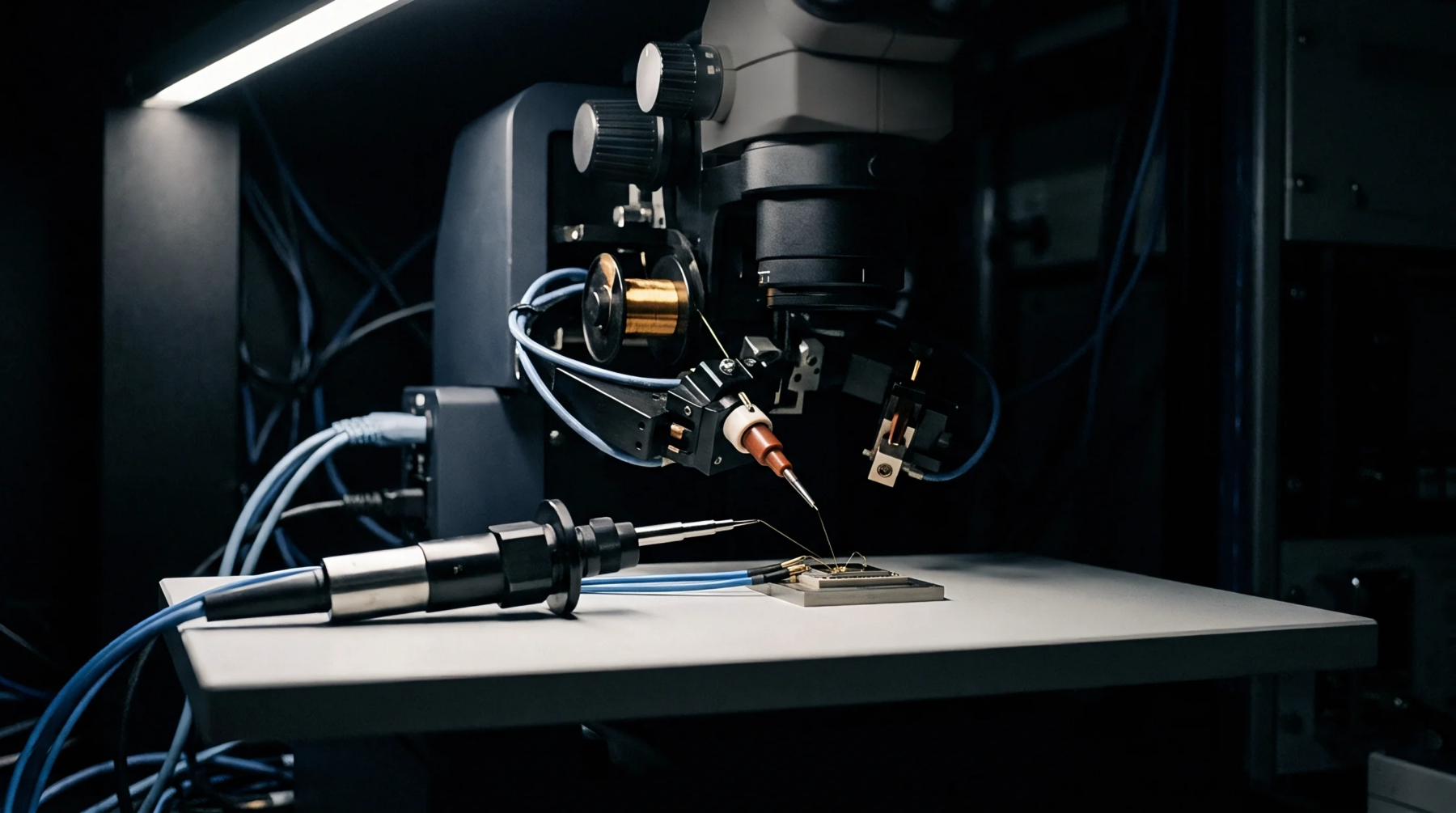
Physical layer repetition airtime in weak coverage must not exceed non-access stratum guard timers, or connection aborts will rapidly deplete battery reserves.
Unconstrained multi-band scanning rapidly exhausts primary batteries, making firmware-level band masking mandatory for multi-year cellular IoT operation.

Locking LTE-M band masks and tuning T3324 active timers cuts attachment energy from 450 millicoulombs to under 35 millicoulombs per wake cycle.
Coverage enhancement repetitions accelerate primary lithium thionyl chloride battery degradation by driving passivated cells into fatal voltage delay.
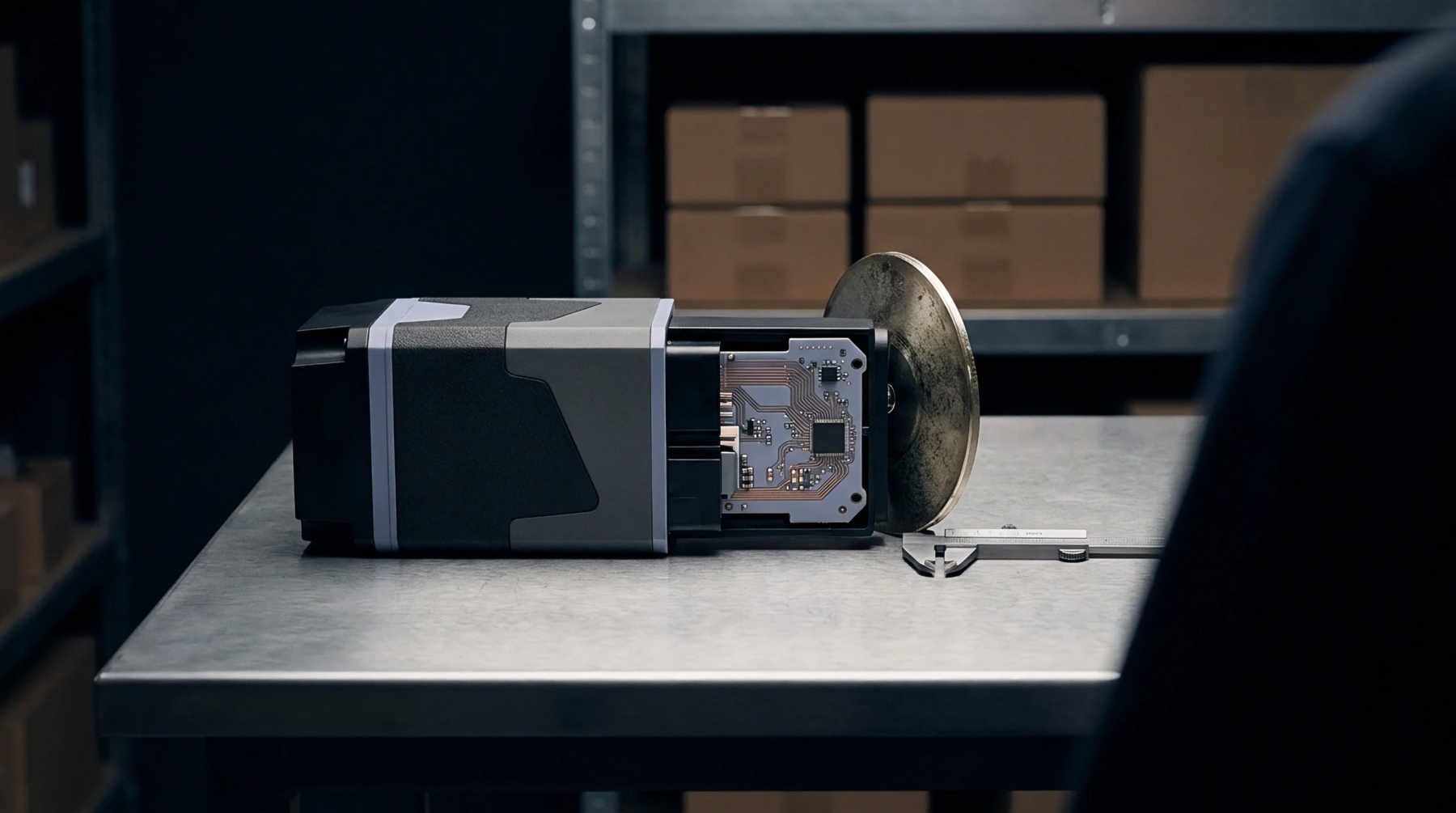
Tune eDRX and PSM timers by validating carrier-granted T3324 and T3412 parameters on current probes to balance sleep draw against paging latency.

Dynamic thermal gradients cause microcontroller real time clock drift by creating spatial temperature deltas between internal sensors and external crystals.

Cellular IoT power budgets depend on minimizing base station airtime, optimizing deep sleep timers, and managing peak pulse voltage drops under path loss.
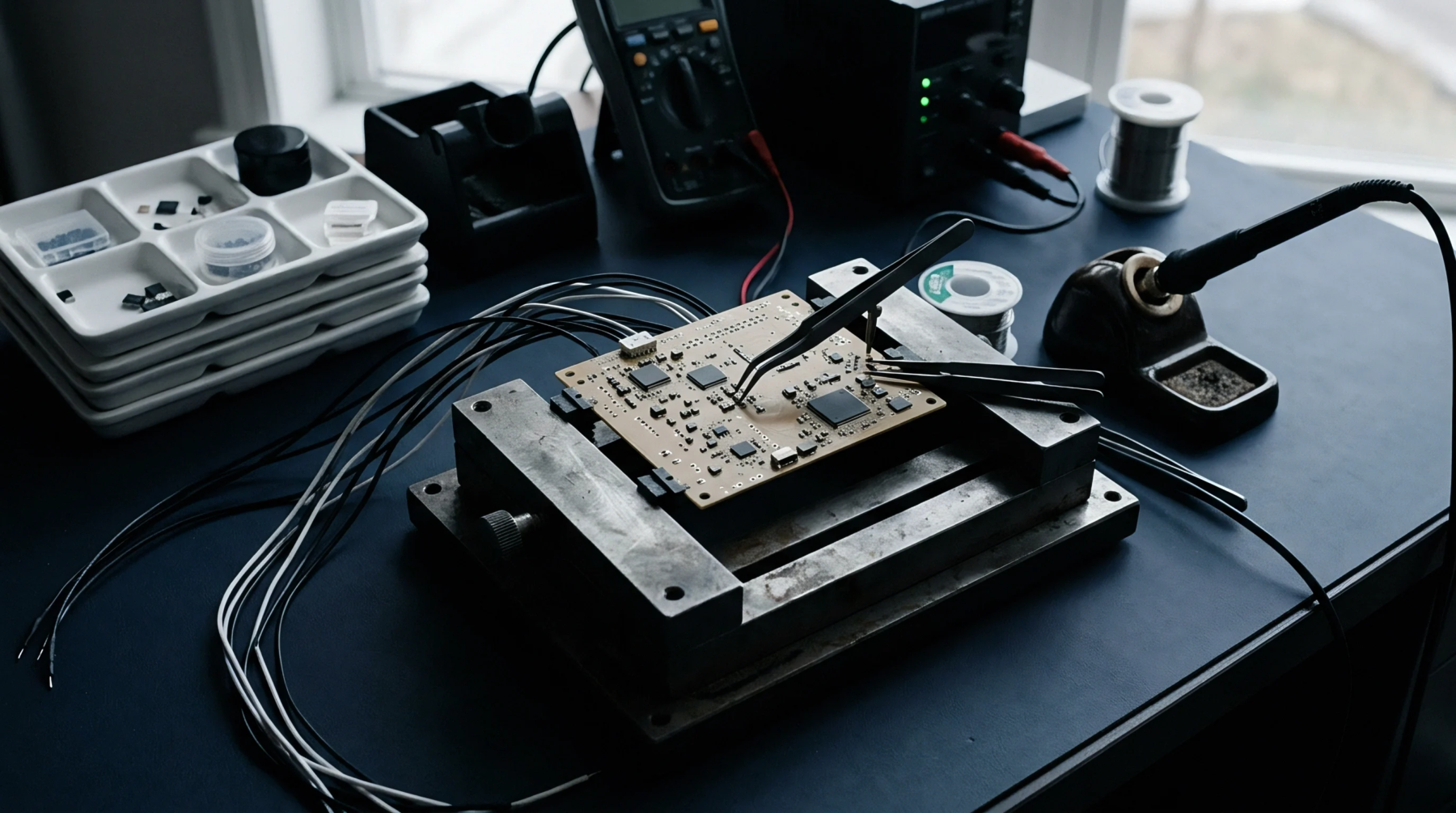
Dynamic receiver window sizing balances clock drift guard margins against active listen current to protect battery life without risking packet clipping.

Optimize low-power radio crystal selection by balancing negative resistance safety margin against startup time to slash active battery drain.
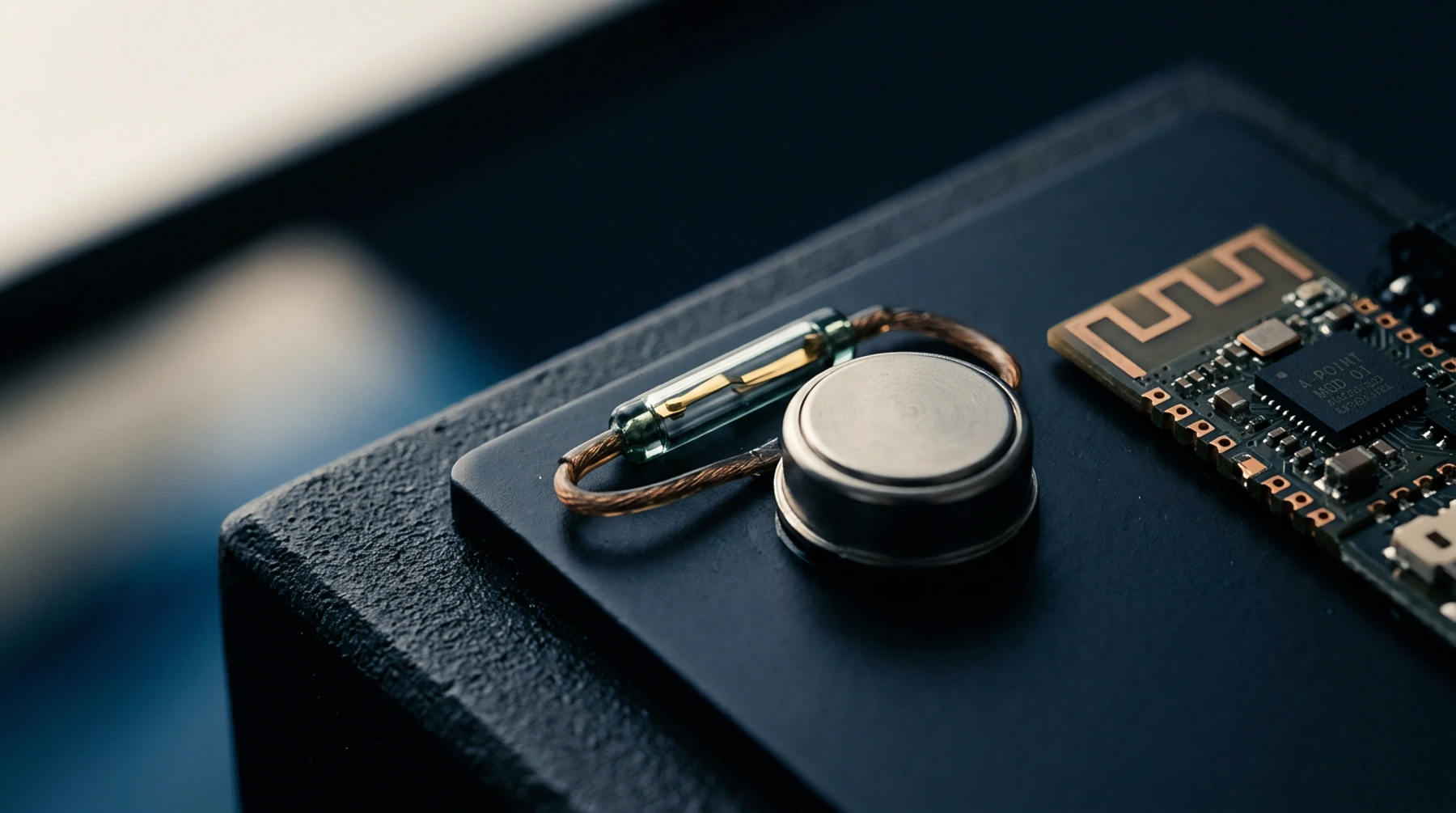
Thermal gradients from RF transmit bursts cause RTC crystal frequency drift, requiring copper plane isolation slots to maintain LPWAN sleep-wake timing precision.

Sub-GHz guard windows must equal twice the joint crystal thermal error multiplied by sleep interval plus preamble acquisition time to prevent packet loss.

Thermal crystal drift forces receiver window widening and carrier offset compensation, driving trade-offs between TCXO unit cost and battery capacity.

Dynamic thermal gradients pull quartz oscillator frequencies beyond tracking loop limits, inducing packet preamble synchronization failures in low-power links.

Dynamic thermal gradients cause rapid sleep timer drift in sub-GHz transceivers, requiring adaptive polynomial or pulse-counting calibration to prevent energy-draining receive window expansion.

Dynamic digital trimming and pulse swallowing counter quartz parabolic thermal drift, preventing expanded radio listening windows and premature battery drain.

Dynamic roaming timer restrictions compress cellular power saving intervals, requiring autonomous module detach logic to halt accelerated primary cell depletion.
Expertise is a utility, not a secret. sentiention™ publishes its working knowledge as open reference: intelligence layer covering the materials it sources, the markets it enters, and the reference that serves both.