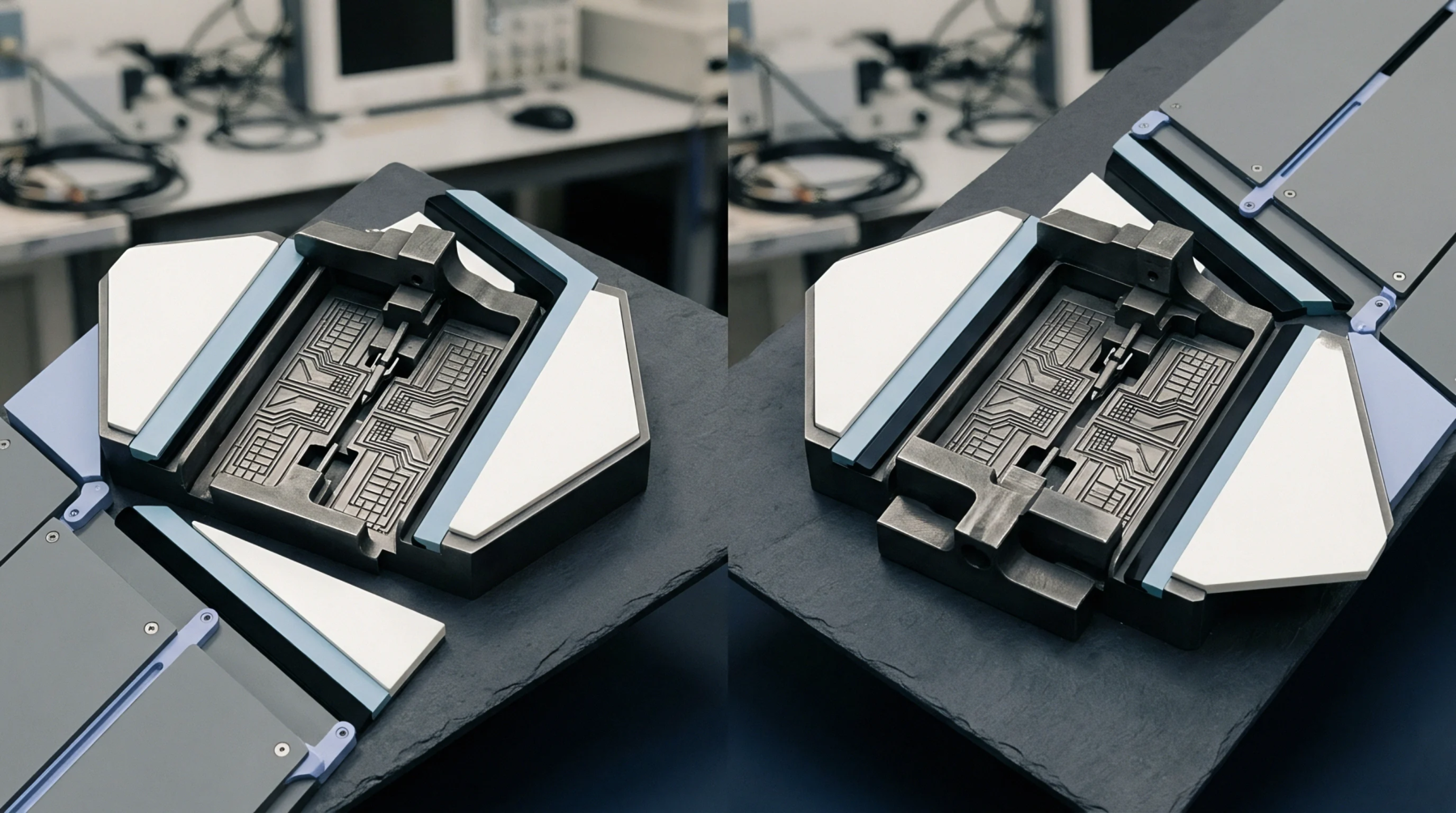
Managing Class Two Permissive Changes for Updated Radio Module Firmware
Firmware updates modifying transmitter power, duty cycle, or spurious emissions demand a Class II Permissive Change filing before deployment.
Firmware updates modifying transmitter power, duty cycle, or spurious emissions demand a Class II Permissive Change filing before deployment.

Firmware register and power table modifications alter radiated emissions, requiring pre-scan verification and permissive change filings before release.

Class Three Permissive Changes demand prior SDR classification and an airtight KDB 594280 declaration proving signed code isolates RF operational parameters.

Class Two permissive changes trigger whenever transceiver integration alters antenna gain, exposure distance, or co-transmission margins beyond granted limits.

Class One permissive changes for transceiver firmware require internal verification testing that proves output power, bandwidth, and emissions remain within original grant limits.

Modular inheritance fails under Chinese radio frameworks if host noise elevates radiated spurs or unlisted antenna gains exceed approved regulatory thresholds.

Locking firmware power tables and routing reliable conducted test ports accelerates Chinese SRRC approvals while preventing customs seizures and retests.
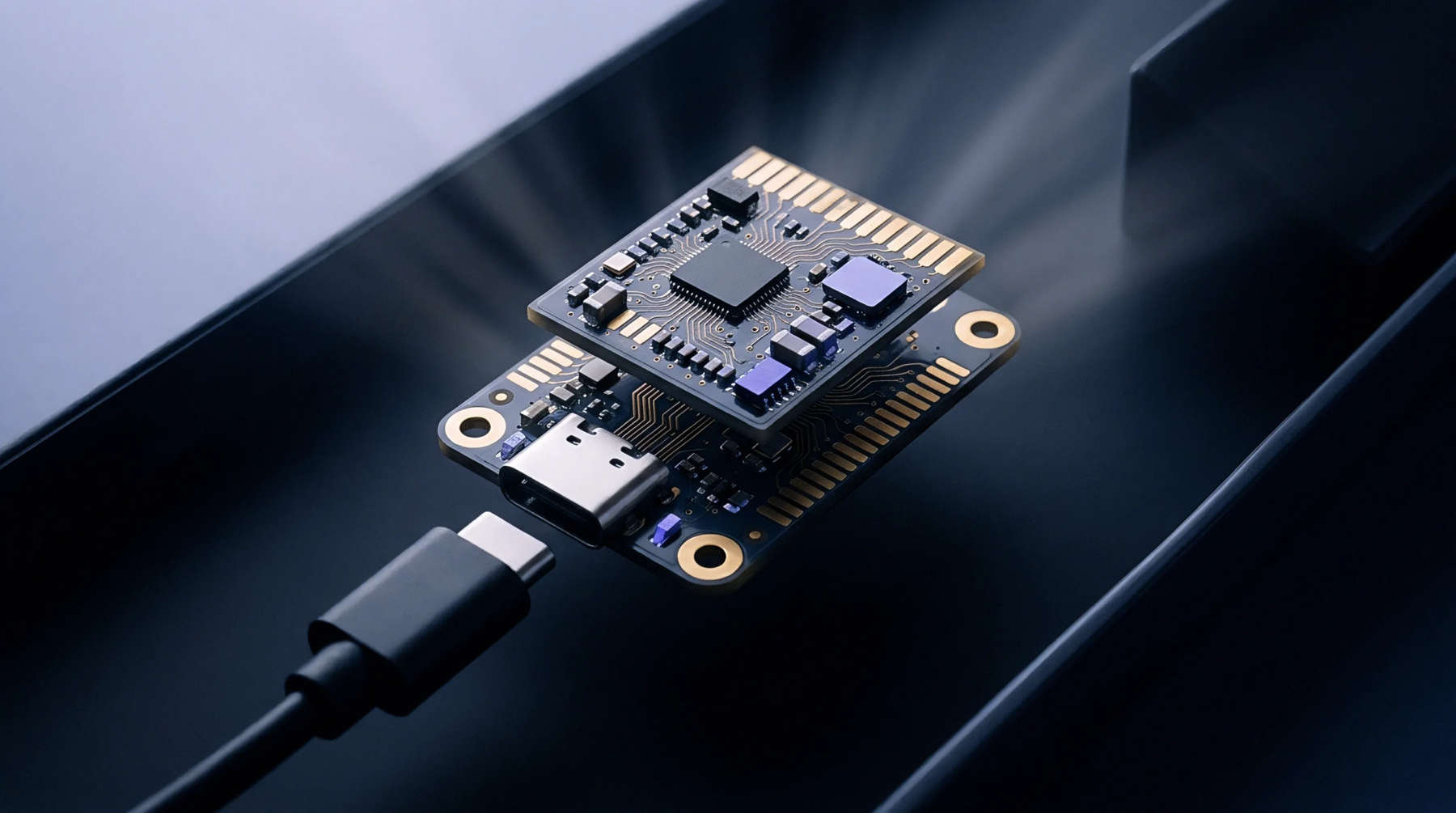
Dual-band transceivers enter China only after accredited domestic labs verify conducted power, dynamic frequency selection, and spurious limits under CMIIT rules.

Metallic housings alter antenna geometry and cavity resonance, forcing Class II permissive changes or complete system recertification when emissions shift.

Radio type approval in China demands accredited domestic chamber testing, strict sample hardware modification, and exact power spectral mask compliance.
Chinese radio type approval mandates accredited in-country testing and a CMIIT ID identifier before wireless products clear customs or retail distribution.

Resolving multi-transmitter intermodulation under revised Korean rules demands physical antenna separation, simultaneous-transmit scans, and host KC filings.
Host devices in South Korea require mandatory radiated spurious emission tests regardless of pre-certified module status to secure valid KC market entry.

Integrating a pre-certified radio module exempts host RF retesting only if antenna type, gain, and trace impedance remain unchanged; EMC registration is mandatory.

Dynamic frequency selection verification requires matching transceiver pulse discriminators to regional radar profiles and calibrating laboratory RF injection lines.

Modular integration under the Korean Radio Waves Act demands host Registration of Conformity and full EMC testing despite certified RF modules.

Short range wireless device conformity requires matched test reports, accredited filings, clear modular boundaries, and precise housing labeling across target jurisdictions.
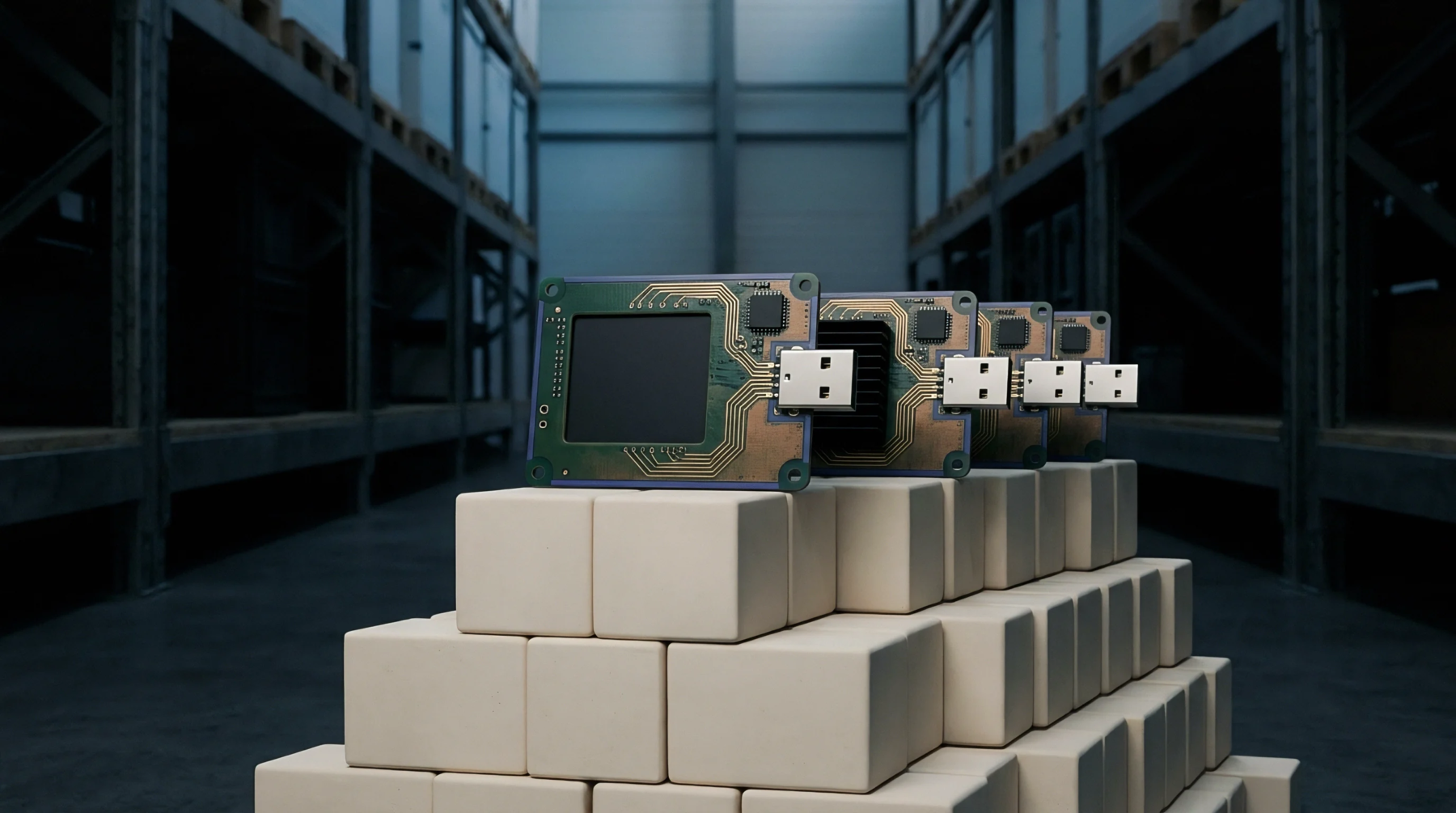
Closing white-label radio approval gaps requires mandatory host-level radiated testing, unredacted technical files, and local legal agent appointments.

Lock module supplier permissive change filing obligations into master sourcing contracts to prevent production halts during host radio design modifications.

A modular FCC grant covers only the standalone radio; host integrators remain legally liable for Part 15B testing, trace rules, and simultaneous emissions.

Cross-border spectrum grants demand unified cryptographic verification to prevent customs holds, automated transmission shutdowns, and costly laboratory re-tests.

Class II permissive changes demand precise radiated spot-checking and grant ownership alignment across diverging international certification frameworks.

FCC modular approvals demand an authentic grantee authorization letter matching active database signatories to legally rebrand or modify an existing radio file.

Maintain Class II authority over closed-source modules by executing a Change in ID to secure an independent grant, then filing host test data directly.

Managing documentation chain of custody links physical hardware equivalence to active root grants, preventing sudden global market distribution bans.

Rebranding certified radio equipment requires an active original grant, written grantee authorization, an independent grantee code, and identical hardware.

Modular grants never cover multi-transmitter intermodulation spurs, requiring early host-level testing to prevent costly regional regulatory certification delays.

Modifying host PCB layout or antenna spacing invalidates modular Grants, requiring Class II Permissive Changes or full chamber re-testing before market entry.

Co-located modular radios generate intermodulation emissions that require physical antenna isolation, bandpass filtering, and simultaneous transmission compliance filings.
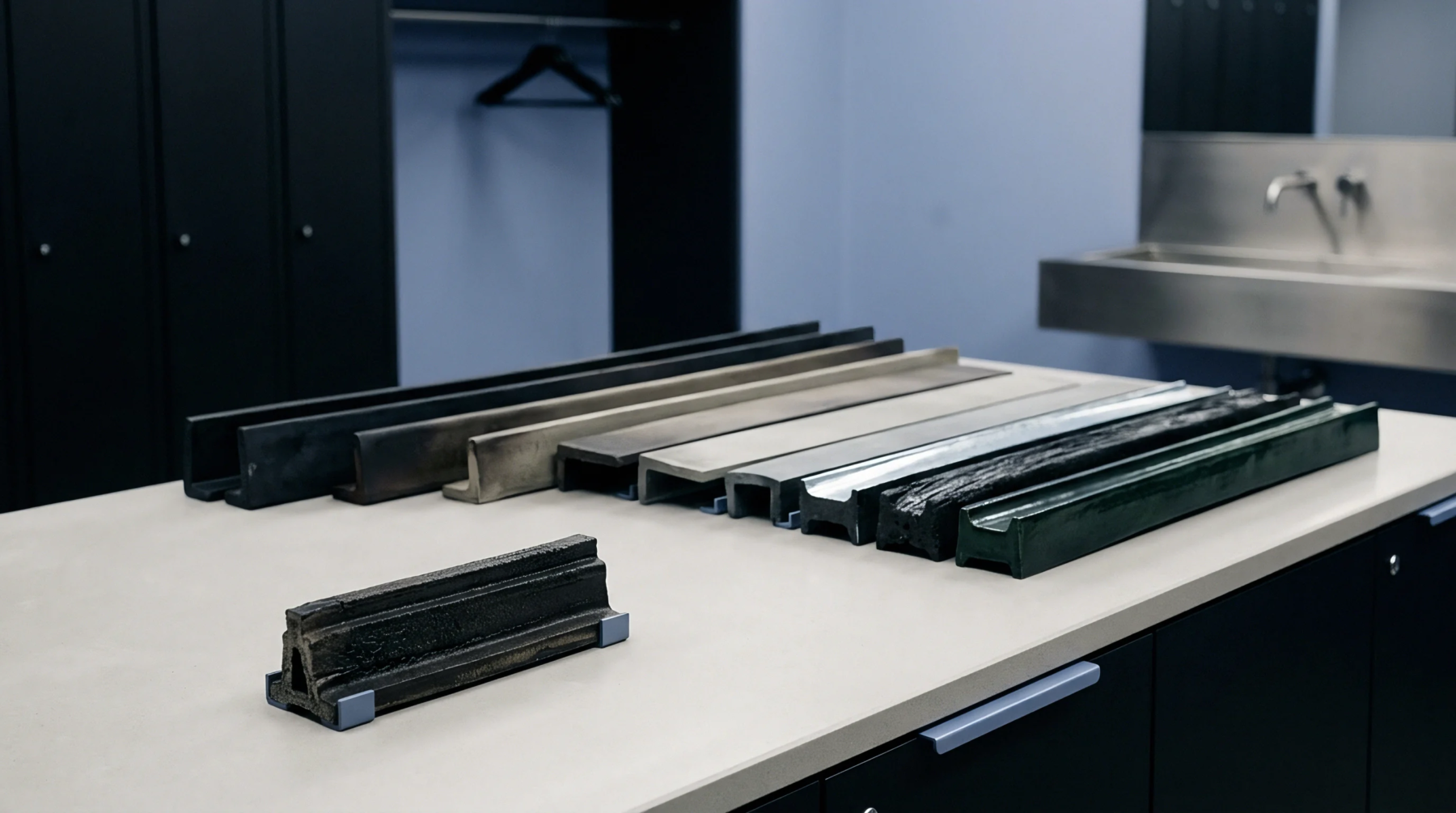
Managing polymer dielectric dispersion requires matching host substrate anisotropy to original modular grant limits to avert Class II permissive change retests.
Expertise is a utility, not a secret. sentiention™ publishes its working knowledge as open reference: intelligence layer covering the materials it sources, the markets it enters, and the reference that serves both.