
Navigating Modular FCC Approvals for Embedded Wireless Hardware Devices
Pre-certified FCC modular grants eliminate fundamental radio testing but require strict host trace adherence, exposure compliance, and Part 15B verification.
Pre-certified FCC modular grants eliminate fundamental radio testing but require strict host trace adherence, exposure compliance, and Part 15B verification.

Radiated harmonic scans mandate notch filtering, spatial maximization, and rigorous cable loss compensation to prevent front-end receiver saturation and false failures.

Mitigate co-located spurious emissions by maximizing inter-antenna isolation, placing steep acoustic wave filters at transceiver ports, and verifying concurrent transmission under KDB 996369 rules.

Sourcing wireless hardware for Southeast Asian trade channels demands verifying modular grant scope, securing local agents, and budgeting for in-country testing.
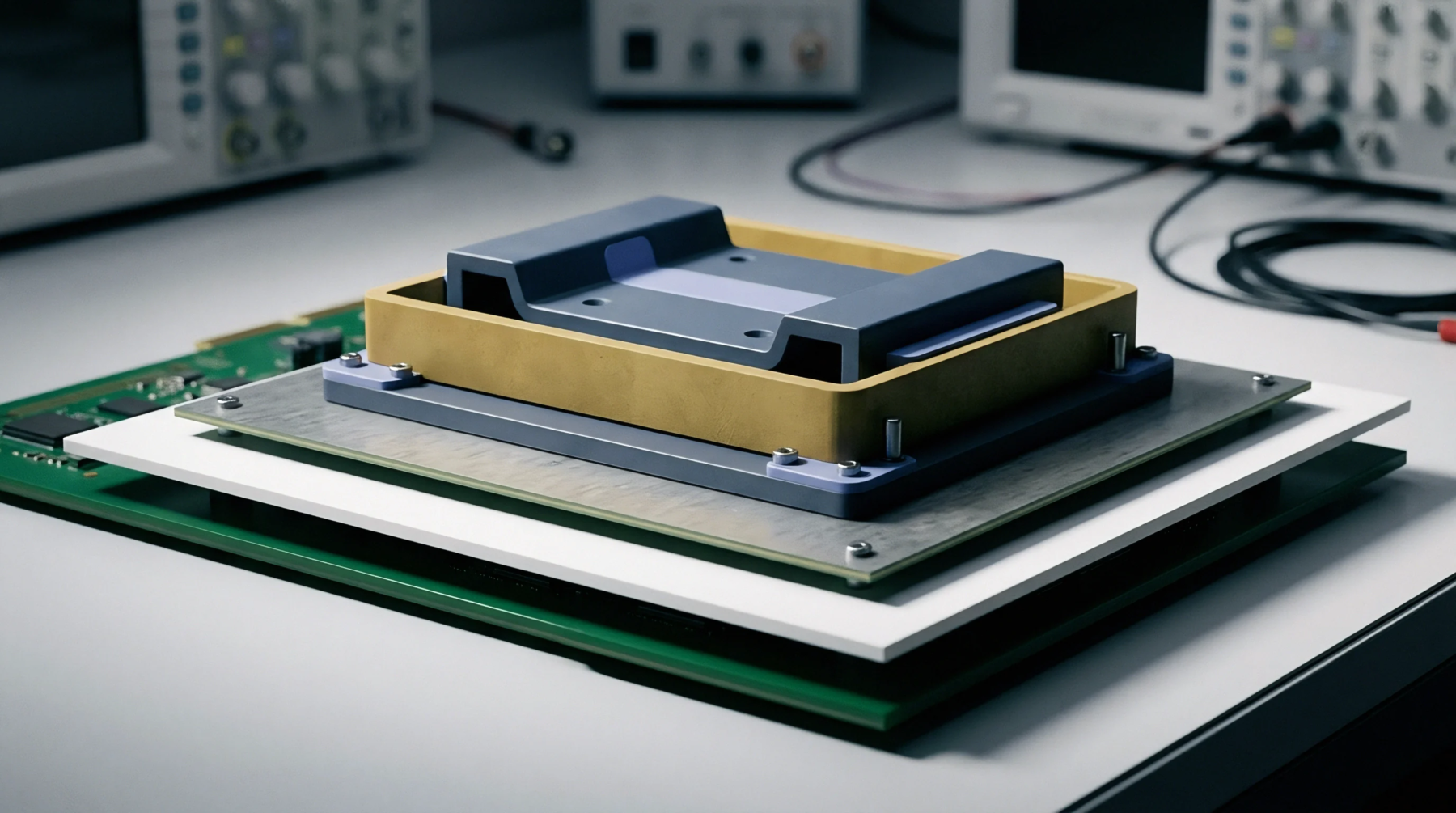
Cross-border radio verification requires accredited laboratory scope validation, standard gap analysis, and cryptographic document provenance at customs.

Partner government agency import mechanics require strict alignment between electronic ACE PGA message sets, valid modular grants, and correct tariff assist valuation before cargo arrival.

Mathematical transformation matrices reconcile non-anechoic wall reflections into uniform plane-wave profiles, protecting immunity test accuracy and launch schedules.

Modular grant validity depends on maintaining strict antenna gain, separation distance, and trace impedance bounds within host product enclosures.

Host hardware vendors retain ultimate legal liability for combined device compliance, requiring host verification despite module pre-certification.
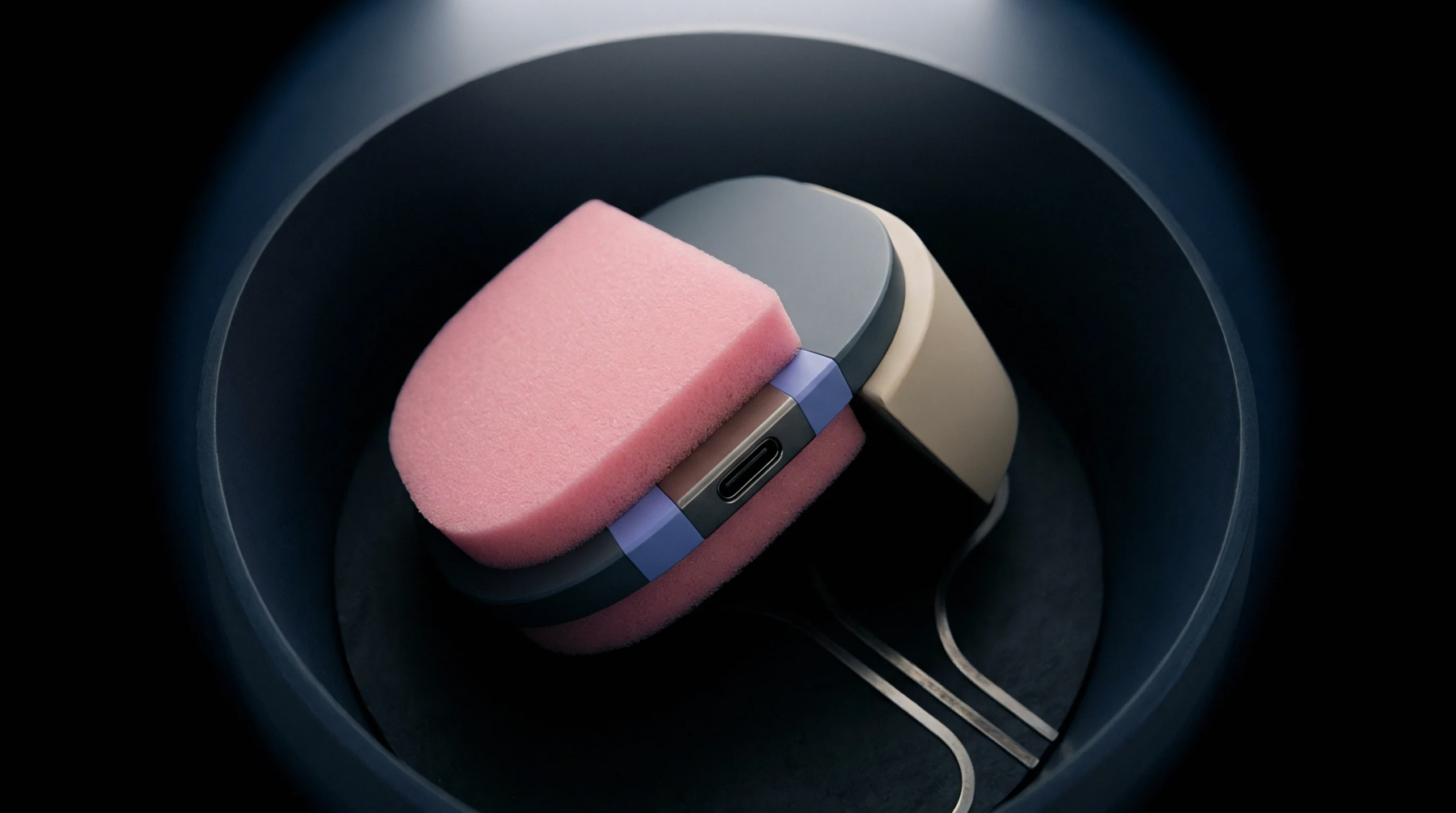
Substrate dielectric drift at 77 GHz alters antenna phase and EIRP, requiring strict raw material controls to prevent regulatory non-compliance and re-filings.
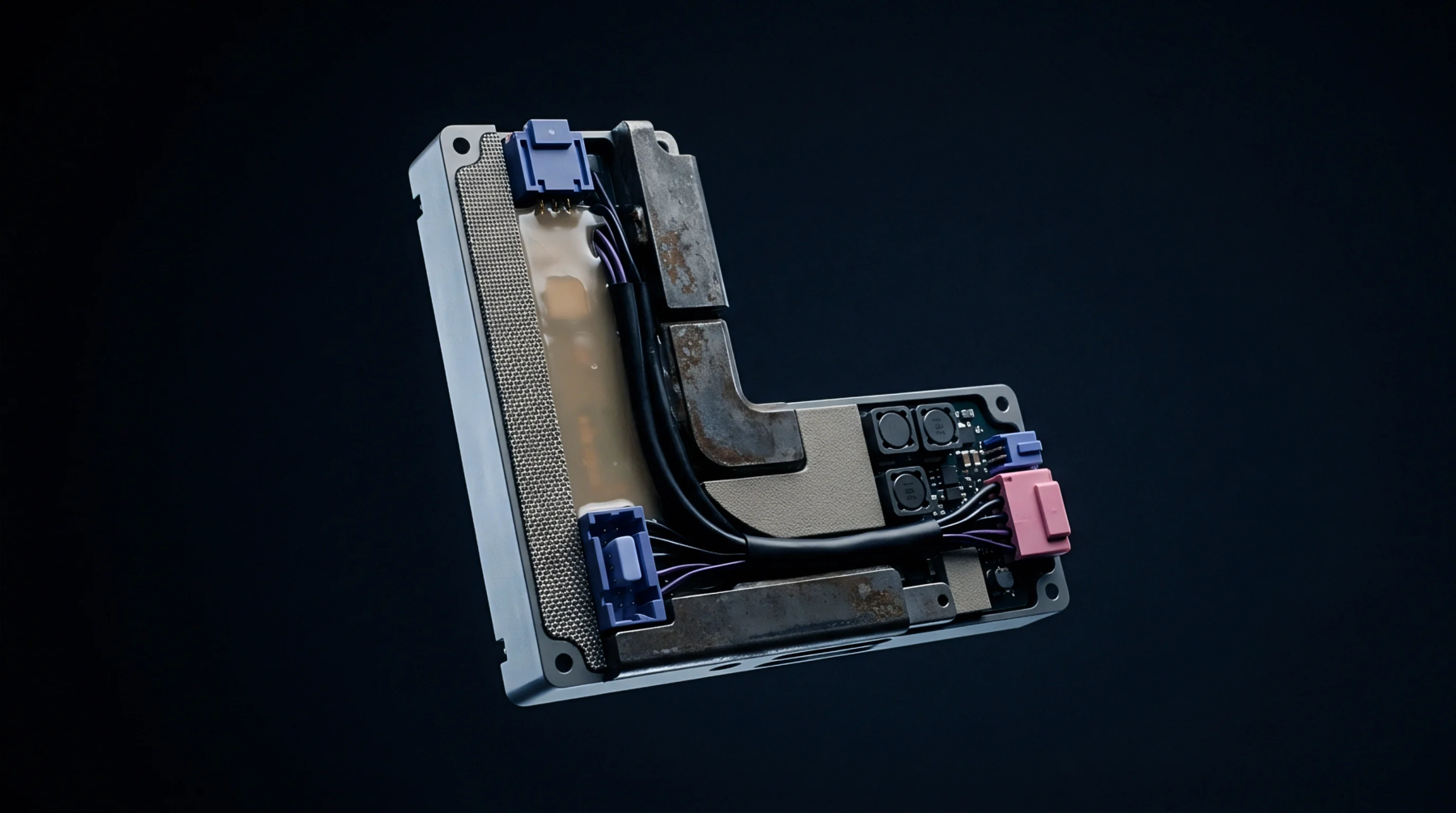
Free-space W-band polymer testing requires precise spot-focused optics, strict sample thickness tolerances, and validated TRL calibration to prevent radome detuning and costly regulatory re-certification delays.

Cross-border radio module schemes demand host-level verification, strict trace layout compliance, and targeted local filing sequencing to secure market access.

Modular approval requires eight statutory hardware conditions; host integrators must perform spot checking and unintentional radiator evaluation before market entry.

Reconciling customs import valuations with radio type approval scopes requires aligning declared hardware assists and software royalties with granted technical limits.

Customs valuation of radio modules excludes embedded firmware value when software licensing is contractually unbundled and invoiced on separate line items.

Official Journal harmonized standard expiration dates are governed by the Date of Cessation of Presumption of Conformity listed in Commission publications.
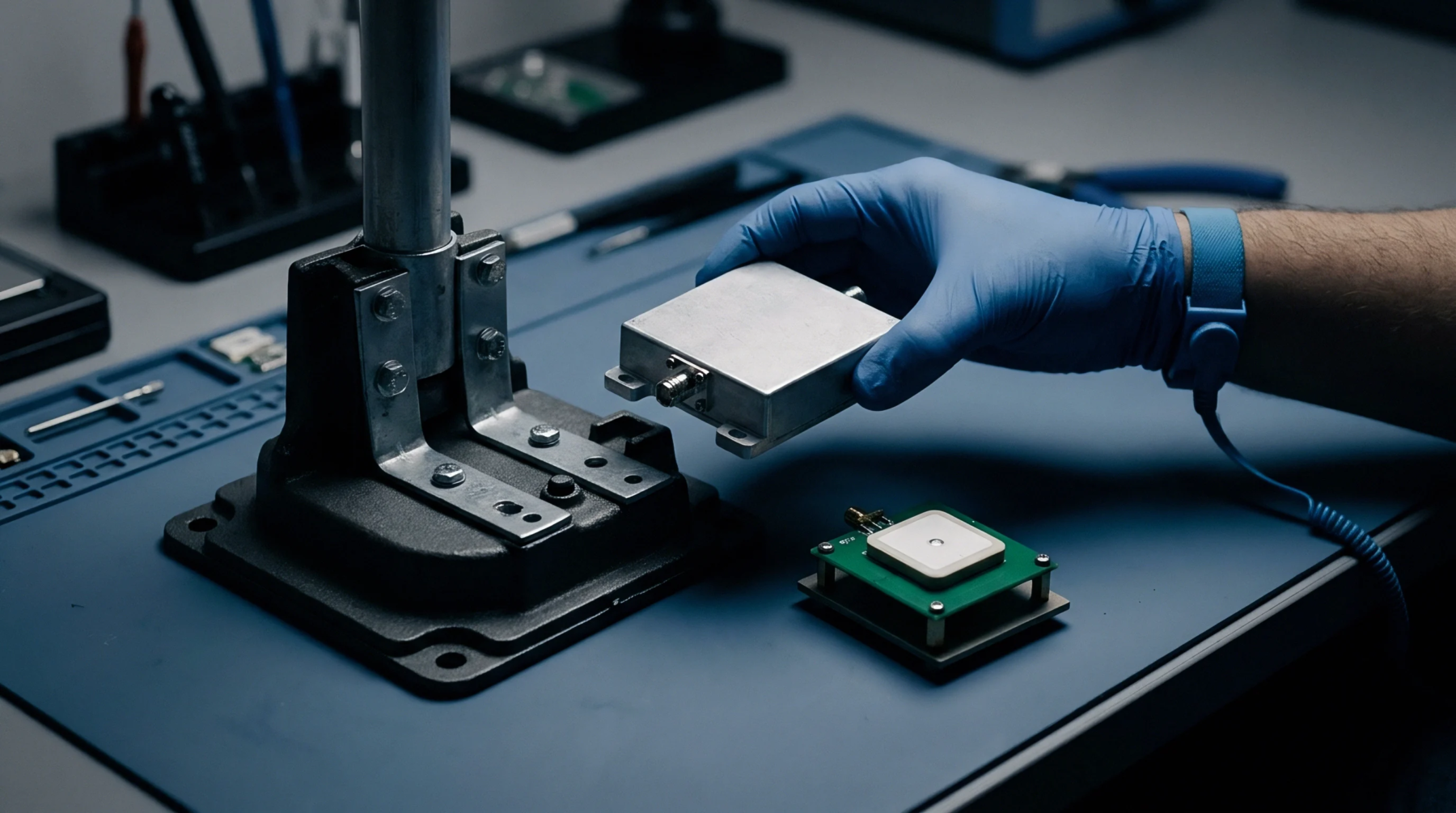
Incomplete wireless Declarations of Conformity trigger immediate customs red-lane quarantine, imposing daily port demurrage charges until host-level documentation clears.

Host modular radio audits prevent costly market re-certification by verifying trace layout specs, exposure limits, and grant scope before compliance filings.
Volumetric site voltage standing wave ratio in hybrid chambers isolates 3D quiet zone reflections by converting normalized spatial field ripples into linear ratios.

Dense multi transmitter hosts require mathematical modeling and chamber isolation of intermodulation products to prevent compliance rejections across global regulatory filings.

Resolve regulatory technical file disputes by embedding tripartite direct-to-authority escrow release covenants into module procurement contracts.

Modifying host enclosure materials demands FCC permissive change evaluation when dielectric properties or metallic proximity alter radiated emissions or SAR values.

Host enclosure modifications invalidating embedded radio grants require fresh host-level testing and updated labeling prior to customs clearance.

Polymer radome transmission loss at mmWave frequencies depends on dielectric loss tangent and wall thickness precision to maintain regulatory EIRP compliance.

Effective multi-market RF qualification requires pricing laboratory measurement variance and host integration failure risks directly into contingency budgets.

Radio certification success requires four dedicated samples, continuous-wave firmware, certified anechoic site validation, and rigid host integration controls.

Modifications to encapsulated radio modules require Class II permissive change filings whenever conducted power increases or radiated emissions degrade.

Off-grid electronic label hardware root of trust selection balances microamp sleep currents, factory key injection speed, and radio modular approval limits.
Internal RF coupling converts near-field reactive energy into unintended far-field emissions through enclosure seams, ground breaks, and unshielded host wiring.
Dynamic array field reconstruction must dynamically compensate for near field dielectric detuning to preserve link margin while verifying spatial exposure compliance.
Expertise is a utility, not a secret. sentiention™ publishes its working knowledge as open reference: intelligence layer covering the materials it sources, the markets it enters, and the reference that serves both.