
Managing Customs Clearance Holds Triggered by Discrepancies in Modular Approval Grant Scope
Customs clearance holds triggered by modular grant scope mismatches resolve through power table realignment, permissive filings, or amended import paperwork.
Customs clearance holds triggered by modular grant scope mismatches resolve through power table realignment, permissive filings, or amended import paperwork.
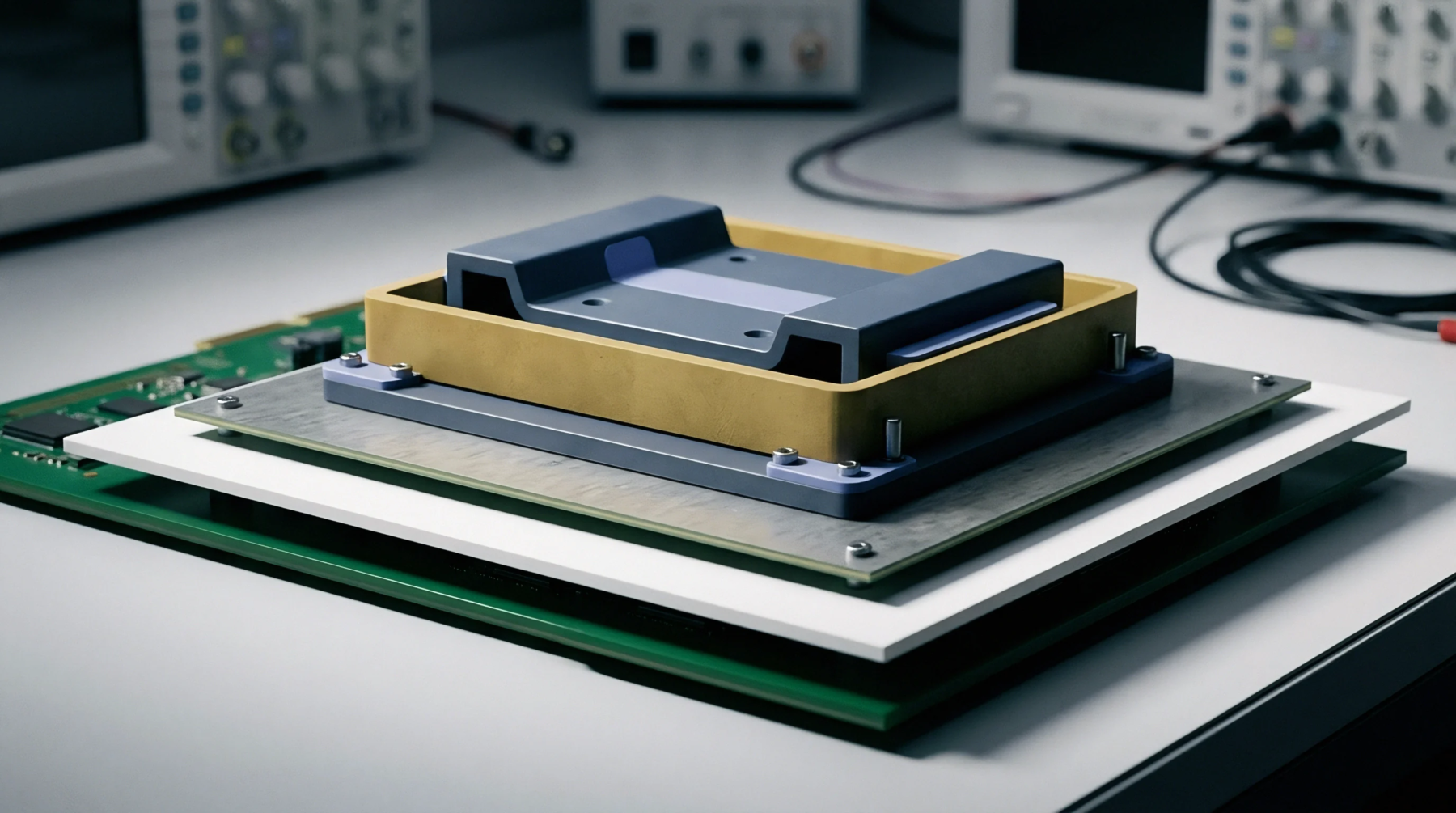
Verifying imported wireless device compliance requires cross-referencing grantee databases, matching host antenna gains, and auditing ISO 17025 test scope.

Anisotropic dielectric drift in composite enclosures detunes integrated antennas during temperature sweeps, triggering radiated compliance failures and re-filings.

Precise W-band dielectric characterization suppresses radome reflection, preventing boresight errors and eliminating costly regulatory recertification cycles.

Dual sourcing radio modules demands strict PCB trace impedance matching, rigorous Class II permissive change tracking, and dual technical documentation archives.

Host integrators assume full regulatory liability for non-compliant RF exposure and spurious emissions whenever physical host enclosure coupling, antenna substitutions, or co-located radios deviate from original modular grant conditions.

Host integrators holding third-party radio modules assume transmitter regulatory liability through trace compliance, filing maintenance, and localized testing.
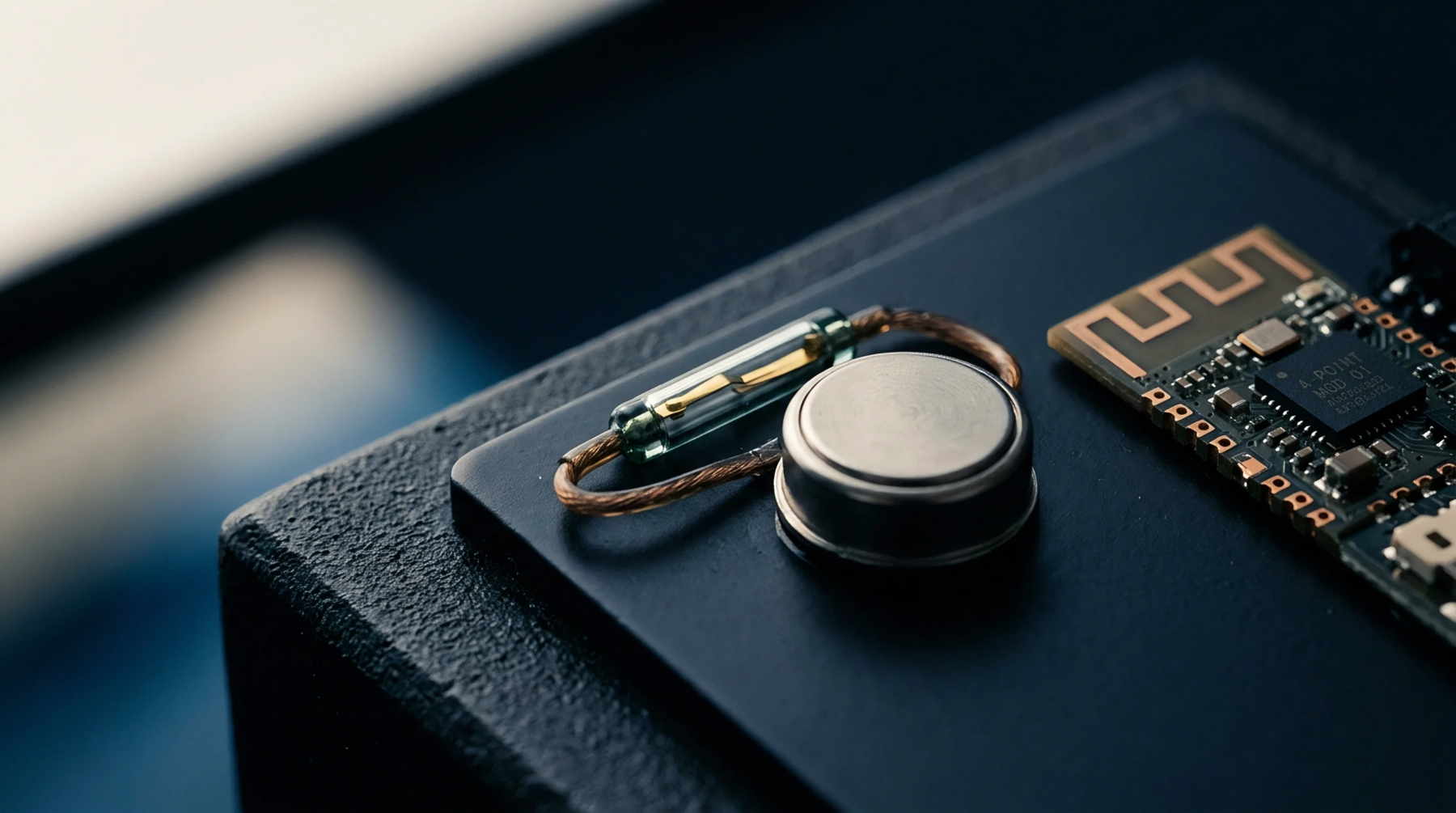
Near field to far field transformation errors in compact pre scan facilities stem from probe positioning, finite truncation, and phase retrieval instability.

Integrating approved radio modules into custom host enclosures alters radiated spurious emissions, demanding targeted spot checks to preserve market compliance.

Classifying firmware delta impact before deployment prevents regulatory clock delays across multi-jurisdictional radio type approvals.

Laboratory radiated delta scans isolate RF emission changes caused by firmware updates to verify modular approval validity without full re-certification testing.

Software updates altering RF output power, occupied bandwidth, duty cycle, or band limits exceed Class I limits and demand Class II or Class III filings.
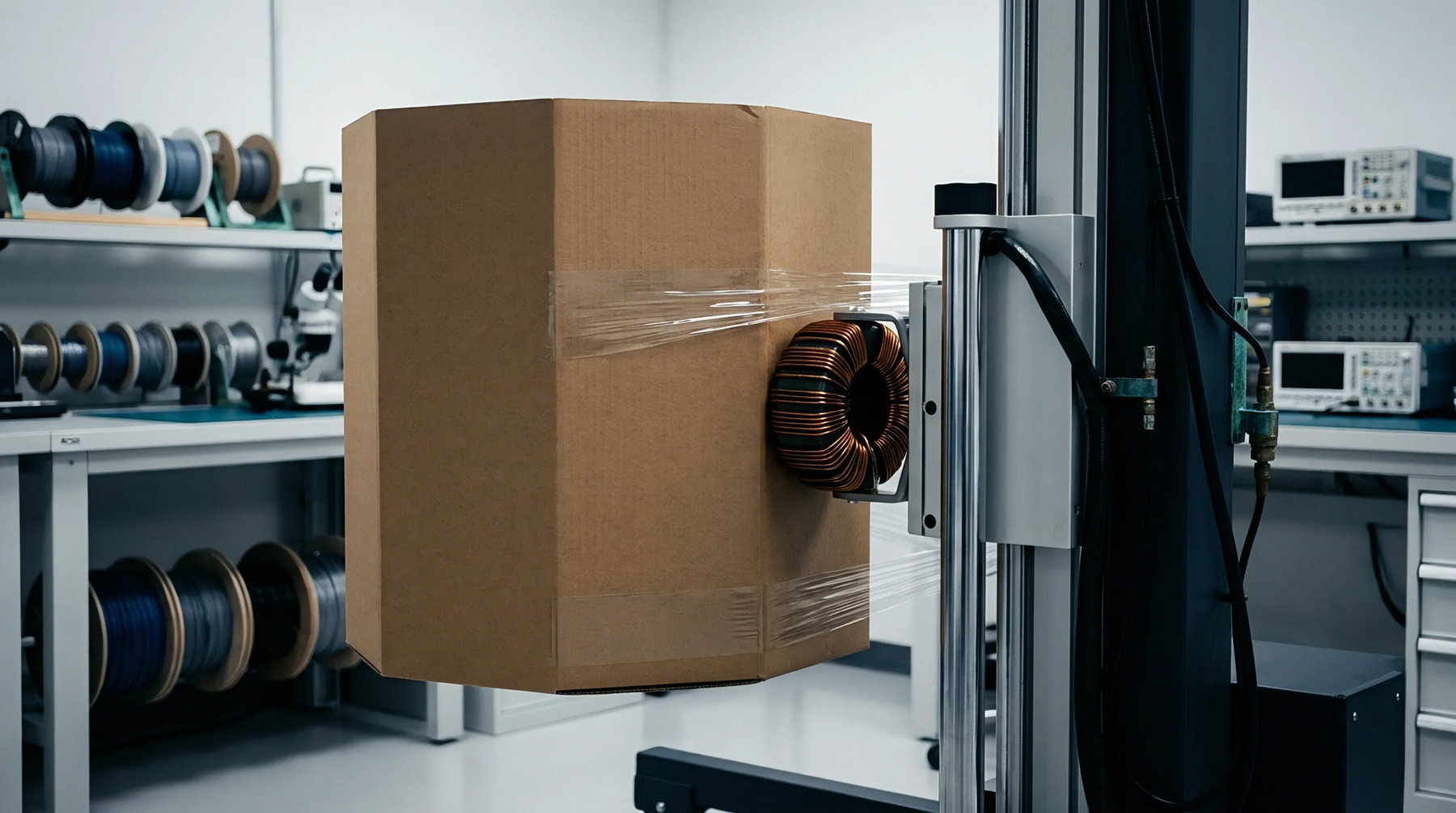
SRRC approval for dual-band radios demands locked firmware power tables, local agent coordination, and strict host radiated spur compliance to avoid re-test delays.
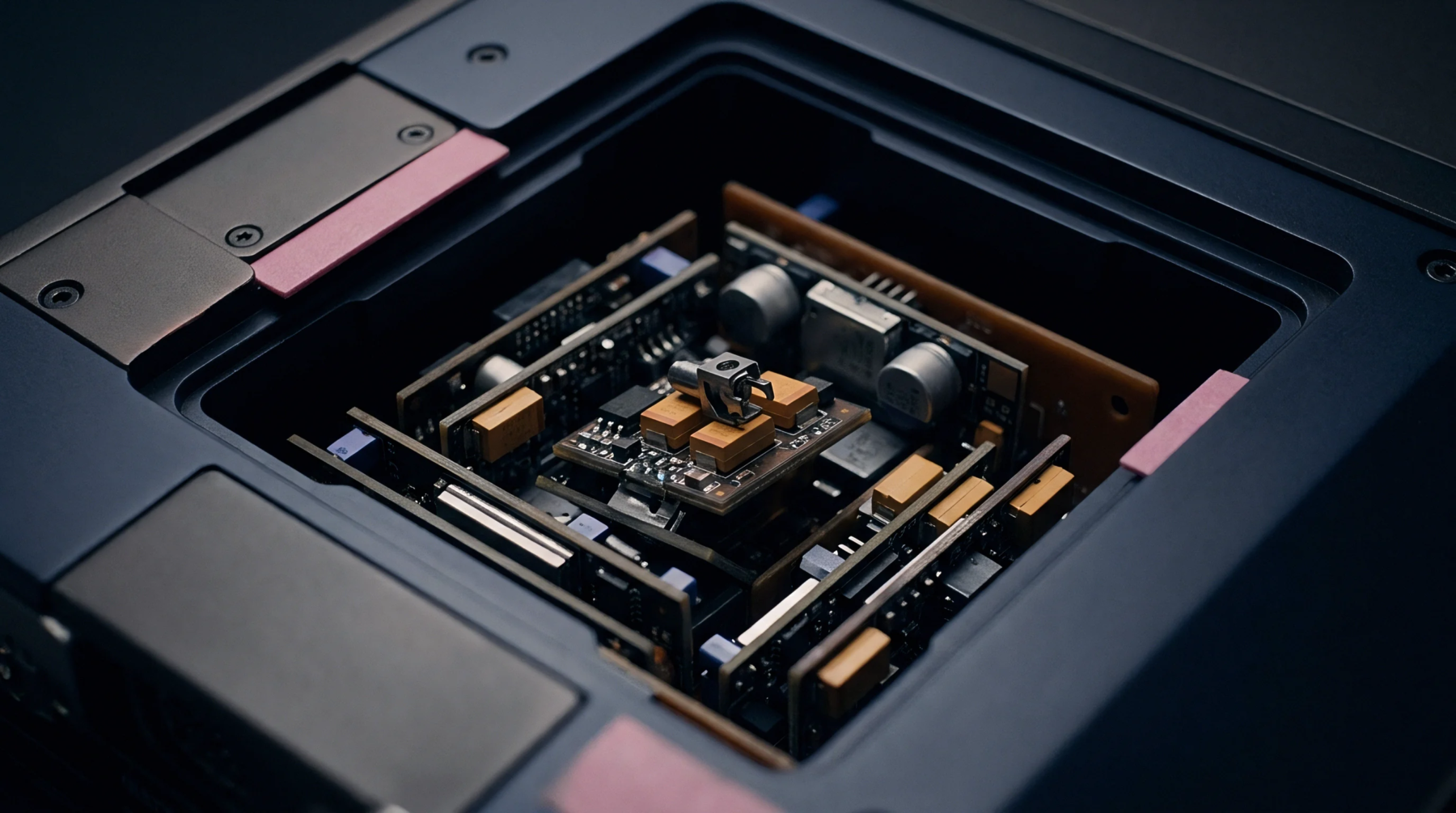
Obtaining SRRC type approval requires accredited domestic laboratory testing, valid in-country agency representation, and strict RF emission compliance.

Modifying host enclosures or antenna gains triggers mandatory KC partial re-testing under South Korean RRA rules to avoid border holds and grant revocation.

RRA compliance demands exact technical track matching, accredited RF and EMC testing, local representative holdings, and correct KC mark layout.
Cross-border white-label radio sourcing requires contractually binding Class II Permissive Change filing rights and strict regulatory indemnity provisions.

Grantee authorization letters legally permit host integrators to reuse module test data, preventing expensive re-testing and customs import rejections.
Section 2933 filings transfer FCC equipment authorization to a new grantee code without retesting, provided hardware and circuitry remain unchanged.

Resolving multi-radio intermodulation spur failures requires board-level filtering, 20 dB antenna isolation, and verified Class II permissive change filings.

Polymeric enclosure dielectric constant shifts alter near-field coupling and aperture resonance, detuning antennas and pushing radiated spurious emission harmonics across regulatory pass limits.

Administrative ownership disputes for radio approvals resolve without laboratory re-testing by leveraging factory test data rights and regulatory agency transfer deeds.
Foreign radio manufacturers avoid South Korean customs lockouts by filing RRA conformity applications under their own corporate name rather than a distributor.

Host integration of approved radio modules requires strict permissive change assessment and tailored dossier compilation to preserve regulatory market access.
Resolving near field coupling demands tight ground via fencing, solid reference planes, shielded inductors, and continuous enclosure gasket compression.
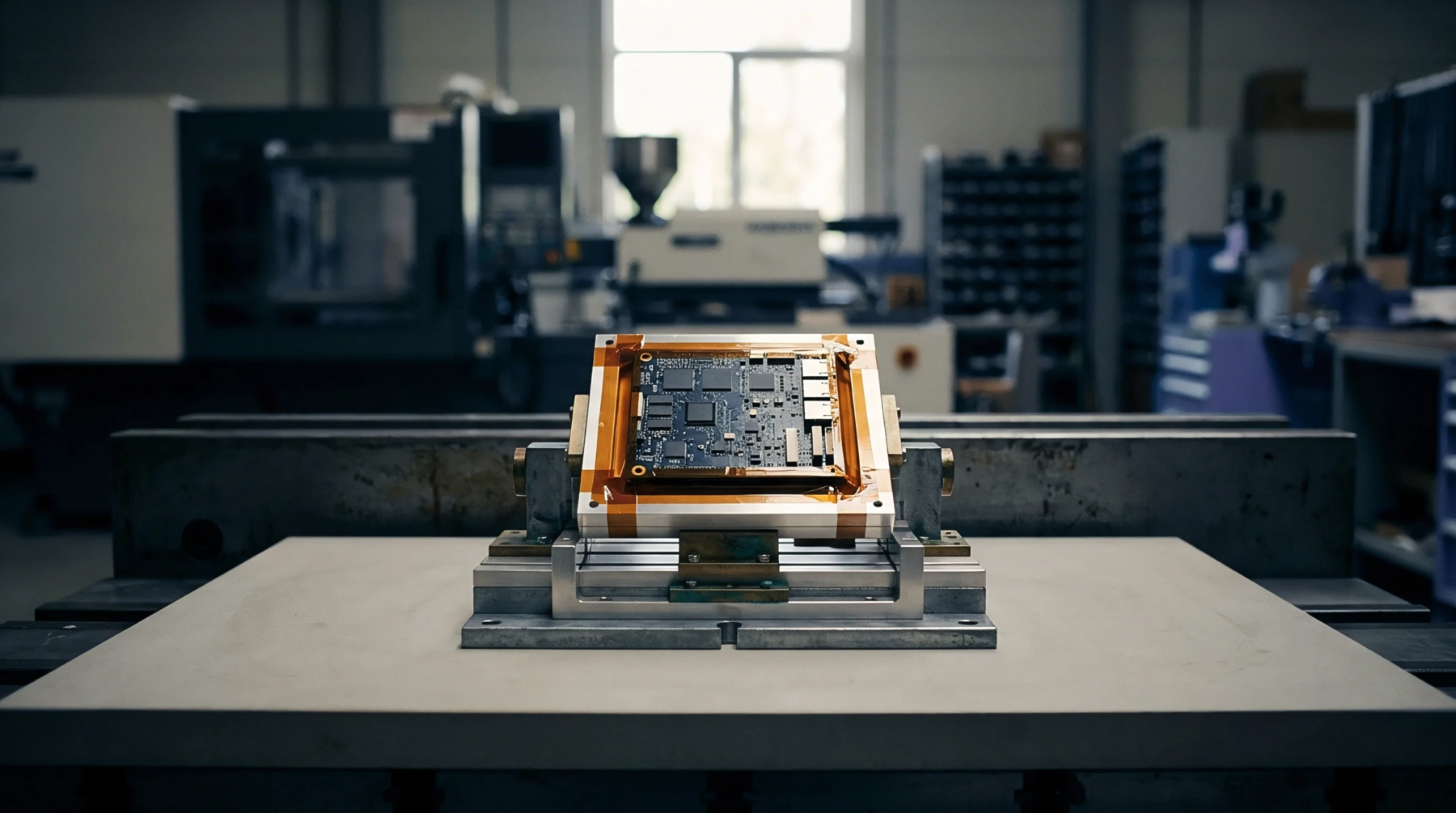
Host enclosure and trace modifications alter modular transmitter emissions, making radiated evaluation and permissive change filings mandatory for market entry.
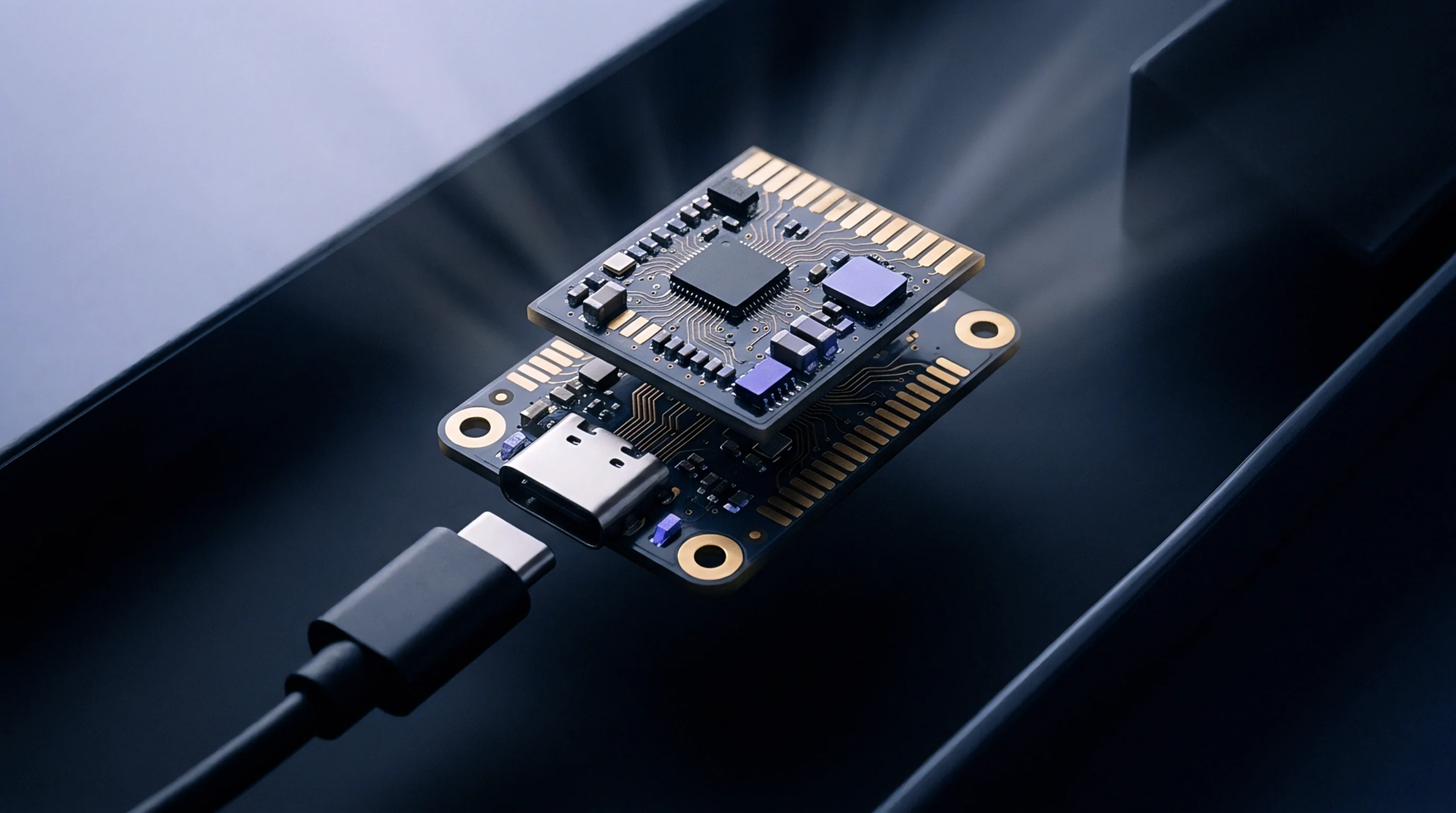
Dielectric loss tangent degradation in high-frequency fluoropolymer substrates accelerates insertion loss, reducing radiated EIRP and risking regulatory filings.

Regulatory approval delays in Southeast Asian telecom markets erode margins through inventory holding costs, local re-testing, demurrage, and market obsolescence.
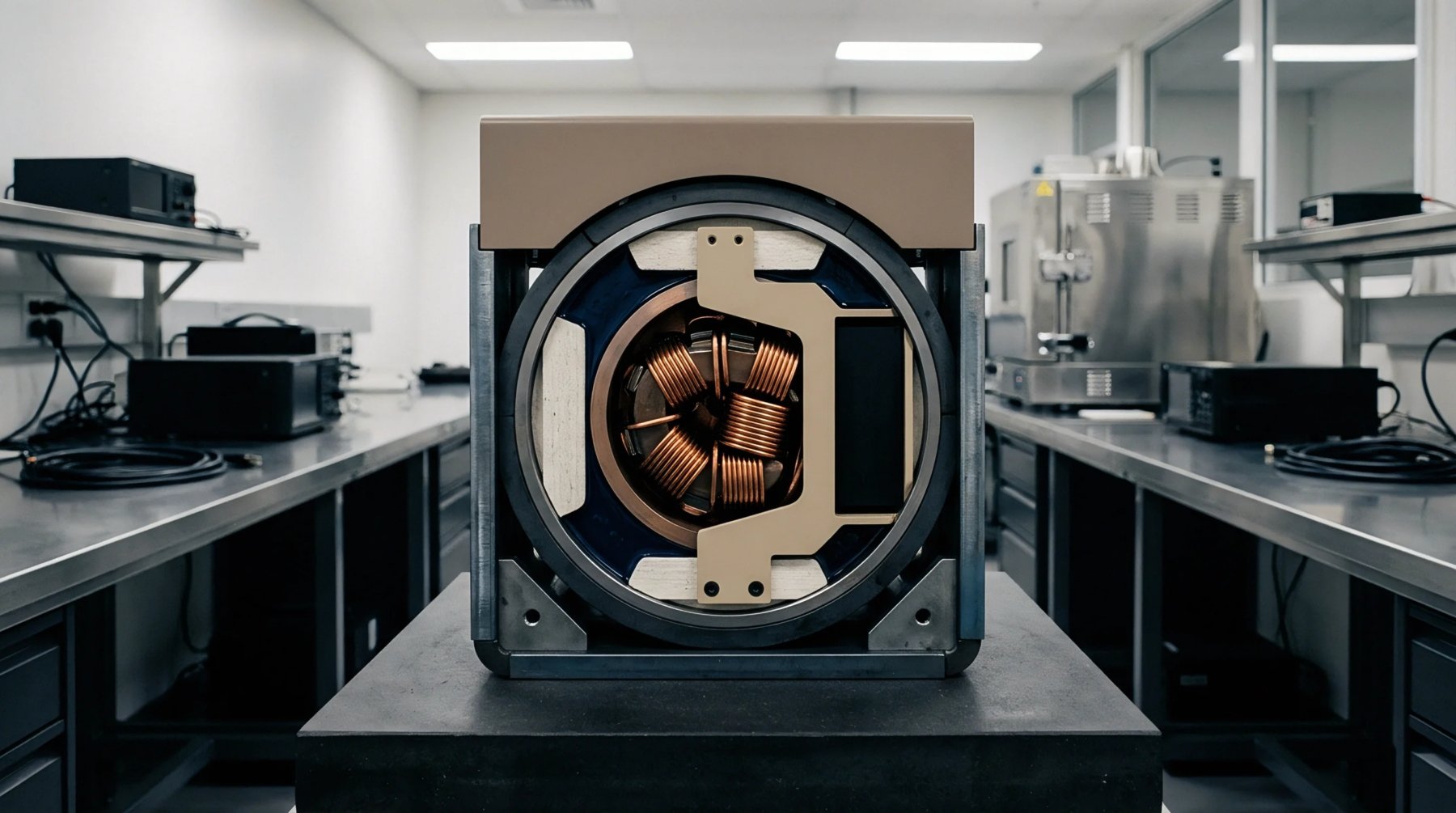
Metallic host enclosures alter RF emissions, turning module changes into Class II Permissive filings costing 6000 to 20000 USD over four to eight weeks.

Electronic labeling eliminates physical marking on the chassis only when menu paths take under four clicks and packaging carries complete transit identifiers.
Expertise is a utility, not a secret. sentiention™ publishes its working knowledge as open reference: intelligence layer covering the materials it sources, the markets it enters, and the reference that serves both.