
Quantifying Polymer Dielectric Loss at Millimeter Wave Radar Frequencies
Dielectric loss quantification at 77 GHz demands Fabry-Perot resonator testing to prevent radome signal attenuation and regulatory EIRP filing failures.
Dielectric loss quantification at 77 GHz demands Fabry-Perot resonator testing to prevent radome signal attenuation and regulatory EIRP filing failures.

Dynamic reserve models weight empirical lab failure rates and schedule downtime penalties across target export regimes to price true host radio approval risk.

Radio measurement uncertainty differences across accredited labs require mandatory 6 dB design guardbands to prevent market surveillance failures.

A unified radio test plan executed in accredited chambers minimizes duplicate scans, reduces retest risks, and opens multi-market regulatory approval streams.

Quantifying mmWave radiated spurious uncertainty expansion factors converts raw measurement deviations into defensible ninety-five percent compliance margins.

Modifying modular antennas triggers FCC Class II Permissive Changes whenever gain, radiator type, or host SAR conditions alter baseline RF compliance.

CE module approvals do not cover host integration; host manufacturers must execute physical delta testing and compile a full RED Technical File.

Matching dielectric change limits across FCC, ETSI, and MIC avoids regulatory re-filing traps when modifying encapsulated radio potting compounds.

Class Two Permissive Changes are triggered when physical, antenna, or firmware modifications alter RF emissions or RF exposure without exceeding original grant limits.

Modular radio updates split into minor Class I file updates and major Class II filings based on measured shifts in radiated power, emissions, and frequency bands.

Hardware encryption power spikes trigger regulatory test failures, extending logistics label type approval timelines by eight to fourteen weeks across global markets.

Hardware root of trust integration requires active bus testing and targeted permissive change filings to preserve modular radio compliance across global markets.

Selecting secure hardware for off-grid tags requires balancing cryptographic active bursts against primary cell passivation and radiated spurious emission limits.
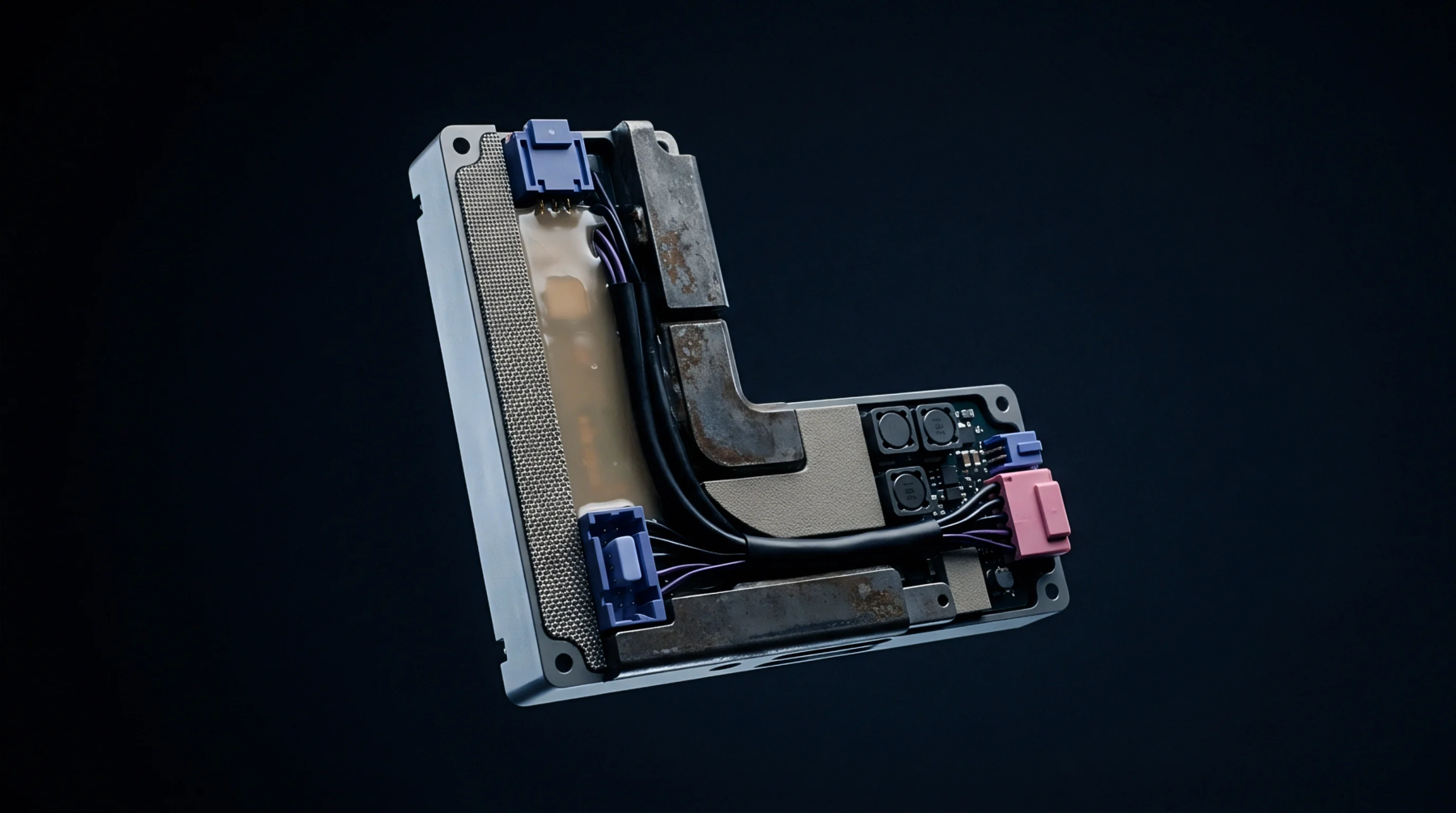
Internal metallic cavity modes coupling into co-located sub-6GHz radios create desense and spurious failures controllable by absorber placement and enclosure sizing.

Radiated spurious emissions in multi-radio designs demand aggressive board-level isolation and predictive intermodulation filtering to secure market approvals.

Unbroken ground planes beneath RF traces and tight stitching via spacing eliminate parasitic slot radiation and prevent costly regulatory chamber retests.

Dynamic near-field reconstruction requires real-time dielectric telemetry to prevent false spatial peak absorption errors during regulatory SAR certification scans.

Validate dynamic power backoff algorithms using sub-millisecond conducted power logging alongside spatial field scans to pass regulatory pre-approval audits.
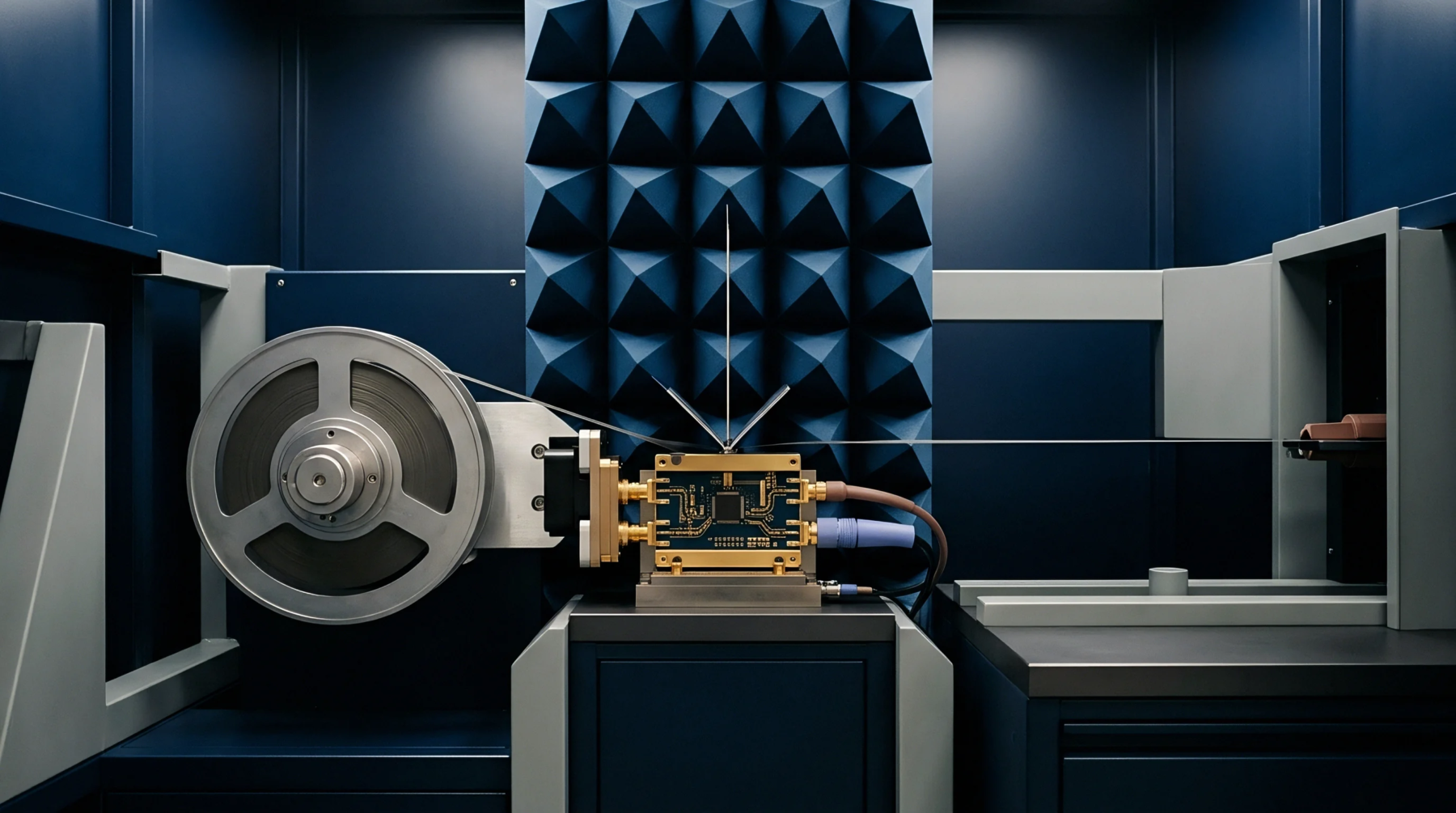
Proximity loading detunes phased arrays and distorts beam shapes, requiring near-field spatial power density mapping to maintain regulatory exposure limits.
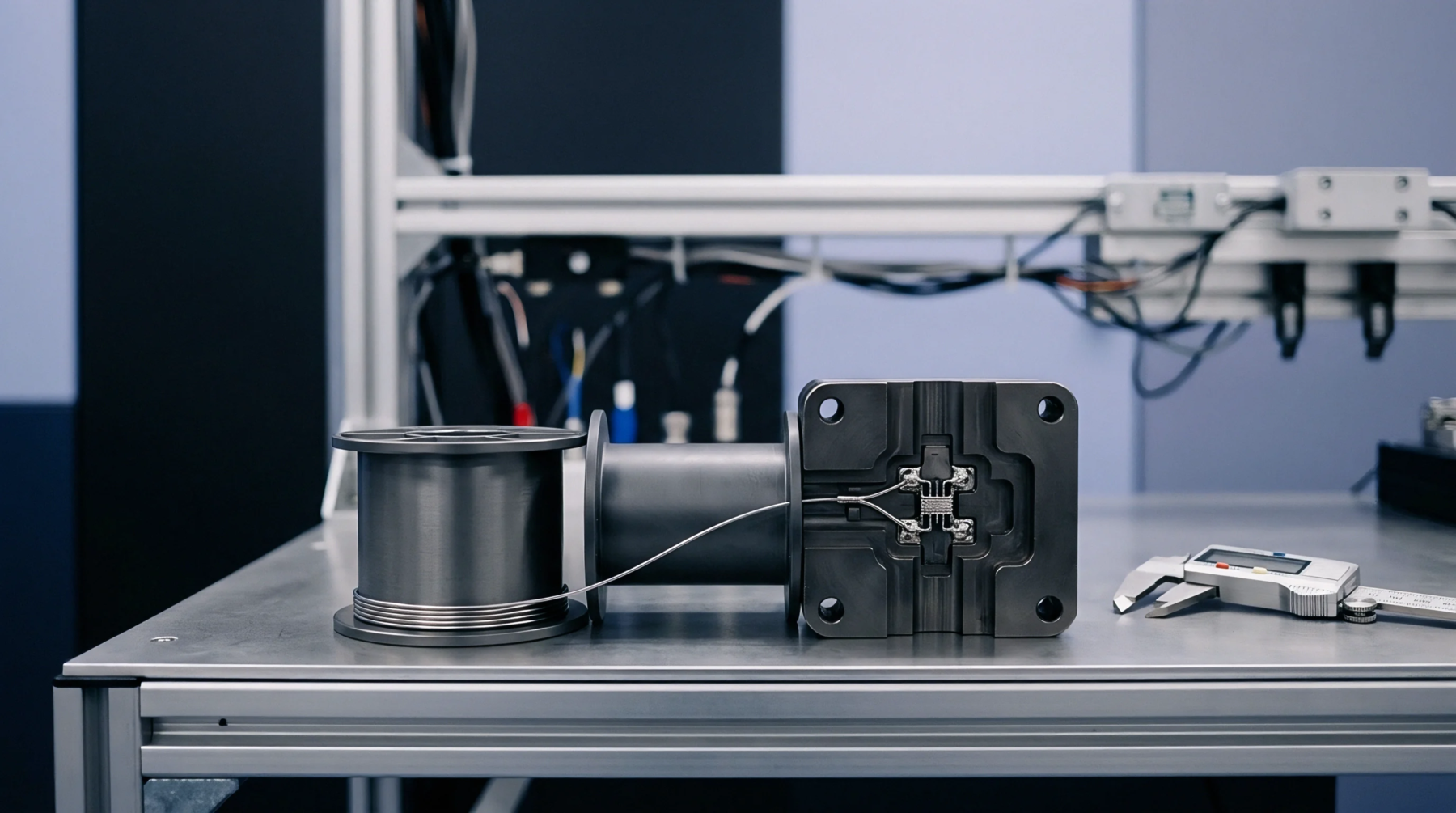
Harmonizing millimeter-wave power density approvals requires calibrating dual-plane near-field scans to regional spatial averaging rules and uncertainty budgets.
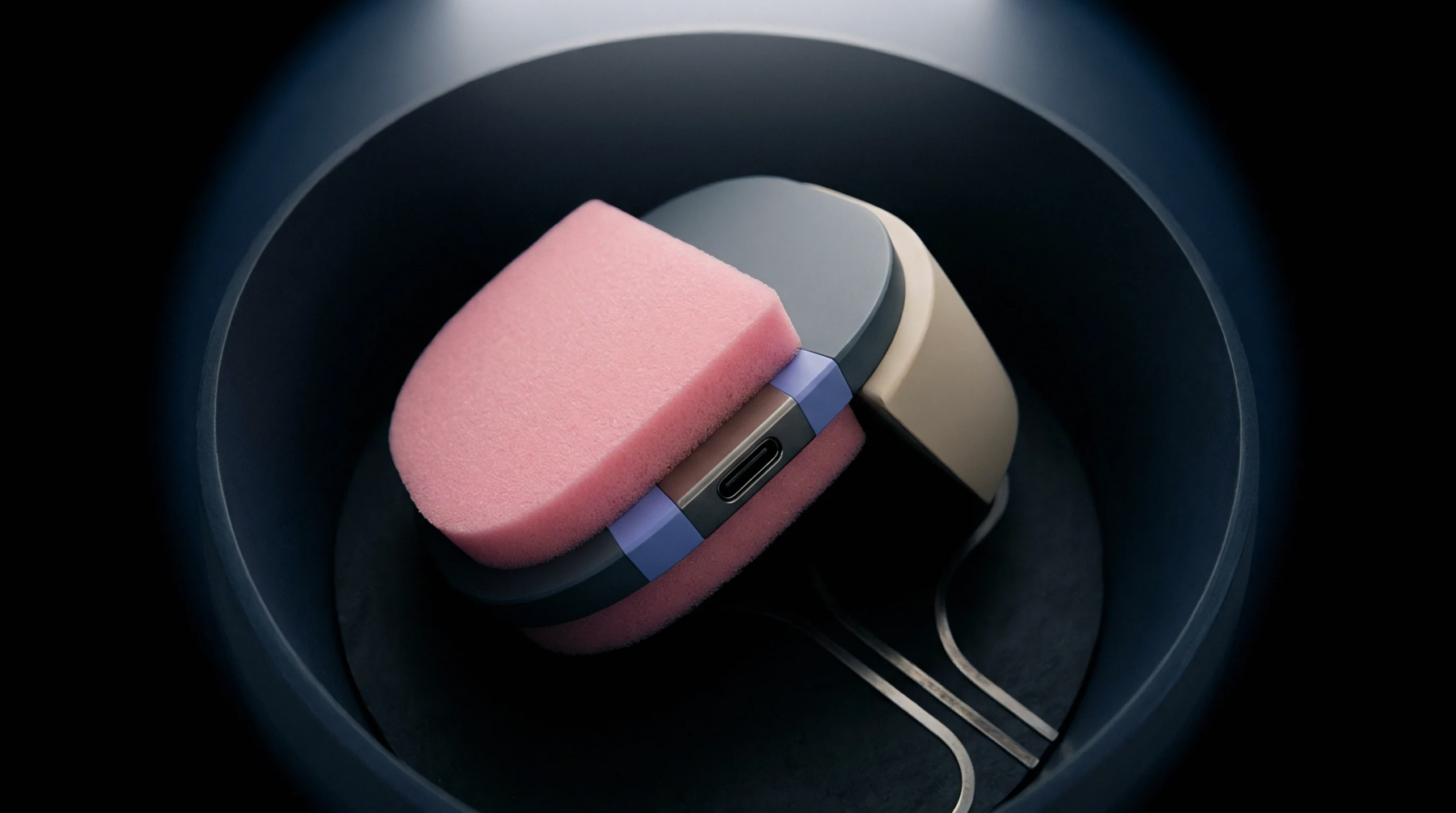
Dynamic power averaging firmware files demand cryptographically locked parameter tables, dynamic bench validation, and regional window alignment for type approval.
Expertise is a utility, not a secret. sentiention™ publishes its working knowledge as open reference: intelligence layer covering the materials it sources, the markets it enters, and the reference that serves both.