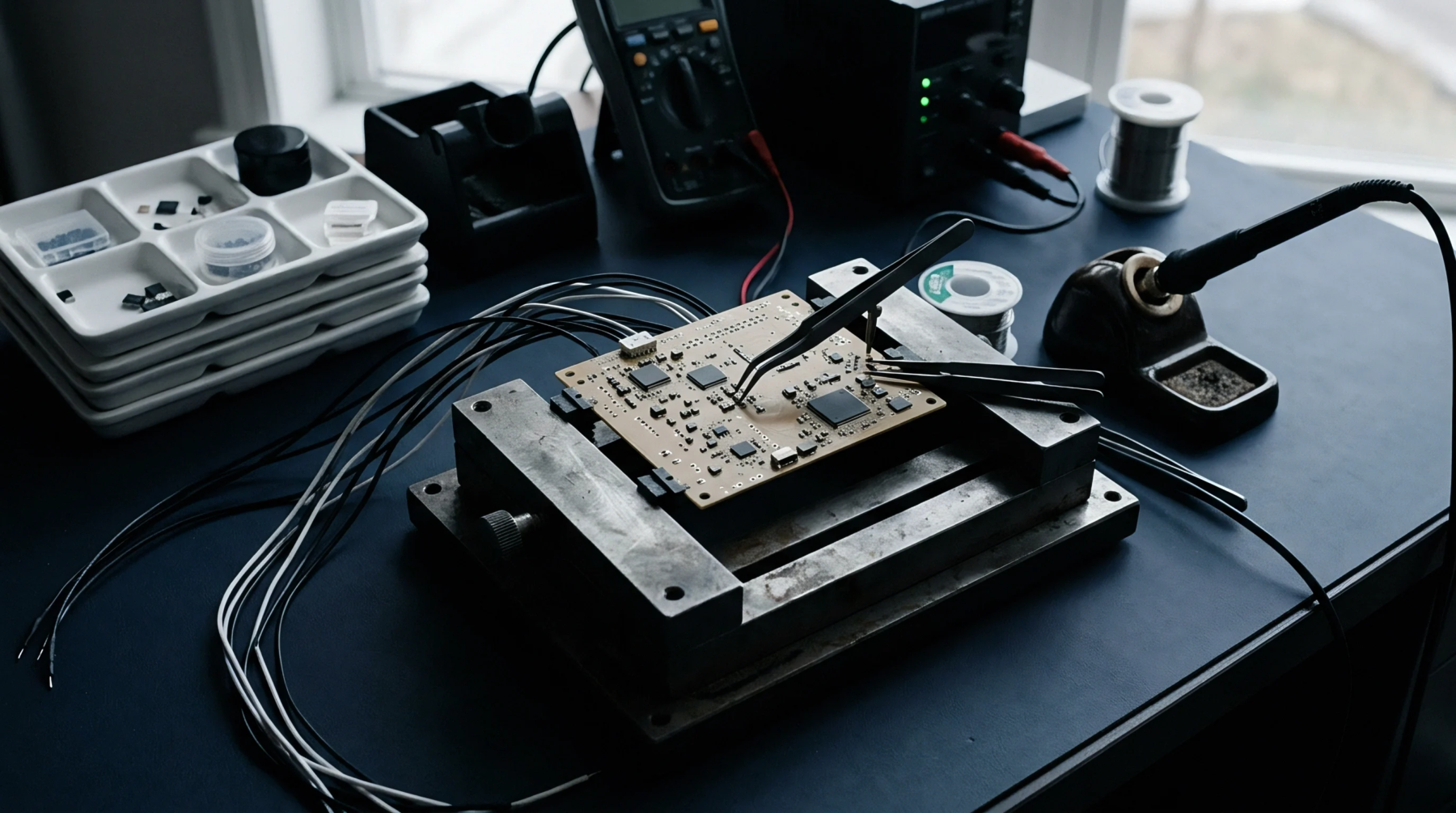
Managing Permissive Change Filings for Embedded Host Antenna Trace Layouts
Managing embedded host antenna trace changes requires strict adherence to modular grant layout guides or filing a Class II Permissive Change with chamber data.
Managing embedded host antenna trace changes requires strict adherence to modular grant layout guides or filing a Class II Permissive Change with chamber data.

FCC modular grants transfer transmitter compliance to host systems only when all shielding, regulation, antenna gain, and exposure rules are met.

Spatial undersampling above 18 GHz creates 6 dB errors, requiring sub-three-degree test steps and 8 dB design guard bands to ensure market compliance.

High power radio transmitter harmonic suppression combines active stage symmetry, reactive notch traps, and absorptive diplexers to clear regulatory emission limits.

Radiated emission pre-scans identify hardware design flaws and ensure compliance margins before expensive formal qualification testing.

Dynamic housing seam deflection modulates contact resistance to generate radiated spurious mixing products that breach statutory limits under vibration.

Harmonic traps suppress cellular spurious emissions to protect co-located Wi-Fi receivers and prevent laboratory retests that delay market filings.

Verify unredacted ISO 17025 test dossiers, local band compatibility, and vendor test-firmware support before purchase to avoid border seizures.

Mitigating enclosure passive intermodulation requires non-magnetic interfaces, high joint clamping pressures, and strict component plating to safeguard receiver noise floors.

Modular radio approvals fail to transfer automatically to host systems across ASEAN markets, requiring dedicated host testing, local agents, and distinct filings.

Southeast Asian radio approvals require fragmented local filings, mandatory in-country testing, and authorized local representation across each trade channel.

Reconciling radiated spurious discrepancies requires isolating setup mechanics, chamber reflection delta, and antenna calibration offsets under bilateral pacts.

Cross-border radio approvals require isolating regional gaps between European receiver-centric standards and North American transmitter-focused filing grants.
Mutual recognition frameworks eliminate redundant overseas radio testing by allowing accredited domestic bodies to issue valid destination market authorizations.
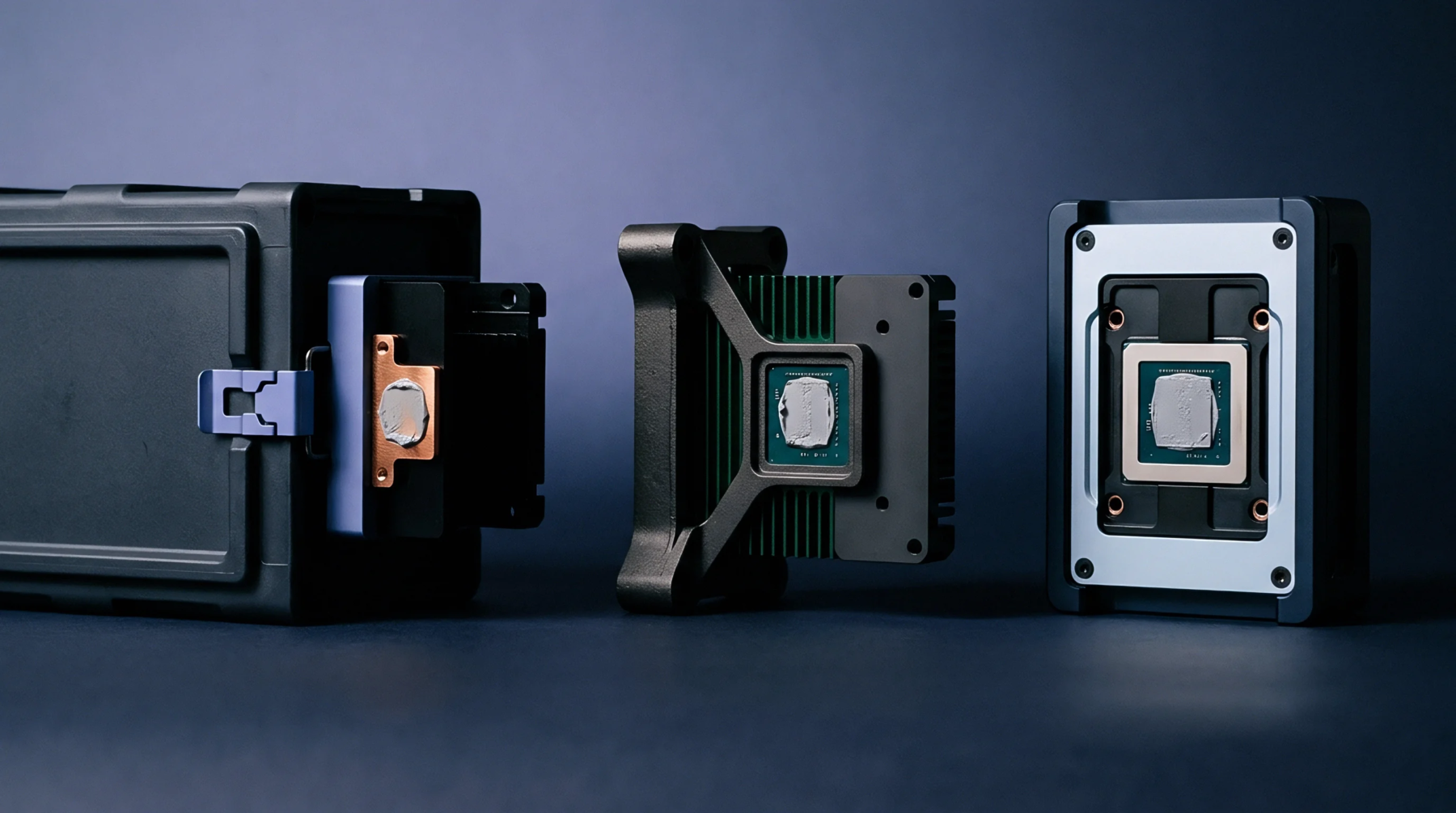
Cross-border radio clearance requires aligning host antenna gains and trace layouts with modular grant limits to avoid entry holds and permissive changes.

Radio assembly classification turns on standalone RF transmission capability while dutiable valuation requires full reconciliation of offshore assists.

Verifying tariff line data against regulatory agency records before customs filing prevents shipment holds and bond forfeiture.
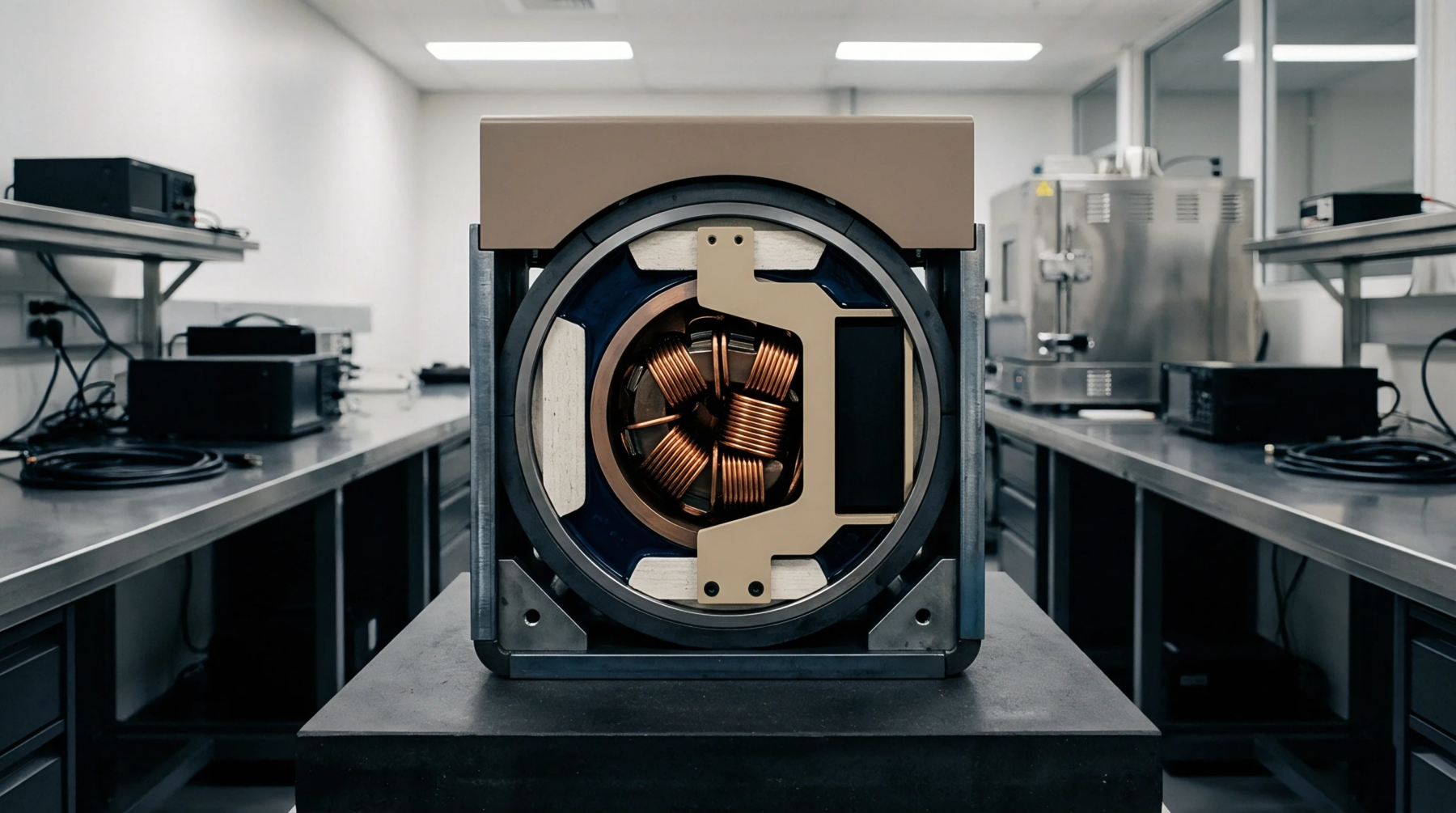
Adaptive boundary regularization prevents spurious spectral growth in overmoded enclosures, securing repeatable electromagnetic test data before lab filing.

Transfer matrix inversion synthesizes compliant immunity fields inside unlined enclosures but carries severe certification and retest risks during audit.

Imperfect shielded enclosures achieve field uniformity when probe grid calibrations account for boundary absorption and seam leakage across test frequencies.

Exclusion of simultaneous wearable SAR requires summing individual link ratios below unity under KDB 447498 D04 using maximum factory tune-up power limits.

Metallic host enclosures induce cavity resonances and seam radiation, turning modular radios into compliance risks requiring co-location and emission scans.
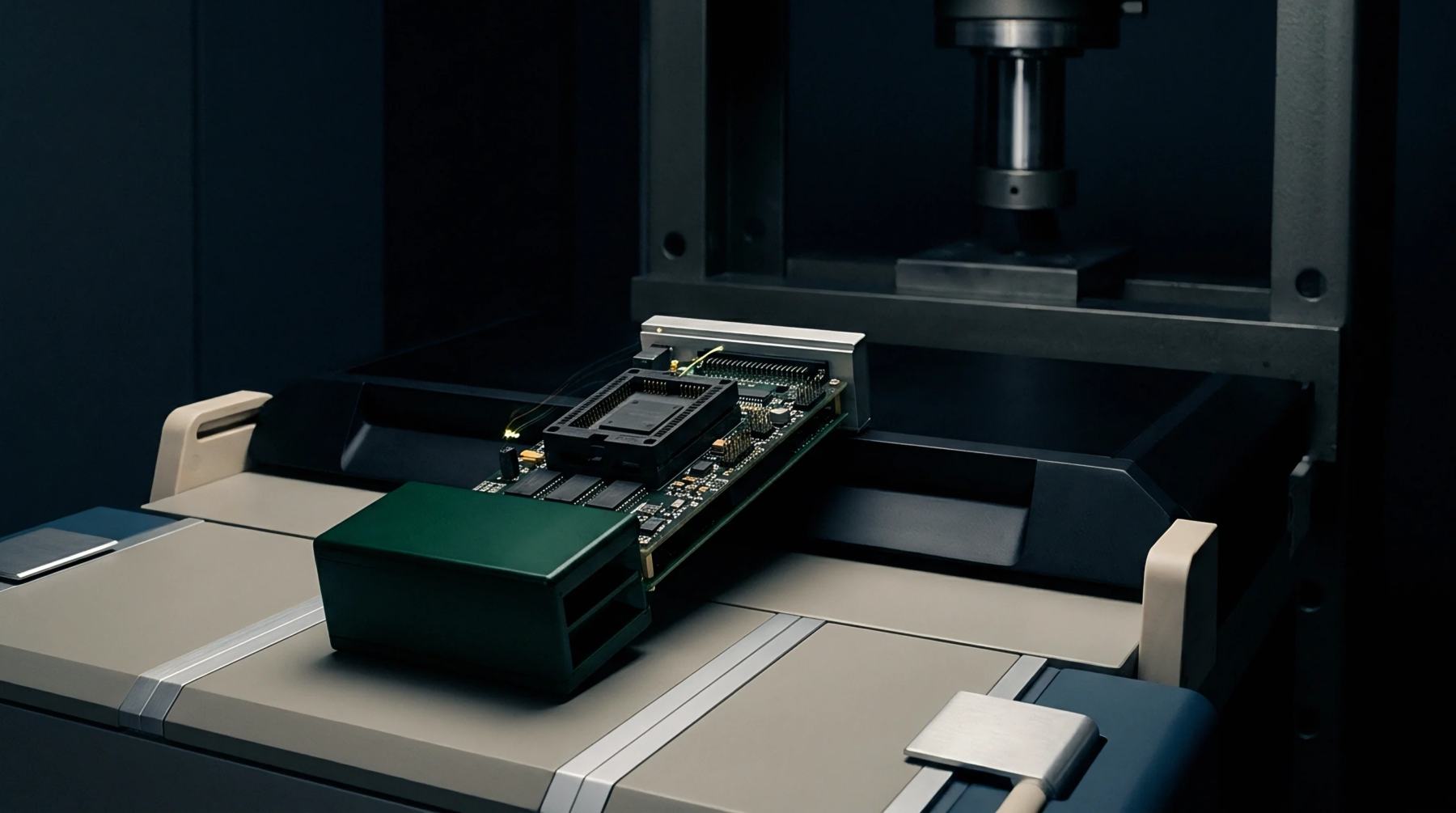
Host modular envelope boundaries end where layout traces, enclosure clearances, or SAR margins deviate from original certification integration instructions.

Unshielded wireless modules legally void standard modular approvals, transferring all radiated compliance liability and certification costs to the host integrator.

Co-located wireless modules require permissive change filings whenever intermodulation exceeds Part 15.209 limits or portable SAR separation falls under 20 cm.

Modular radio certifications cover standalone transceivers; host integrators retain full legal liability for combined unintentional emissions and SAR limits.
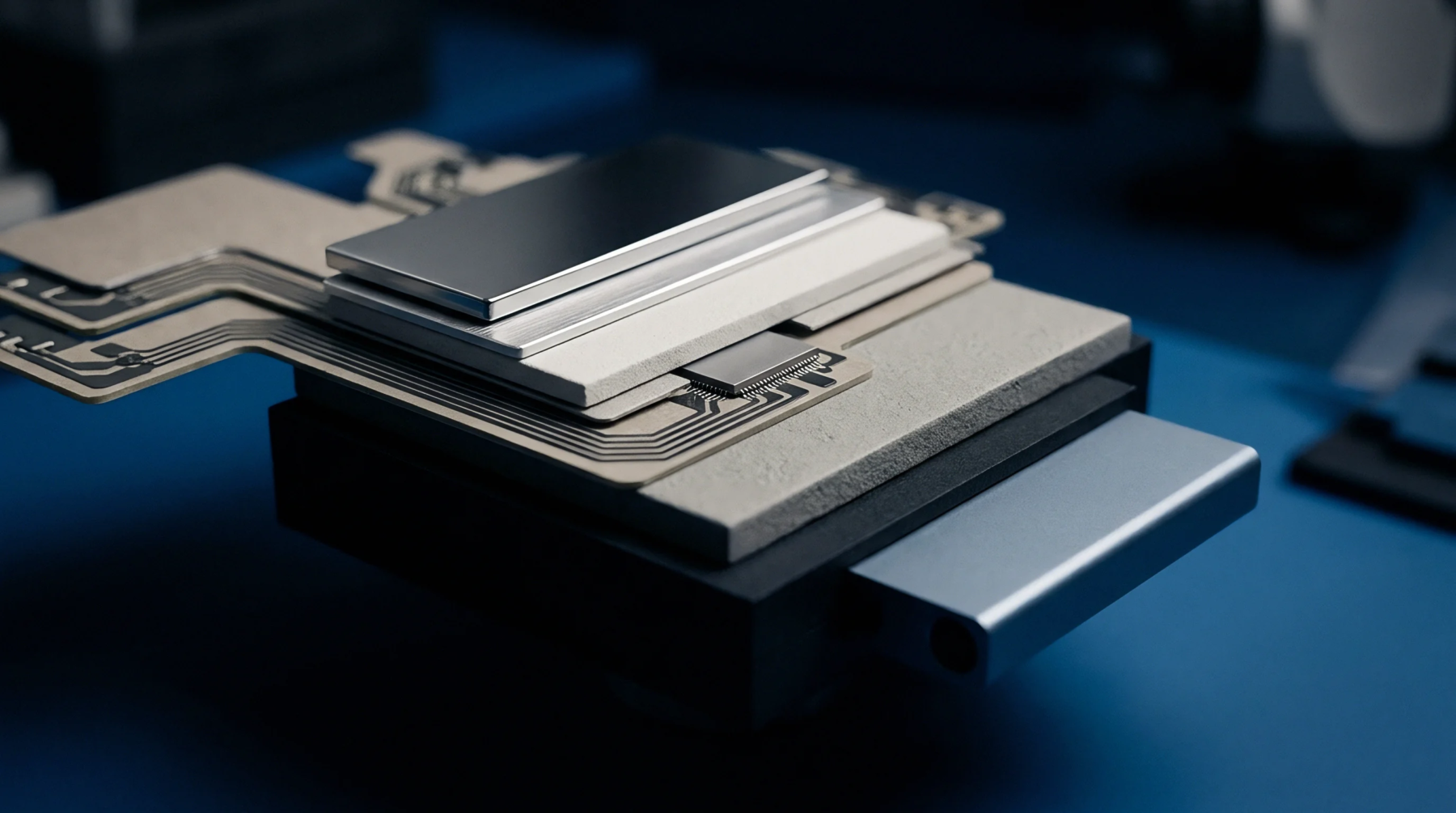
Substrate permittivity drift pulls 77 GHz automotive radar frequencies out of statutory bands, invalidating grants and forcing costly laboratory re-filings.

Laminate swaps in 77 GHz radar change EIRP and pattern directivity, requiring Class II permissive filings if power rises or spurious emission profiles degrade.

Dielectric variation in automotive fascias degrades radar beam coherence and risks regulatory non-compliance under FCC and ETSI type approval rules.

Characterizing thermal dielectric relaxation in anisotropic W band polymers prevents beam squint and out-of-band emissions during regulatory approvals.
Expertise is a utility, not a secret. sentiention™ publishes its working knowledge as open reference: intelligence layer covering the materials it sources, the markets it enters, and the reference that serves both.