
Managing Multi-Market Radio Frequency Exposure Filings for Handheld Transceivers
Handheld exposure filings demand unified 1g and 10g spatial SAR test plans, tight proximity sensor power backoff logic, and deterministic firmware controls.
Handheld exposure filings demand unified 1g and 10g spatial SAR test plans, tight proximity sensor power backoff logic, and deterministic firmware controls.

Dual-function wireless assemblies require precise Harmonized System classification and synchronized telecommunications filings to prevent customs border holds.

Coordinating multi-radio permissive changes requires early intermodulation scanning, proactive grant transfers, and simultaneous SAR sum calculations before filing.

System in Package transceiver tariff classification depends strictly on internal substrate construction and passive component integration under Chapter 85 notes.

Applying spatial transfer matrices reconciles compact chamber field non-uniformities, eliminating 12 dB pre-scan error margins and preventing retests.

Resolving host-integrated radiated spurious discrepancies requires systematic decoupling, strict ground continuity, and precise co-location testing.

Auditing test laboratory scopes requires matching exact standard versions, frequency limits, and regulatory recognition before filing market entry applications.

Modular radio approvals cover baseline intentional radiation but transfer host level unintentional emissions, SAR exposure, and final assembly compliance to the integrator.

Adding potting compound to an unpotted RF module demands Class II permissive change re-testing if dielectric loading increases radiated spurious emissions.

Cryptographic off-grid electronic clearance labels require hardware secure elements, offline ECC verification standards, and unified global radio approvals to prevent port delays.

W-band free-space quasi-optical permittivity extraction requires sub-micron alignment and time-domain gating to ensure polymer radomes meet global type approvals.

Modular approvals shorten filing lead times when host layouts preserve trace geometry, enforce shielding limits, and observe strict permissive change boundaries.

Temperature variations alter substrate dielectric constant at 77 GHz, causing phase velocity shifts, mainlobe beam squint, and spatial target dislocations.

Host integrators must verify radiated emissions and RF exposure compliance for the complete assembly because modular radio grants do not cover host coupling.

Limited modular approvals legally bind host PCB layout, enclosure shielding, and power regulation to the exact conditions stated in the grantee's filing notes.

Dynamic backoff algorithms optimize dense array power outputs using sliding time windows to maintain maximum throughput within time-averaged exposure limits.

Standalone SAR exclusion allows portable wireless hosts to bypass laboratory phantom testing when time-averaged power falls below frequency-scaled distance thresholds.
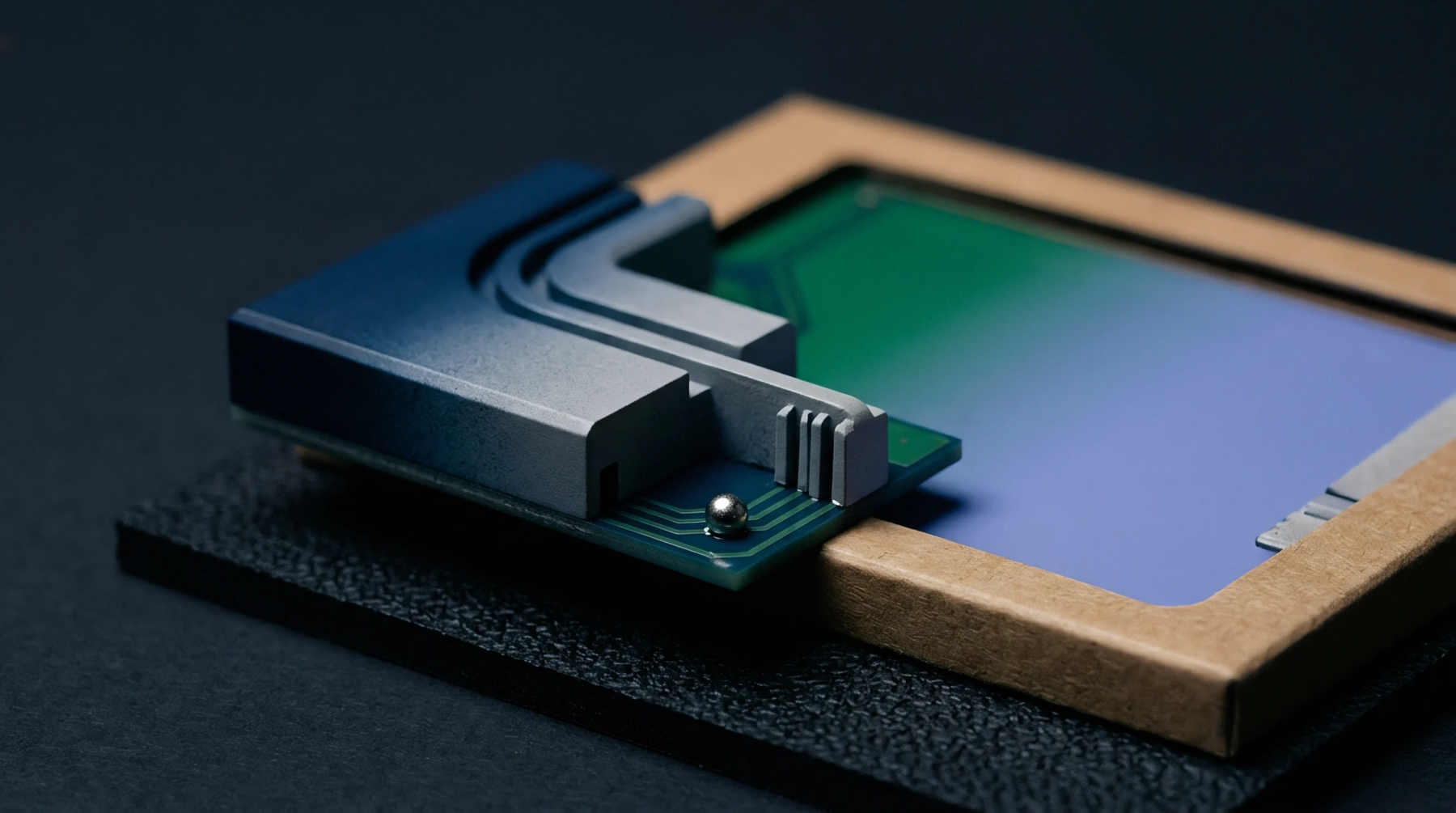
Align embedded radio hardware architecture with advance customs advance rulings to prevent costly port holds and duty adjustments under Harmonized System rules.

Radio module customs entry hinges on technical self-sufficiency under HTS 8517.62 versus component IC rules under 8542.31 to avoid import delays.
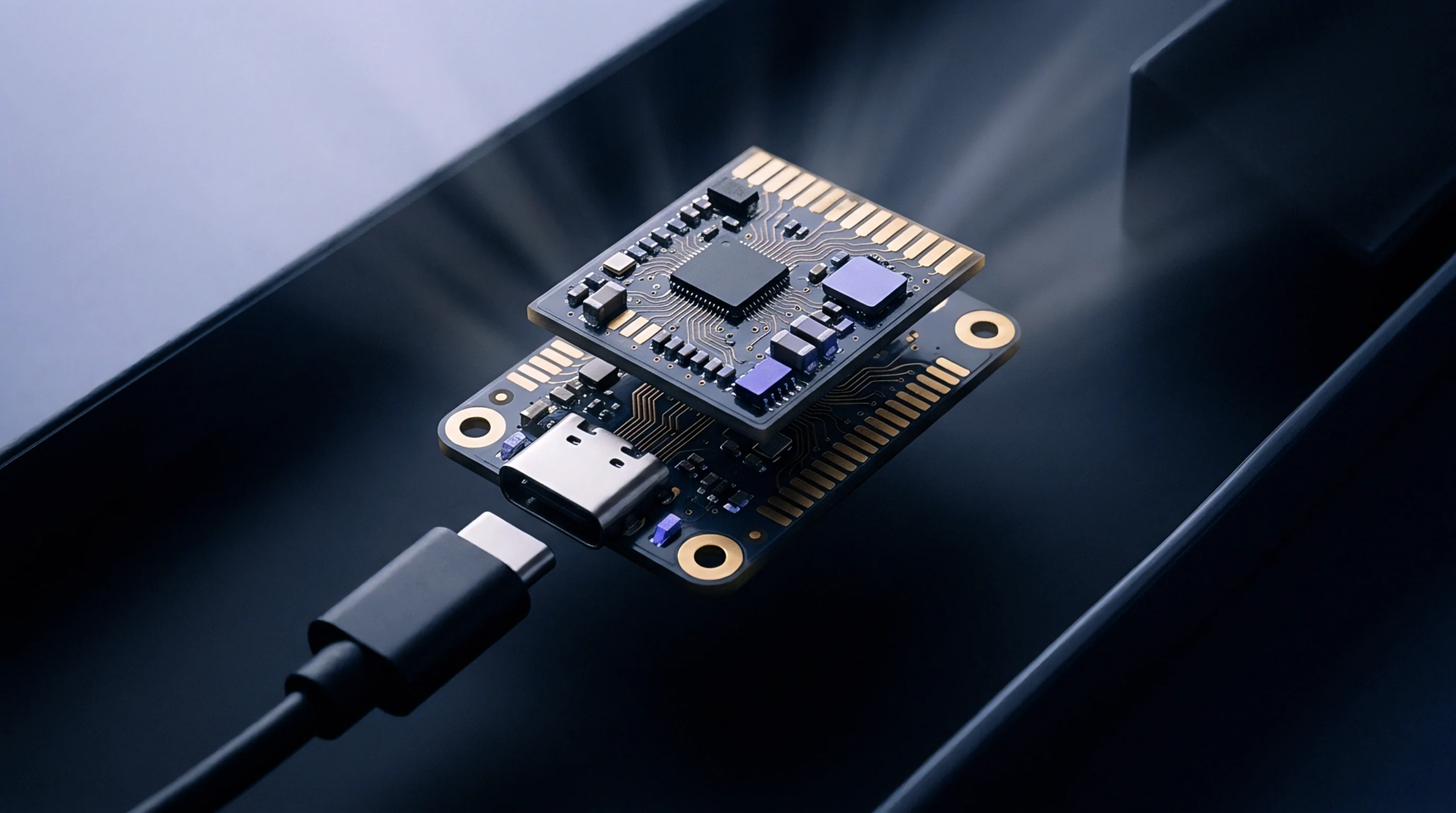
Harmonized standard presumption of conformity ends on the Official Journal cessation date, requiring updated test evidence or Notified Body type examination.

Unaccredited test reports and defective declarations expose landed shipments to immediate border detention, mandatory re-testing, and complete inventory writedowns.

Modular radio grants only protect host products when integration documentation, antenna parameters, and Class II permissive change filings match final hardware.

Direct foreign applicant registration paired with escrowed transfer forms prevents Korean distributor regulatory lockouts and eliminates supply chain holds.

Co-located portable host radios require simultaneous SAR ratio summation or dynamic backoff validation when separation distance drops below twenty centimeters.

Electronic labeling harmonizes global hardware SKUs but mandates strict 3-click offline menu access and mandatory physical outer packaging fallback labels to pass border inspections.

Harmonized System classification for embedded transceivers depends on discrete component layout, substrate type, and standalone functional identity.

Establishing a semi-anechoic quiet zone involves volumetric SVSWR calibration and field mapping to align pre-scan data with accredited certification sweeps.

Evaluating supplier test reports against EU radio standards requires verifying ISO/IEC 17025 scopes, standard versions, and host power settings.

Verify import regulatory dockets by matching model identifiers, checking ISO/IEC 17025 lab accreditations, and auditing host modular integration scope.

Host level re-testing for multi-transmitter industrial embedded devices requires evaluating simultaneous transmission intermodulation products inside a semi-anechoic chamber whenever antenna separation drops below 20 cm.
Expertise is a utility, not a secret. sentiention™ publishes its working knowledge as open reference: intelligence layer covering the materials it sources, the markets it enters, and the reference that serves both.