Accredited Radio Test Plan Execution across Multiple International Certification Regimes
A unified radio test plan executed in accredited chambers minimizes duplicate scans, reduces retest risks, and opens multi-market regulatory approval streams.
A unified radio test plan executed in accredited chambers minimizes duplicate scans, reduces retest risks, and opens multi-market regulatory approval streams.

CE module approvals do not cover host integration; host manufacturers must execute physical delta testing and compile a full RED Technical File.
Matching dielectric change limits across FCC, ETSI, and MIC avoids regulatory re-filing traps when modifying encapsulated radio potting compounds.
Dynamic power averaging firmware files demand cryptographically locked parameter tables, dynamic bench validation, and regional window alignment for type approval.

Maintain explicit grantee agency agreements and independent grant lineages to execute multi-market permissive changes when module vendors alter hardware.

Standardized field uniformity verification prevents pre-scanning errors by mapping spatial grid power profiles inside compact immunity enclosures.

Reconciling international MRA discrepancies in modular radio dossiers requires structured delta testing to satisfy regional radiated limits and CAB scopes.

Suppress colocation intermodulation spurious emissions in tight metallic enclosures by combining high-rejection PA filters with lossy magnetic cavity absorbing sheets.

Dielectric alterations to certified radio modules alter antenna impedance and radiated emissions, triggering permissive change filings across major global jurisdictions.
Securing global port radio approvals for off-grid cryptographic seals requires matching regional sub-GHz power ceilings before final host integration.

Integrating unshielded limited modules transfers regulatory compliance liability to host manufacturers, requiring Class II permissive changes and host chamber validation.

Auditing technical files during standard transition windows requires identifying technical gaps between standard versions to determine minimal mandatory retesting.
Unaccredited lab test reports require rigorous audit of calibration chains, resolution bandwidth settings, and firmware parameters to survive regulatory surveillance.
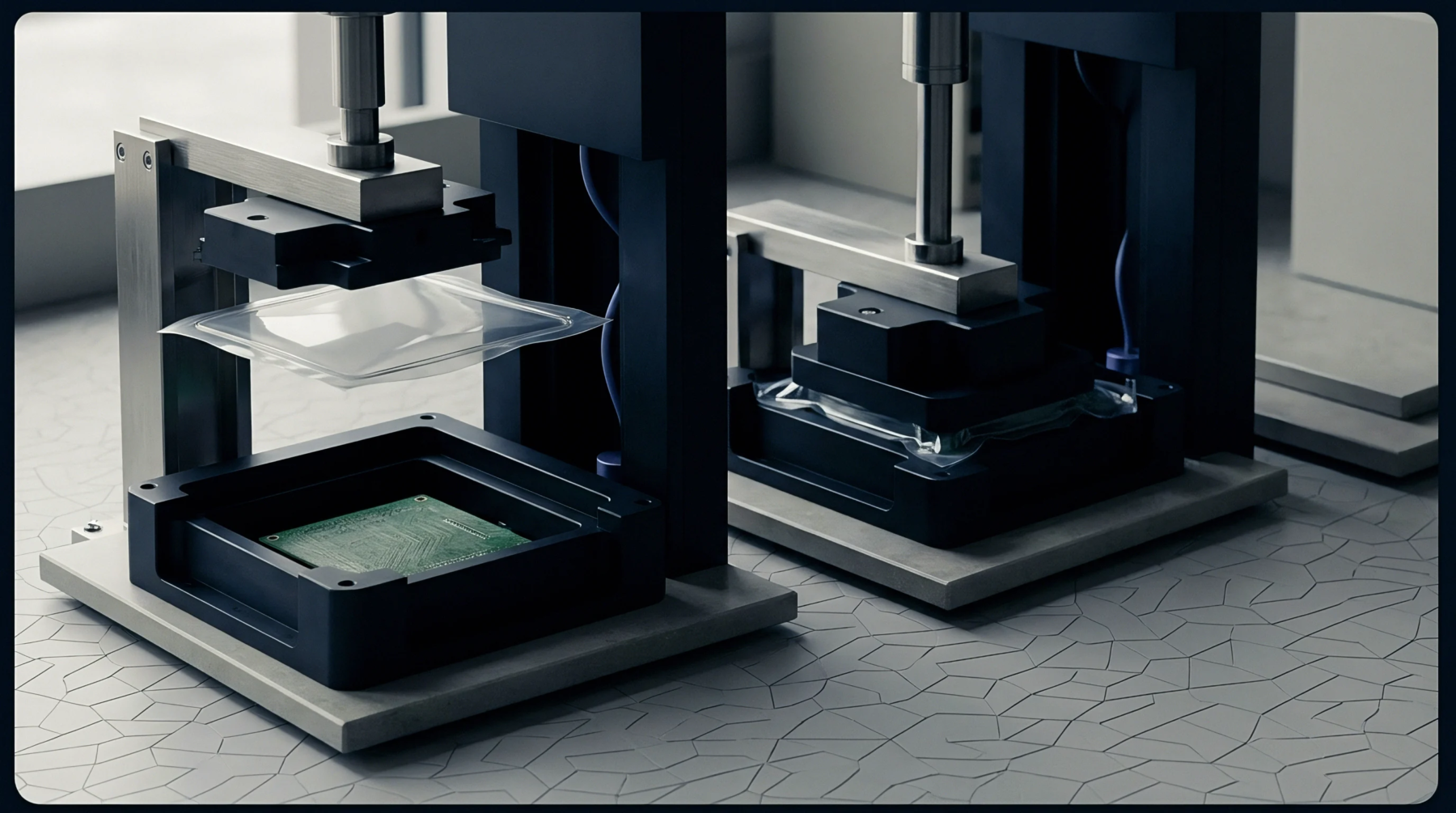
Substituted host antennas qualify for Class II Permissive Changes only when peak gain stays below certified limits and radiative physical structure remains identical.

Structure foreign radio registrations through independent representatives or direct applicant codes to prevent commercial distributors from holding regulatory lockouts.
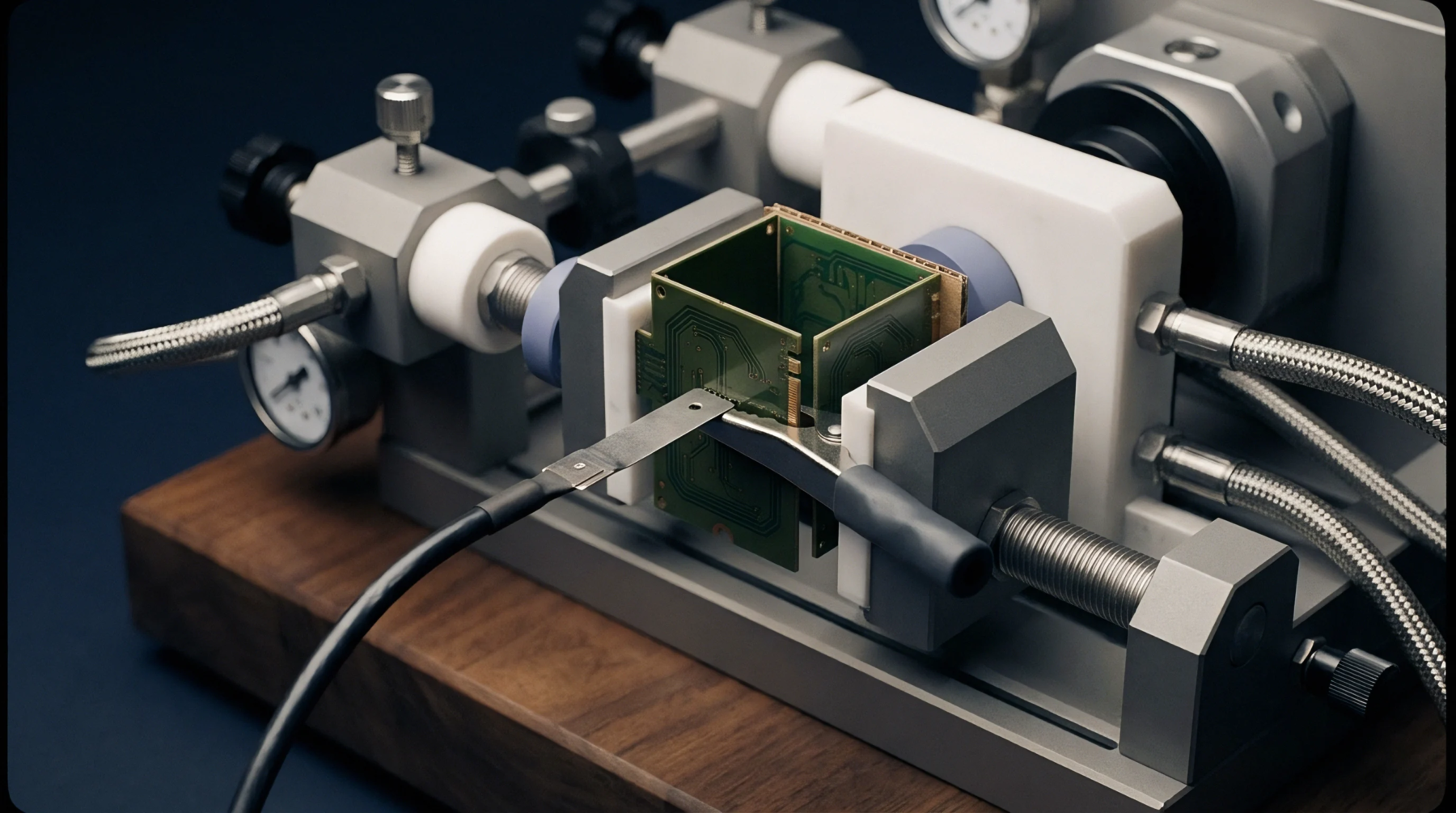
Cross-border verification requires cross-checking factory test reports against official regulatory databases before committing import capital.
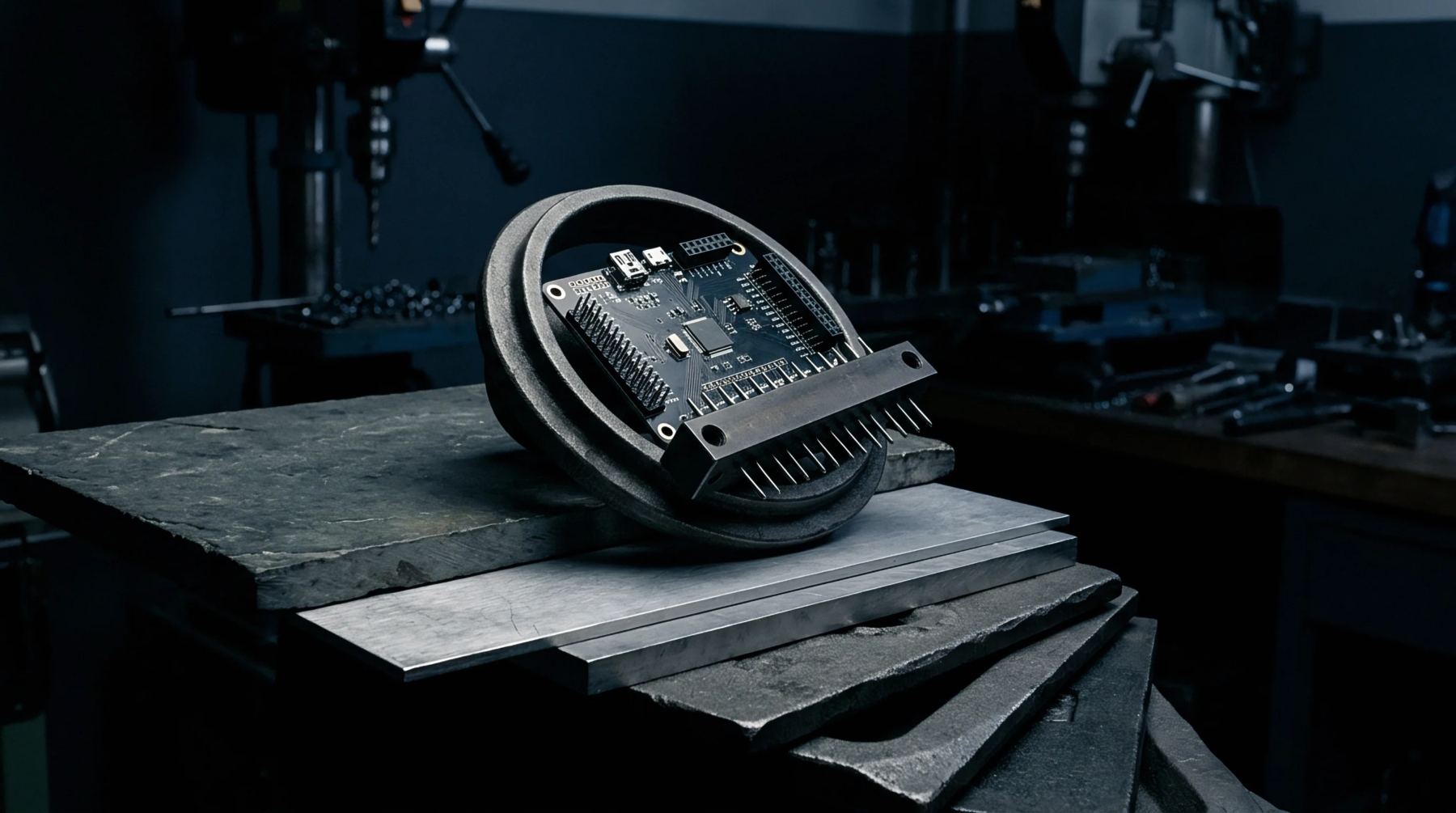
Foreign manufacturers must appoint a South Korean domestic representative to hold KC radio conformity grants and retain technical archives.

Radiated spurious scanning determines whether wireless host modifications qualify for Class I permissive status or demand Class II re-filing.
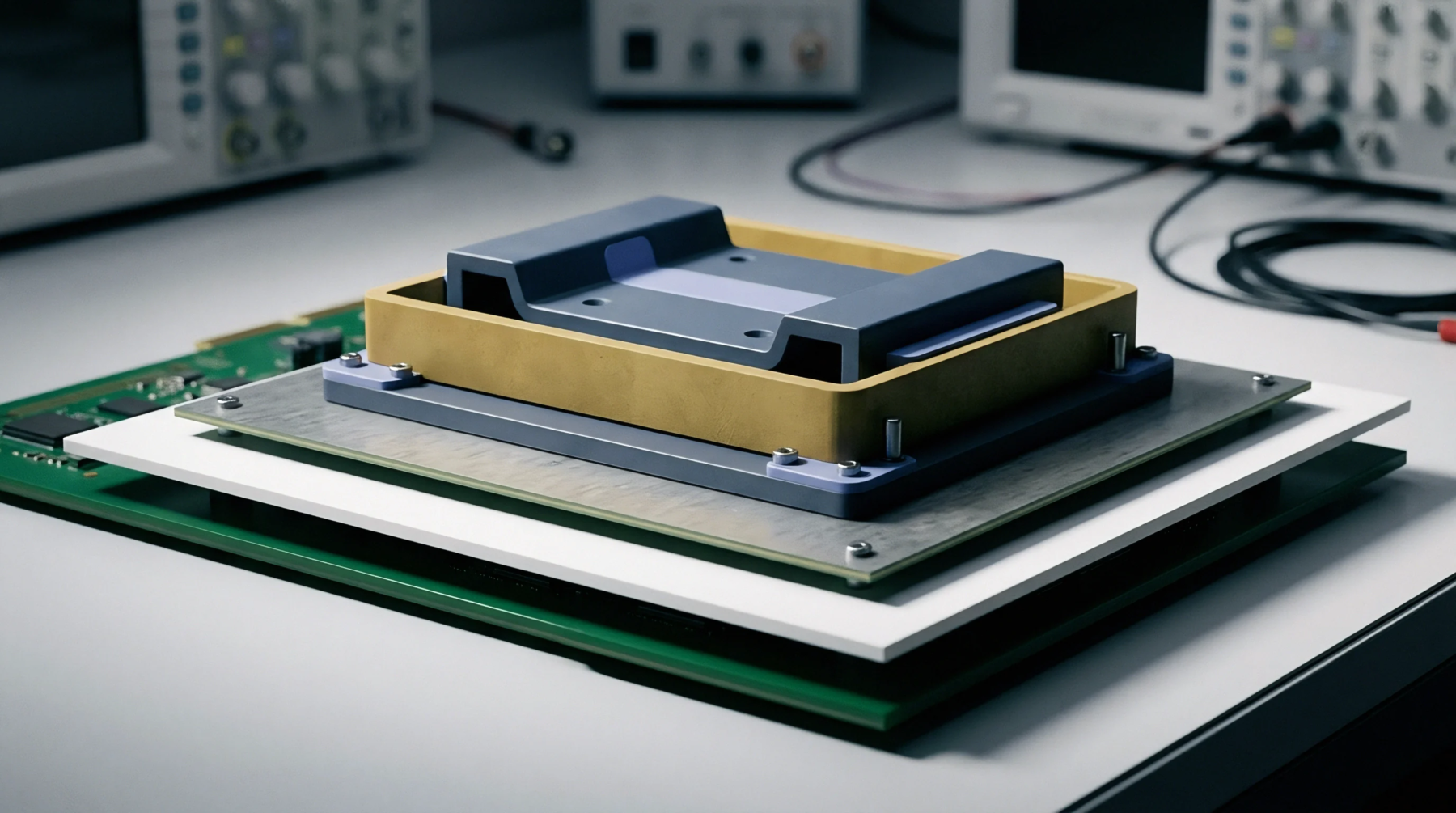
Verifying imported wireless device compliance requires cross-referencing grantee databases, matching host antenna gains, and auditing ISO 17025 test scope.
Expertise is a utility, not a secret. sentiention™ publishes its working knowledge as open reference: intelligence layer covering the materials it sources, the markets it enters, and the reference that serves both.