
Zigbee Mesh Commissioning Costs the Datasheet Never Mentions
Zigbee mesh commissioning hides heavy battery current spikes and technician labor costs behind oversimplified radio datasheet duration claims.
Zigbee mesh commissioning hides heavy battery current spikes and technician labor costs behind oversimplified radio datasheet duration claims.

Modular radio grants only protect host products when integration documentation, antenna parameters, and Class II permissive change filings match final hardware.

Dynamic array field reconstruction must dynamically compensate for near field dielectric detuning to preserve link margin while verifying spatial exposure compliance.
Resolving cellular hardware radiated margin loss requires isolating internal digital board noise and stabilizing multi-band antenna matching under real deployment conditions.

Early co-simulation of enclosure dielectric loading and counterpoise geometry prevents costly mold tooling revisions and regulatory recertification delays.
Multi-radio handheld exposure compliance requires summing normalized SAR values across concurrent transmitters to verify the total exposure ratio stays below unity.

Host integrators assume full regulatory liability for non-compliant RF exposure and spurious emissions whenever physical host enclosure coupling, antenna substitutions, or co-located radios deviate from original modular grant conditions.

Encapsulating dual band antennas requires pre-tuning trace geometry to offset lower band and upper band dielectric loading shifts before molding.

Carrier conformance testing demands strict optimization of radiated performance and protocol signaling to prevent costly hardware re-qualification delays.
Unshielded multi-radio integration induces enclosure cavity resonances that amplify harmonic spurs, requiring Class II Permissive Changes and RF damping.

Encapsulating transmitters alters dielectric loading, detuning antennas and shifting RF exposure boundaries, demanding re-evaluation of emissions and SAR compliance.

Antenna detuning shifts transmitter power amplifier load impedance away from nominal conjugate match, slashing power added efficiency and draining battery reserves.

Proximity loading detunes phased arrays and distorts beam shapes, requiring near-field spatial power density mapping to maintain regulatory exposure limits.
Host enclosure modifications alter near field dielectric loading pulling antenna resonance out of band, degrading radiated efficiency, and forcing regulatory filings.

Altering modular radio host enclosures requires Class Two Permissive Changes when material shifts detune antennas or elevate radiated spurious emissions.
Matching sub-GHz wideband transceivers demands low-Q LC structures, controlled PCB parasitics, and harmonic trap filters to maintain return loss across bands.

Dynamic antenna detuning degrades over-the-air receiver sensitivity through both passive reflection loss and steep low noise amplifier noise figure expansion.

Switched lumped-element matching circuits reconcile regional sub-gigahertz allocations while maintaining link margins within two decibels across target bands.
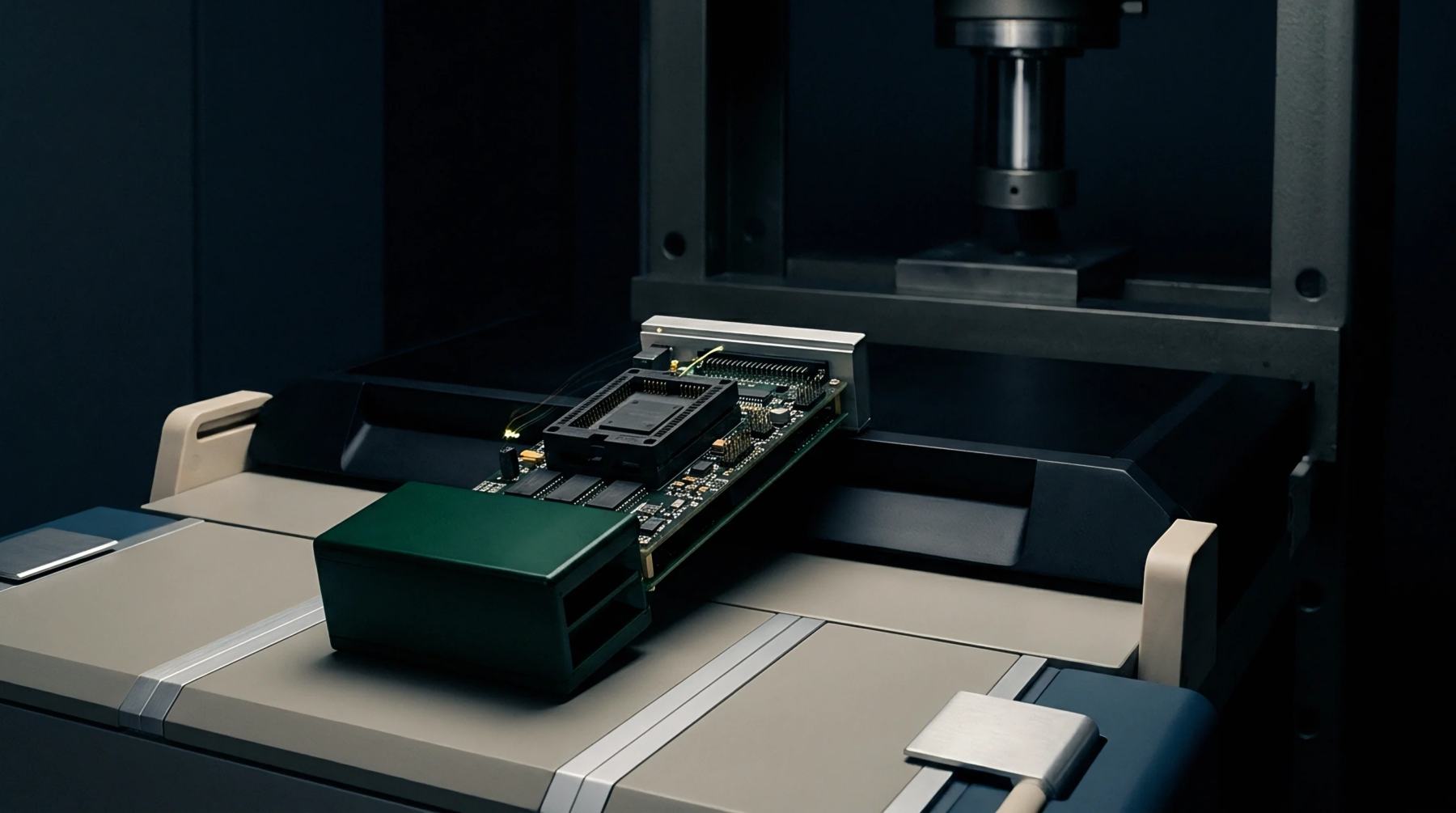
Host modular envelope boundaries end where layout traces, enclosure clearances, or SAR margins deviate from original certification integration instructions.
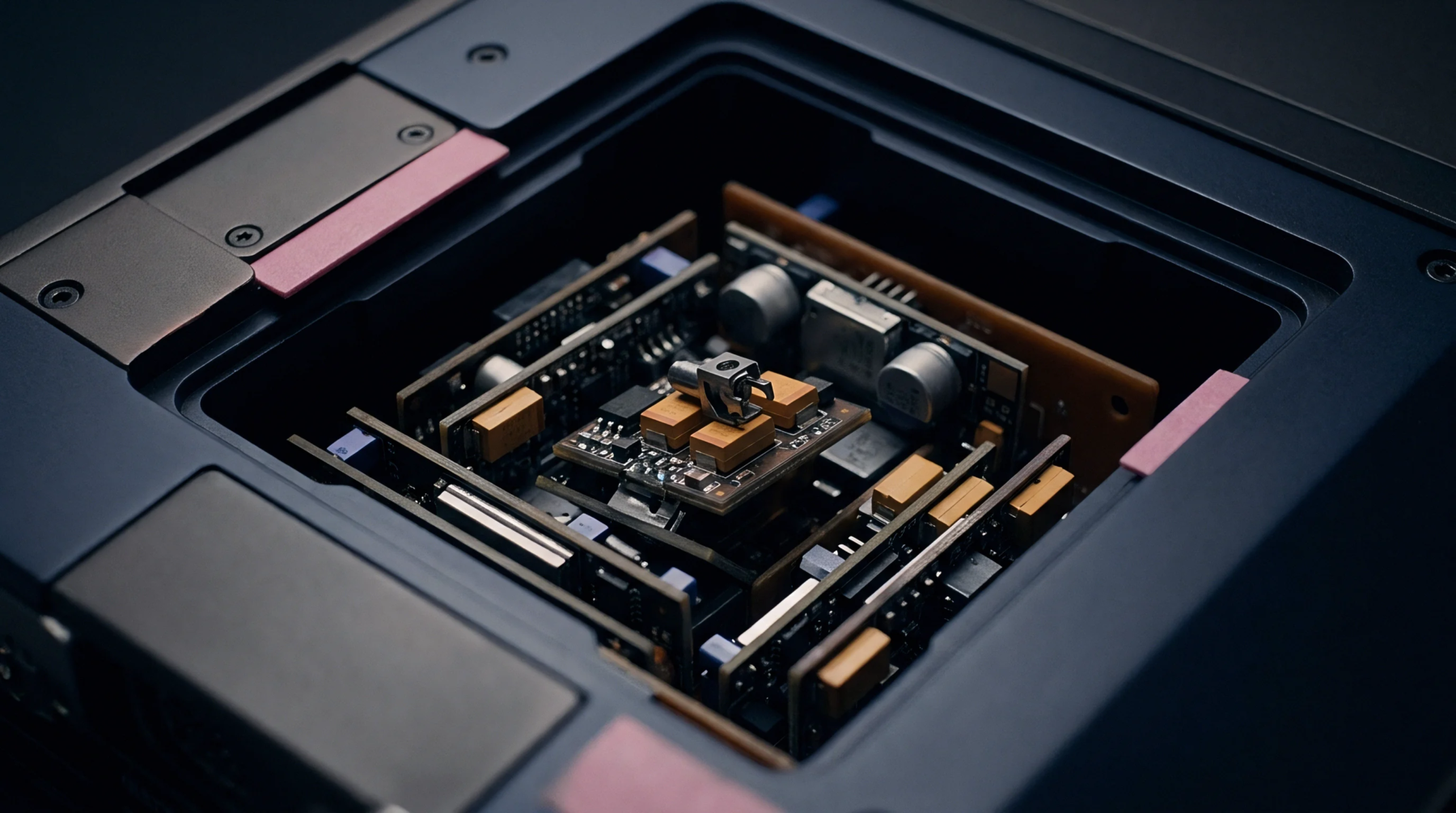
Host chassis material or layout changes require radiated spot-checks and a formal Class II Permissive Change filing whenever spurious harmonic levels degrade.

SPLSR computational workflows extract 3D coordinates from SAR scans to verify that concurrent multi-radio emissions meet FCC exclusion limits below 0.04.
Dynamic power backoff and antenna tissue loading slash handheld radiated power by over ten decibels, requiring strict S-parameter and sensor threshold modeling.

A modular FCC grant covers only the standalone radio; host integrators remain legally liable for Part 15B testing, trace rules, and simultaneous emissions.

Metallic housings alter antenna geometry and cavity resonance, forcing Class II permissive changes or complete system recertification when emissions shift.

FCC Part 15 Subpart C module sourcing hinges on verifying full modular grants, honoring antenna trace geometries, and testing host unintentional emissions.

Co-locating dual unlicensed modular transmitters requires Class II Permissive Change filings when simultaneous emissions create new spurious or SAR exposures.
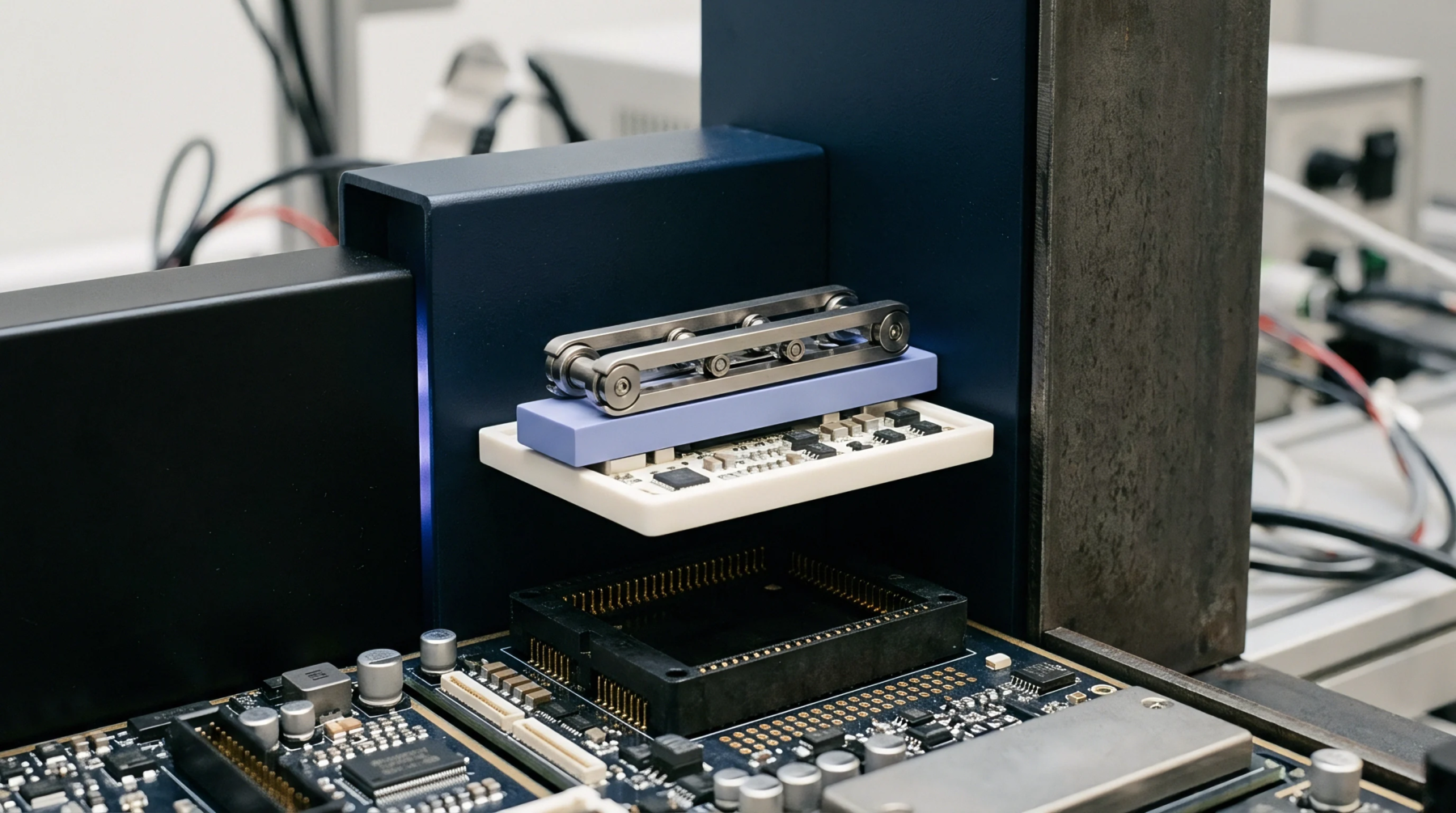
Unresolved mutual recognition rules leave unpowered radio cargo vulnerable to customs gate failures when flat batteries detune antennas and block automated sweeps.

Predictive electromagnetic modeling coupled with mold flow simulation identifies polymer shrinkage detuning before tooling release to maintain dual band compliance.
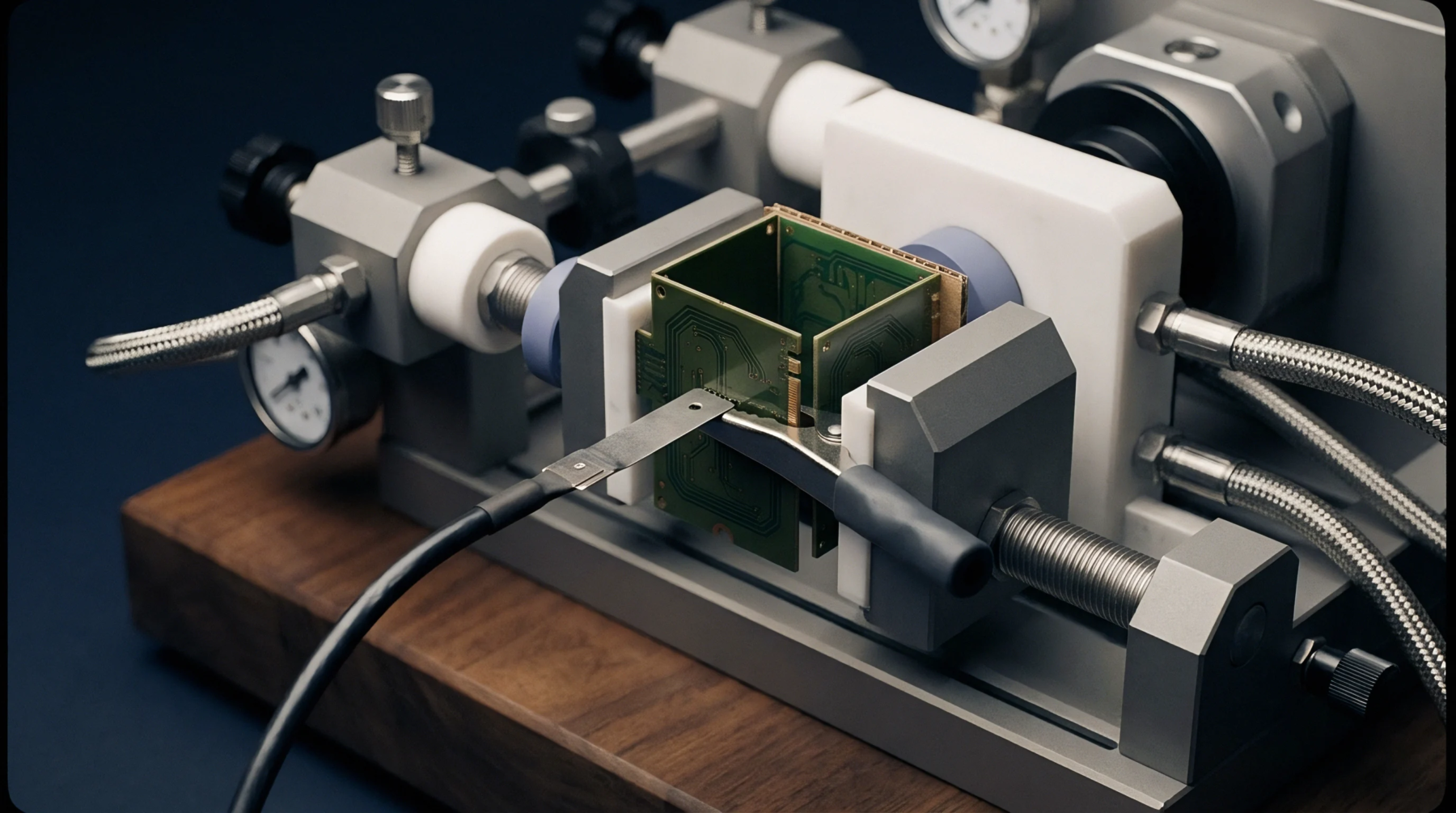
Modular radio host integration preserves the original grant only when antenna type, gain, trace layout, and RF exposure separation strictly match certificate conditions.
Host enclosure alterations, ground plane shifts, and multi-radio colocation void modular wireless grants, requiring structured host-level re-evaluations.
Expertise is a utility, not a secret. sentiention™ publishes its working knowledge as open reference: intelligence layer covering the materials it sources, the markets it enters, and the reference that serves both.