
Reconciling Schematic IPC-356 Netlists against Assembly Plant Gerber Data
Reconciling schematic IPC-356 netlists against plant Gerber files eliminates graphic extraction shorts and guarantees bare boards match circuit connectivity.
Reconciling schematic IPC-356 netlists against plant Gerber files eliminates graphic extraction shorts and guarantees bare boards match circuit connectivity.

Automate change control by compiling native CAD into cryptographically signed IPC-2581 containers that lock SMT machine outputs to verified Git revision tags.

Gerber X2 embeds layer functions, drill spans, and component centroids directly into CAD headers, eliminating manual CAM interpretation and engineering queries

Secure native ECAD databases, unencumbered trace intellectual property, and calibrated manufacturing data before authorizing production migration.

Shared ODM architectures are identified through identical PCB layouts, matching device tree memory maps, unified tooling marks, and shared FCC test filings.

Executing wireless hardware design transfer packages requires native CAD files, reproducible firmware build trees, and calibrated automated RF test fixtures.

Decouple non recurring engineering into milestone payments to preserve design ownership, eliminate inflated bill of materials markups, and secure transfer rights.

Valuing custom PCB layout intangibles requires separating physical copper routing from schematics, using cash flow methods that model fabrication revision risk.

Verify semicustom hardware deliverables using native CAD source files, containerized build environments, and physical bench test jigs before milestone sign-off.

Cross-border packaging agreements assign redistribution layers and bonding recipes through explicit work statements to prevent offshore vendor lock-in.

Managing firmware escrow and design transfers requires verified deterministic toolchains, complete EDA files, and factory test fixture documentation.

Clear intellectual property boundaries require explicit deliverable specifications for raw CAD source files, firmware build scripts, and test fixture designs.

Designing automated contact interface boards for high-volume semiconductor testing requires balancing pin wiping mechanics, high-frequency signal integrity, and mechanical stiffener design to prevent substrate deflection under multi-hundred-kilogram contactor loads.

Gerber netlist verification requires 100% IPC-D-356 parity against graphical artwork and signed EQ closure before NRE tooling disbursements unlock.

Turnkey wireless module source handovers demand native CAD databases, compiled BSP source trees, test fixture scripts, and explicit IP assignment clauses.
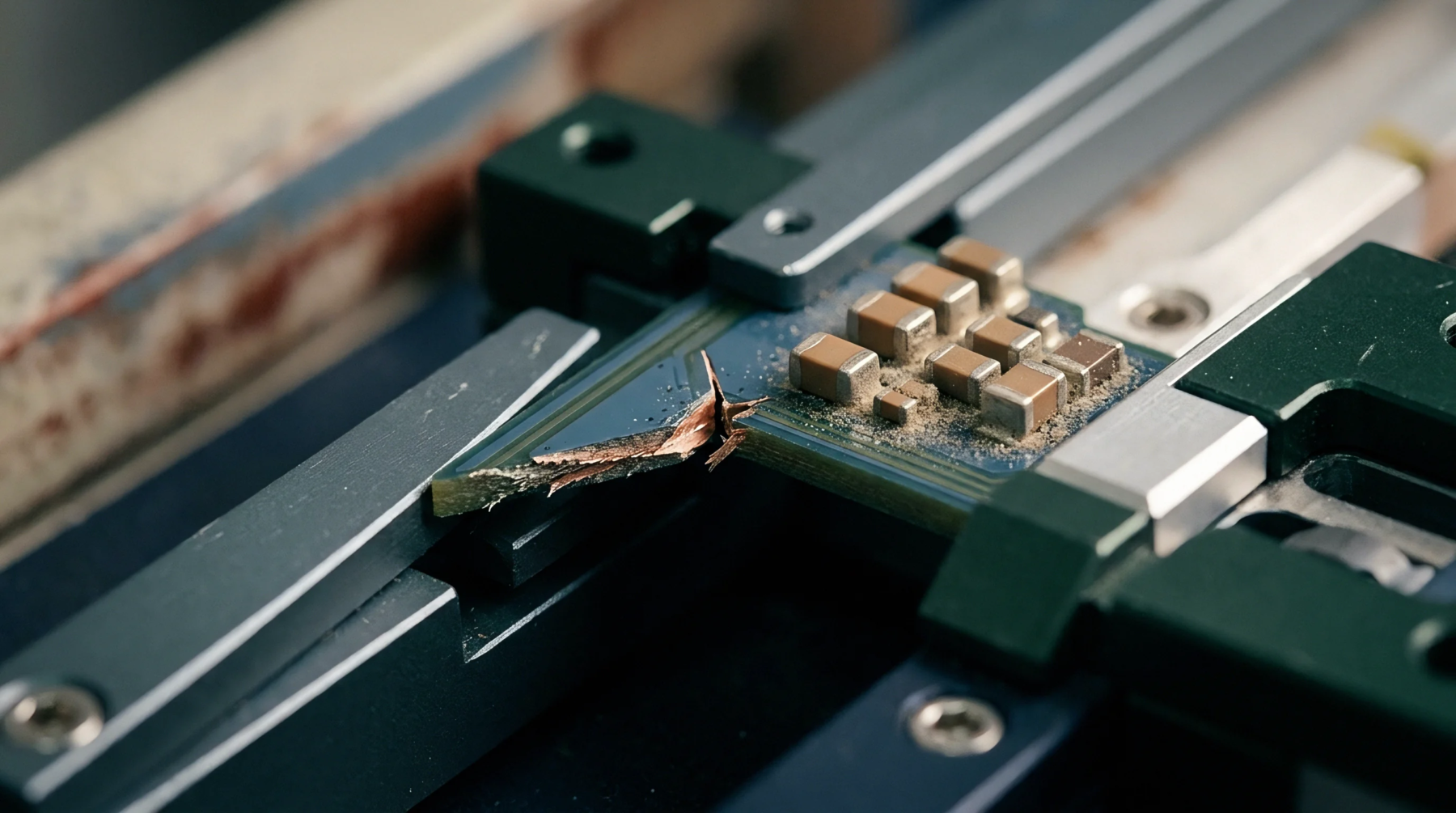
Resolving substrate dielectric drift and IP custody requires strict coupon impedance verification combined with neutral escrow of native CAD files.

Evaluating embedded transceiver matching and layout requires conjugate source matching, coplanar ground stitching, and in-housing impedance tuning.

Die shrink equivalence demands full 3D electromagnetic loop extraction to prevent high-frequency current loop displacements from causing transient rail failures.

Containerize module fabrication data in IPC-2581C to lock CAM modifications, enforce netlist parity, and eliminate inter-site geometry discrepancies.

Dual sourcing wireless substrates demands matching effective dielectric constants, copper foil profiles, and glass weave structures via IPC-2581 stack-up controls.

Secondary sourcing succeeds when firmware build containerization, bit-for-bit escrow verification, and explicit mold shot-life accounting precede tool transfer.
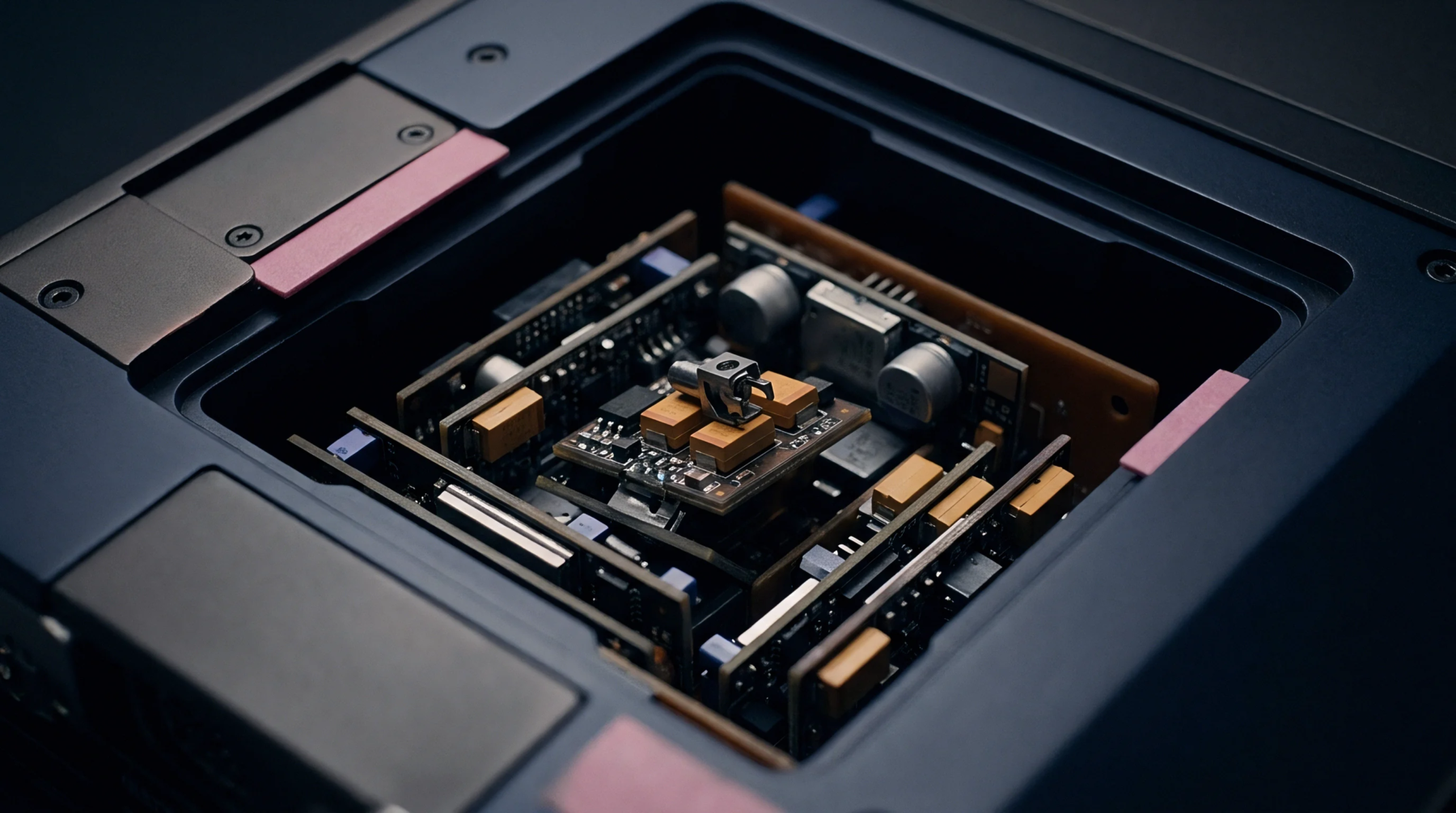
Unbundling engineering fees isolates true component bill-of-materials costs from upfront development labor, preventing margin erosion at scale.

Verifying native CAD and firmware source files during design transfer prevents unlinked components, build failures, and costly manufacturing delays.

Amortizing non-recurring engineering fees hides volume risk, while secondary supplier setup demands complete native design files and independent test jig duplication.
Process change notices demand technical baseline audits, J-STD-046 notifications, and JESD47 qualification data to clear component changes without recall risk.

Extracting structural defect models for modified surface mount nets maps parasitic RLC shifts to maintain signal integrity and structural test coverage.

Managing multi-vendor RF design transfers requires native IPC-2581 data structures, synchronized change controls, and standardized ATE test files.
Validating PCB manufacturing files for wireless modules demands automated netlist audits, explicit impedance stackup definitions, and aperture rule checks.

Auditing physical asset wear and unfulfilled engineering deliverables offsets unamortized NRE claims during second-source semi-custom module transitions.

Auditing subcontractor fabrication assets and firmware sources requires clean-room compilation, vector validation, and milestone retainage enforcement.
Expertise is a utility, not a secret. sentiention™ publishes its working knowledge as open reference: intelligence layer covering the materials it sources, the markets it enters, and the reference that serves both.