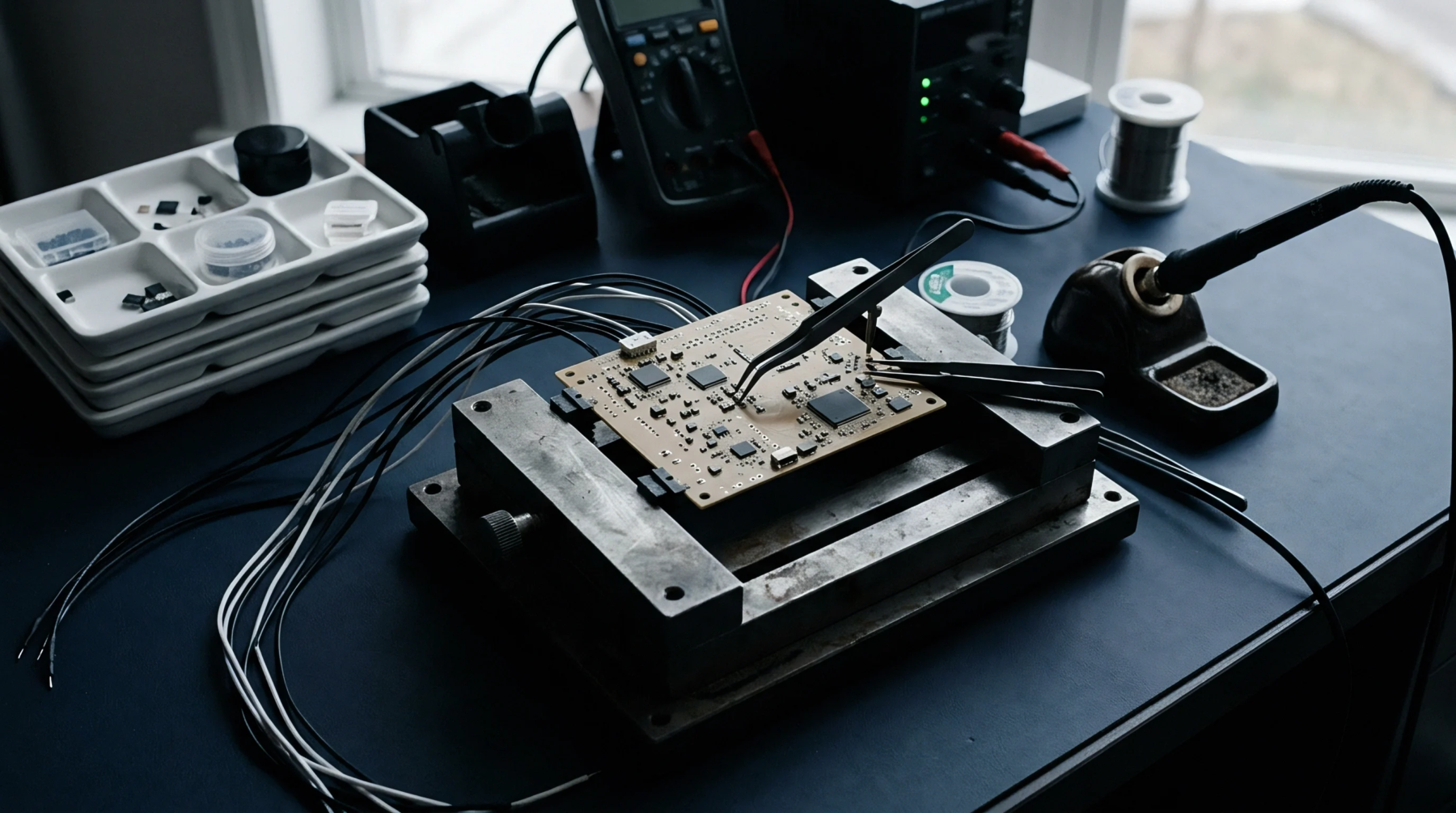
Managing Permissive Change Filings for Embedded Host Antenna Trace Layouts
Managing embedded host antenna trace changes requires strict adherence to modular grant layout guides or filing a Class II Permissive Change with chamber data.
Managing embedded host antenna trace changes requires strict adherence to modular grant layout guides or filing a Class II Permissive Change with chamber data.

Dynamic housing seam deflection modulates contact resistance to generate radiated spurious mixing products that breach statutory limits under vibration.

Harmonic traps suppress cellular spurious emissions to protect co-located Wi-Fi receivers and prevent laboratory retests that delay market filings.

Modular radio approvals fail to transfer automatically to host systems across ASEAN markets, requiring dedicated host testing, local agents, and distinct filings.

Southeast Asian radio approvals require fragmented local filings, mandatory in-country testing, and authorized local representation across each trade channel.

Reconciling radiated spurious discrepancies requires isolating setup mechanics, chamber reflection delta, and antenna calibration offsets under bilateral pacts.

Cross-border radio approvals require isolating regional gaps between European receiver-centric standards and North American transmitter-focused filing grants.
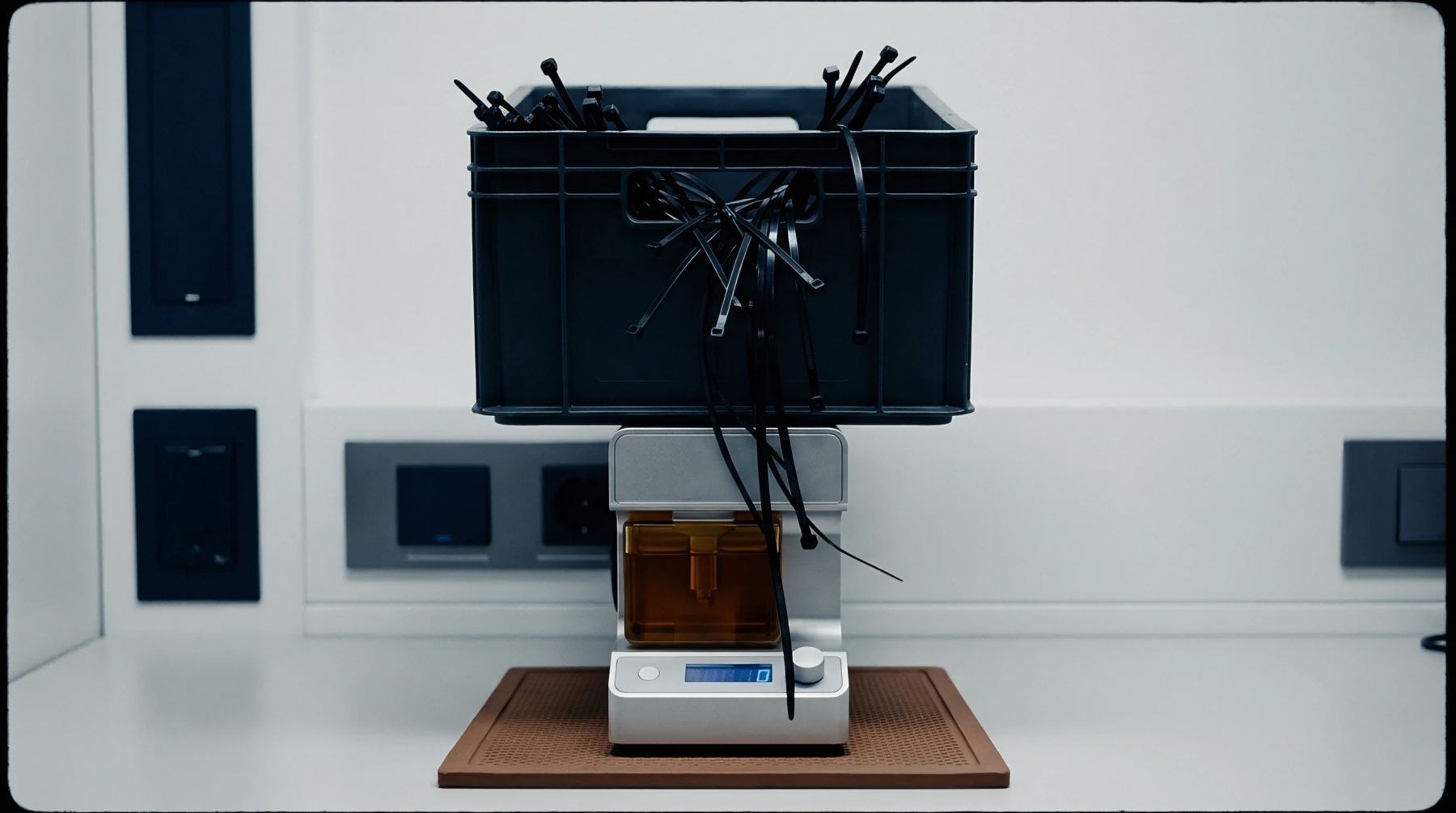
Mutual recognition frameworks eliminate redundant overseas radio testing by allowing accredited domestic bodies to issue valid destination market authorizations.
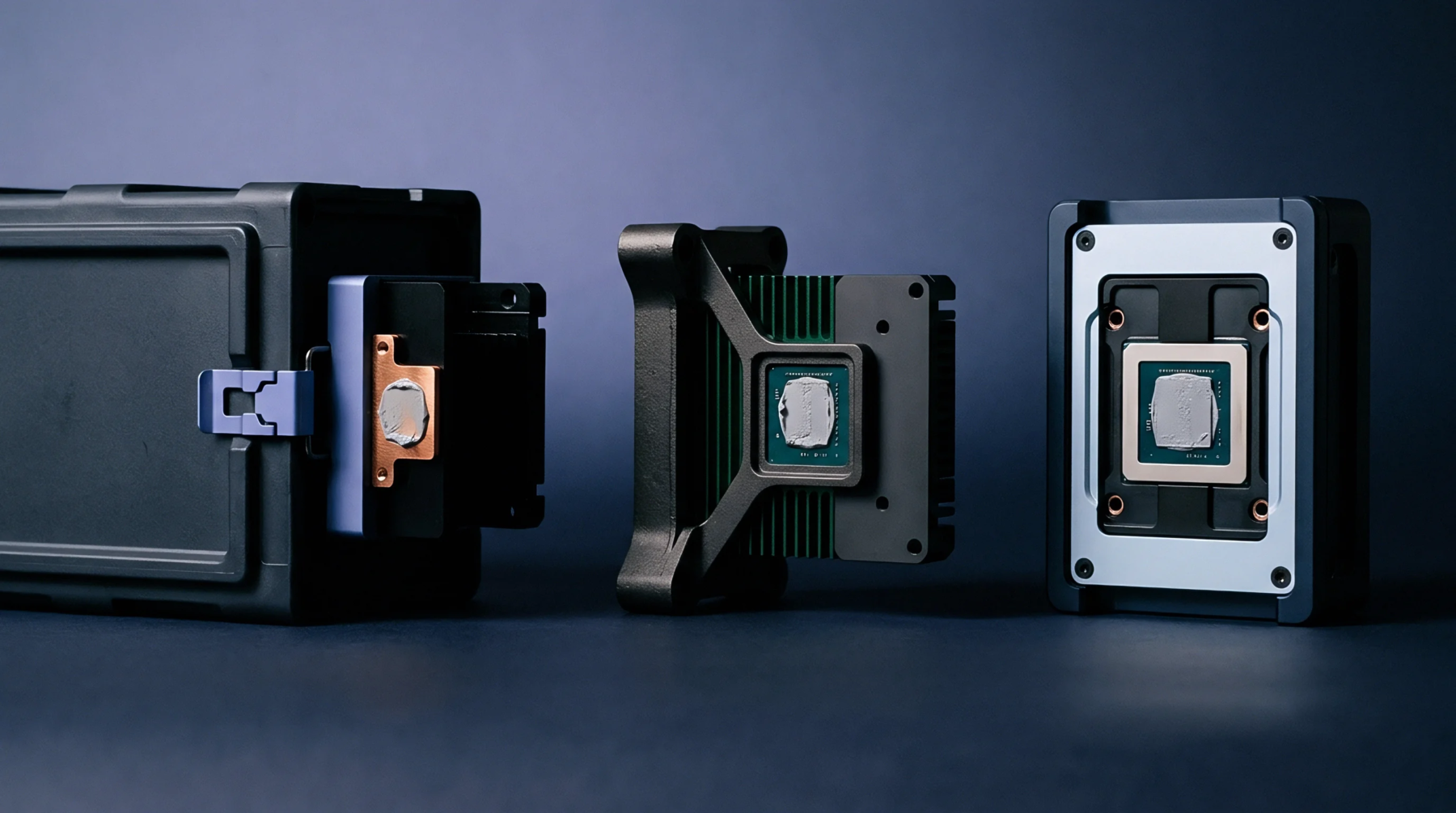
Cross-border radio clearance requires aligning host antenna gains and trace layouts with modular grant limits to avoid entry holds and permissive changes.
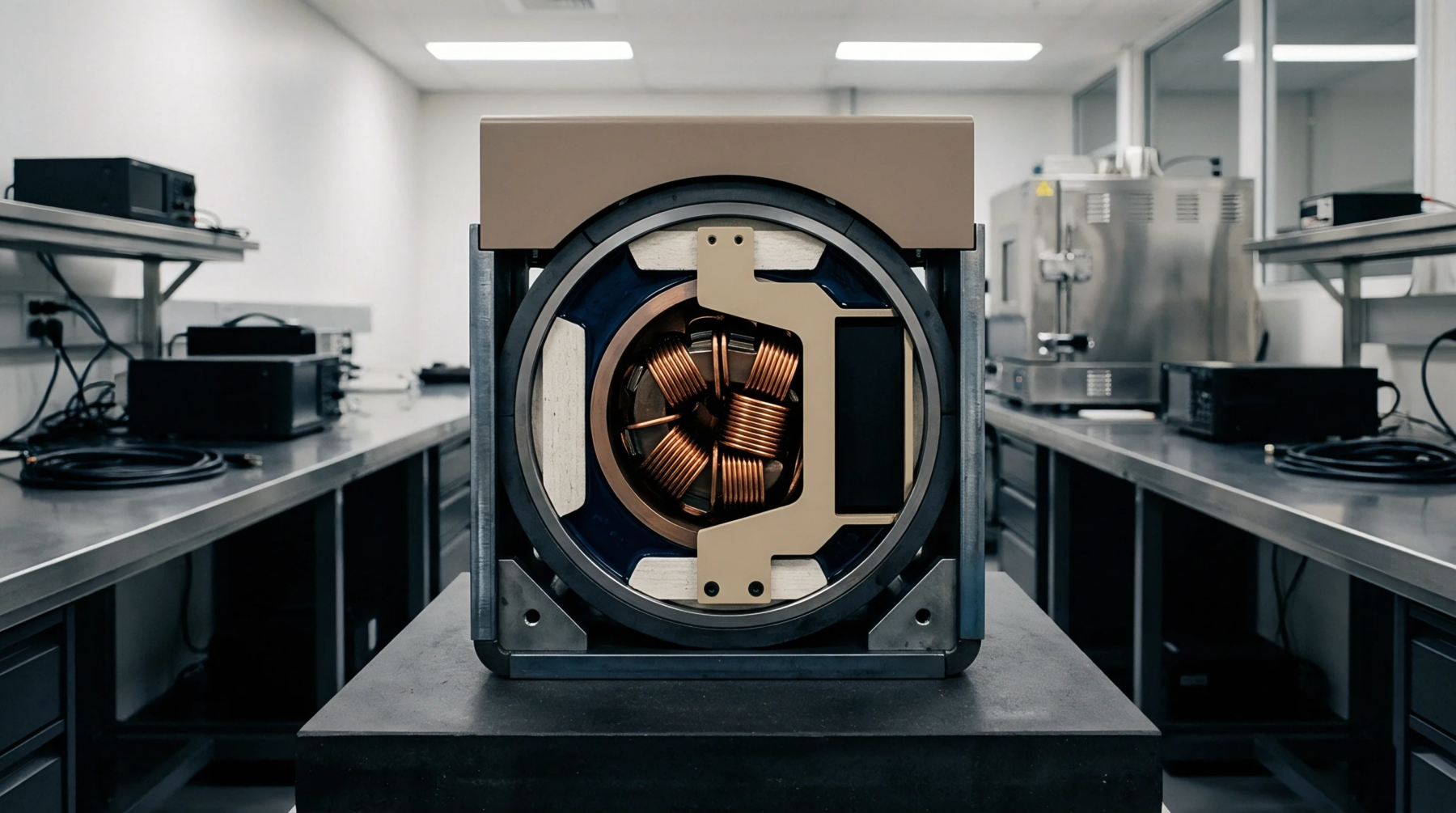
Adaptive boundary regularization prevents spurious spectral growth in overmoded enclosures, securing repeatable electromagnetic test data before lab filing.

Metallic host enclosures induce cavity resonances and seam radiation, turning modular radios into compliance risks requiring co-location and emission scans.

Unshielded wireless modules legally void standard modular approvals, transferring all radiated compliance liability and certification costs to the host integrator.

Co-located wireless modules require permissive change filings whenever intermodulation exceeds Part 15.209 limits or portable SAR separation falls under 20 cm.

Laminate swaps in 77 GHz radar change EIRP and pattern directivity, requiring Class II permissive filings if power rises or spurious emission profiles degrade.
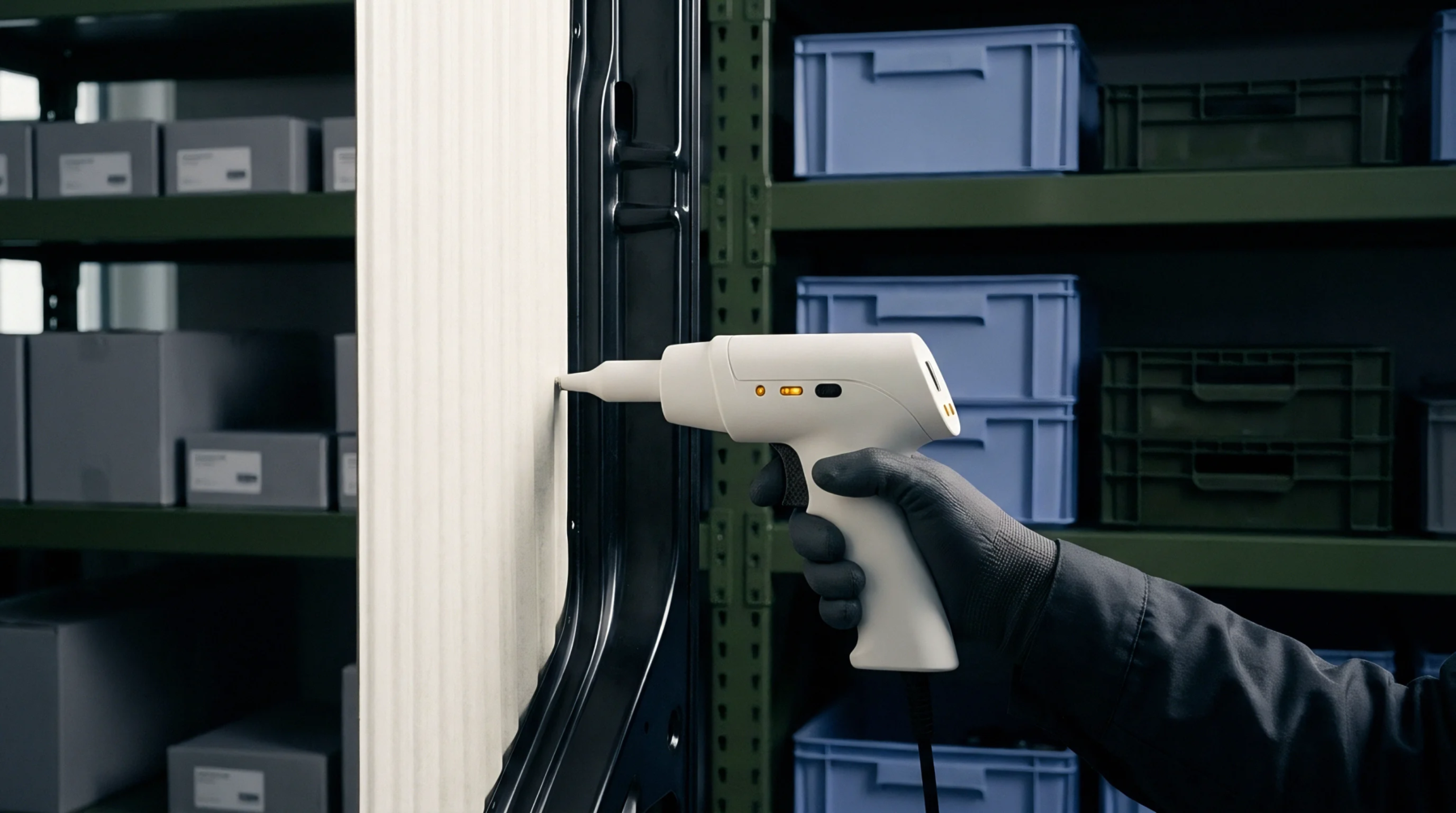
Rigorous auditing of wireless host technical construction files bridges modular approval gaps through empirical spot-checks, layout checks, and trace audits.
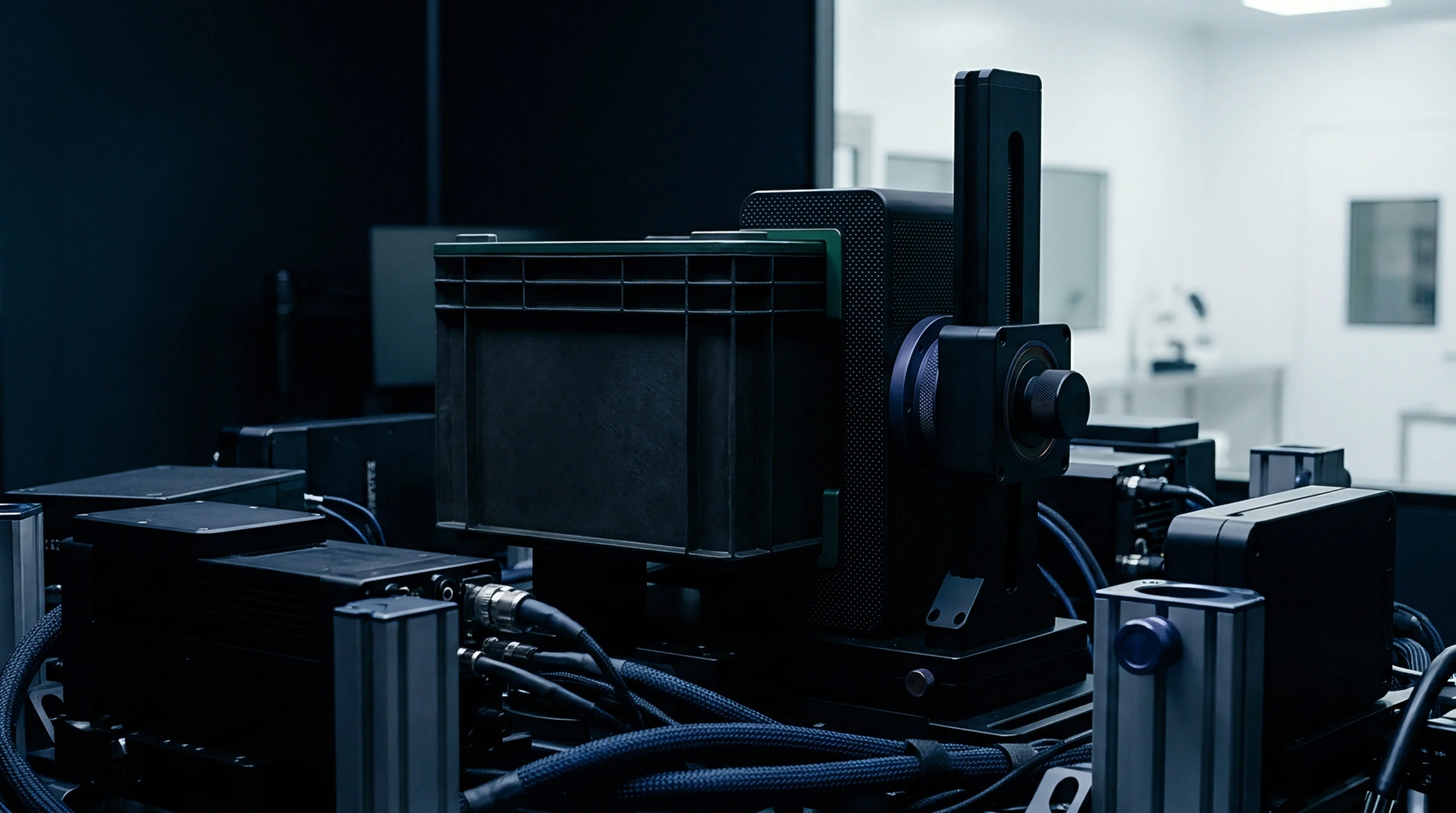
Co-locating dual transmitters within 20cm triggers mandatory radiated intermodulation testing and invalidates standalone modular grants across all major markets.

Exceeding radiated spurious limits or specific absorption rate thresholds under close antenna co-location mandates a formal Class II Permissive Change filing.

Radiated spot checking verifies that host chassis interactions and multi-radio mixing do not violate baseline modular grant emission limits.
Reconciling customs valuations with equipment authorizations requires aligning declared assist costs and firmware versions with accredited test configurations.
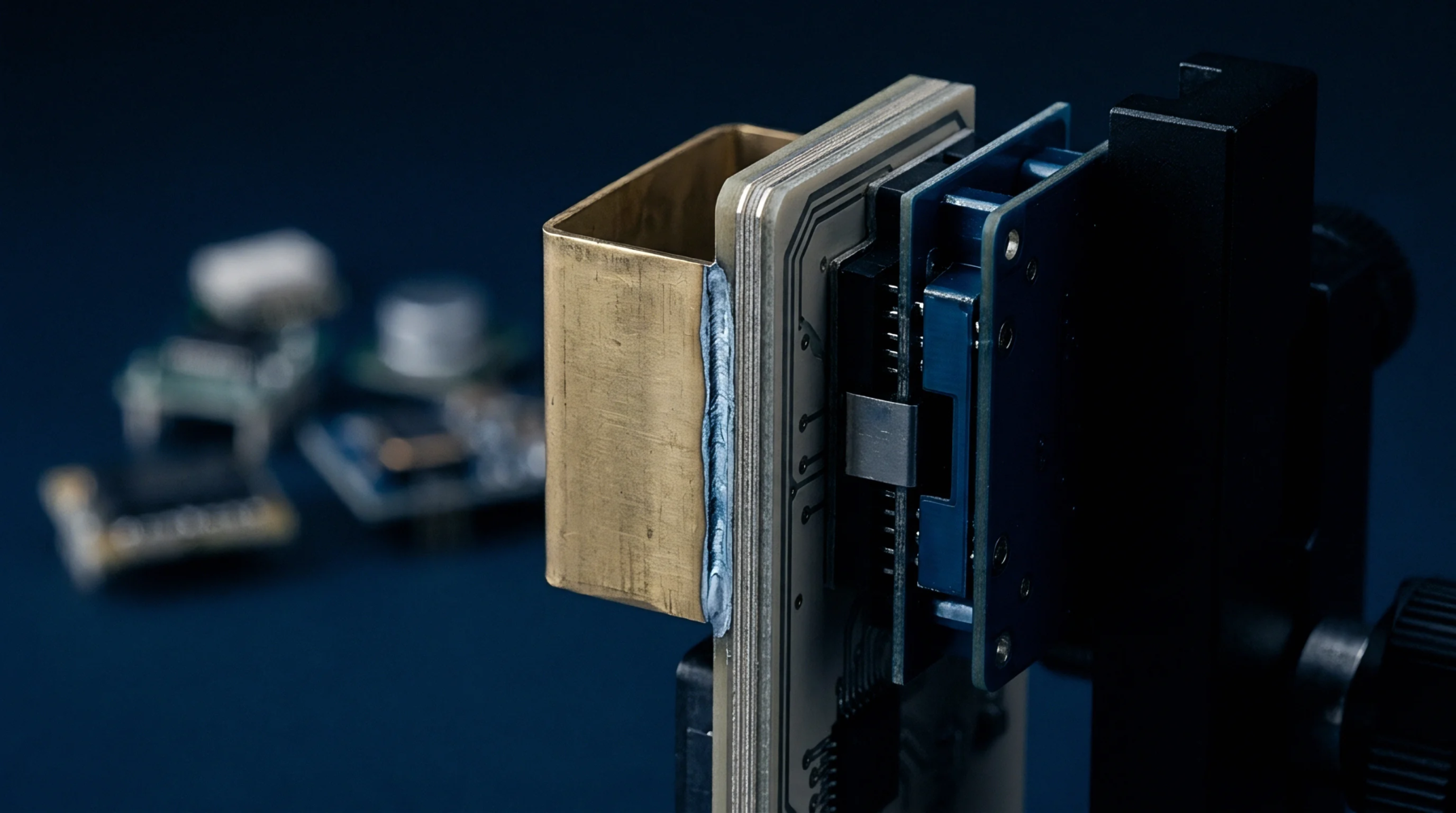
Unauthorized RF stack up changes trigger Class II permissive change filings, mandatory microsection proof, and full populated board cost recovery.
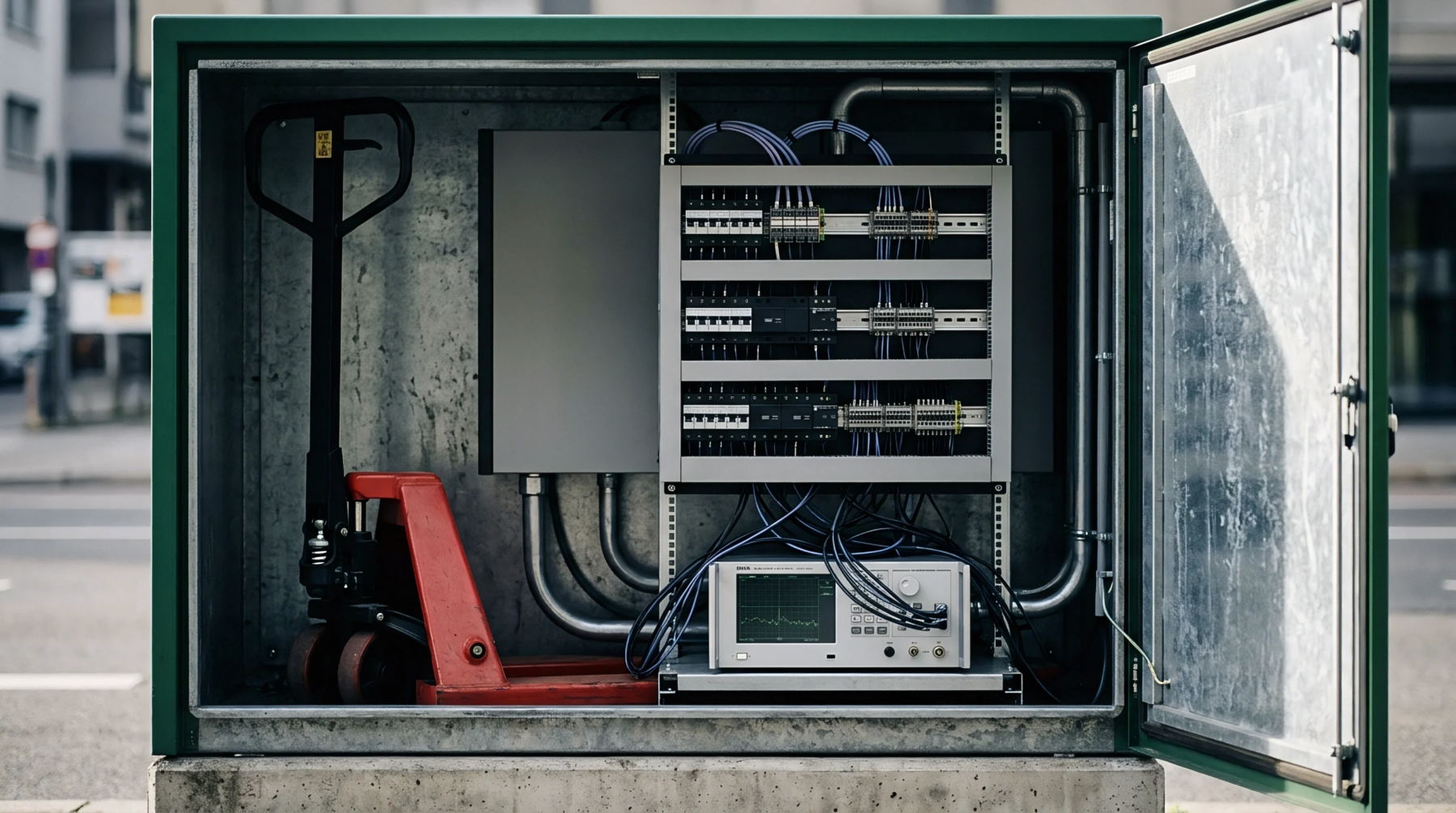
Aligning radio directive compliance requires mapping ETSI transition windows to customs dates, executing targeted gap tests, and updating dossiers before standards lapse.

Presumption of conformity expires on the Official Journal cessation date, requiring updated harmonized testing or a Notified Body Module B certificate.

Finished host declarations require explicit verification of antenna gain, co-location limits, and host-induced spurious emissions beyond modular grant bounds.

Rectifying host wireless declaration deficiencies requires bonded manipulation, accredited test exhibits, and formal agency filings to avert cargo seizure.
Expertise is a utility, not a secret. sentiention™ publishes its working knowledge as open reference: intelligence layer covering the materials it sources, the markets it enters, and the reference that serves both.