Meaning
Radiated spurious emissions constitute unwanted radio frequency energy generated by an electronic device and propagated through space from its enclosure or cabling, independent of the intended transmission channel. Regulatory bodies enforce strict limits on these transmissions to prevent interference with nearby radio receivers and adjacent communication services during normal operational states. The boundary of this phenomenon sits exactly at the outer casing of the integrated device and the attached peripheral wiring, stopping where the signal ceases to behave as an unintentional electromagnetic wave.
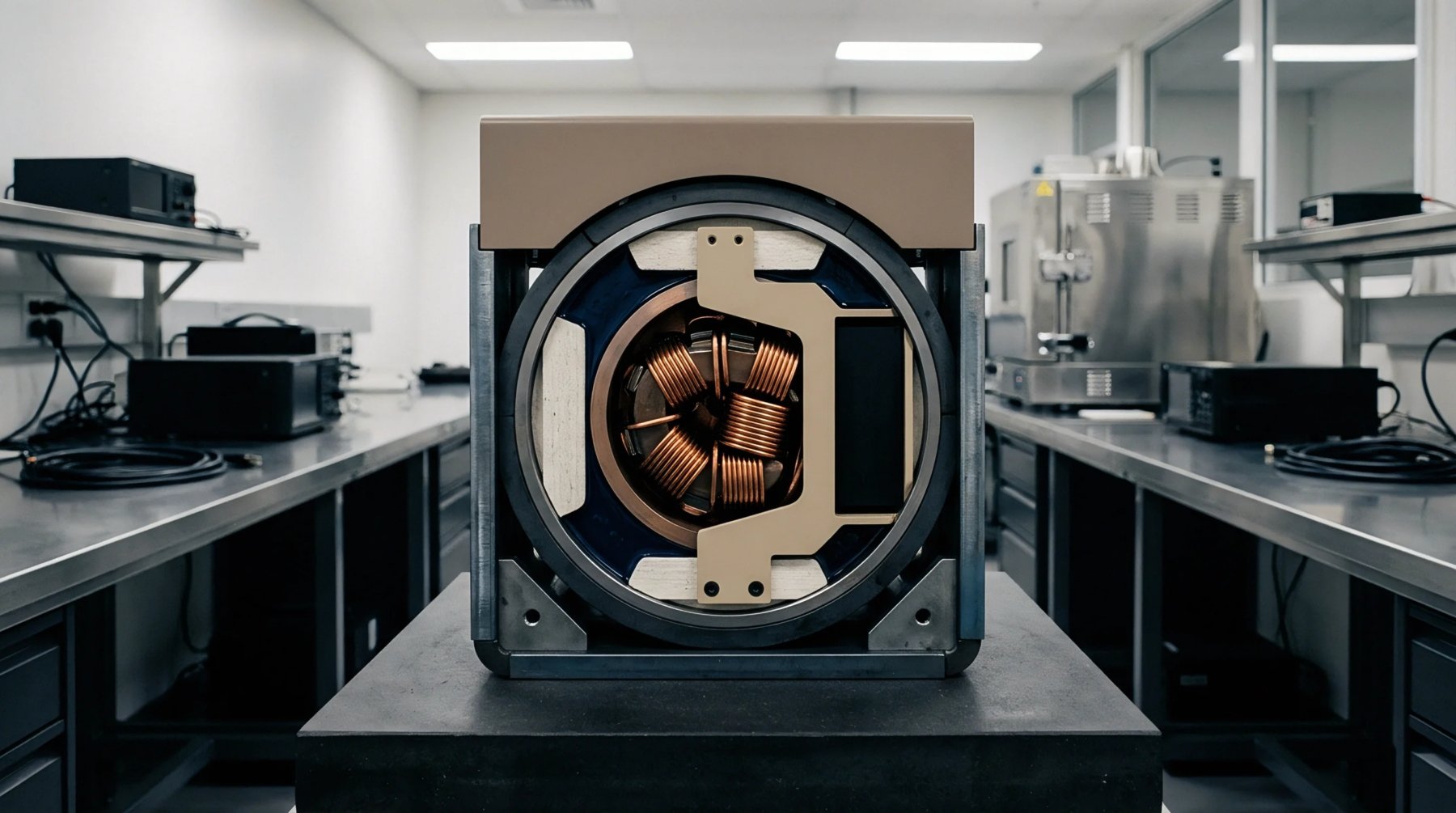
Measuring this phenomenon involves placing a device under test inside an anechoic chamber to capture stray emissions across a wide frequency spectrum.
Spectrum Suppression
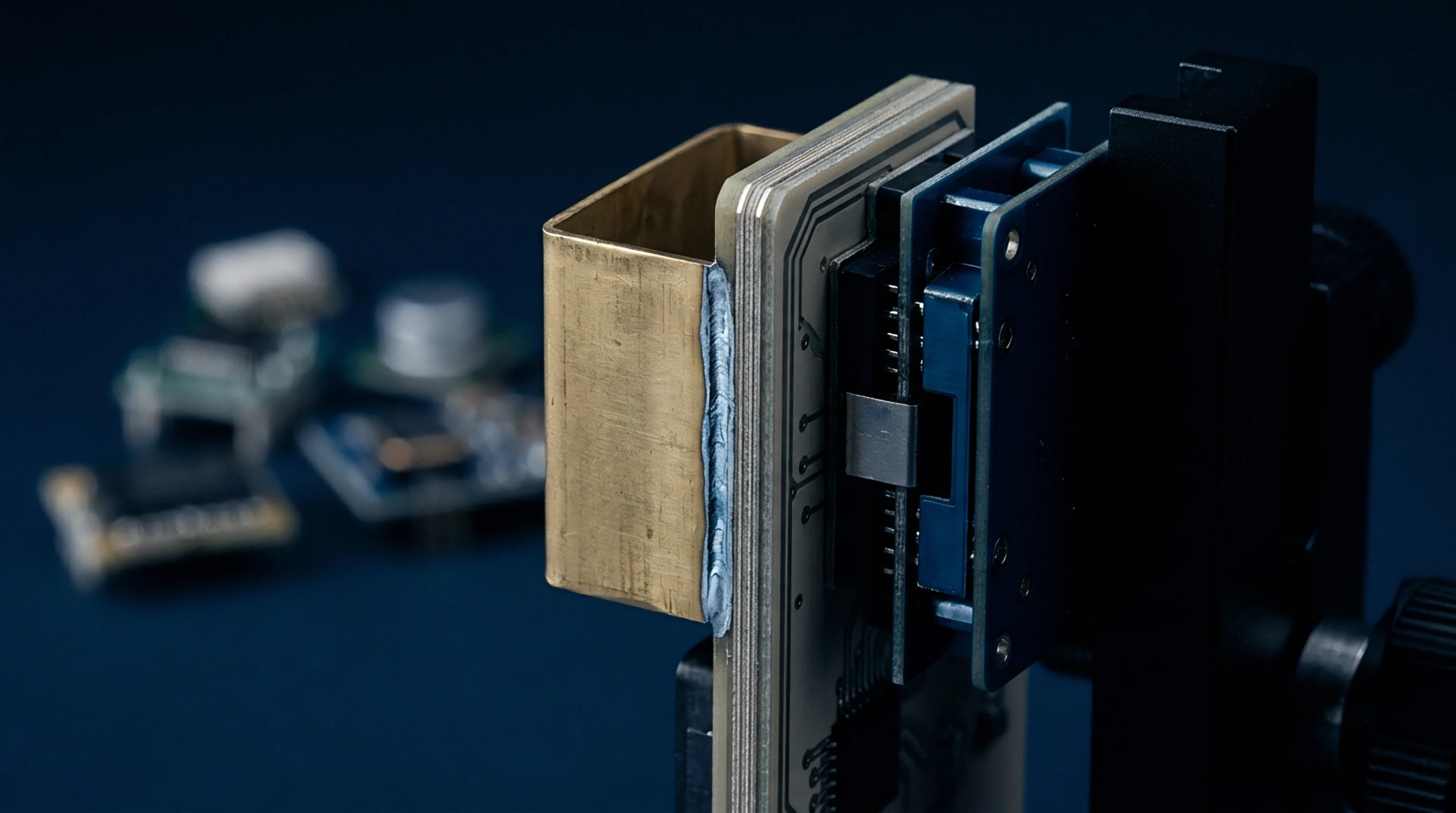
Controlling radiated spurious emissions demands careful management of Printed Circuit Board layouts and high frequency grounding paths inside the product architecture. Engineers place decoupling capacitors directly adjacent to power pins to shunt high frequency noise before it reaches exposed traces. Metal shields soldered directly to the ground plane enclose sensitive oscillator circuits, trapping stray waves before they escape through the chassis seams.
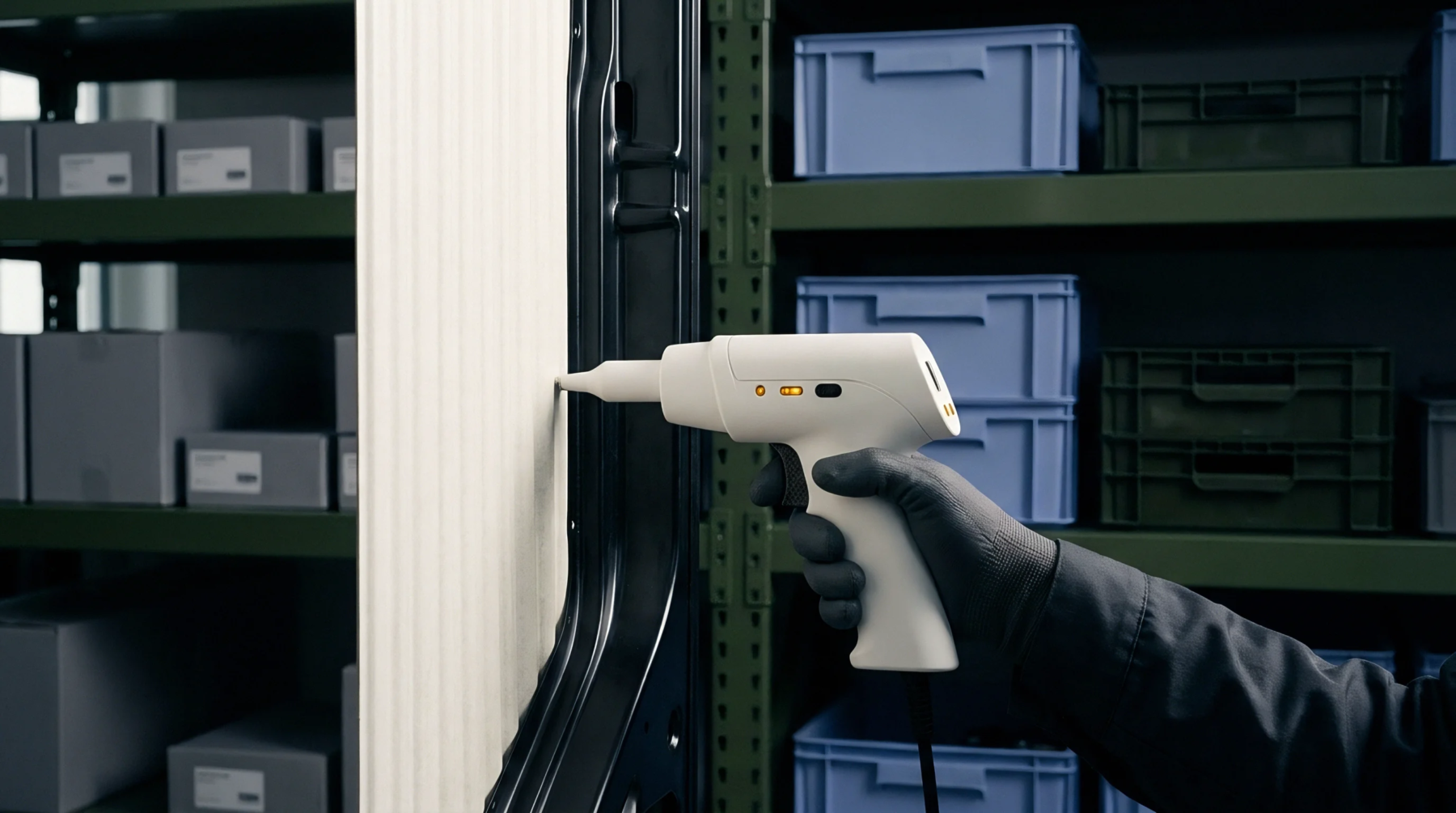
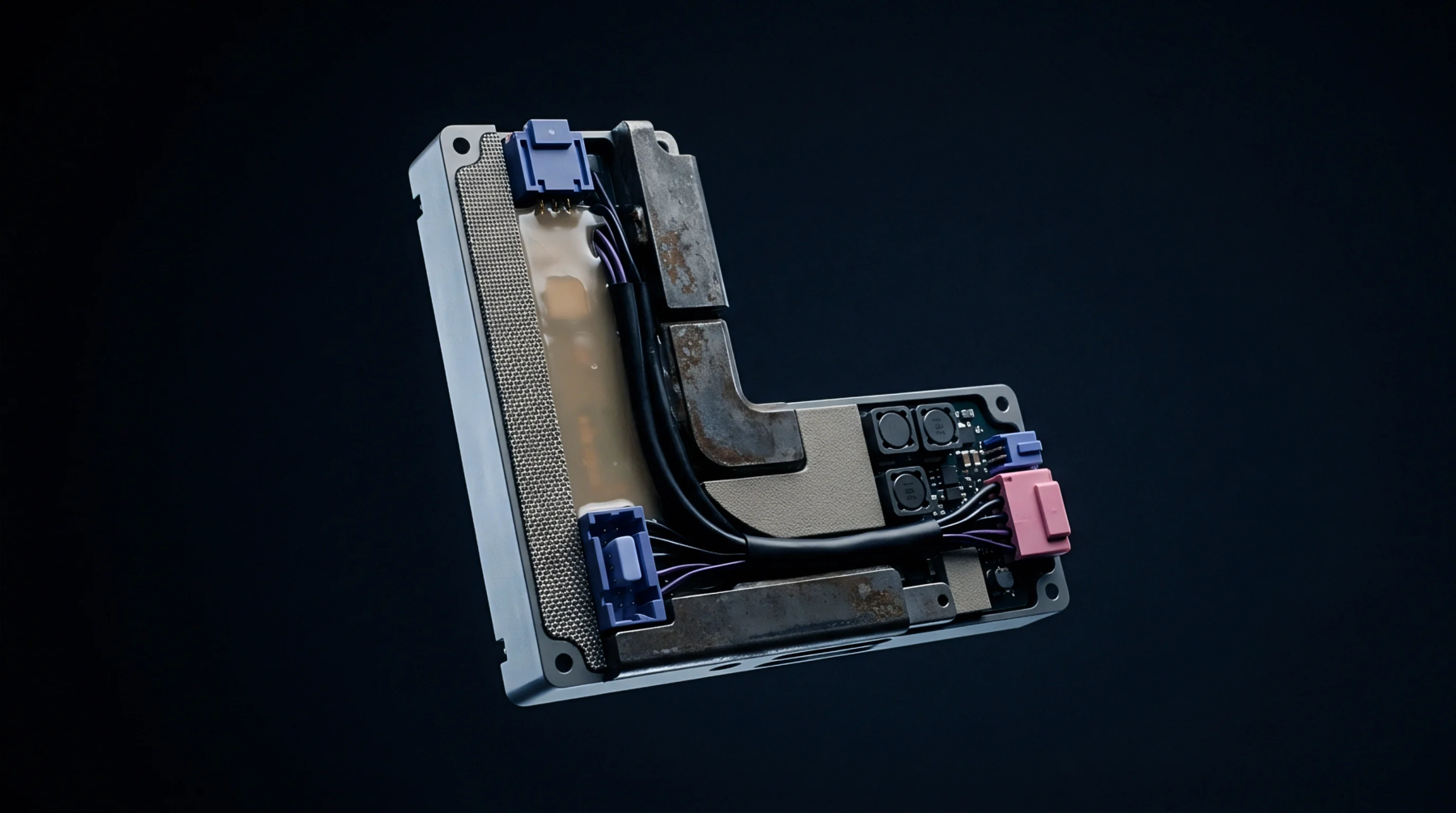
Gaskets made from conductive elastomers seal the mechanical joints between housing halves, preventing electromagnetic leakage through microscopic gaps in the assembly.
Compliance Verification
Regulatory test laboratories evaluate compliance during the final stages of hardware qualification before granting market access certificates for the finished assembly. Technicians rotate the device on a motorized turntable while elevating a calibrated measurement antenna to capture peak emission levels across all spatial orientations. Frequency sweeps identify discrete spectral violations originating from internal clock harmonics and switching power supply ripple frequencies.
Documentation generated during this test sequence records exact margin levels against regional statutory limits, forming a permanent part of the technical construction file required for commercial deployment.
Design Mitigation
Addressing high frequency leakage requires early intervention during the mechanical design phase because retrofitting suppression components late in the development cycle rarely resolves complex electromagnetic failures. Component placement decisions dictate the success of the entire suppression strategy, keeping high speed data lines short to minimize accidental antenna loops. Thermal management choices also constrain mitigation options, because solid metal enclosures block heat dissipation while perforated chassis allow internal electromagnetic energy to leak outward.
Designers balance these competing physical requirements by utilizing specialized waveguide vents that permit cooling airflow while reflecting stray radio frequencies back toward the interior.