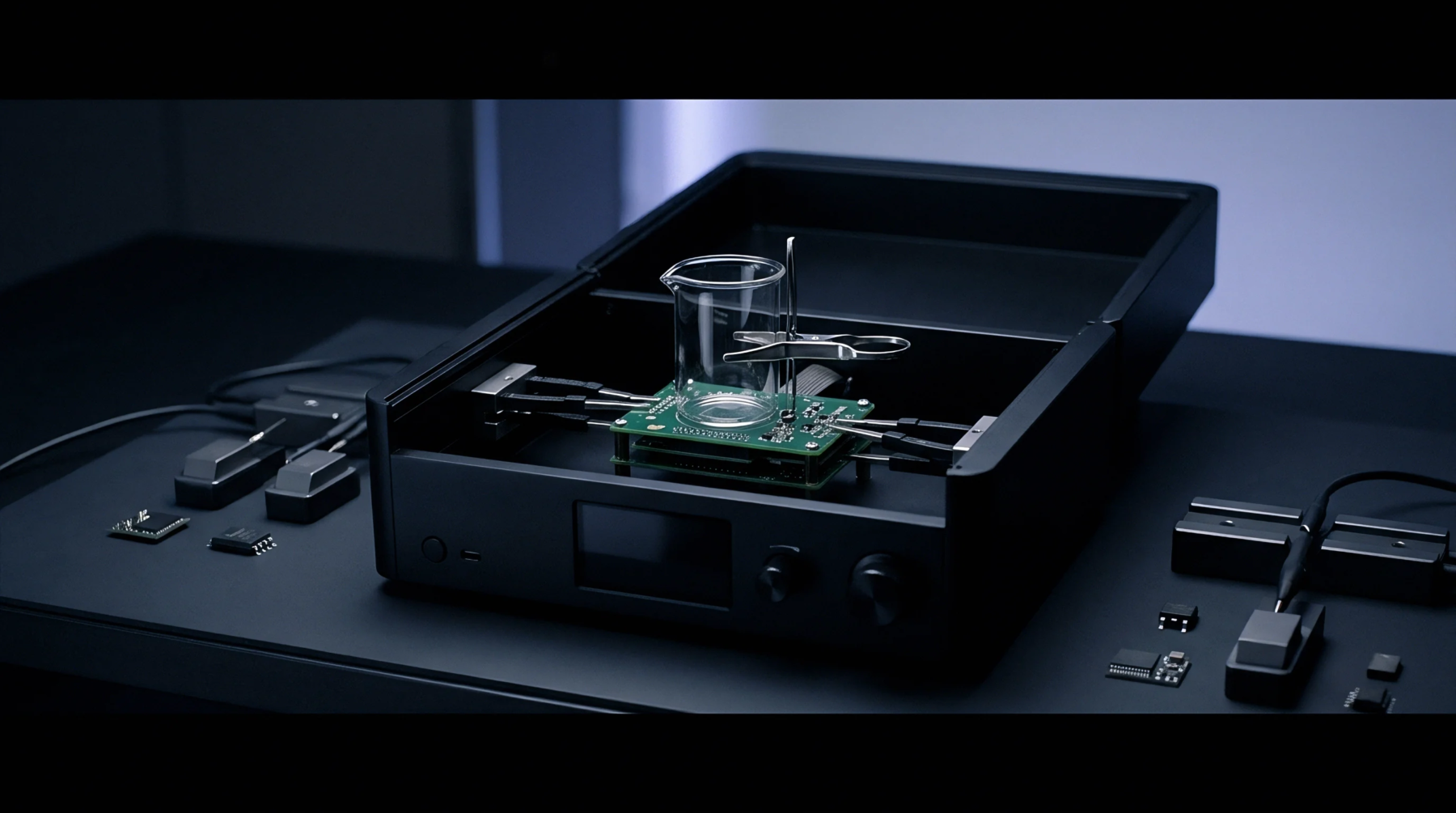
Resolving Host Enclosure Resonances and Spurious Discrepancies in Embedded Radios
Resolving host enclosure resonances relies on identifying cavity modes and sealing seam apertures before submitting embedded radios for regulatory scans.
Resolving host enclosure resonances relies on identifying cavity modes and sealing seam apertures before submitting embedded radios for regulatory scans.
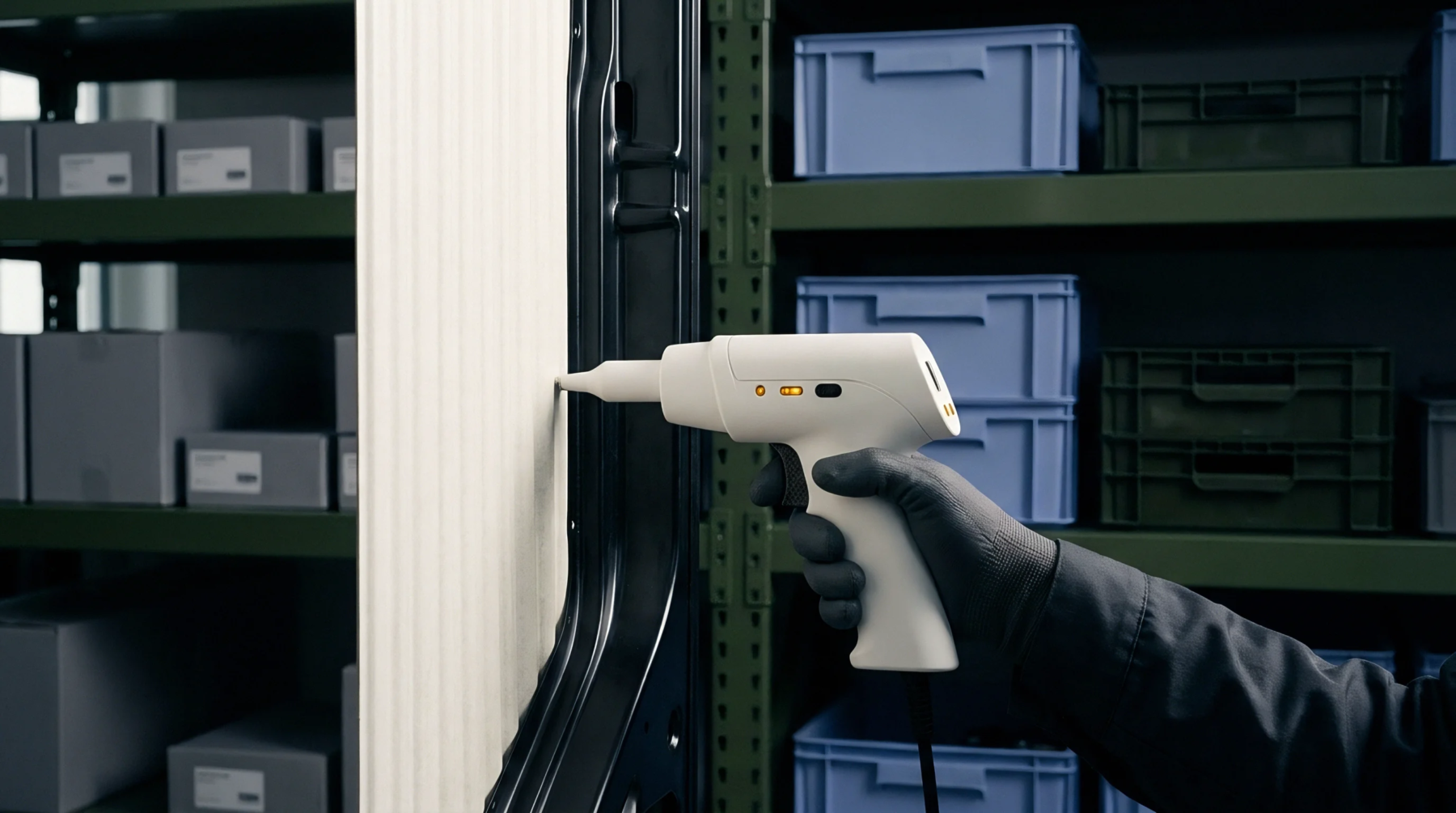
Diagnosing parasitic radiated emissions requires tracing clock harmonic return loops, suppressing cavity resonance, and validating simultaneous transmission grants.

Reconciling international MRA discrepancies in modular radio dossiers requires structured delta testing to satisfy regional radiated limits and CAB scopes.

Verify laboratory regulatory recognition listings rather than general accreditation badges to prevent unbudgeted retesting and market entry delays.

Suppress colocation intermodulation spurious emissions in tight metallic enclosures by combining high-rejection PA filters with lossy magnetic cavity absorbing sheets.

Dielectric alterations to certified radio modules alter antenna impedance and radiated emissions, triggering permissive change filings across major global jurisdictions.
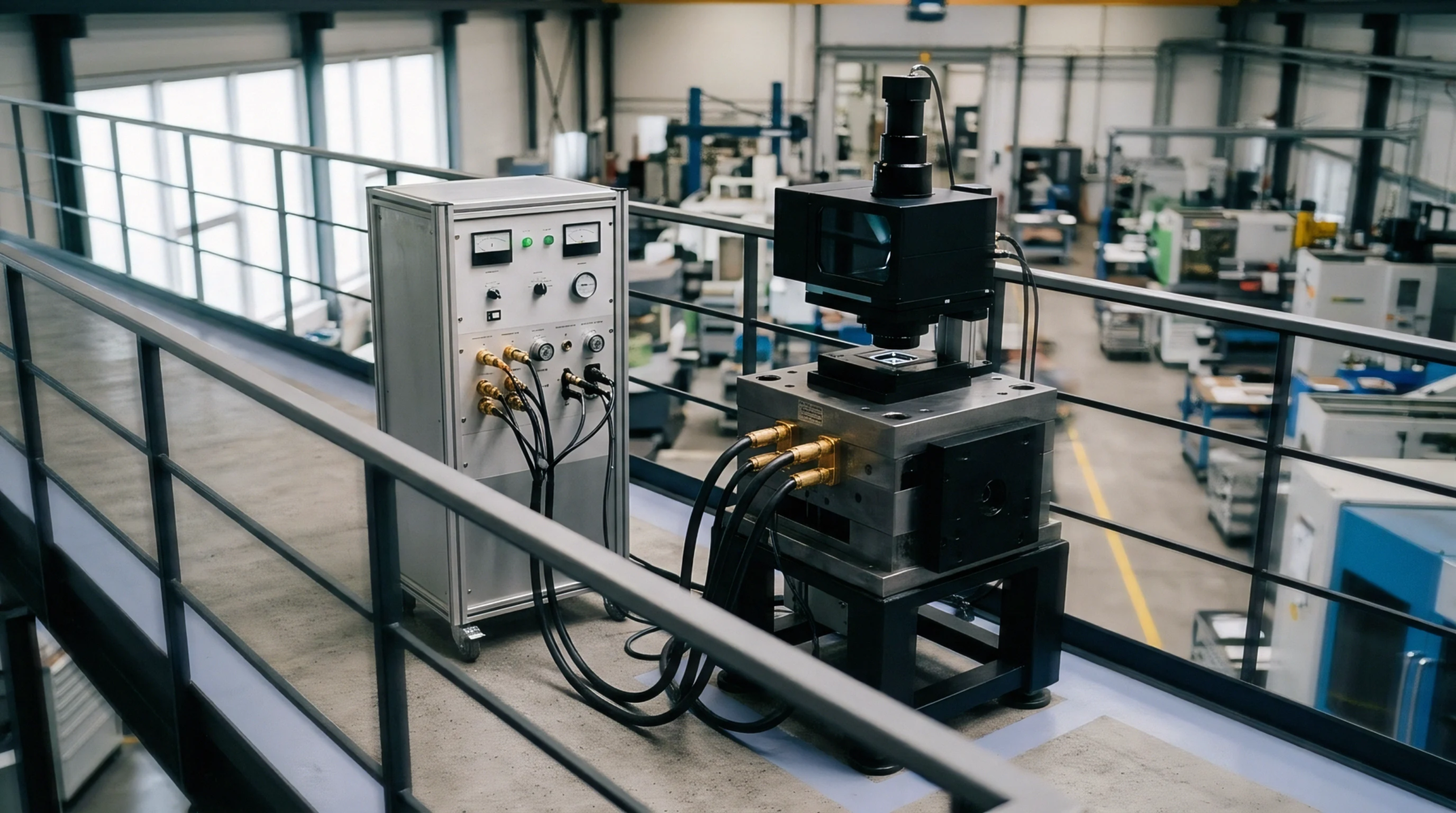
Securing global port radio approvals for off-grid cryptographic seals requires matching regional sub-GHz power ceilings before final host integration.

Offline transponder signature validation relies on compact elliptic curve keys, efficient memory framing, and compliant reader radio power limits.

Spatial thermal gradients across radar radomes cause Snellian refraction beam squint that risks radiated EIRP mask violations during type approval testing.

Co-located radio Class II Permissive Changes demand radiated intermodulation scans and exposure summation when transmitter antennas sit within 20 cm.

Unshielded multi-radio integration induces enclosure cavity resonances that amplify harmonic spurs, requiring Class II Permissive Changes and RF damping.

Integrating unshielded limited modules transfers regulatory compliance liability to host manufacturers, requiring Class II permissive changes and host chamber validation.
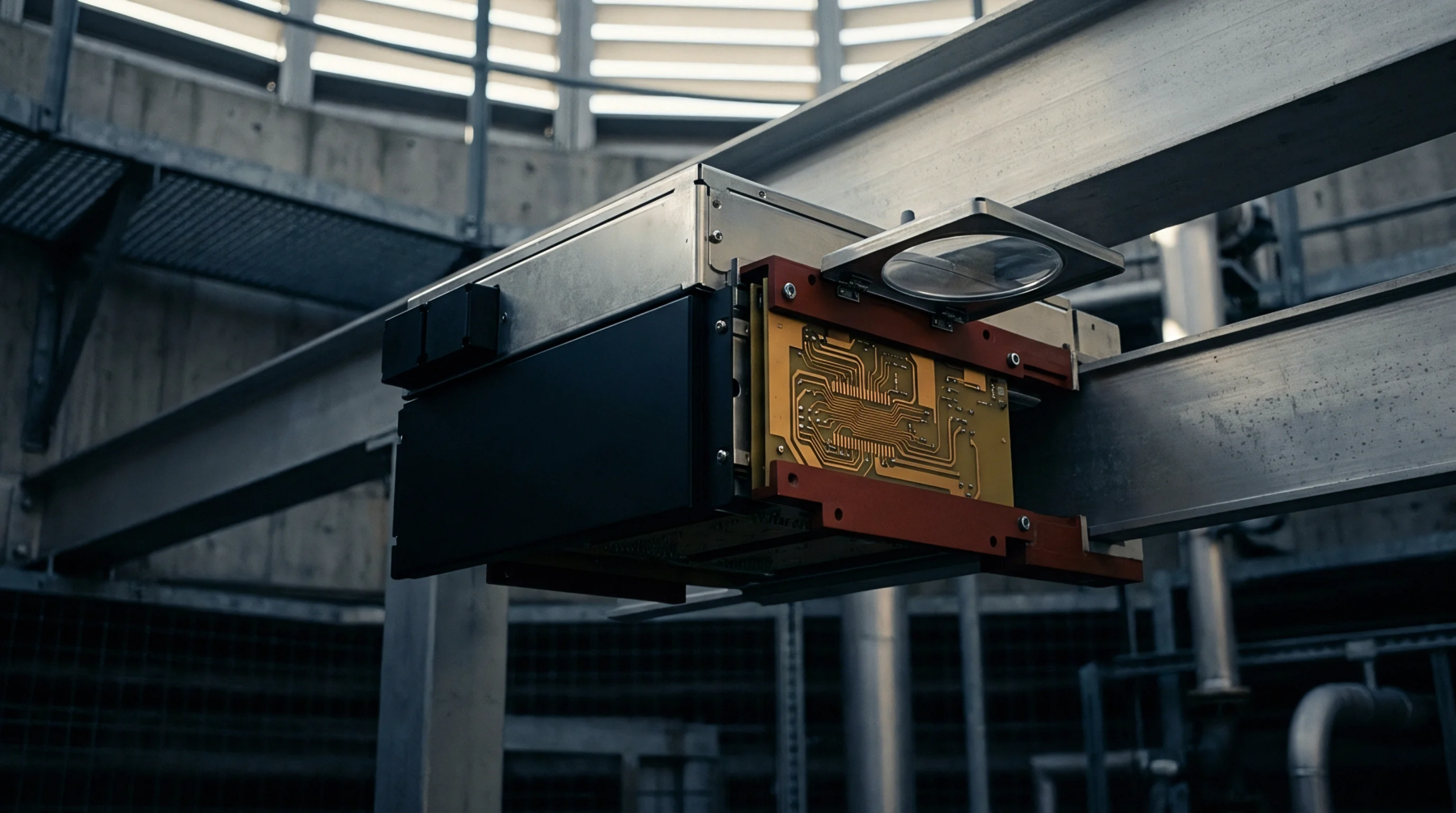
Unshielded limited transmitter grants bind host manufacturers to strict PCB layout, power rail, and chamber re-test protocols before compliance is recognized.

Unaccredited lab test reports require rigorous audit of calibration chains, resolution bandwidth settings, and firmware parameters to survive regulatory surveillance.
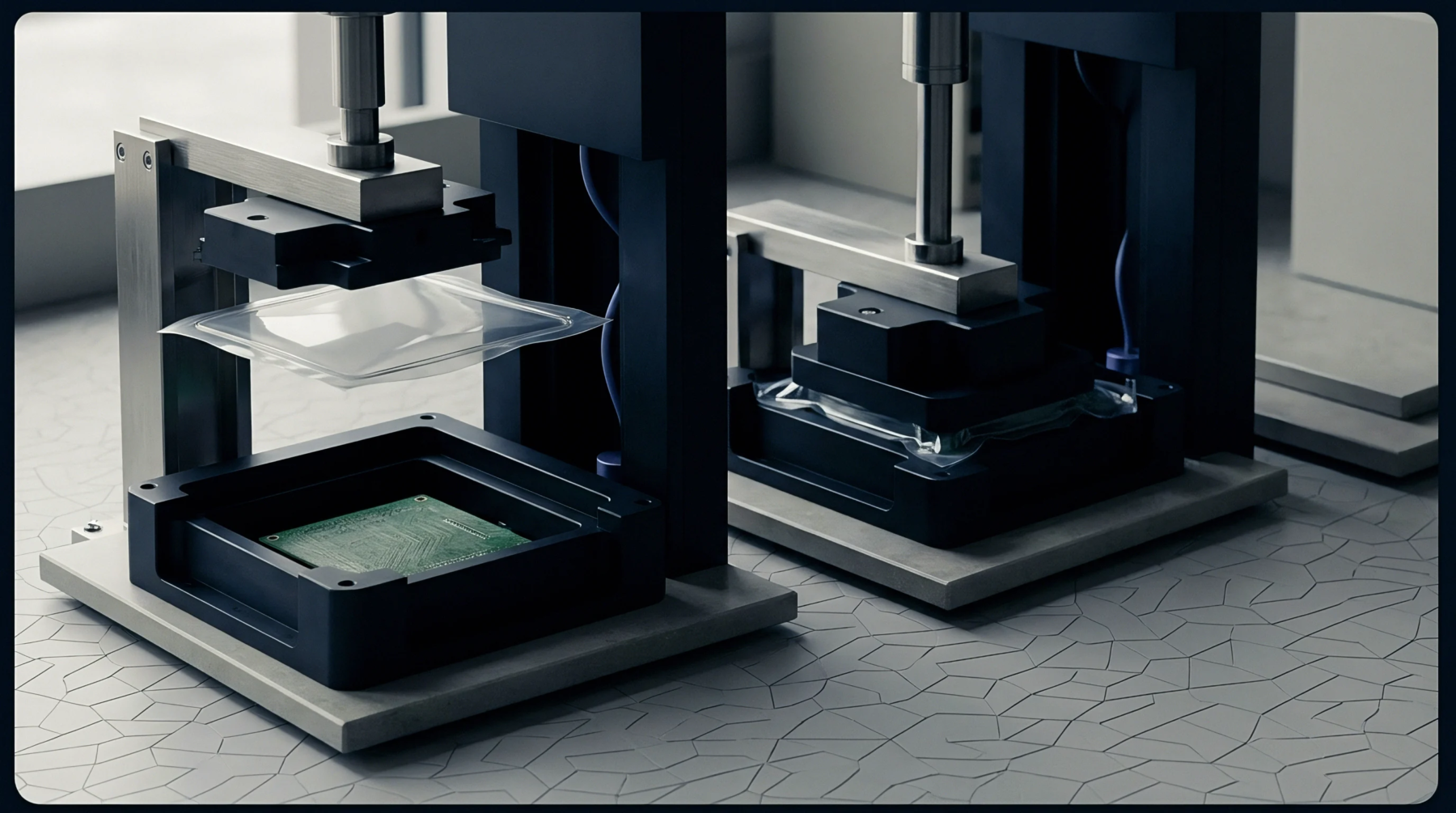
Substituted host antennas qualify for Class II Permissive Changes only when peak gain stays below certified limits and radiative physical structure remains identical.

KC certificate transfer under Korean law requires explicit agent consent or arbitral orders to overcome local representative database binding.
Korean Radio Conformity ownership dictates import clearance rights: foreign manufacturers holding direct grants prevent distributor lock-in and manage market access.

Resolving border clearance failures requires deterministic test firmware defaults and complete outer packaging mark compliance before import shipping.

Collocated industrial transmitters trigger permissive change retesting when radiated intermodulation or combined RF exposure exceeds standalone grant limits.

Evaluating modular wireless approvals requires verifying host PCB layout, co-location limits, permissive change filings, and regional certification timelines.

Radiated spurious scanning determines whether wireless host modifications qualify for Class I permissive status or demand Class II re-filing.

Modular host integration triggers a Class II Permissive Change whenever trace redesigns, antenna swaps, or co-location alter SAR or radiated emissions profile.
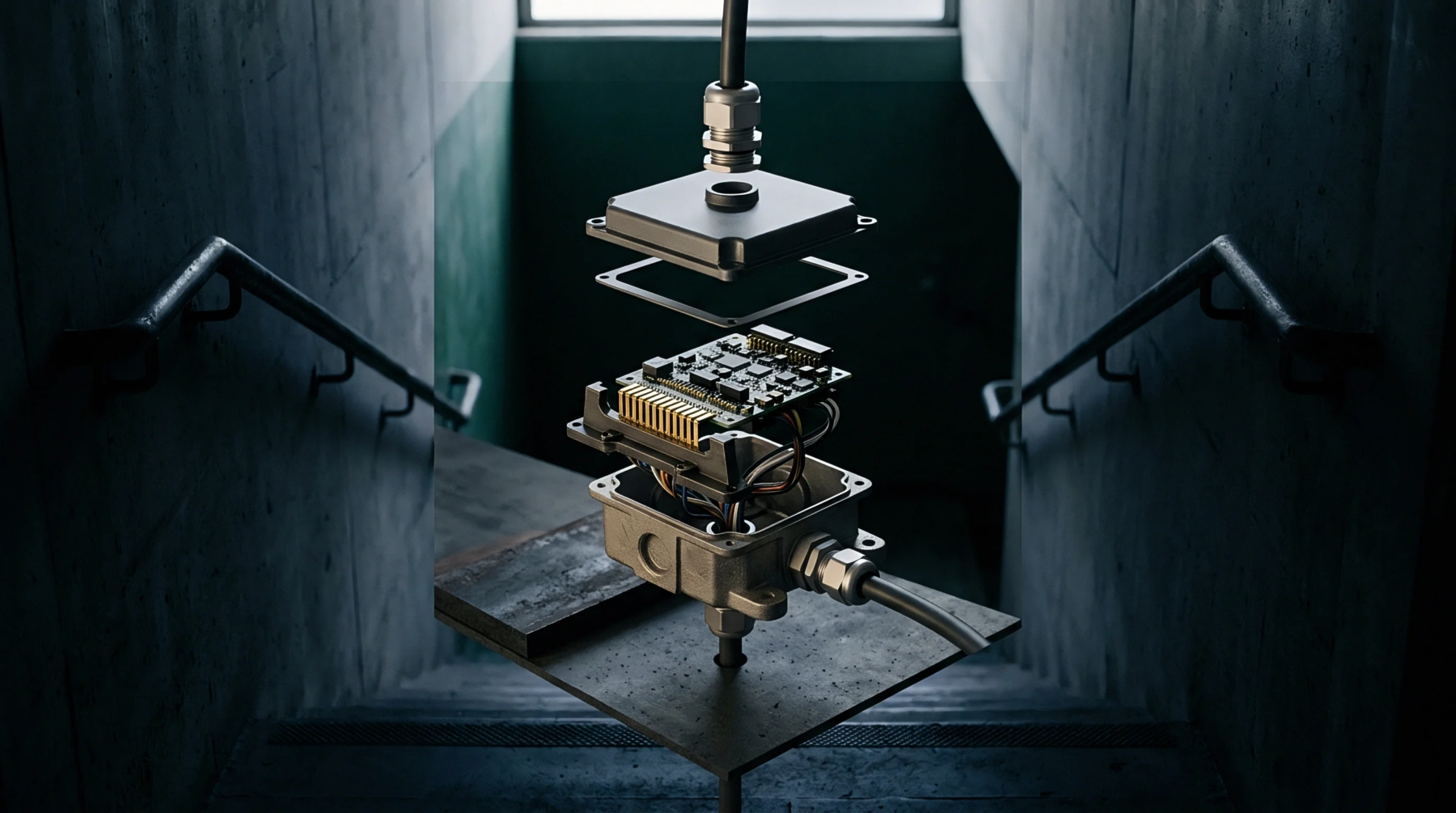
Encapsulating dual band antennas requires pre-tuning trace geometry to offset lower band and upper band dielectric loading shifts before molding.
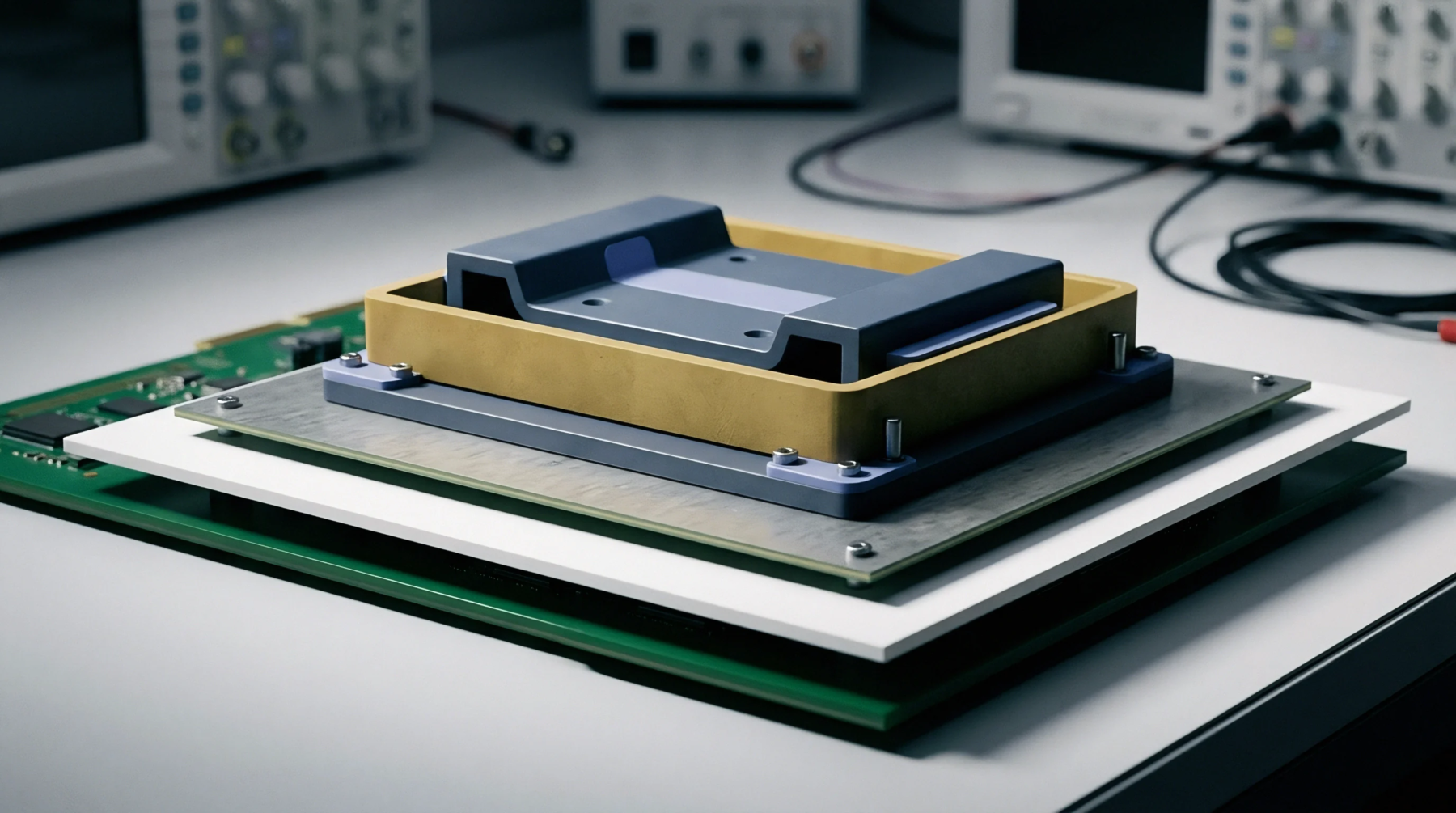
Verifying imported wireless device compliance requires cross-referencing grantee databases, matching host antenna gains, and auditing ISO 17025 test scope.

Anisotropic dielectric drift in composite enclosures detunes integrated antennas during temperature sweeps, triggering radiated compliance failures and re-filings.

Precise W-band dielectric characterization suppresses radome reflection, preventing boresight errors and eliminating costly regulatory recertification cycles.

Dual sourcing radio modules demands strict PCB trace impedance matching, rigorous Class II permissive change tracking, and dual technical documentation archives.

Host integrators assume full regulatory liability for non-compliant RF exposure and spurious emissions whenever physical host enclosure coupling, antenna substitutions, or co-located radios deviate from original modular grant conditions.
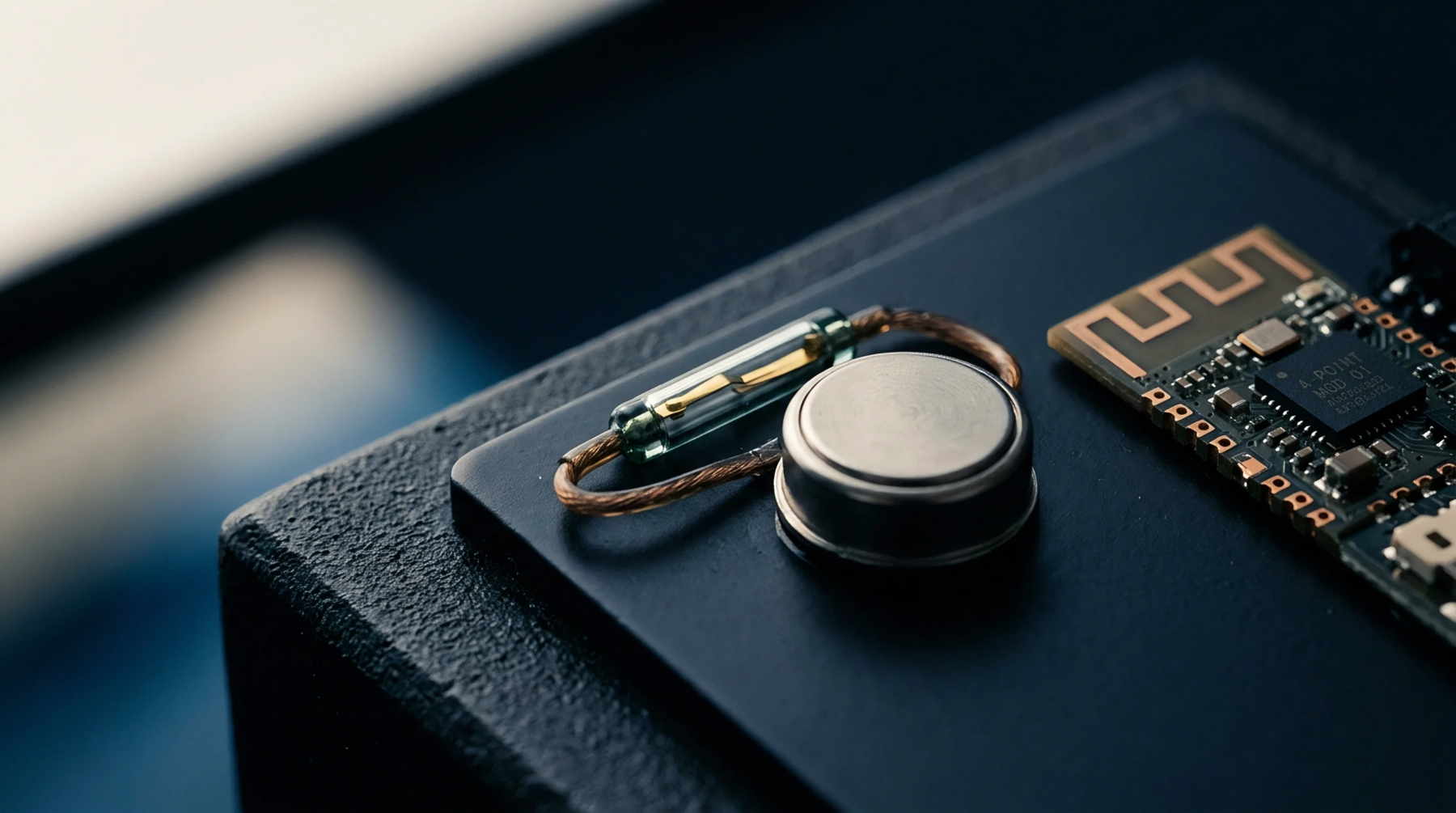
Near field to far field transformation errors in compact pre scan facilities stem from probe positioning, finite truncation, and phase retrieval instability.

Integrating approved radio modules into custom host enclosures alters radiated spurious emissions, demanding targeted spot checks to preserve market compliance.
Expertise is a utility, not a secret. sentiention™ publishes its working knowledge as open reference: intelligence layer covering the materials it sources, the markets it enters, and the reference that serves both.