
The Radio Approvals a Wireless Product Needs to Be Sold
Radio product clearance depends on matching sovereign band allocations, passing radiated emissions tests, managing modular grant scope, and securing in-country representation.
Radio product clearance depends on matching sovereign band allocations, passing radiated emissions tests, managing modular grant scope, and securing in-country representation.

Characterizing polymer permittivity and loss tangent under free-space conditions ensures radar enclosure attenuation remains within strict type-approval limits.
Unlicensed commercial radio access requires precise chamber testing, strict host integration boundaries, and regional type approval filings to prevent customs rejections.

Potting encapsulation shifts multi-band antenna resonance via dielectric loading, requiring precise trace tuning and Class II Permissive Change filings.

Unaccredited test reports and defective declarations expose landed shipments to immediate border detention, mandatory re-testing, and complete inventory writedowns.
Harmonized standard presumption of conformity ends on the Official Journal cessation date, requiring updated test evidence or Notified Body type examination.
Host integrators must verify radiated emissions and RF exposure compliance for the complete assembly because modular radio grants do not cover host coupling.
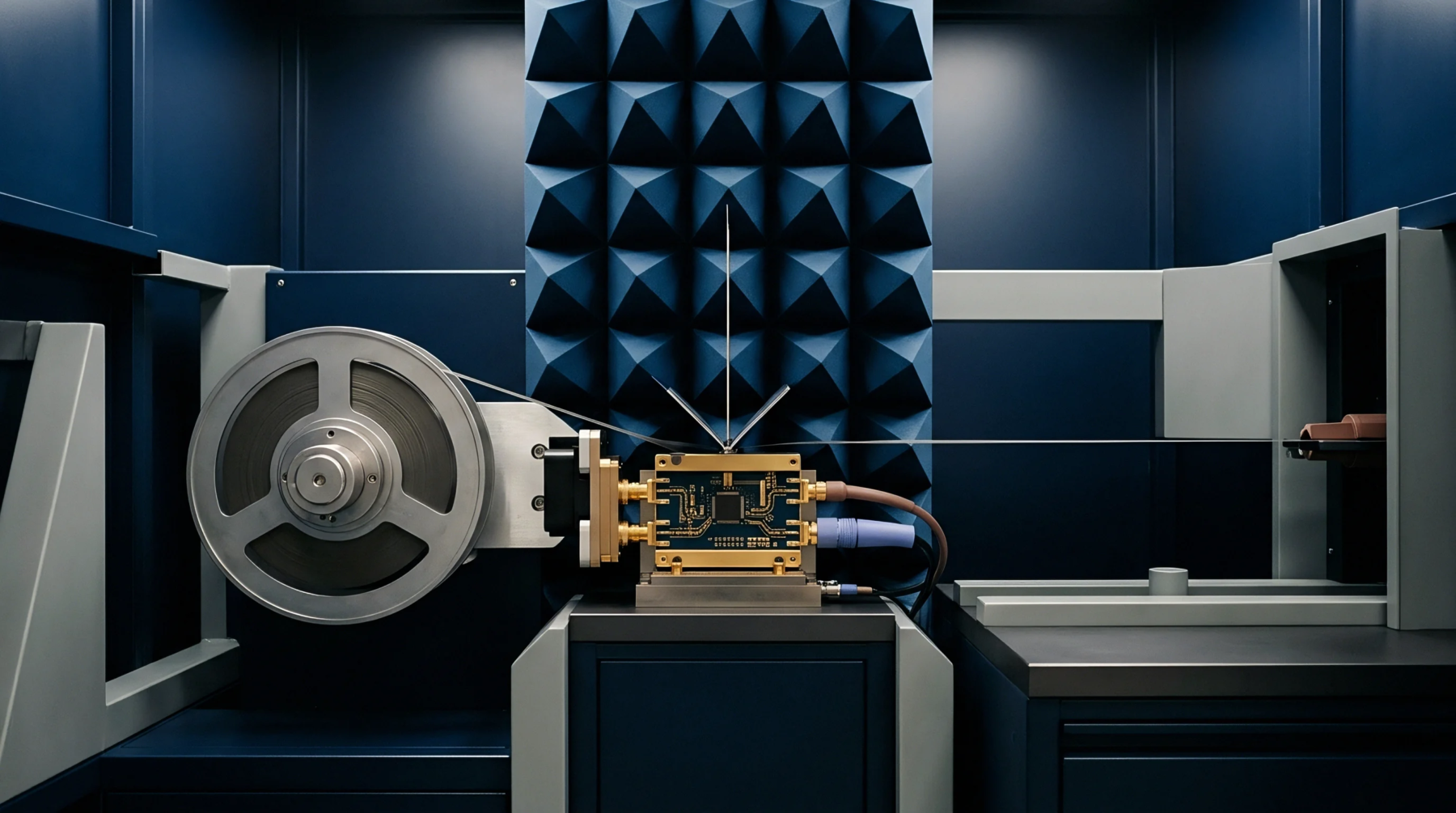
Carrier acceptance testing costs can increase unit landed expenses significantly if antenna integration failures force laboratory re-test cycles.

Modular approvals shorten filing lead times when host layouts preserve trace geometry, enforce shielding limits, and observe strict permissive change boundaries.

Official Journal harmonized standard expiration dates are governed by the Date of Cessation of Presumption of Conformity listed in Commission publications.

Host hardware vendors retain ultimate legal liability for combined device compliance, requiring host verification despite module pre-certification.

Radiated harmonic scans mandate notch filtering, spatial maximization, and rigorous cable loss compensation to prevent front-end receiver saturation and false failures.

Standardizing RF front-end pad layouts allows single-PCB hardware deployments across distinct regional sub-GHz band plans without board respins.
Regional sub-GHz regulatory splits force strict hardware tradeoffs between single wideband BOMs and optimized regional RF front-end variants.

Parametric contract clauses allocate unannounced silicon revision risks by linking physical RF and current draw deltas directly to invoice price reductions.

Resolving multi-radio intermodulation spur failures requires board-level filtering, 20 dB antenna isolation, and verified Class II permissive change filings.
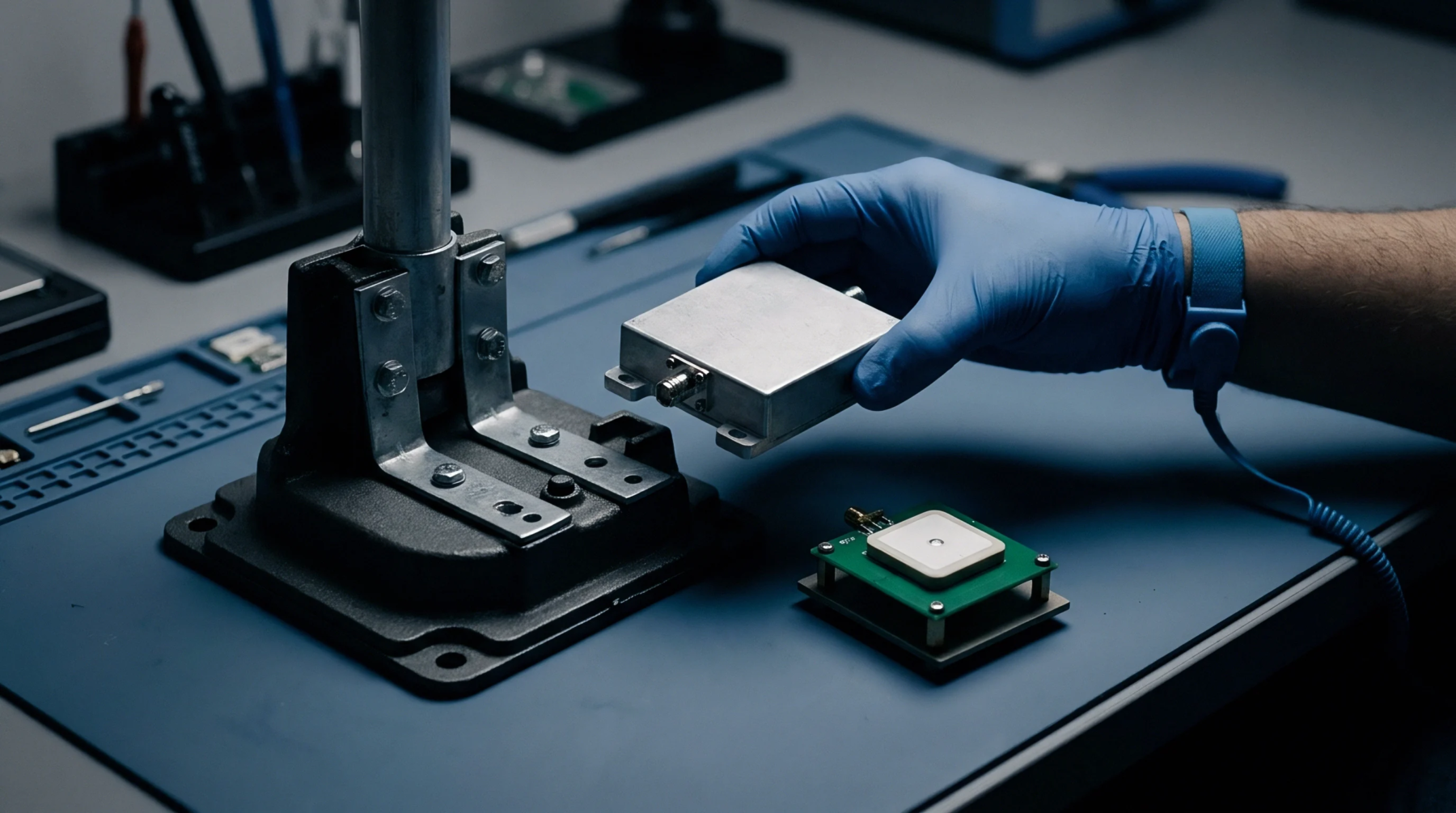
Section 2933 filings transfer FCC equipment authorization to a new grantee code without retesting, provided hardware and circuitry remain unchanged.

RRA compliance demands exact technical track matching, accredited RF and EMC testing, local representative holdings, and correct KC mark layout.

Laboratory radiated delta scans isolate RF emission changes caused by firmware updates to verify modular approval validity without full re-certification testing.

Classifying firmware delta impact before deployment prevents regulatory clock delays across multi-jurisdictional radio type approvals.

Host integrators holding third-party radio modules assume transmitter regulatory liability through trace compliance, filing maintenance, and localized testing.

FCC Part 15 modular rules allow pre-certified radios in host devices provided shielding, power regulation, labeling, and antenna limits match grant guidelines.

Foreign manufacturers must appoint a South Korean domestic representative to hold KC radio conformity grants and retain technical archives.
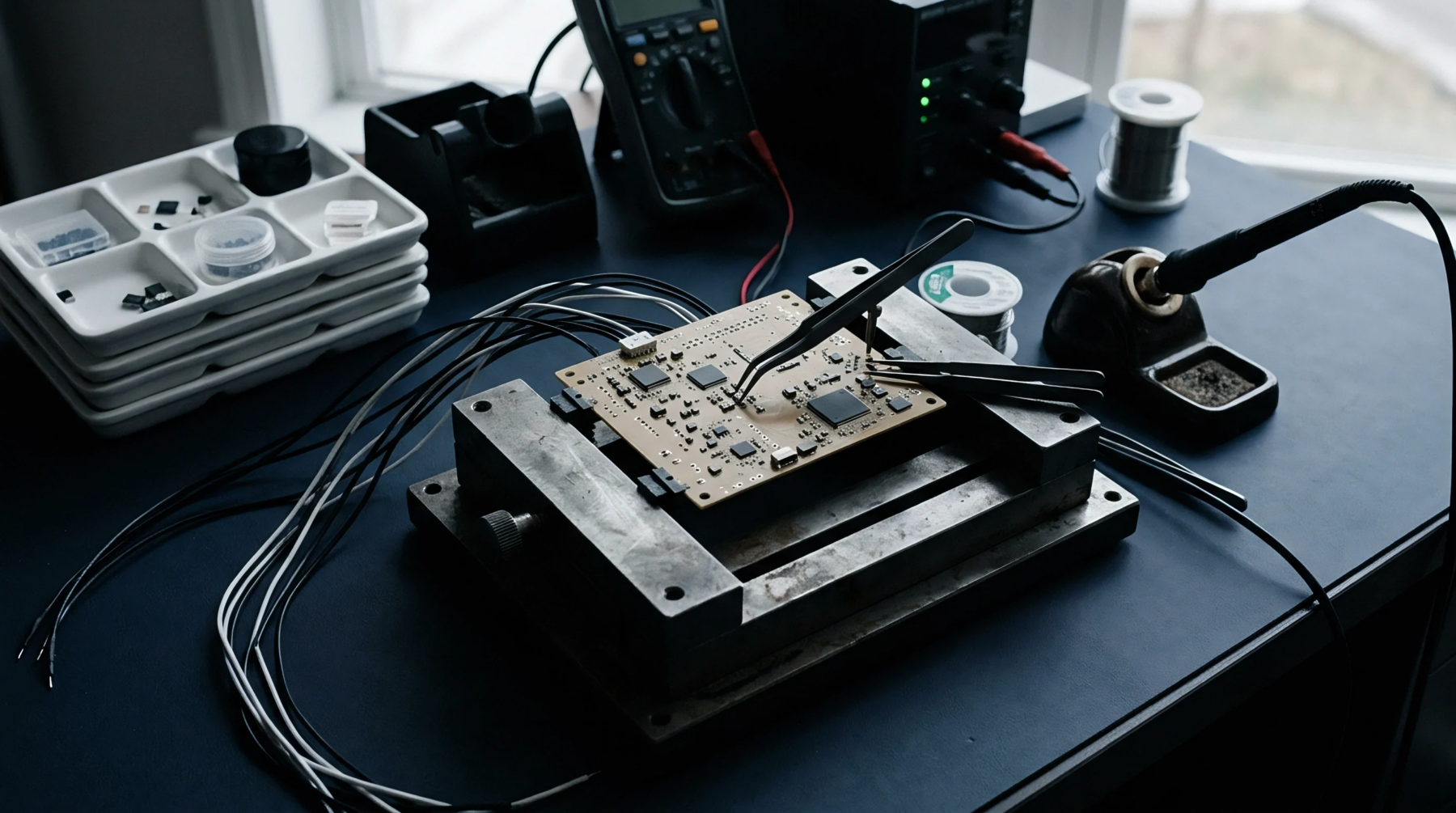
Transferring Korean KC radio registrations requires joint RRA filings, laboratory test report consent, and precise UNI-PASS importer matching to prevent border holds.

Auditing technical files during standard transition windows requires identifying technical gaps between standard versions to determine minimal mandatory retesting.

Carrier conformance testing demands strict optimization of radiated performance and protocol signaling to prevent costly hardware re-qualification delays.

Binding customs rulings freeze tariff codes for dynamic multi-band radios when subassembly hardware features match exact firmware functional execution state hashes.

Thermal gradients across 77 GHz radar arrays cause substrate permittivity drift and phase skew, squinting beams and threatening regional EIRP compliance.
Encapsulating transmitters alters dielectric loading, detuning antennas and shifting RF exposure boundaries, demanding re-evaluation of emissions and SAR compliance.

Dense transceiver enclosures generate common-mode currents and dynamic intermodulation across metal seams, requiring early near-field scanning to prevent costly compliance retests.
Expertise is a utility, not a secret. sentiention™ publishes its working knowledge as open reference: intelligence layer covering the materials it sources, the markets it enters, and the reference that serves both.