
FCC Class II Permissive Change Assessment for RF Exposure Boundary Changes
Class II Permissive Changes for RF exposure require SAR re-testing when host enclosure changes reduce antenna separation distance below 20 cm boundaries.
Class II Permissive Changes for RF exposure require SAR re-testing when host enclosure changes reduce antenna separation distance below 20 cm boundaries.

Modular grants legally cover only certified subassemblies, leaving host manufacturers liable for spurious emissions, co-location, and exterior labeling.

Suppressing high-density radiated spurs demands continuous return planes, sub-millimeter shield apertures, and early far-field pre-scans before certification.

Dense PCB near-field coupling induces receiver desense and radiated spurious emissions, invalidating modular grants and forcing costly board re-spins.
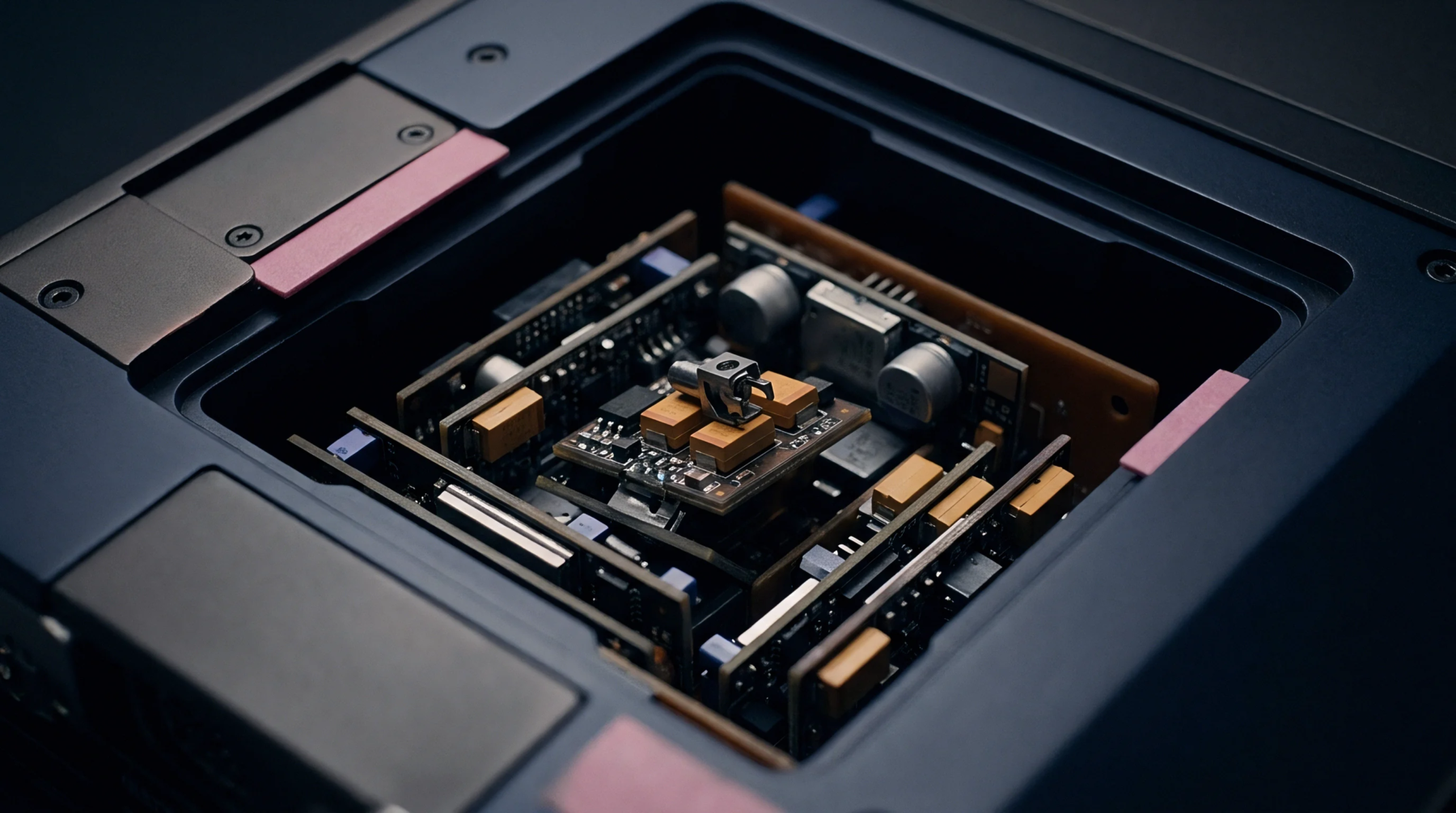
Host chassis material or layout changes require radiated spot-checks and a formal Class II Permissive Change filing whenever spurious harmonic levels degrade.

Modular grants never eliminate host testing: host layout, cabling, and enclosures create composite radiators requiring independent radiated spurious verification.

Managing dielectric dissipation shifts requires coupon cavity testing, pre-bake procedures, and permissive change margin budgets to secure radar type approvals.
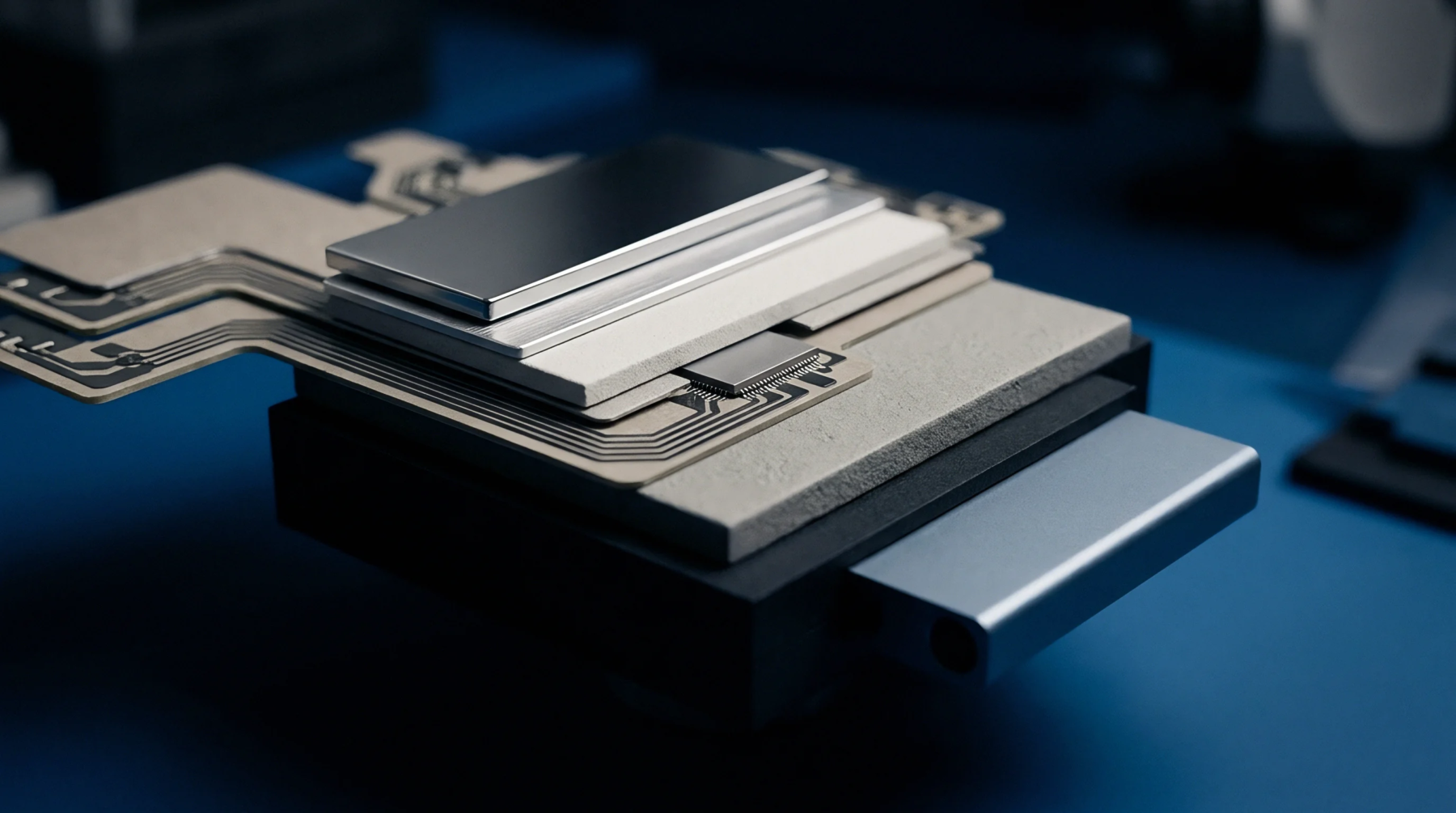
Substrate loss evaluation at millimeter-wave frequencies requires extracting conductor interface roughness and bulk dissipation to protect radiated EIRP margins.
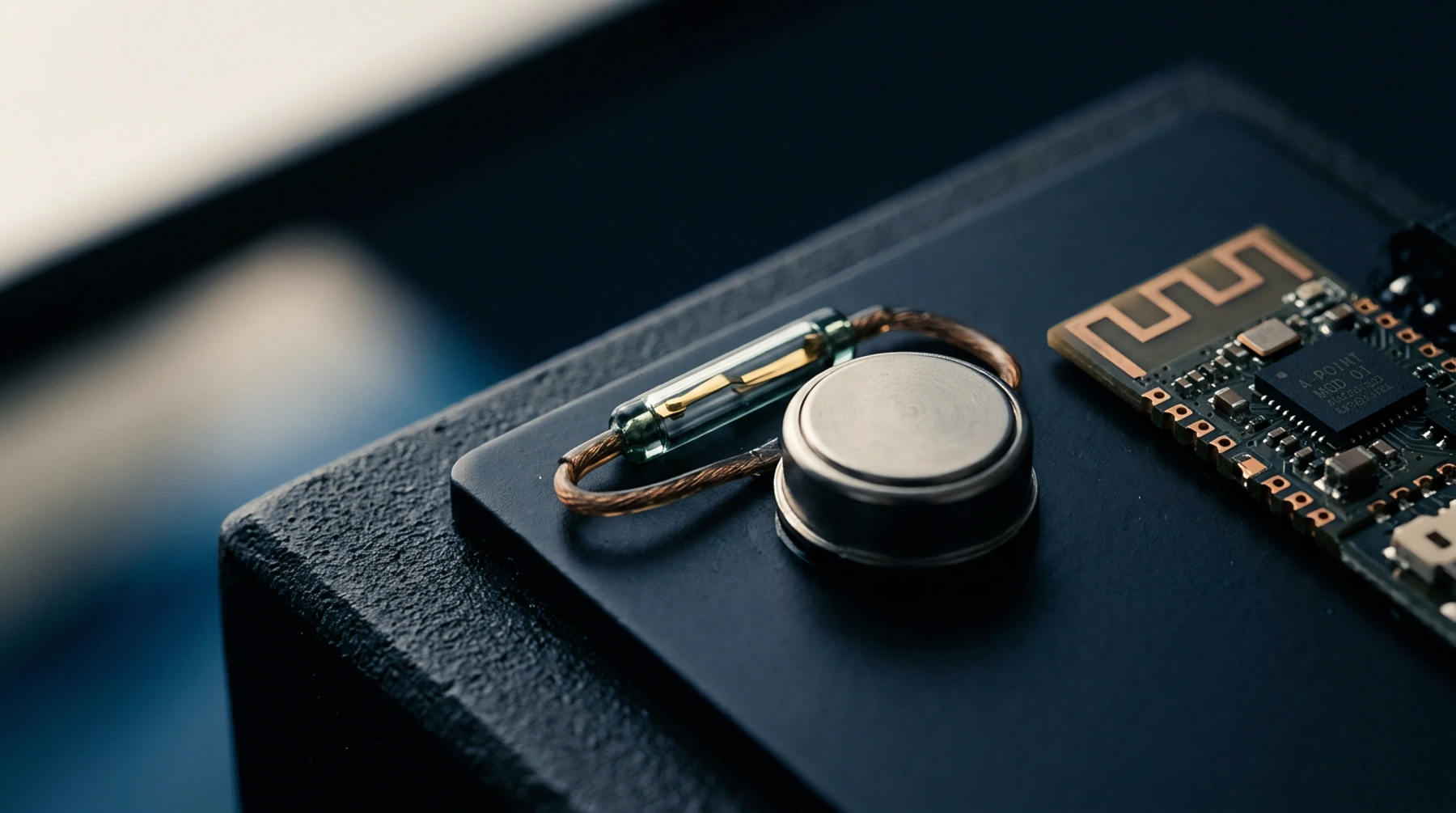
Pre-certified wireless modules bypass intentional radiator testing under 10,000 units, trading higher bill-of-materials cost for immediate regulatory clearance.

Metallic host enclosures induce cavity resonances and seam slot leakage, requiring pre-scans and host-level radiated testing despite modular pre-grants.

A Class II permissive change is required whenever host integration changes antenna type, increases gain, reduces RF exposure distance, or adds collocation.

Harmonizing modular transmitter grant numbers requires locking firmware power tables and mechanical tooling clearances directly to the original grant parameters.

Regulatory compliance labeling transitions require synchronizing injection mold updates, substrate durability tests, and inventory cut-offs to prevent border holds.

Resolve multi-transmitter exposure by summing fractional SAR and MPE ratios below unity; exceeding 1.0 triggers full co-located SAR testing and host filings.

Managing embedded host antenna trace changes requires strict adherence to modular grant layout guides or filing a Class II Permissive Change with chamber data.

FCC modular grants transfer transmitter compliance to host systems only when all shielding, regulation, antenna gain, and exposure rules are met.

Silicon die revisions alter RF harmonics and parasitics, triggering mandatory permissive change filings and regional compliance reviews across global markets.

Unannounced transceiver silicon stepping changes alter RF match, phase noise, and sleep current, demanding automated register checks and strict PCN terms.

Dynamic housing seam deflection modulates contact resistance to generate radiated spurious mixing products that breach statutory limits under vibration.

Harmonic traps suppress cellular spurious emissions to protect co-located Wi-Fi receivers and prevent laboratory retests that delay market filings.

Laminate thickness collapse from uncontrolled resin flow forces costly radio recertification, shifting liability to fabricators only under strict RF covenants.

Allocate radio respin expenses by enforcing IPC coupon data to prove substrate dielectric variance, debiting tooling and testing costs to the responsible vendor.

Regulatory grant custody dictates dual-source viability: the grantee controls Class II permissive change filings, regardless of who financed the hardware design.

Cross-border radio approvals require isolating regional gaps between European receiver-centric standards and North American transmitter-focused filing grants.
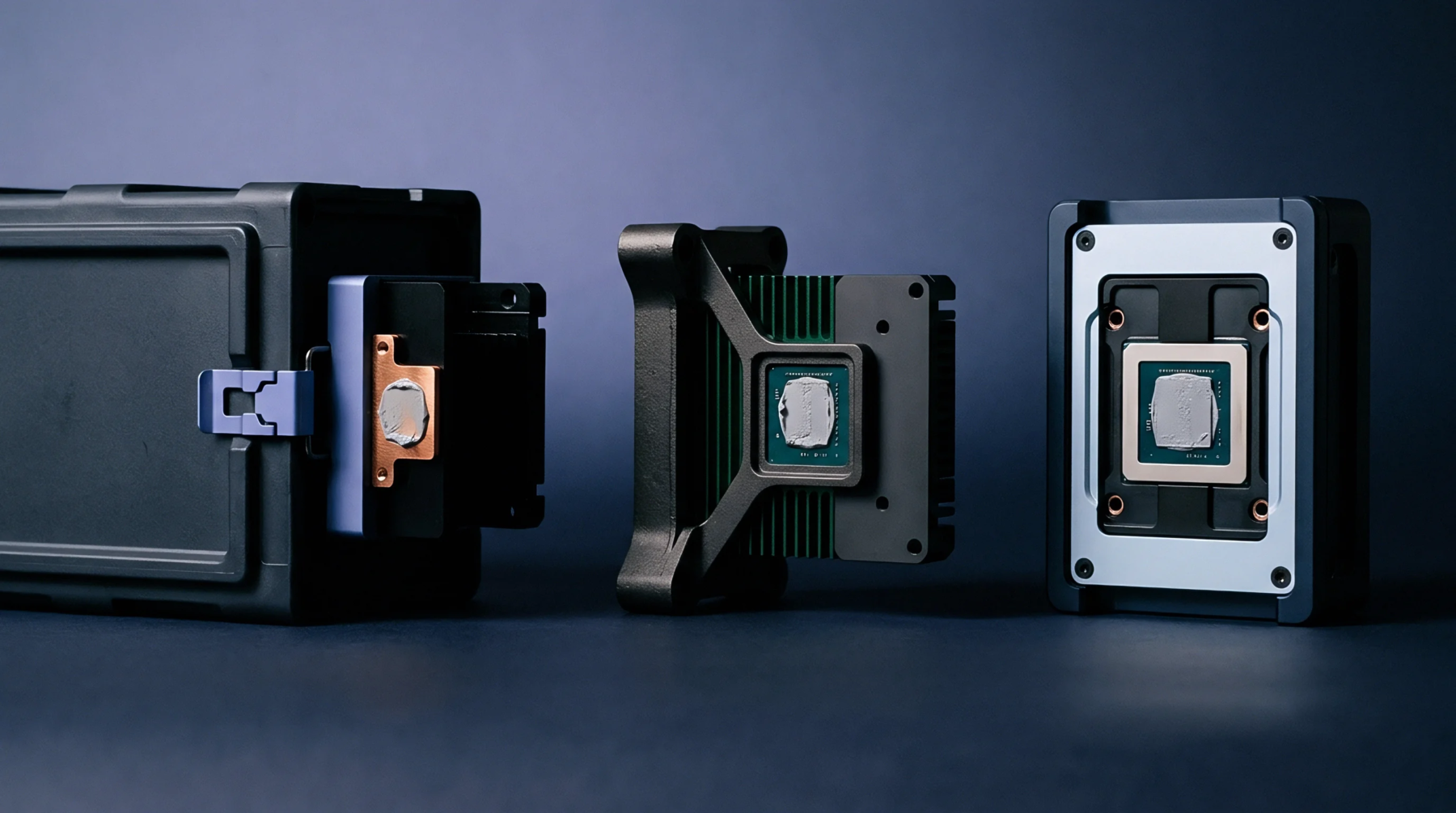
Cross-border radio clearance requires aligning host antenna gains and trace layouts with modular grant limits to avoid entry holds and permissive changes.

Radio assembly classification turns on standalone RF transmission capability while dutiable valuation requires full reconciliation of offshore assists.
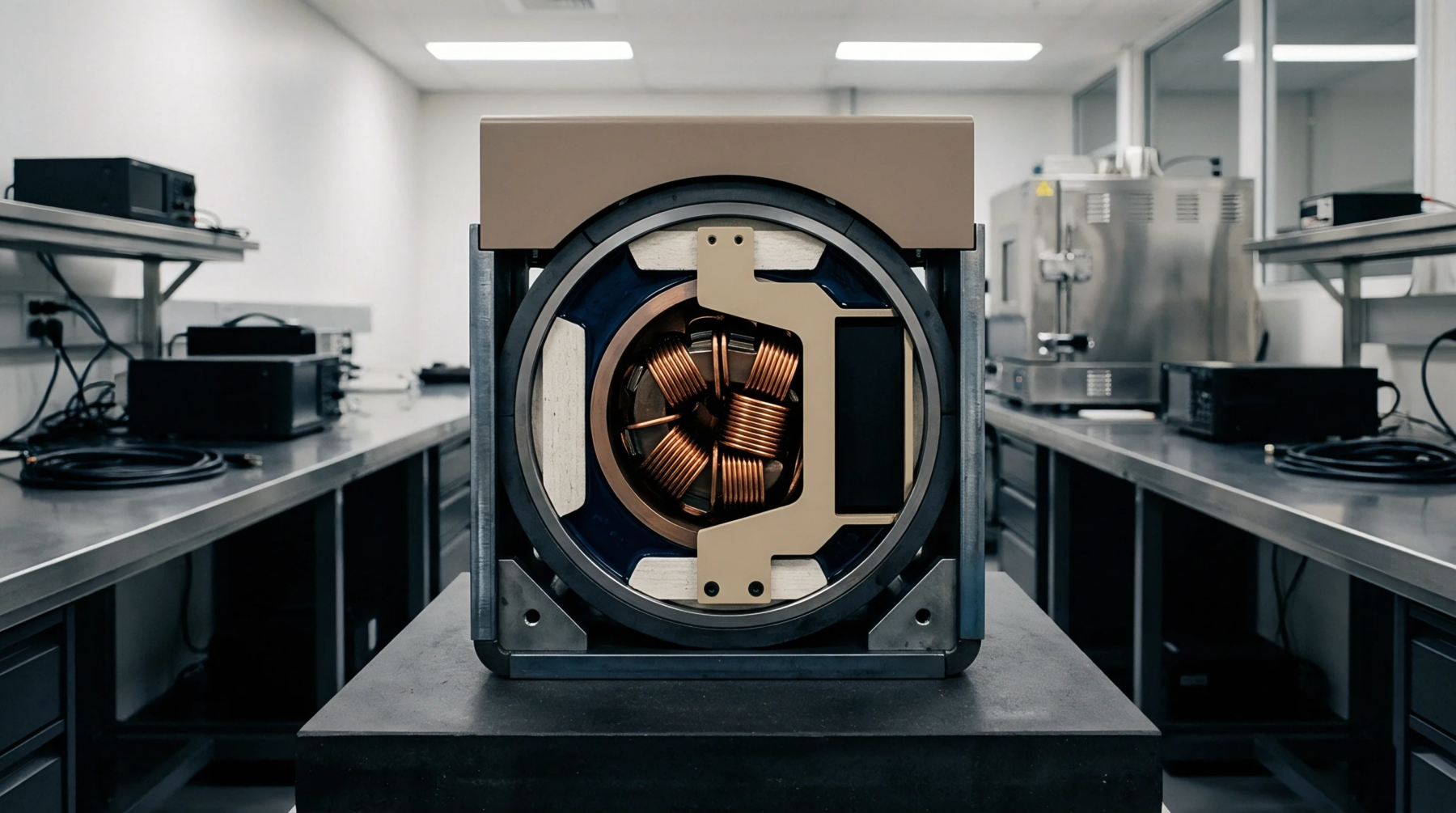
Adaptive boundary regularization prevents spurious spectral growth in overmoded enclosures, securing repeatable electromagnetic test data before lab filing.

Exclusion of simultaneous wearable SAR requires summing individual link ratios below unity under KDB 447498 D04 using maximum factory tune-up power limits.

Metallic host enclosures induce cavity resonances and seam radiation, turning modular radios into compliance risks requiring co-location and emission scans.
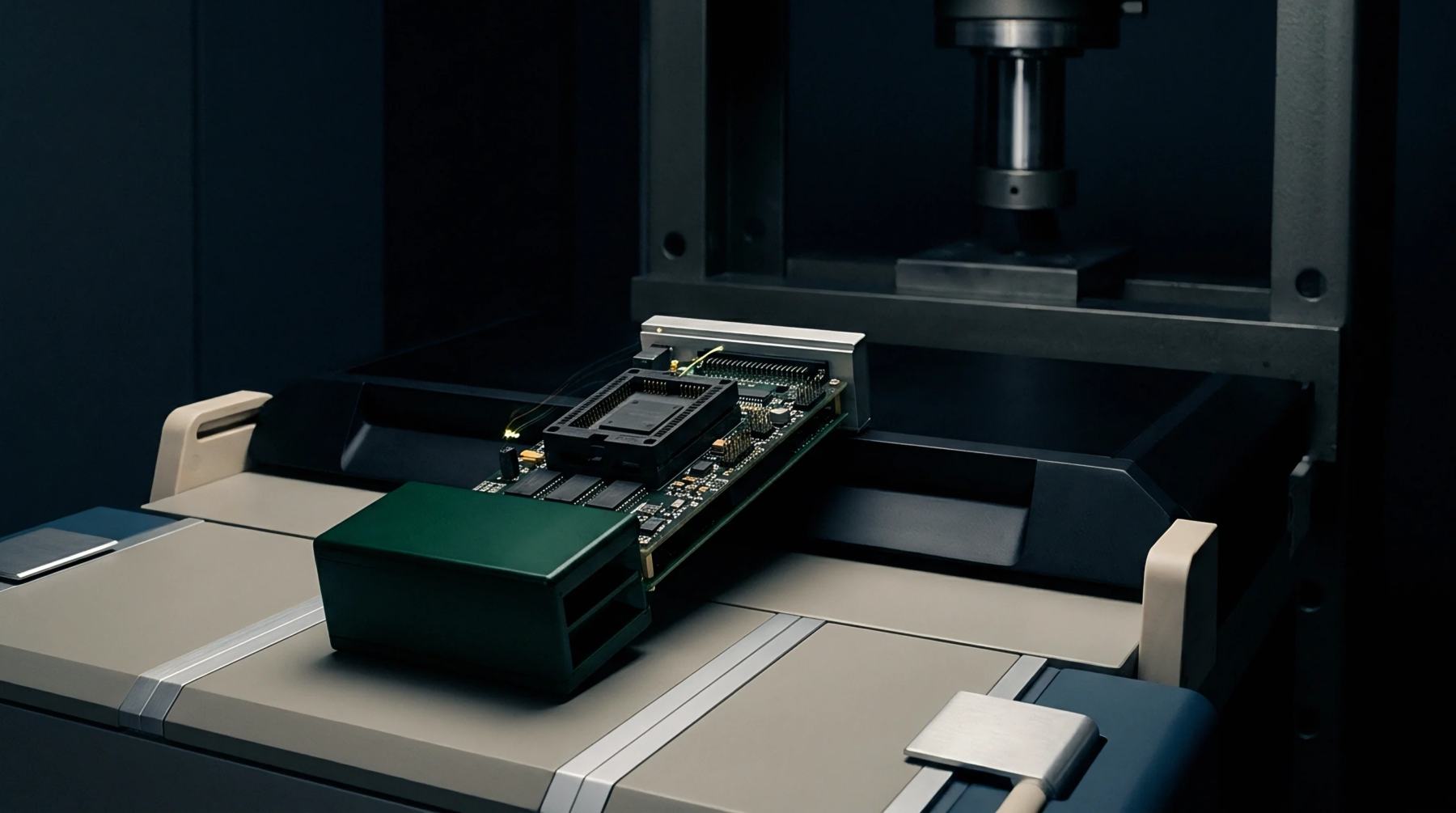
Host modular envelope boundaries end where layout traces, enclosure clearances, or SAR margins deviate from original certification integration instructions.
Expertise is a utility, not a secret. sentiention™ publishes its working knowledge as open reference: intelligence layer covering the materials it sources, the markets it enters, and the reference that serves both.