
FCC Part 15 Subpart C Radio Module Sourcing Basics
FCC Part 15 Subpart C module sourcing hinges on verifying full modular grants, honoring antenna trace geometries, and testing host unintentional emissions.
FCC Part 15 Subpart C module sourcing hinges on verifying full modular grants, honoring antenna trace geometries, and testing host unintentional emissions.

Unannounced RFIC silicon stepping changes exceeding 0.5 dB conducted power or 3 dB spur limits invalidate modular grants, forcing Class II Permissive Changes.

Host ground planes and cables convert module harmonics into illegal radiation, voiding modular grants and forcing costly Class II Permissive Change retests.

Radiated spurious emissions demand system-level chamber validation because host board traces, power ringing, and housing detuning invalidate standalone grants.

Synchronizing cross-border radio re-certification depends on pre-scanning host harmonic emissions to bridge regional limit gaps before filing permissive changes.
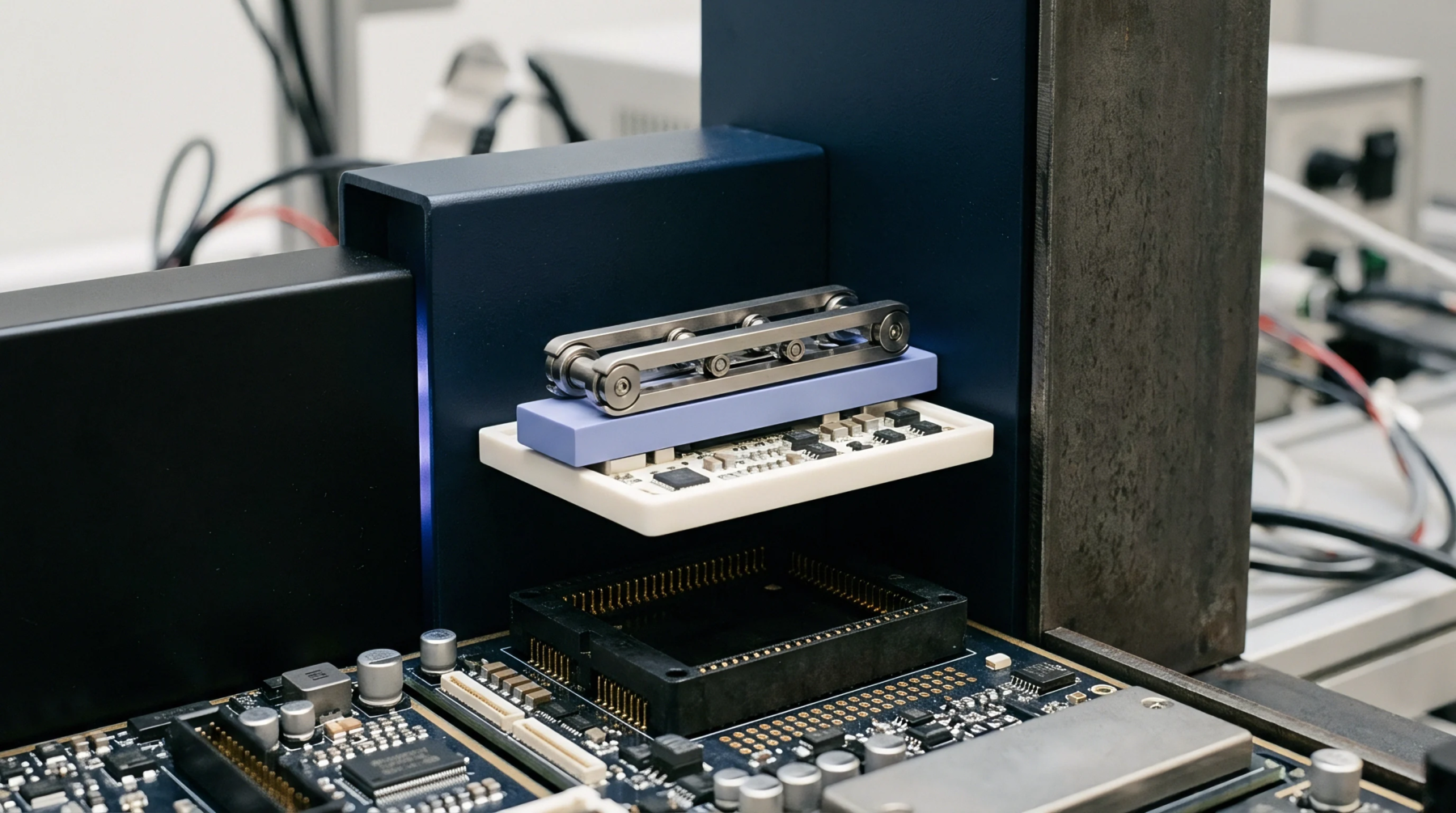
Software changes to SDR receiver parameters alter local oscillator emissions and blocking, dictating 3-to-12-week permissive change filing lead times.
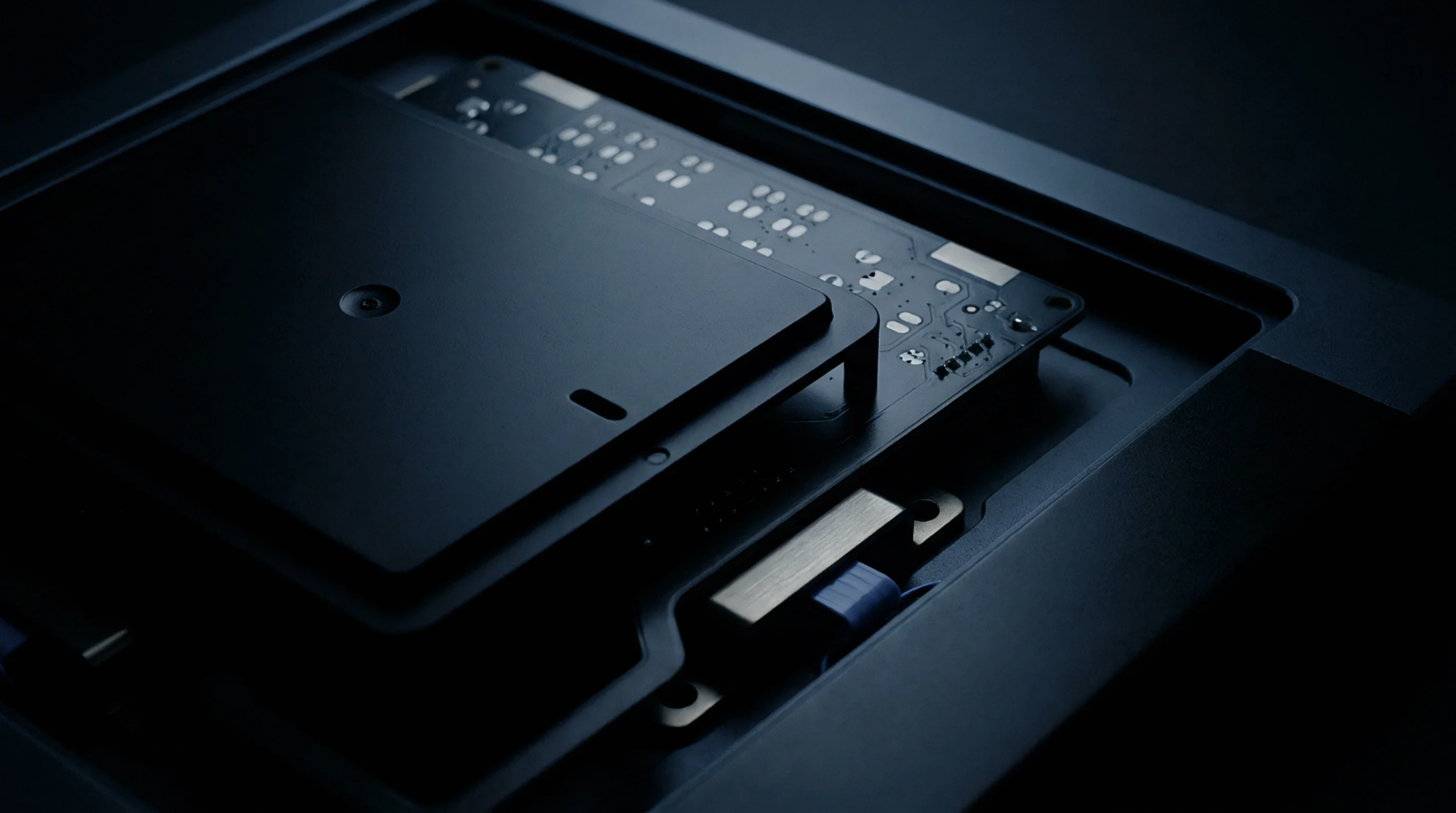
Modifying wireless module firmware registers invalidates modular type approvals, turning certified products into unapproved transmitters subject to immediate seizure.

Quantifying host spurious coupling requires far-field scans comparing factory and modified firmware to verify radiation margins against regulatory limits.
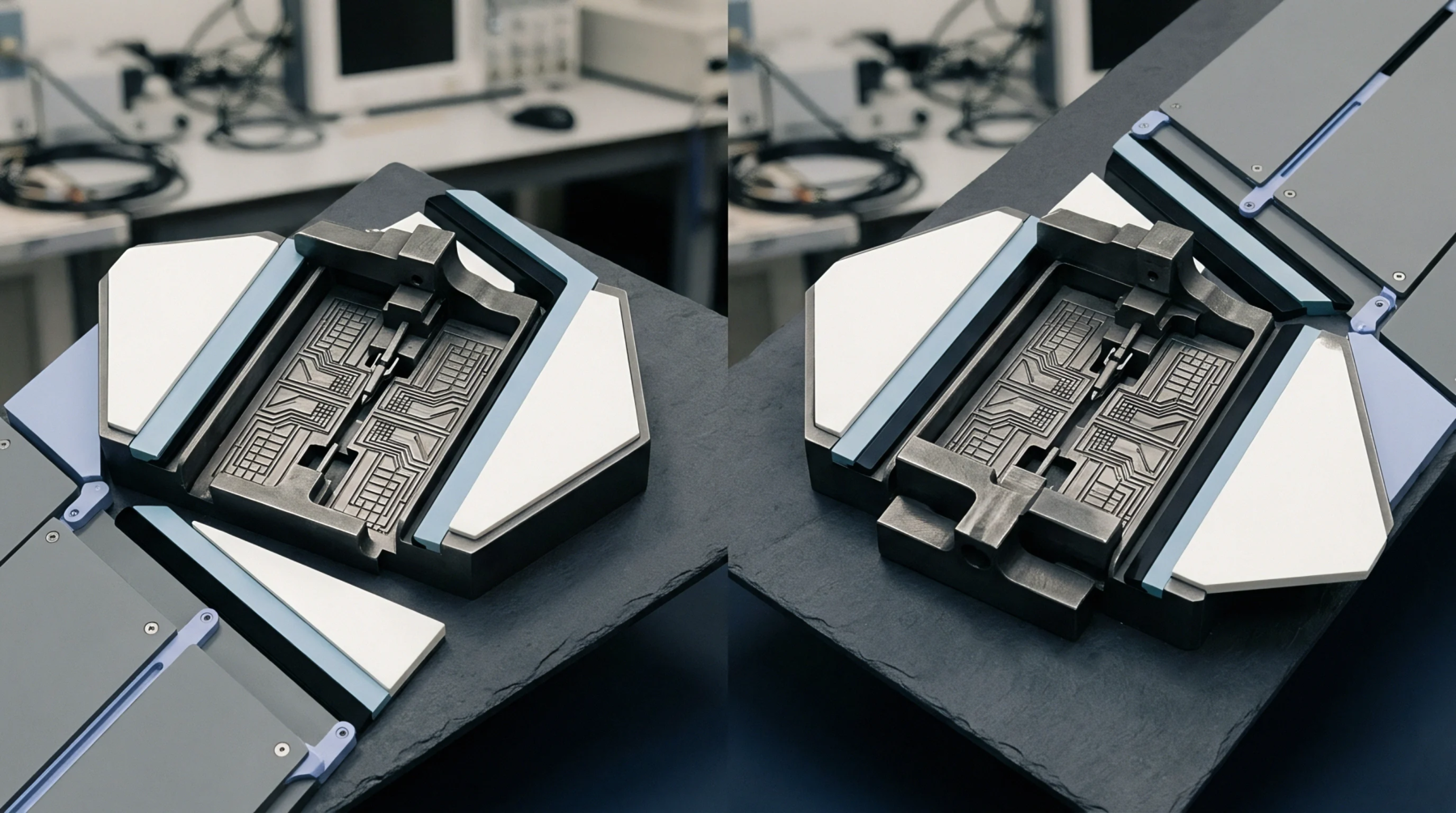
Firmware updates modifying transmitter power, duty cycle, or spurious emissions demand a Class II Permissive Change filing before deployment.

Class Two permissive changes trigger whenever transceiver integration alters antenna gain, exposure distance, or co-transmission margins beyond granted limits.

Metallic housings alter antenna geometry and cavity resonance, forcing Class II permissive changes or complete system recertification when emissions shift.
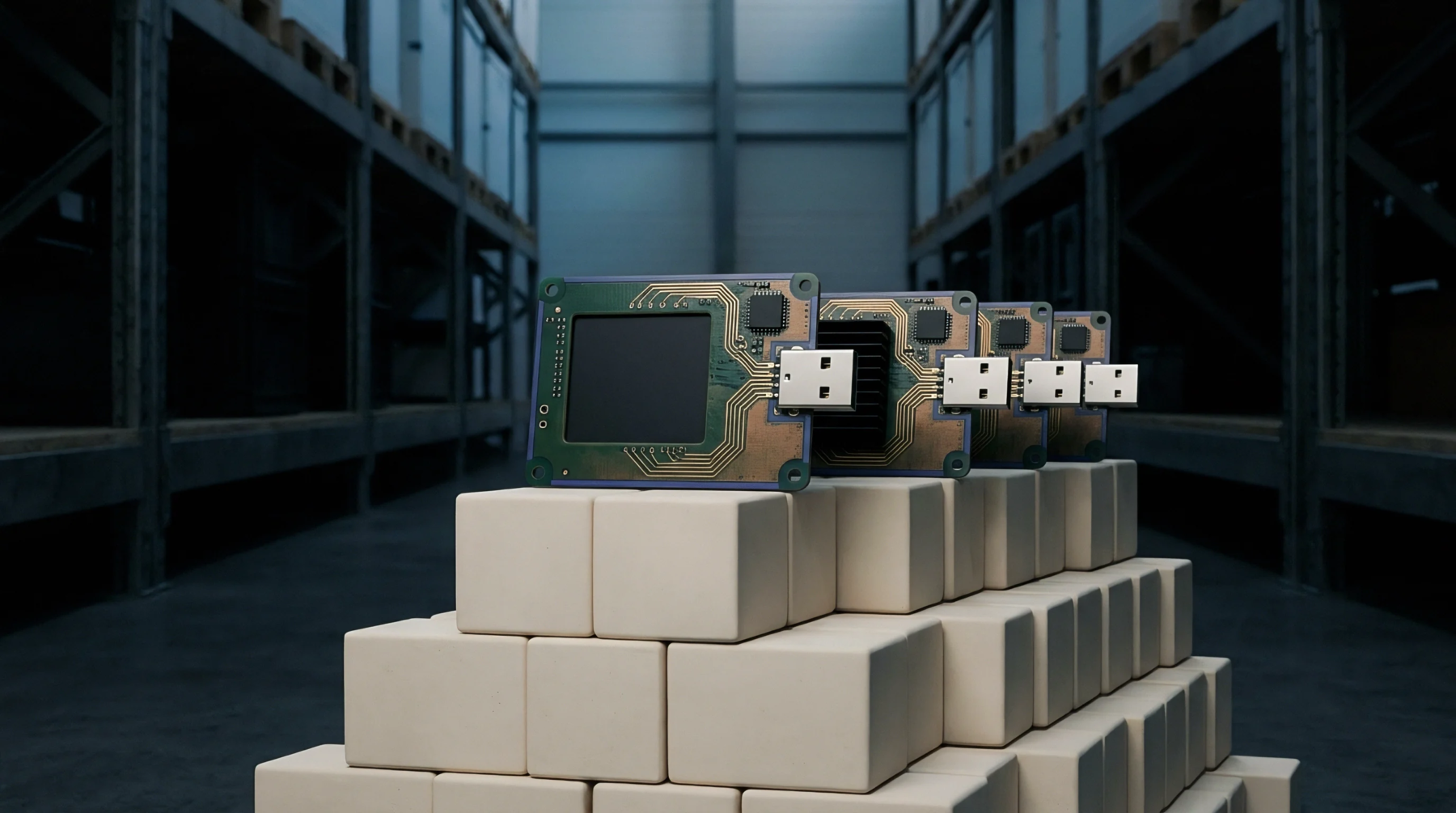
Closing white-label radio approval gaps requires mandatory host-level radiated testing, unredacted technical files, and local legal agent appointments.

Lock module supplier permissive change filing obligations into master sourcing contracts to prevent production halts during host radio design modifications.

A modular FCC grant covers only the standalone radio; host integrators remain legally liable for Part 15B testing, trace rules, and simultaneous emissions.

Class II permissive changes demand precise radiated spot-checking and grant ownership alignment across diverging international certification frameworks.

FCC modular approvals demand an authentic grantee authorization letter matching active database signatories to legally rebrand or modify an existing radio file.

Maintain Class II authority over closed-source modules by executing a Change in ID to secure an independent grant, then filing host test data directly.

Managing documentation chain of custody links physical hardware equivalence to active root grants, preventing sudden global market distribution bans.

Modular grants never cover multi-transmitter intermodulation spurs, requiring early host-level testing to prevent costly regional regulatory certification delays.

Modifying host PCB layout or antenna spacing invalidates modular Grants, requiring Class II Permissive Changes or full chamber re-testing before market entry.

Co-located modular radios generate intermodulation emissions that require physical antenna isolation, bandpass filtering, and simultaneous transmission compliance filings.
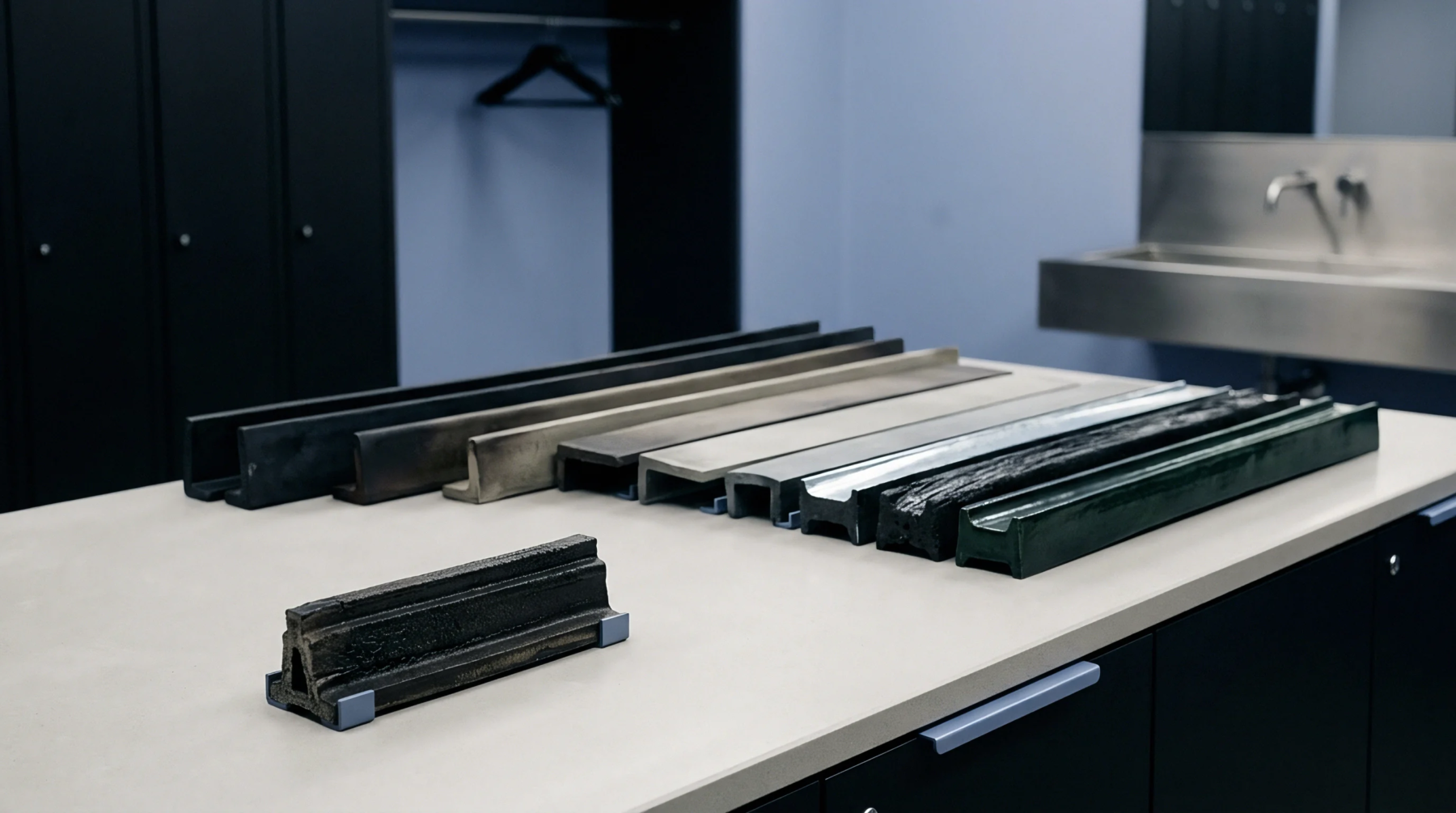
Managing polymer dielectric dispersion requires matching host substrate anisotropy to original modular grant limits to avert Class II permissive change retests.

Co-located intermediate hosts trigger Class II Permissive Changes when combined antennas within twenty centimeters exceed total exposure ratio limits.

Host carrier board layout changes altering RF trace geometry or ground plane integrity mandate radiated emission spot checks to verify Class I exemption or force Class II filing.

Host modifications altering antenna types, SAR distances, or collocated emissions dictate either internal Class I logs or formal Class II regulatory filings.
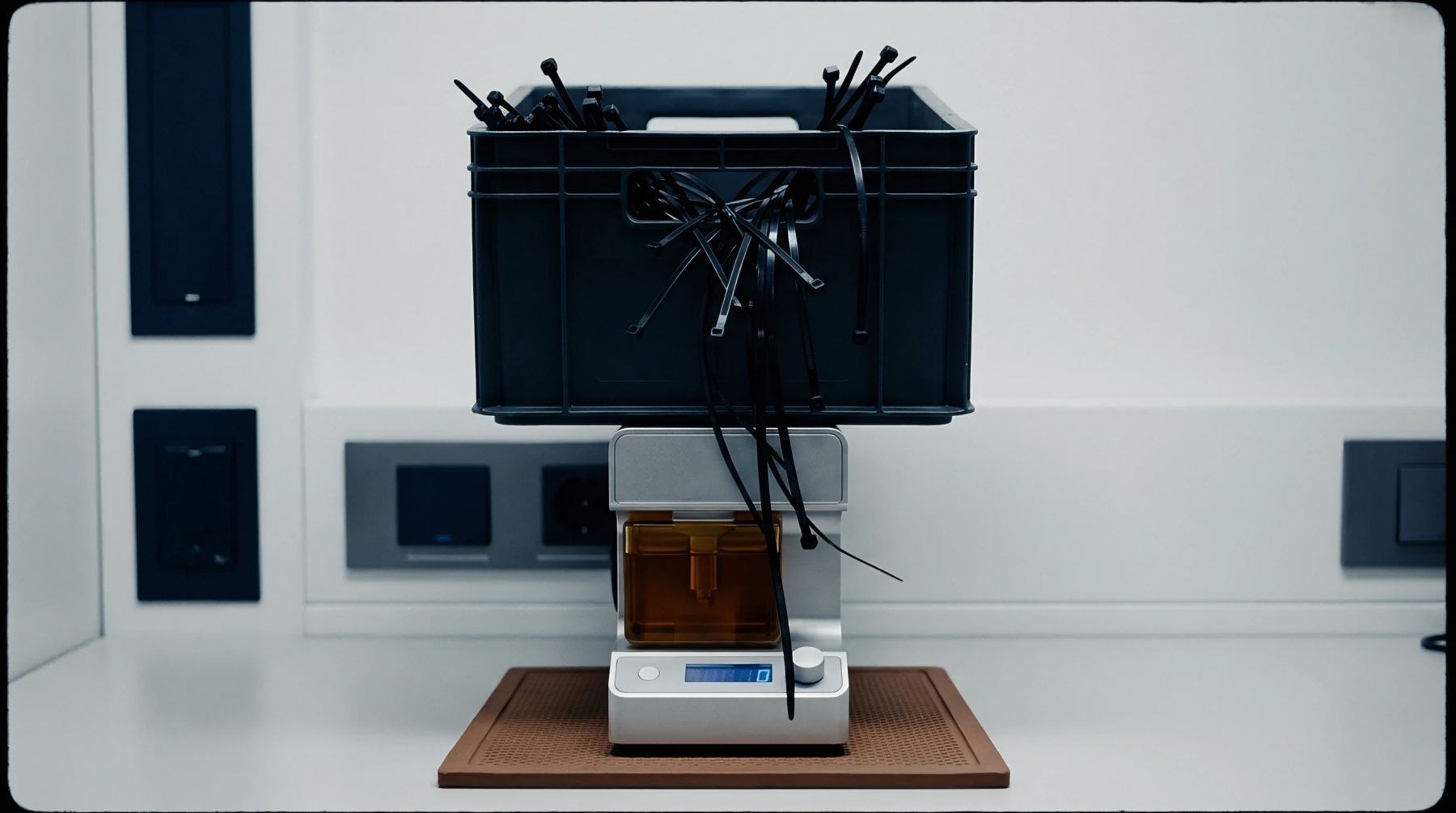
Enclosure plastic permittivity shifts detune integrated antennas and elevate radiated harmonics, converting modular paperwork into expensive Class II chamber filings.

Polymeric housing permittivity and joint apertures detune internal antennas and leak harmonic energy, turning resin selection into a regulatory approval risk.

Cross-border radio approvals fail when dynamic data portability commands cause baseband current spikes that degrade transmitter spurious emission margins.
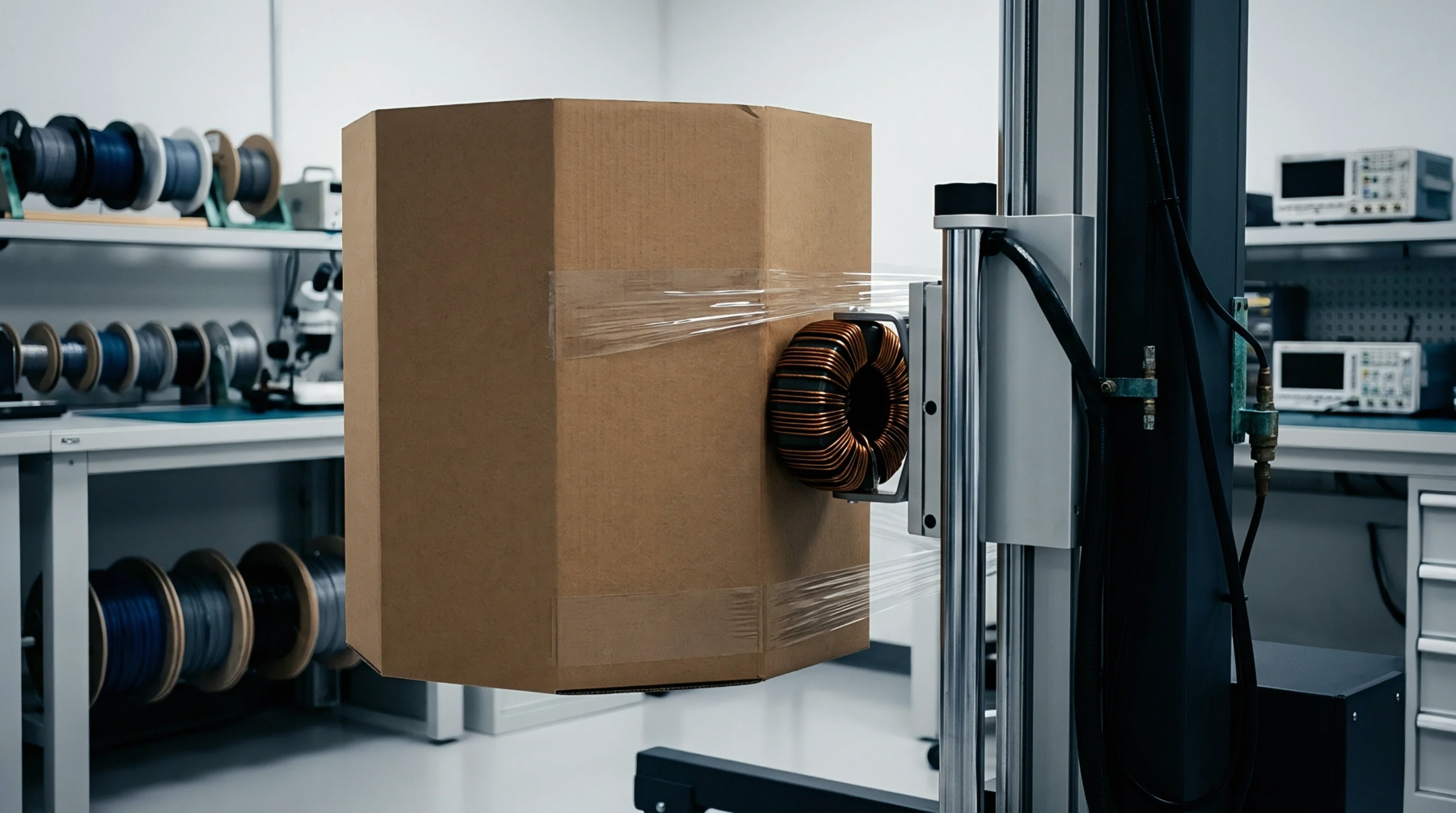
Transfer regulatory grants without retesting through Section 2.933 filings by proving legal chain of custody, BOM parity, and unredacted test report access.

Dynamic frequency selection and simultaneous transmission permissive changes require dedicated radiated intermodulation scans and agency pre-approval reviews.
Expertise is a utility, not a secret. sentiention™ publishes its working knowledge as open reference: intelligence layer covering the materials it sources, the markets it enters, and the reference that serves both.