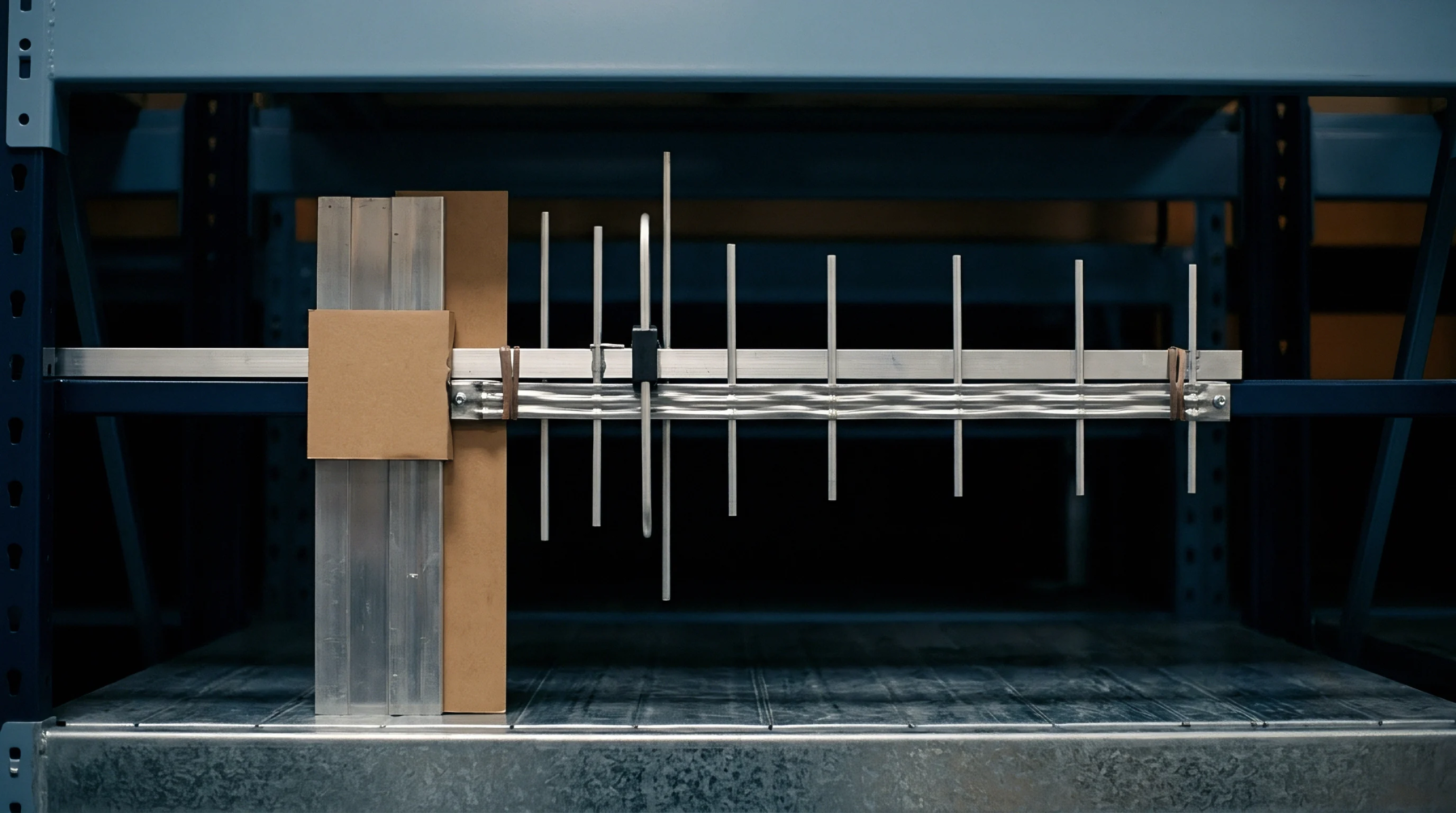
Optimizing Polymer Gel Fraction Metrics for Low Antenna Detuning
Gel fraction metrics above ninety two percent prevent moisture induced permittivity shift and eliminate radiated spurious emission failures in encapsulated antennas.
Gel fraction metrics above ninety two percent prevent moisture induced permittivity shift and eliminate radiated spurious emission failures in encapsulated antennas.

Predictive electromagnetic modeling coupled with mold flow simulation identifies polymer shrinkage detuning before tooling release to maintain dual band compliance.

Encapsulating a certified antenna assembly alters dielectric loading, requiring radiated emission re-testing to classify global regulatory change thresholds.

Mitigate overmolding antenna detuning by pre-shifting unencapsulated resonance frequencies upward and validating dielectric permittivity shifts in anechoic chambers.
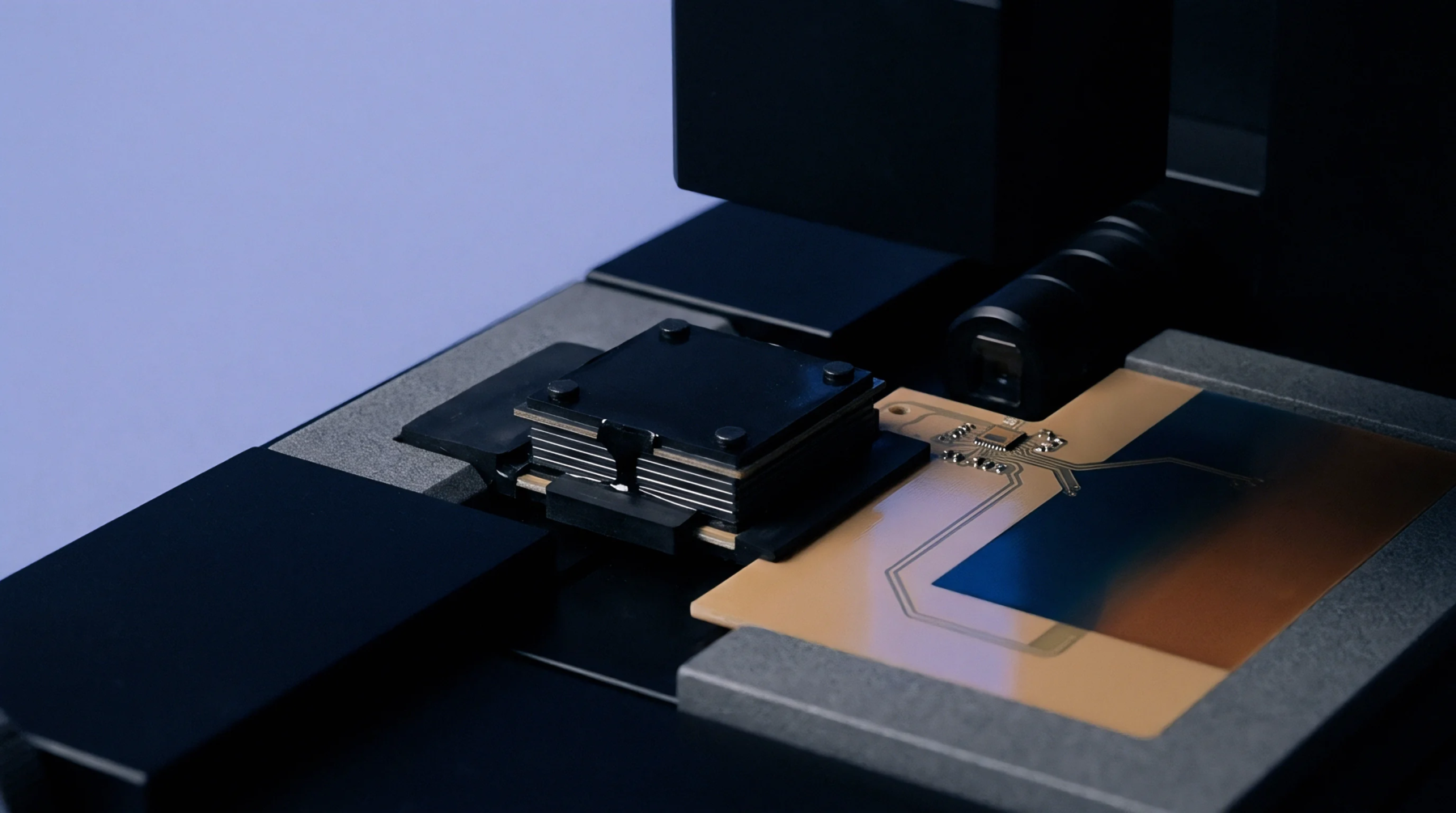
Automated radiated emission testing across stepped battery depletion levels isolates brownout regulator noise spikes before formal carrier and FCC approvals fail.

Harmonizing modular radio scopes across customs points requires matching external host labels to upstream grant IDs backed by a host-level technical dossier.

Resolving host radio customs holds requires executing an accredited Class II Permissive Change to align modular grant scope with final host hardware geometry.
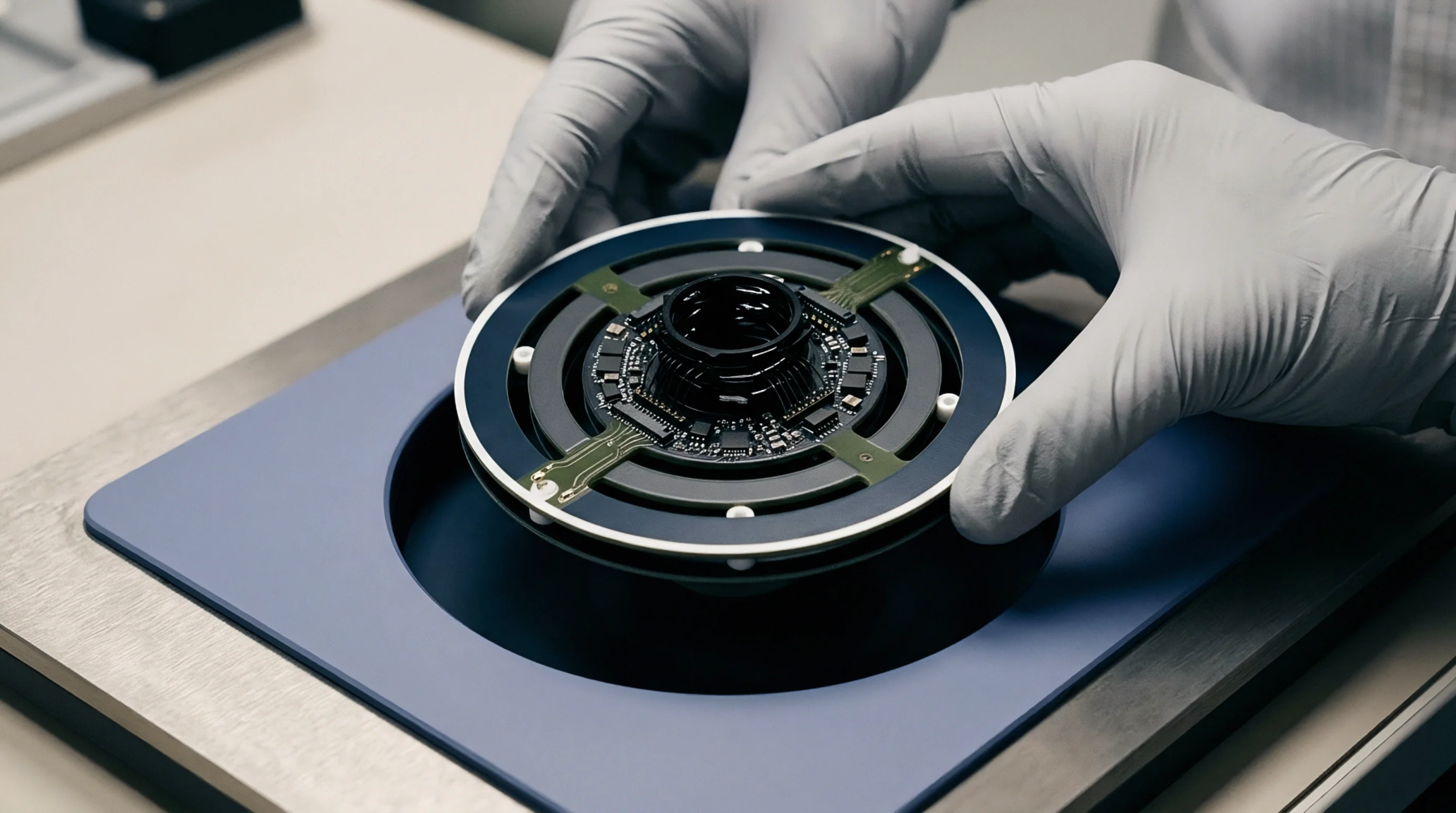
Resolve import grant discrepancies by transferring cargo to bonded storage, executing Class II permissive changes, and completing supervised relabeling.

Resolving regulatory discrepancies requires binding supply agreements, host radiated validation, precise regional firmware power caps, and escrow reserves.
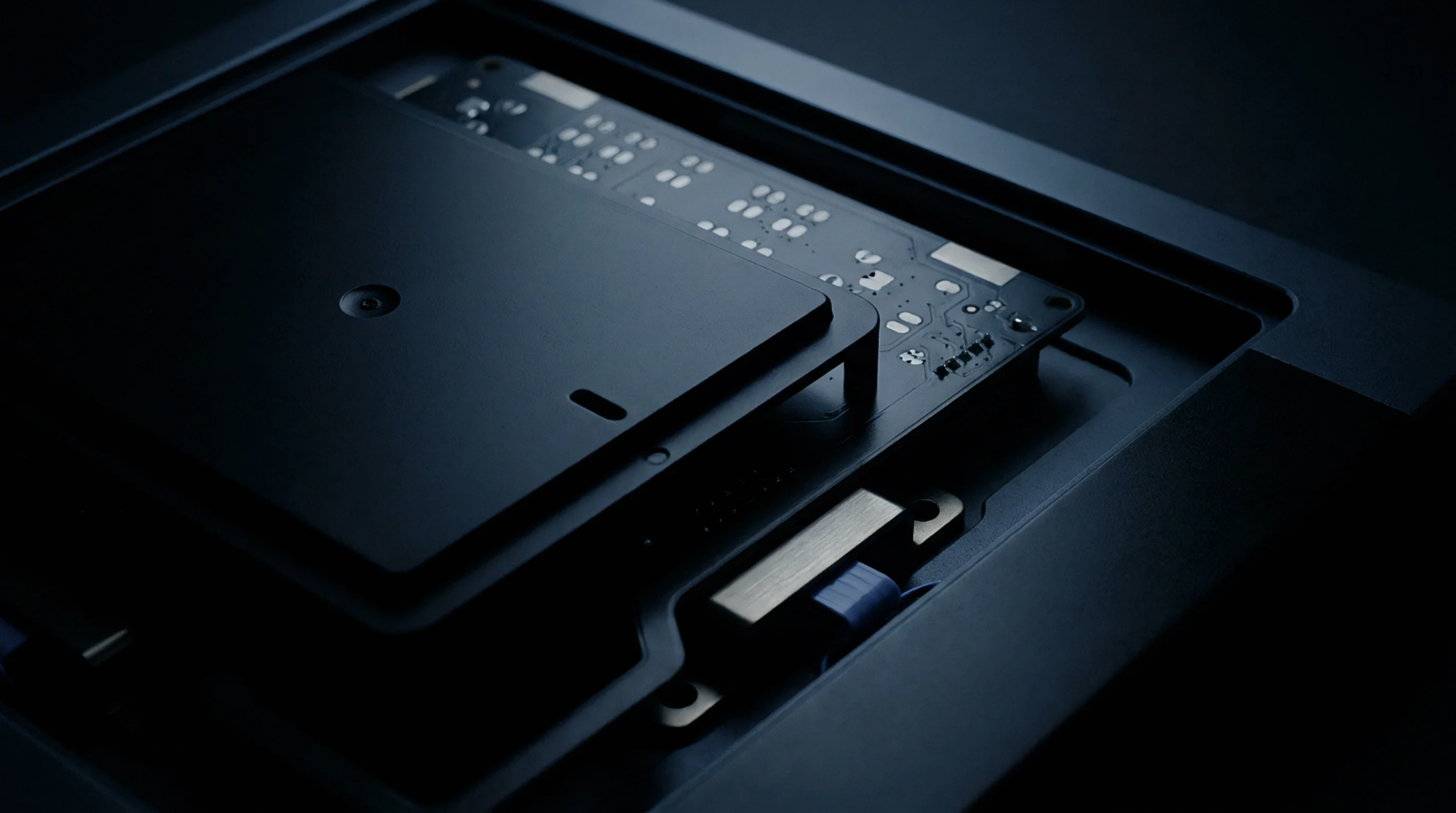
Host integration changes triggering Class II filings demand targeted chamber re-scans, updated SAR evaluations, and TCB attestation before market release.

Verify modular radio grants, match physical host labels to database records, and test unintentional chassis emissions to secure smooth import clearance.

Managing anisotropic permittivity drift in high-temperature modular enclosures prevents antenna detuning and costly Class II Permissive Change retests.

Dielectric drift from aged radomes alters antenna match and spurious emissions, converting minor enclosure changes into mandatory Class II permissive filings.

Thermal drift in anisotropic composite substrates causes RF detuning and regulatory non-compliance requiring permissive change re-testing across temperature extremes.

Radome permittivity shifts from polymer environmental aging alter radar spatial masks and EIRP, invalidating type approval grants without permissive change recertification.

Permittivity budgets at W-band demand tight core tolerances to hold transmission loss and phase shift within regulatory EIRP margins.

Harmonize regional test parameters into a unified worst-case test plan to minimize chamber time and maintain cross-border radio grants across platform revisions.

Dual-sourcing radio modules requires radiated spurious verification and grantee-controlled permissive change filings before alternate hardware ships.

Permissive changes avoid multi-transmitter volume scans when the ratio of combined absorption to spatial peak separation remains at or below 0.04.
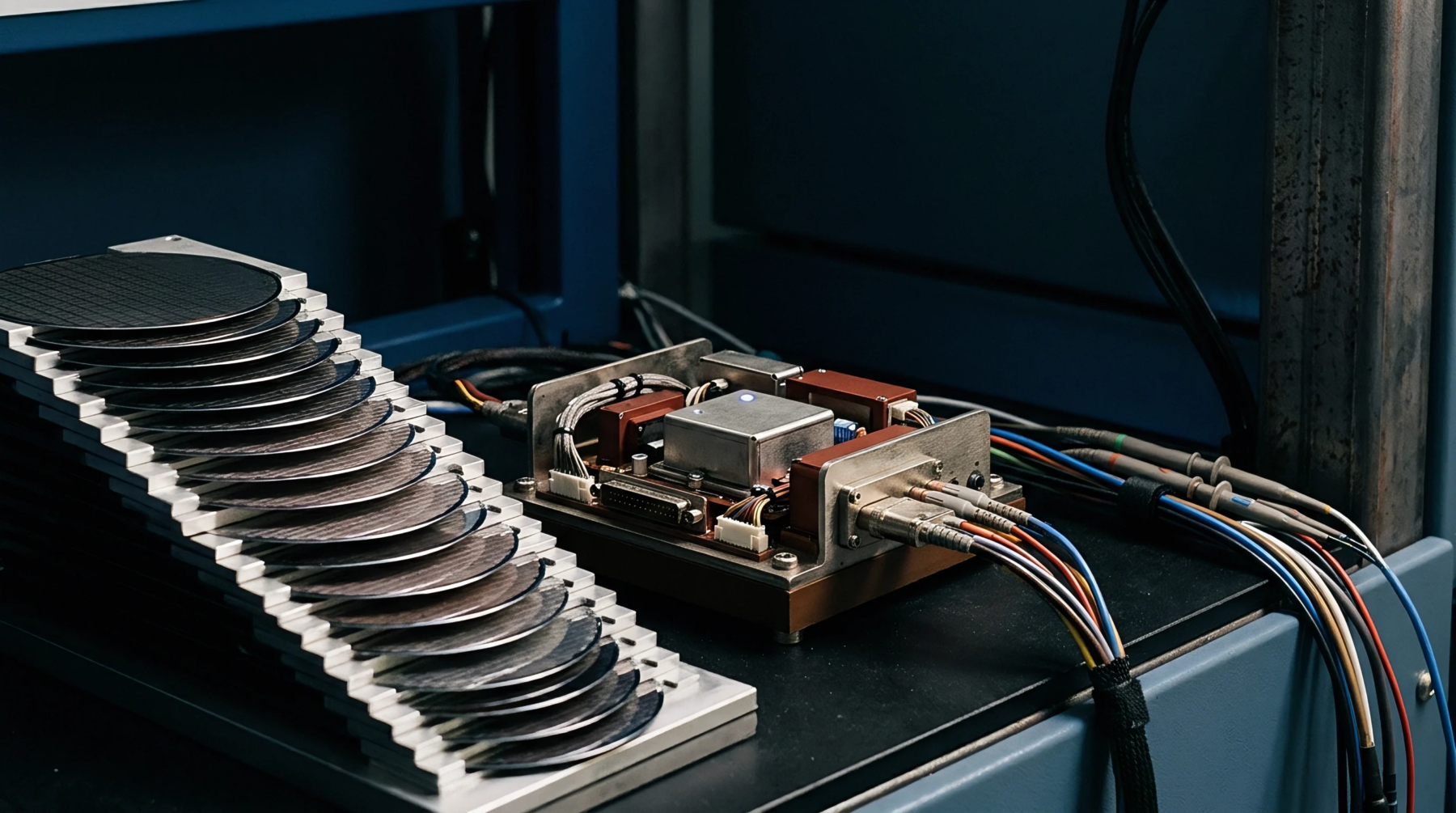
Protect modular hardware margins by excluding regulatory recertification, scrap inventory, and lab re-testing fees from supplier liability caps.

Modifying a radio enclosure demands pre-scan emission checks to classify changes correctly and avoid costly international shipping holds.
Host integrators carry strict legal liability for end-system emissions, demanding spot-check chamber testing and tight vendor indemnification clauses.

Software-defined transmit power allocation requires cryptographically secured regulatory domain tables matching regional grants to prevent certification failure.
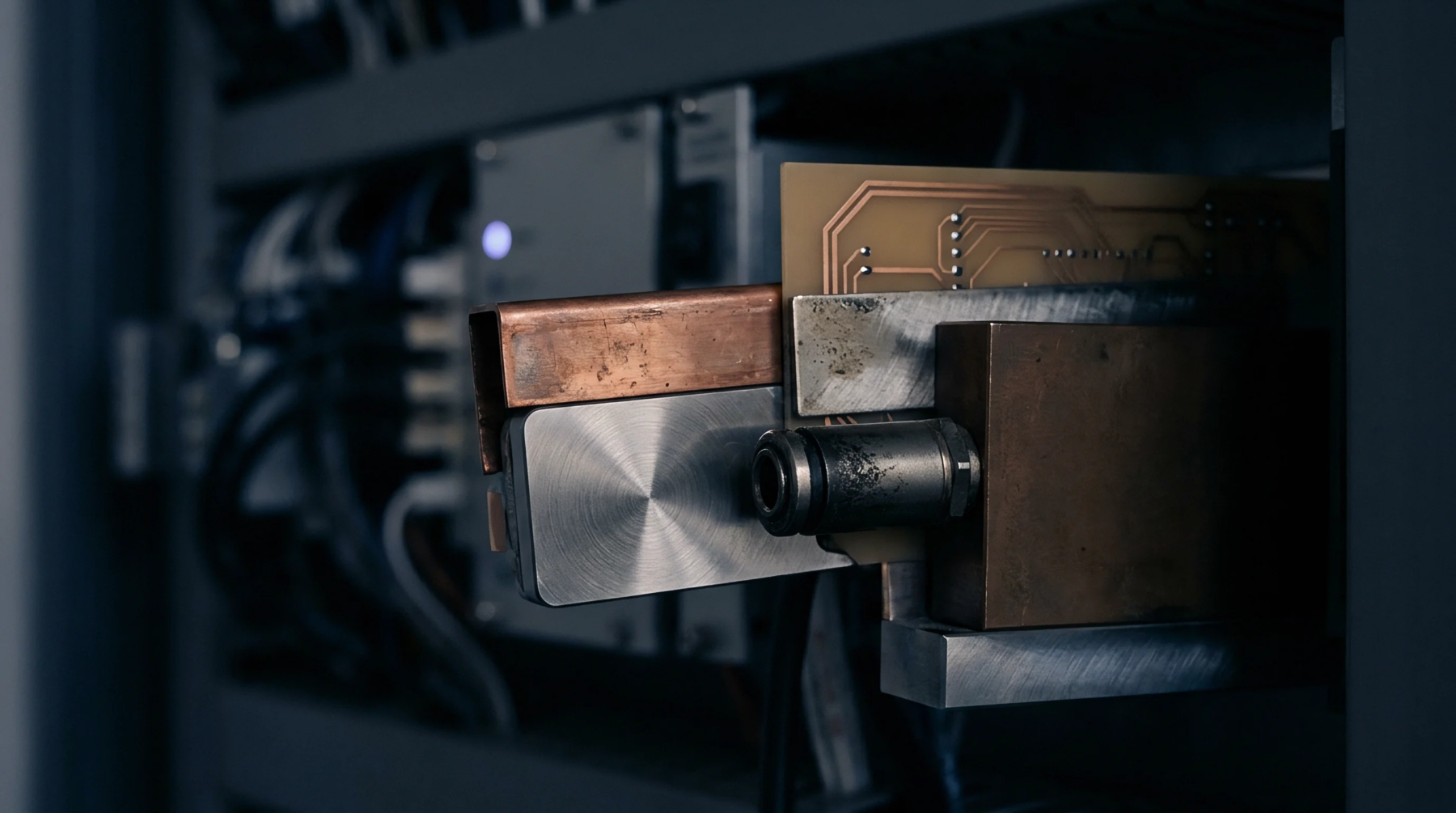
Replicating modular trace antenna layouts requires exact adherence to certified Gerber files, stackup dimensions, and substrate tolerances to preserve FCC exemptions.
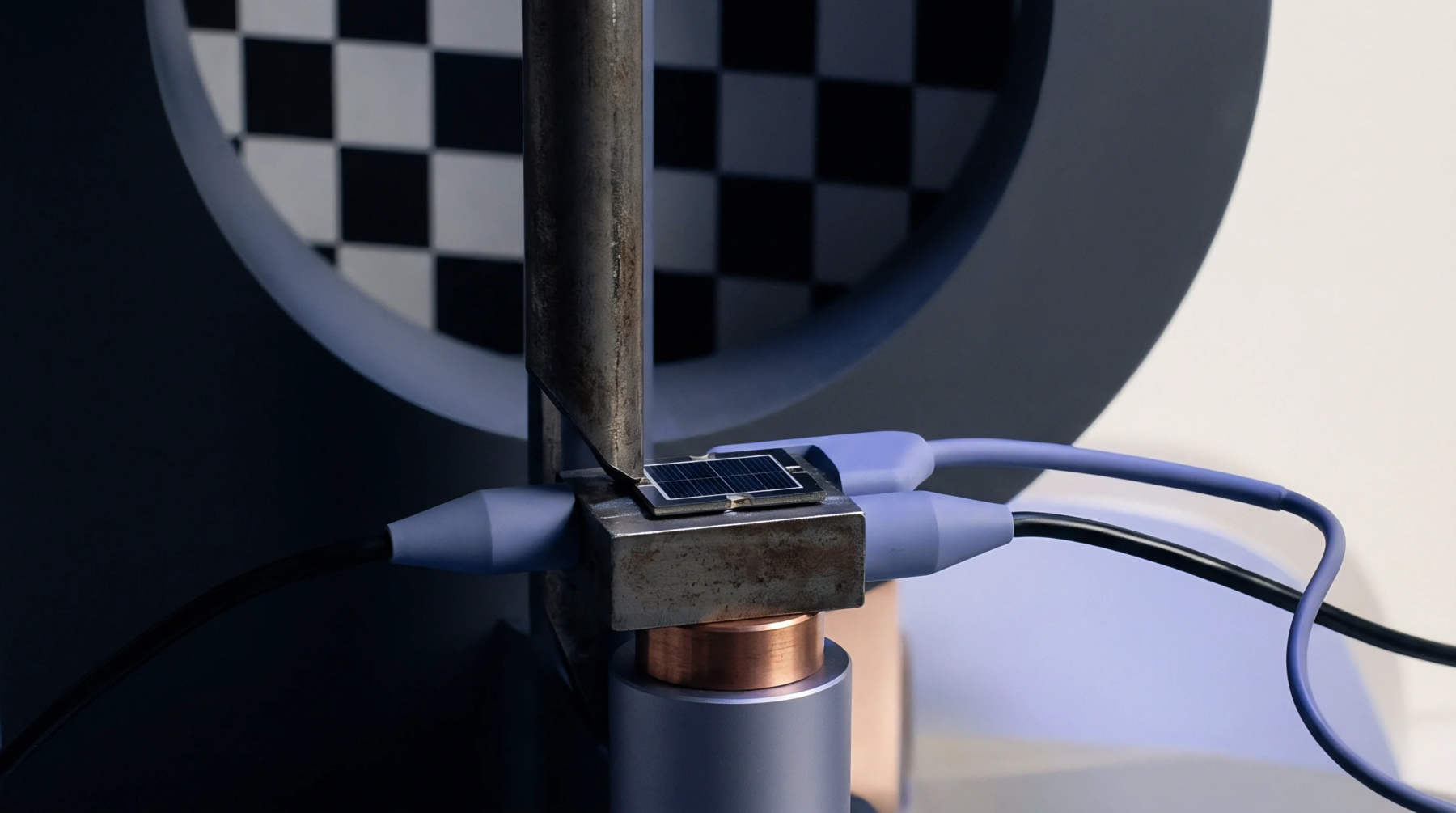
Rigid probe position limits and wide boundary tapers prevent phase distortion and spectral leakage from causing costly regulatory test failures.

Host multi radio compliance relies on spatial antenna isolation, intermodulation suppression, and summed SAR exposure ratio evaluation before filing.

Modular radio host integration eliminates fundamental transmitter testing only when antenna gain, exposure distances, and co-located radios match the grant.

Co-locating dual unlicensed modular transmitters requires Class II Permissive Change filings when simultaneous emissions create new spurious or SAR exposures.

Quantifying enclosure resonance requires mapping cavity eigenmodes, controlling seam transfer impedance, and executing simultaneous radiated retests before filing.

Pre-certified modular grants leave host unintentional radiation, antenna trace duplication, and portable exposure compliance entirely under host builder liability.
Expertise is a utility, not a secret. sentiention™ publishes its working knowledge as open reference: intelligence layer covering the materials it sources, the markets it enters, and the reference that serves both.