Meaning
Regulatory validation procedures permit a class ii permissive change when a manufacturer alters radio frequency circuitry inside an approved module without shifting the fundamental emission design. This administrative mechanism applies strictly to hardware modifications that alter output power, spurious emissions, or frequency tolerance by margins small enough to avoid recertification from scratch. The boundaries stop at any alteration affecting modulation types, core architecture, or antenna categories previously listed on the grant.
Compliance engineers file test reports demonstrating that modified boards continue meeting strict spectral mask limits established for the original hardware.
Radio Boundary
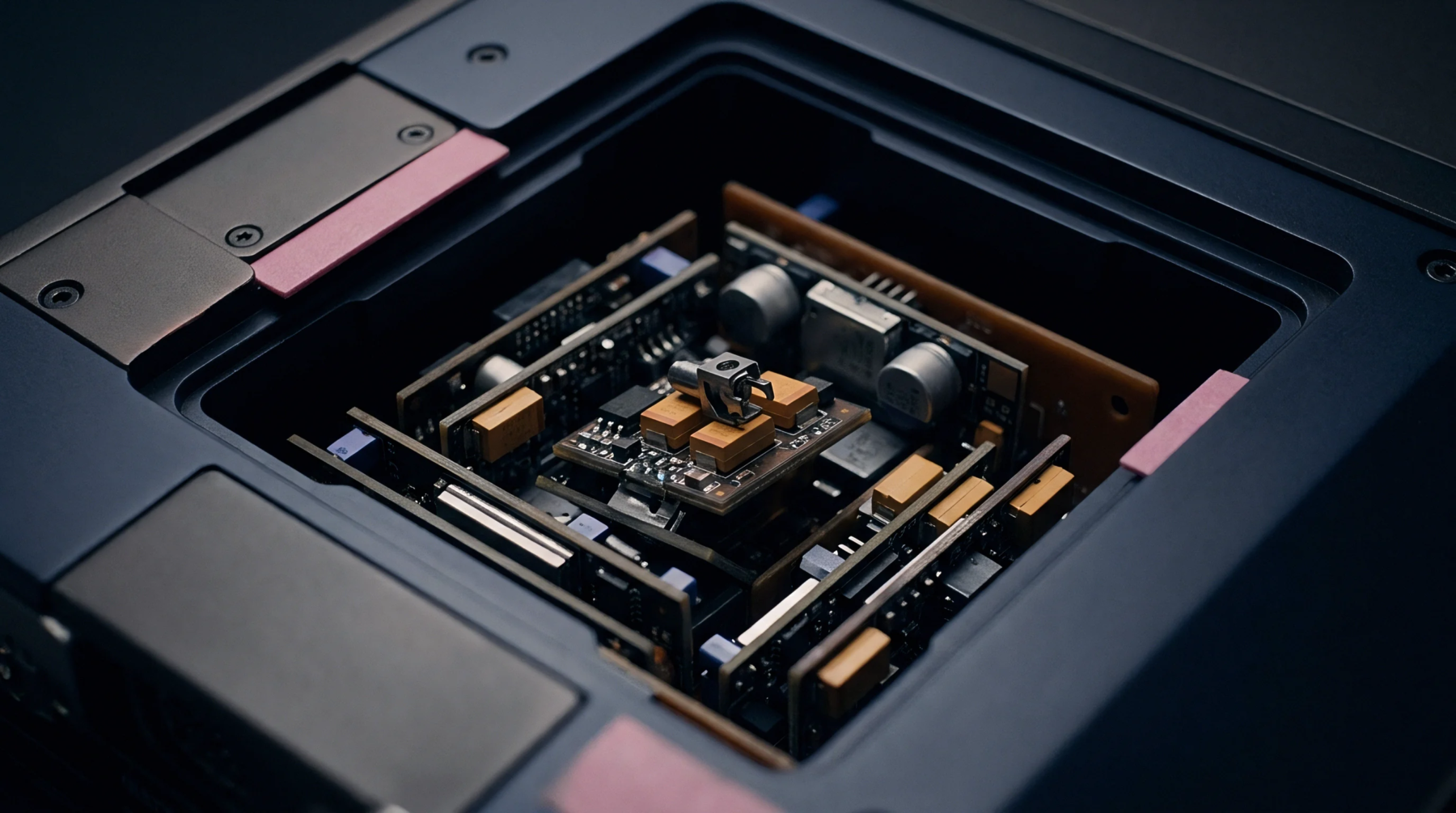
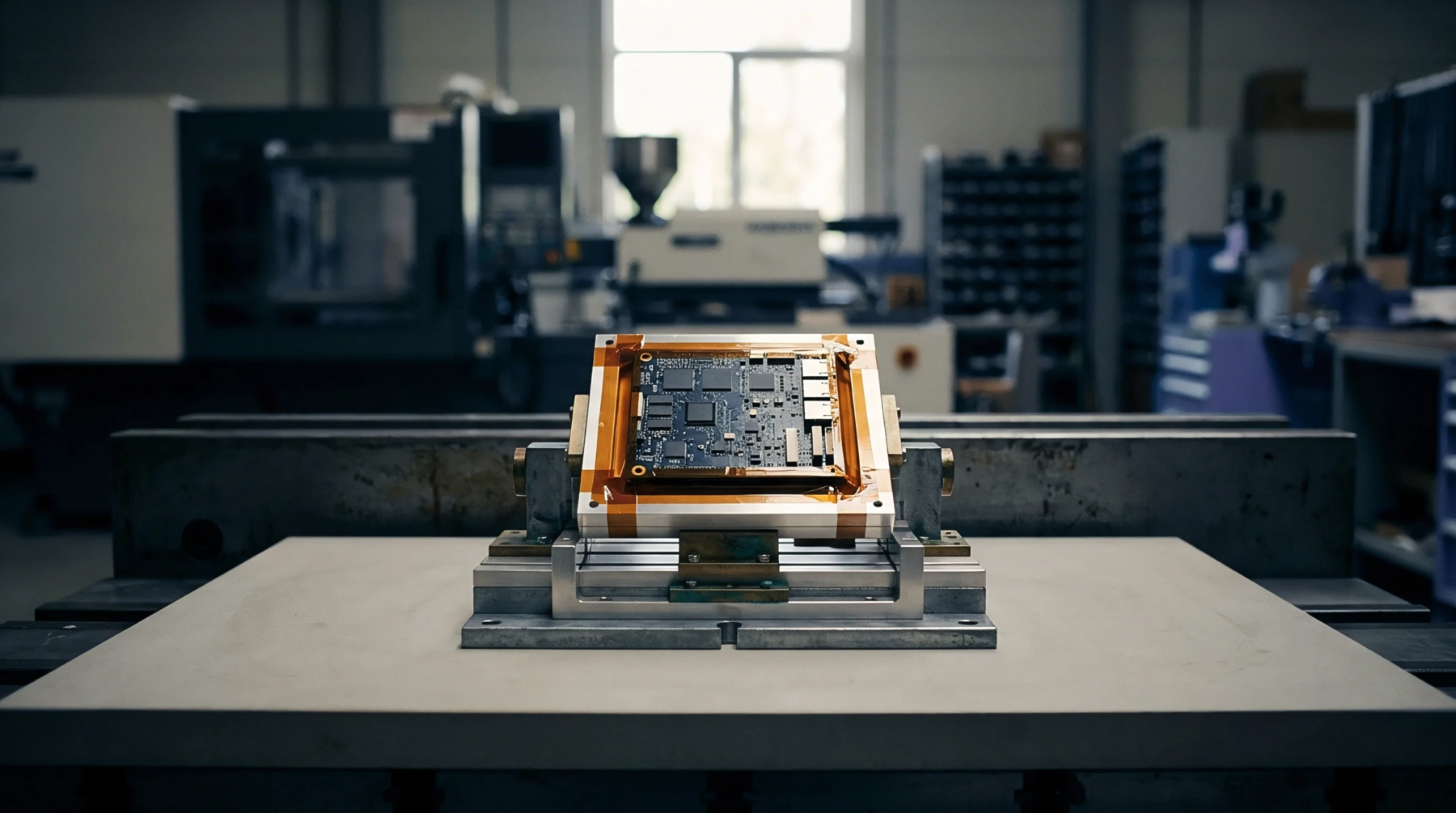
Laboratory test benches record radiated spurious emissions across identical frequency sweeps to verify that substituted passive filters maintain harmonic suppression. Engineers evaluate thermal dissipation changes when denser layout routing alters PCB copper weight near power amplifier stages. Circuit alterations must preserve original shield placement because exposed traces invite unwanted coupling inside compact metal enclosures.
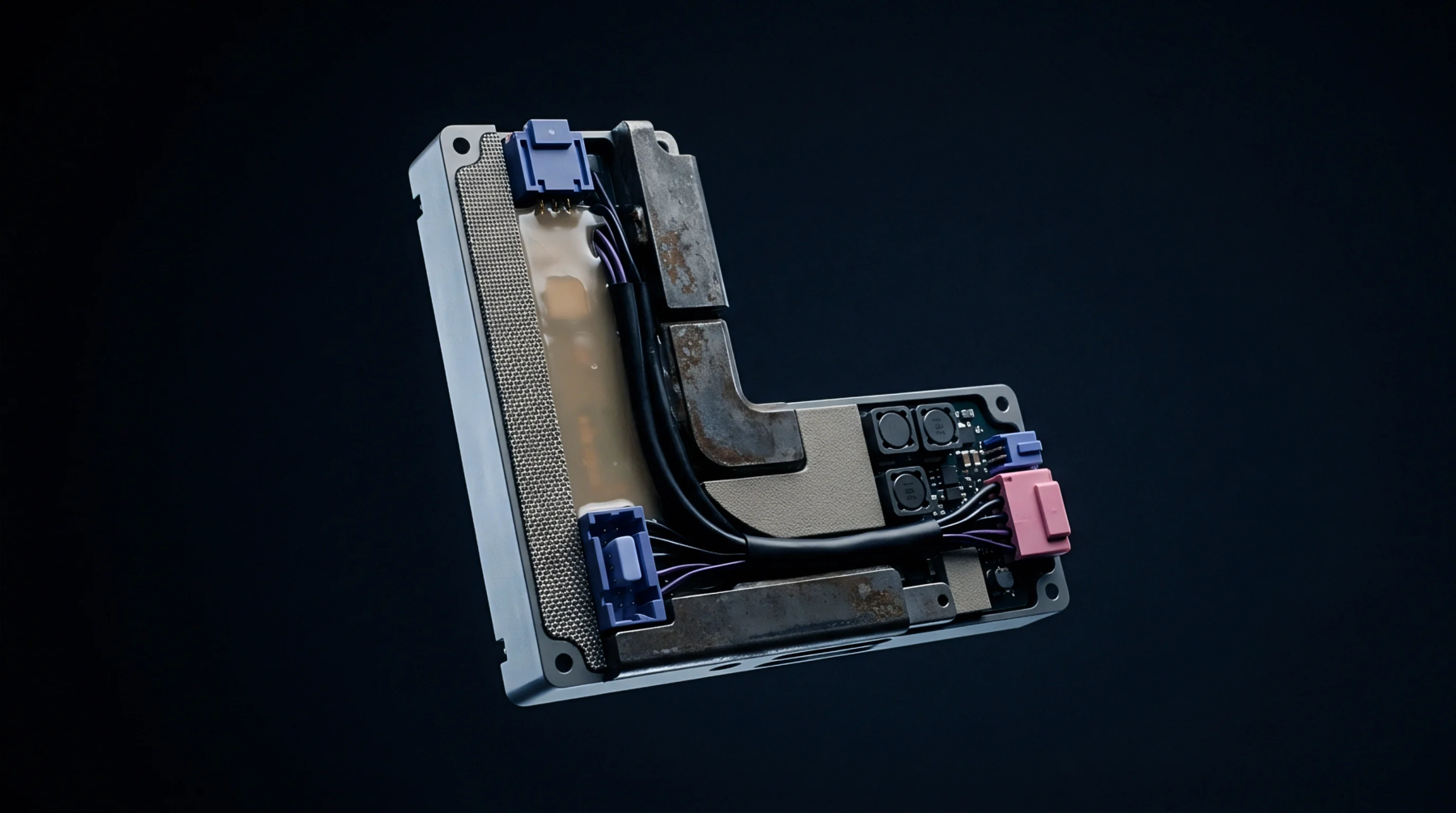
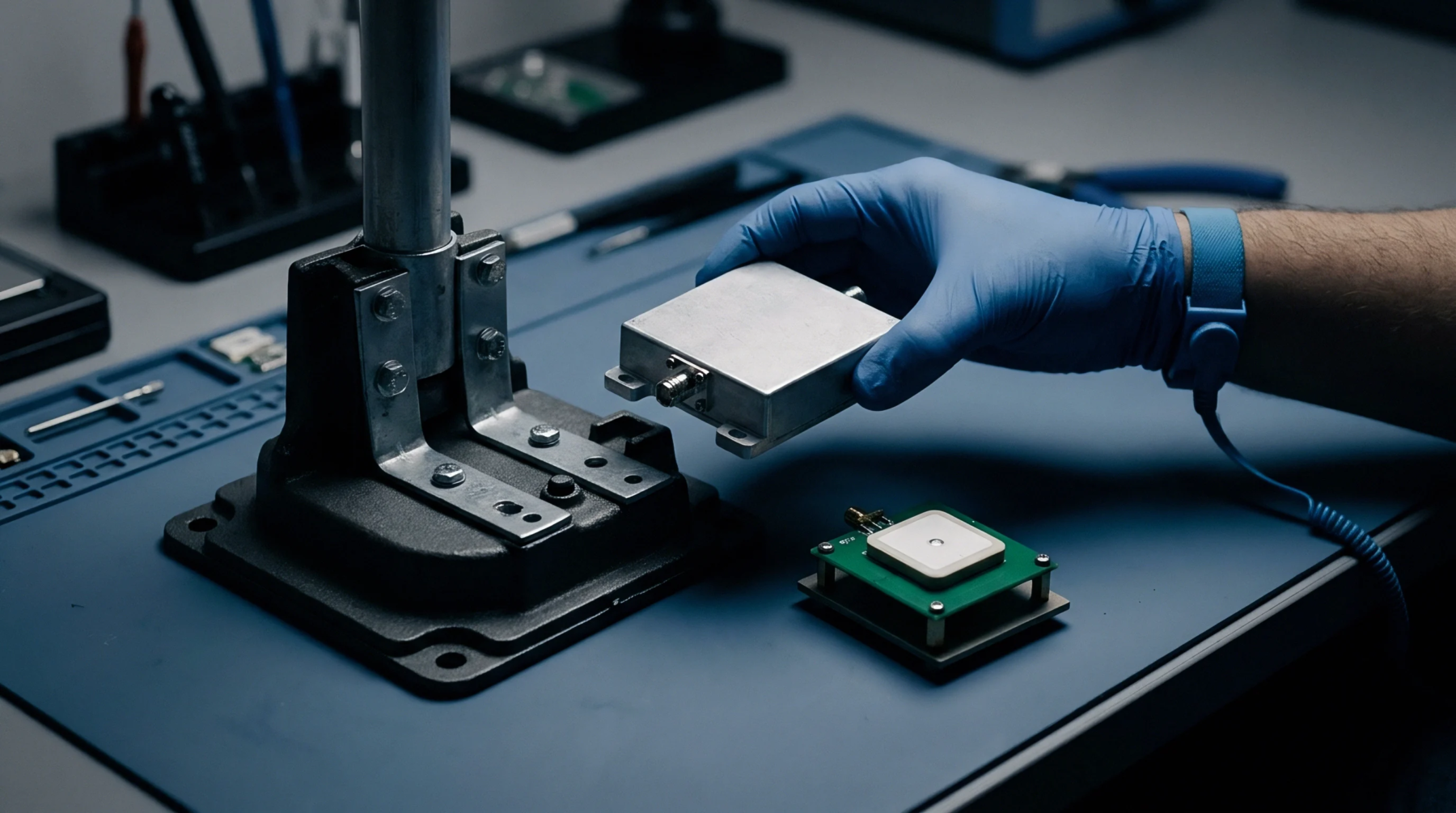
Substitution of passive components requires identical footprint dimensions to prevent parasitic inductance shifts that degrade transmitter performance. Testing laboratories execute conducted RF measurements to confirm that carrier frequency stability remains within certified limits under varying voltage conditions.
Compliance Verification
Certification agencies review differential test data packages to confirm that modified devices retain compliance without requiring new identification numbers. Test houses measure effective isotropic radiated power values to verify that layout adjustments do not increase transmission output beyond authorized thresholds. Documentation packages include detailed schematics highlighting altered nodes alongside comparative test reports detailing pre-modification and post-modification performance metrics.
Factory quality audits cross-reference bill of materials updates against original filing records to ensure no unauthorized substitutions occurred during production runs.
Hardware Maintenance
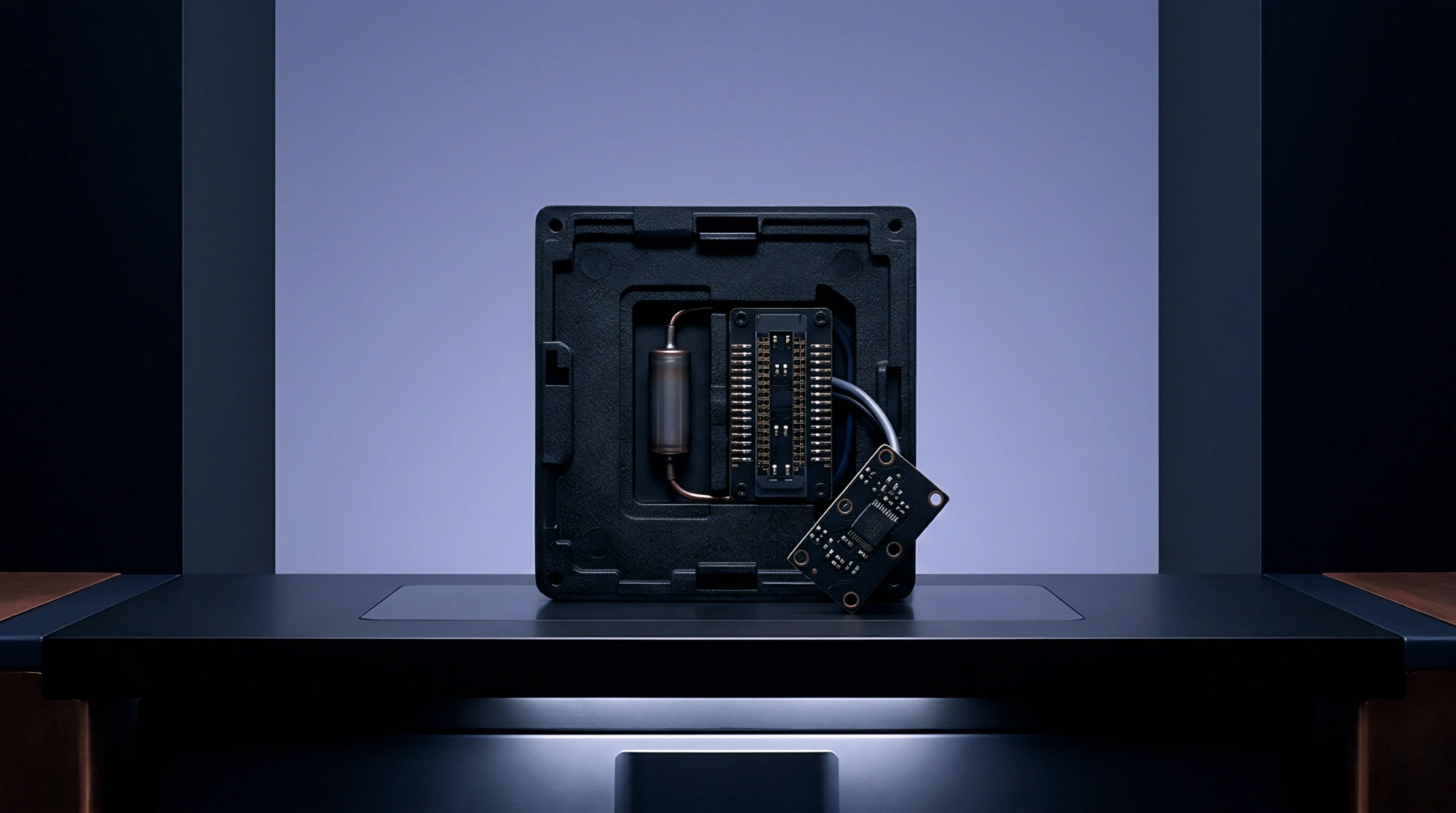
Production engineering teams manage component obsolescence by qualifying drop-in replacements that preserve the electrical characteristics verified during initial radio approval. Supply chain shifts require rigorous verification whenever secondary sources supply passive components located inside tuned RF matching networks. Component tolerances dictate whether a substitution demands formal regulatory filing or remains governed by internal quality control protocols.
Manufacturing plants archive complete test logs to support post-market surveillance audits conducted by regulatory authorities inspecting active assembly lines.