
Legal and Technical Recourse for Binary Blob Vulnerabilities in Semi Custom Modules
Isolate opaque module binary blobs using MPU sandboxing while securing source escrow execution rights in procurement contracts to force rapid vendor updates.
Isolate opaque module binary blobs using MPU sandboxing while securing source escrow execution rights in procurement contracts to force rapid vendor updates.

Dynamic dual-sourcing tooling allocation mitigates tariff volatility by balancing fixed asset amortisation against stochastic landed cost triggers across trade corridors.
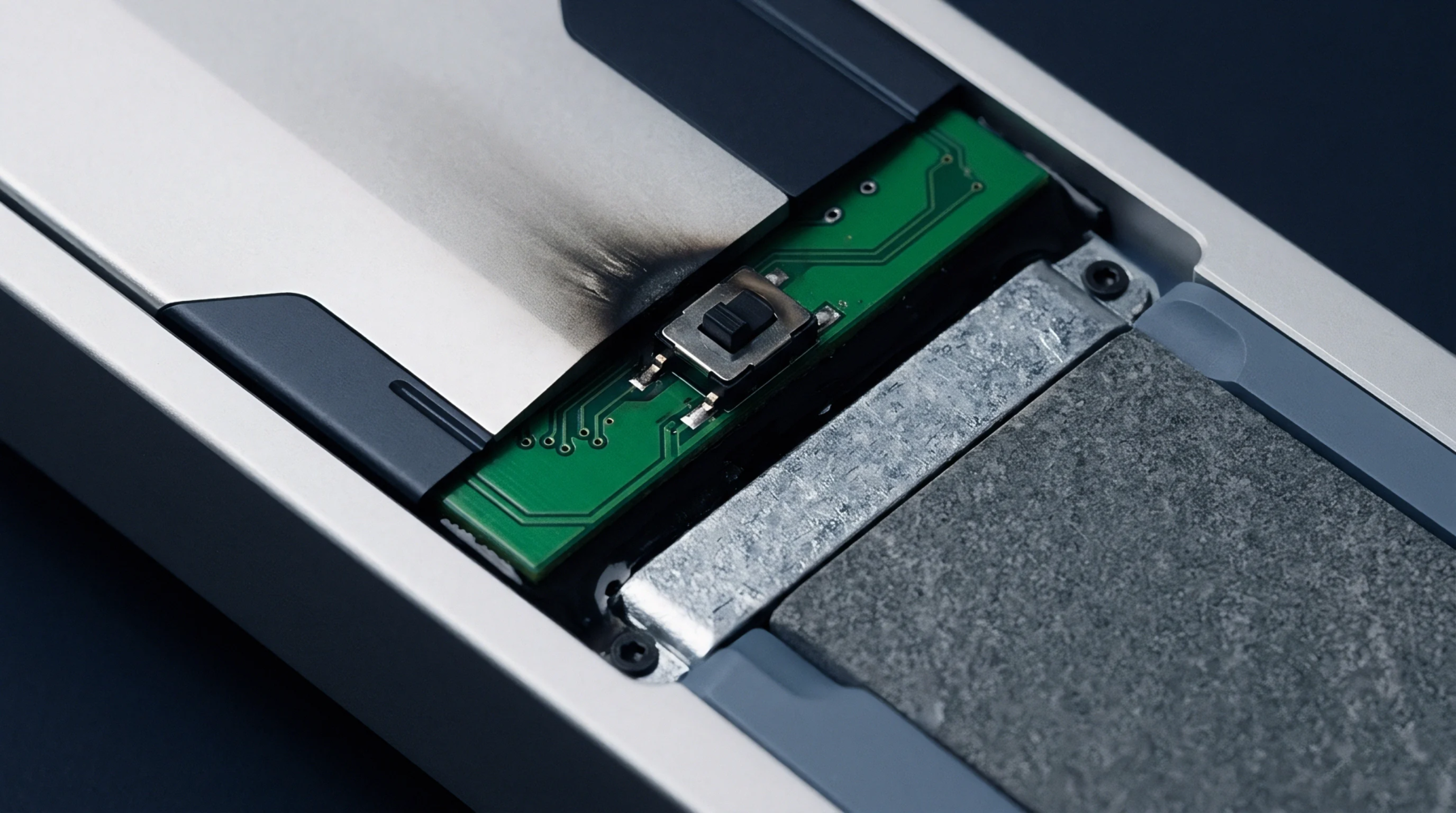
Continuous buffer auditing and strict milestone-linked escrow arbitrate working capital drag while insulating multi-tier supply lines from latent defect costs.

Cryogenic vacuum cycling accumulates interfacial shear strain in sputtered kinematic coatings, causing delamination and micron-level positioning failure.

Evaluating friction coefficients in high-preload sphere-in-groove interfaces requires accounting for GPa-level Hertzian stresses and micro-slip hysteresis.

Cryogenic micro-yield in monolithic titanium flexures is suppressed by using high-purity Grade 1 stock with less than 0.12% oxygen and chemical recast etching.

Volumetric point spatial deflection analysis isolates structural frame deformation from rigid body shift to verify precision fixture alignment post-transit.

Enforcing semiconductor material change indemnities offshore demands multi-tier joinder clauses, rapid emergency arbitral asset freezing, and accounts-payable set-off rights.

Qualifying silicon die shrinks in turnkey RF modules demands impedance matching retuning, driver calibration, and regulatory re-certification to prevent failure.
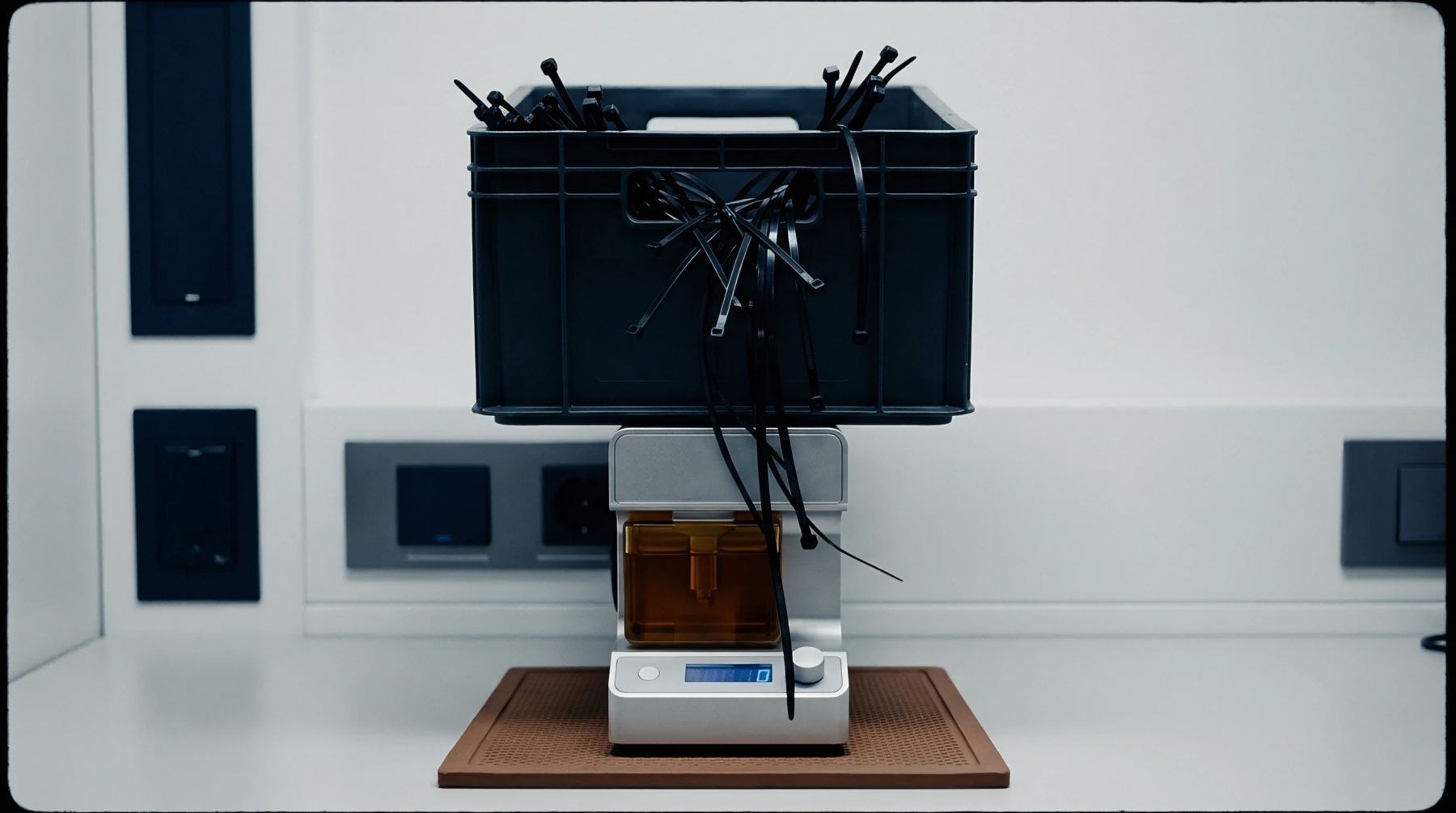
Stable control limits post-tooling change require thermal break-in stabilization, 25 subgroup sampling, and short-term capability proof before sign-off.

Modifying SMT land footprints shifts local characteristic impedance and parasitic capacitance, requiring antipad relief tuning and 3D EM solver verification.

Automated build matrices validate vendor-independent driver abstraction layers, eliminating silicon lock-in and securing hardware design transfer custody.

Abstracting hardware register drivers requires separating volatile memory-mapped access primitives from application drivers to ensure code safety and portability.

Hardware-enforced register state isolation mitigates undocumented microcontroller errata by enforcing atomic memory barriers and shadow state verification.
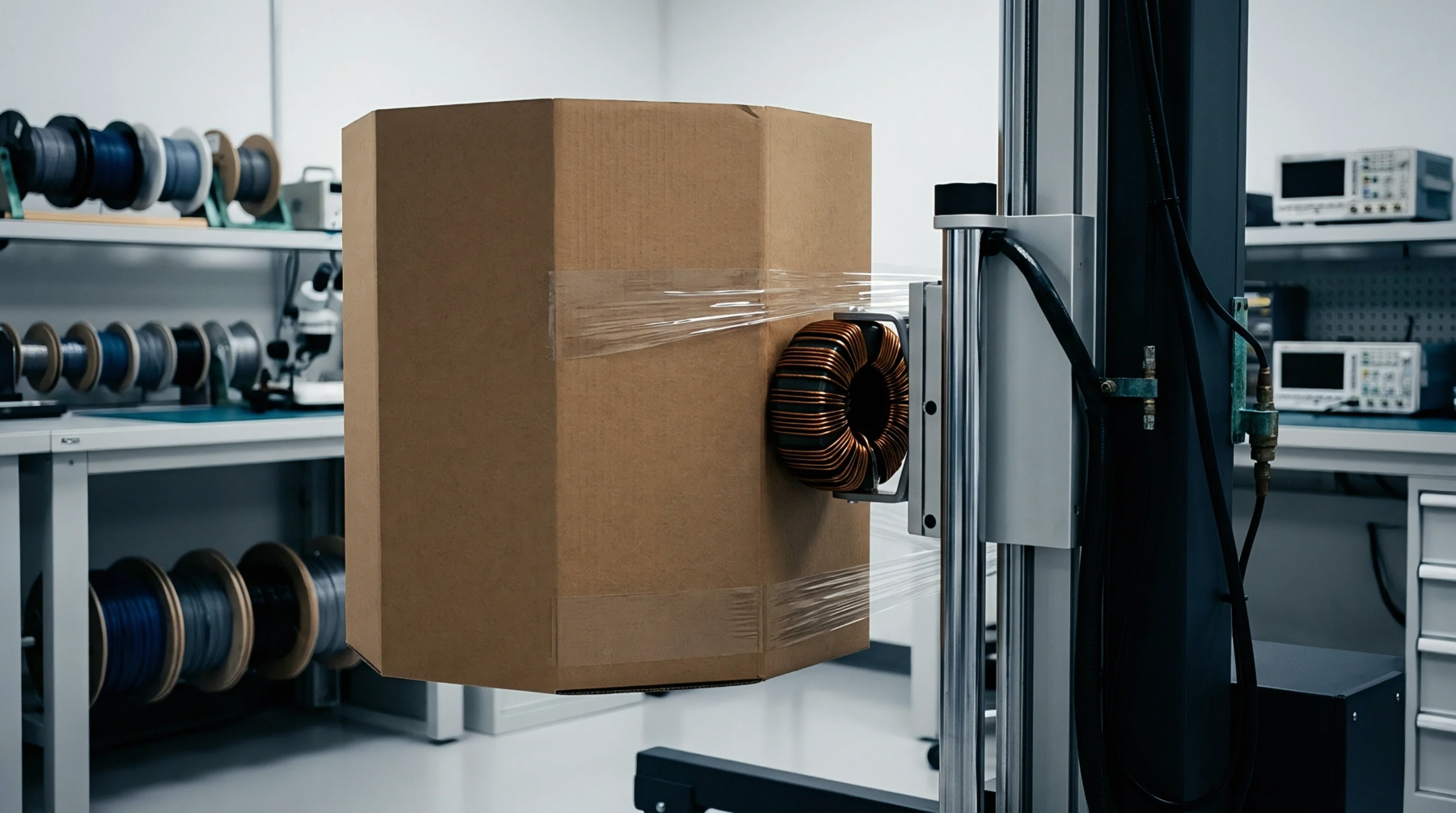
Cross-core fault injection combined with thermal drift erodes interconnect timing slack, causing hardware isolation firewalls to drop transaction protection flags.

Hardware peripheral protection verification demands automated fault injection testing against every bus master identity and register address combination.

Real-time flash erase voltage spikes stem from rapid charge-pump activation across parasitic trace inductance, requiring localized low-ESL decoupling arrays.

Distributed test enclaves require hardware-stamped PTP clocks directly wired to secure enclaves to prevent drift-induced remote attestation rejection.

Flash update driver timeouts must be calculated using end-of-life silicon latency multipliers, bus preemption overhead, and charge pump ramp margins.
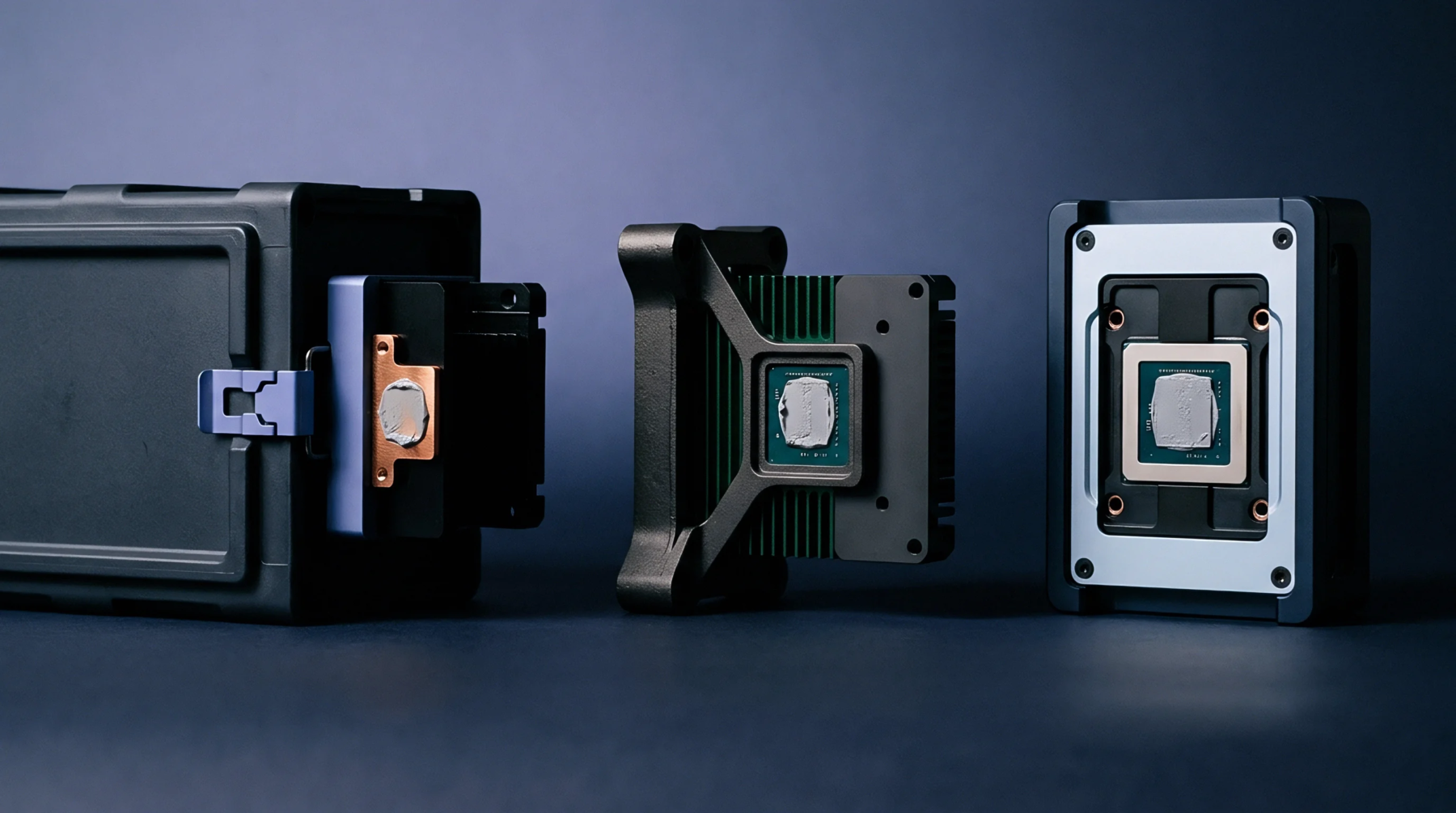
Specify viscoplastic creep laws and coupled thermal expansion in tooling contracts to prevent unmodeled preload loss and parting line gaps.

Independent physical assembly and bit-for-bit cleanroom firmware compilation from escrowed files establish production continuity during supplier insolvency.
Semicustom module break-even hinges on balancing upfront engineering charges against unit bill-of-material reductions across projected volume thresholds.

Base wireless module unit economics balance silicon bill-of-materials costs and testing yields against the volume needed to dilute fixed certification capital.

Controlled spring preloads isolate thermal growth and eliminate micro-slip hysteresis along precision optical encoder scales.

Contractually binding automated build containers and physical hardware in the loop execution resolves embedded escrow limits during active software maintenance.

Dynamic matrix correction maps real-time structural thermal gradients into six-axis motion stage offsets, preserving sub-micron probe alignment.
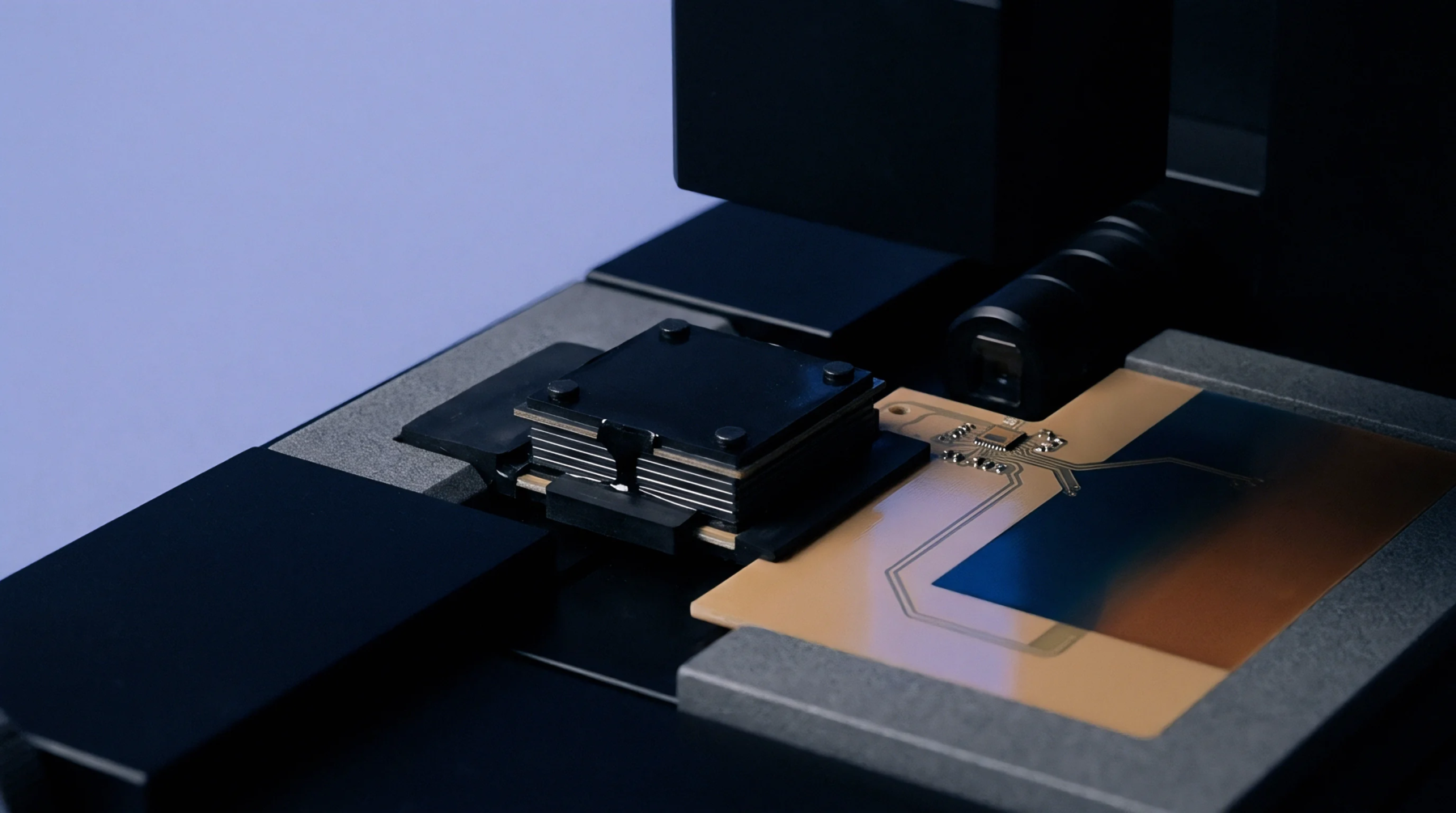
Kinematic drift in multi-axis test stations stems from thermal gradients and contact fretting, demanding hardened seats and active vision recalibration.

Executing complete firmware source releases requires containerized deterministic build environments, complete board support packages, and clear IP assignment.

Module integration levels dictate engineering ownership, file transfer rights, firmware access, and long-term landed cost metrics across production lifecycles.

Joint thermal-kinematic calibration couples dynamic phase compensation with multi-point temperature observers to eliminate spatial scanning drift in continuous modules.
Expertise is a utility, not a secret. sentiention™ publishes its working knowledge as open reference: intelligence layer covering the materials it sources, the markets it enters, and the reference that serves both.